Category
page 1Crops originating from indigenous Americans
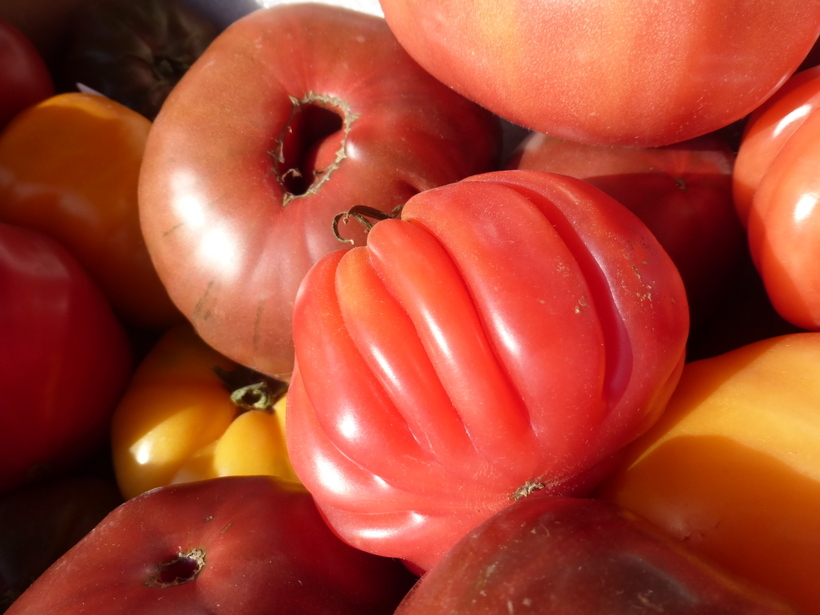
tomato
The tomato (, ; Solanum lycopersicum) is a plant whose fruit is an edible berry that is eaten as a vegetable. The tomato is a member of the nightshade family that includes tobacco, potato, and chili peppers. It originated from western South America, and may have been domesticated there, in Mexico, or in Central America. The Spanish introduced tomatoes to Eurasia in the Columbian exchange in the 16th century.

potato
The potato () is a starchy tuberous vegetable native to the Americas that is consumed as a staple food in many parts of the world. Potatoes are underground stem tubers of the plant Solanum tuberosum, a perennial in the nightshade family Solanaceae.

Carica papaya
The papaya (, ), papaw, () or pawpaw () is the plant species Carica papaya, one of the 21 accepted species in the genus Carica of the family Caricaceae. Papaya is also the name of its fruit. It was first domesticated in Mesoamerica, within modern-day southern Mexico and Central America. It is grown in several countries in regions with a tropical climate. In 2024, India was the leading producer, accounting for 36% of the world total.

peanut
The peanut (Arachis hypogaea), also known as the groundnut, goober (US, via Kikongo), goober pea, pindar (US, via Kikongo) or monkey nut (UK), is a legume crop grown mainly for its edible seeds, contained in underground pods. It is widely grown in the tropics and subtropics by small and large commercial producers, both as a grain legume and as an oil crop. Underground fruiting (geocarpy) is atypical among legumes, which led botanist Carl Linnaeus to name the species hypogaea, from Greek 'under the earth'.

cassava
Manihot esculenta, commonly called cassava, manioc, or yuca (among numerous regional names), is a woody shrub of the spurge family, Euphorbiaceae, native to South America, from Brazil, Paraguay and parts of the Andes. Although a perennial plant, cassava is extensively cultivated in tropical and subtropical regions as an annual crop for its edible starchy tuberous root. Cassava is predominantly consumed in boiled form, but substantial quantities are processed to extract cassava starch, called tapioca, which is used for food, animal feed, and industrial purposes. The Brazilian , and the related

cacao
tree native to tropical South America producing cocoa beans - the source plant of cacao and chocolate
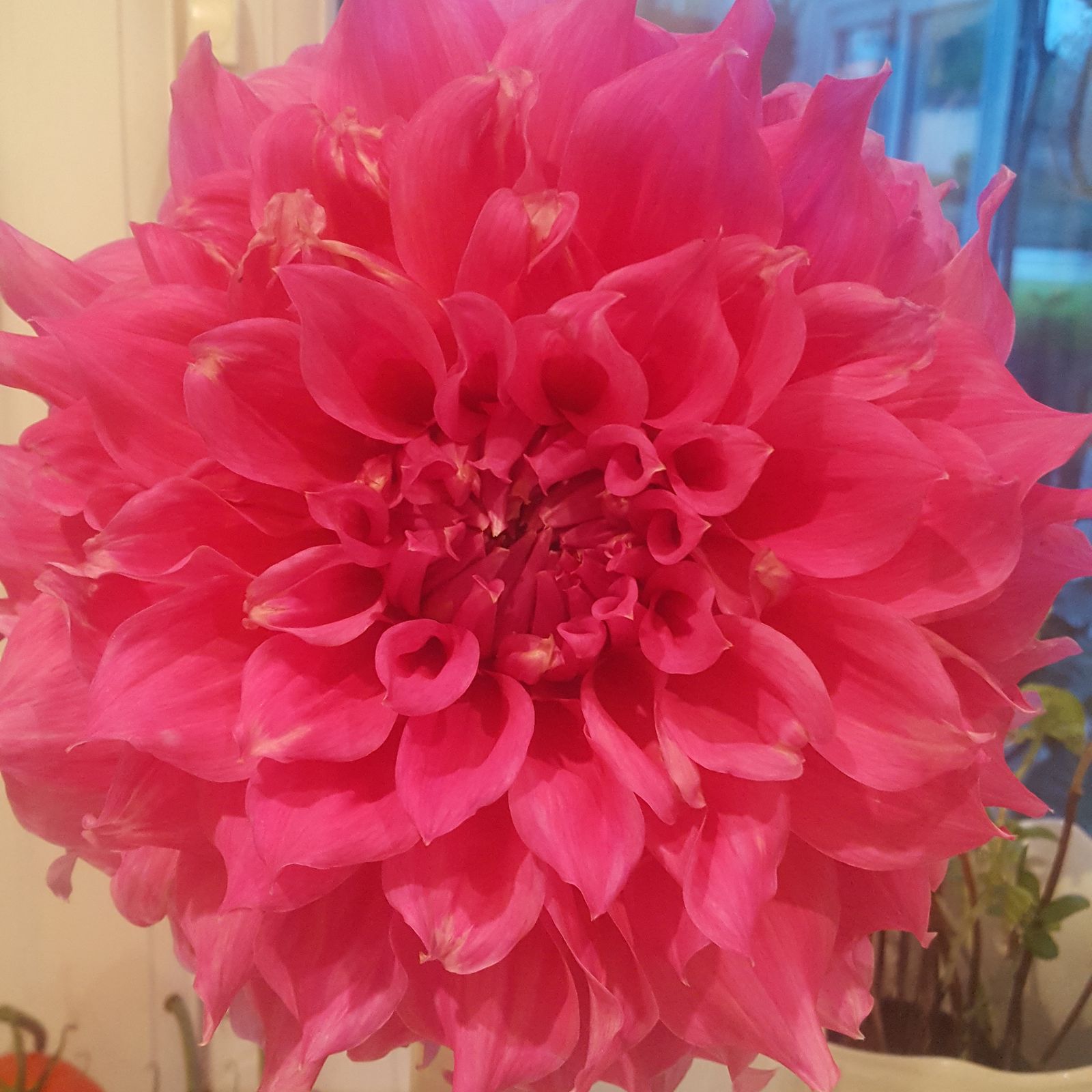
Dahlia
Dahlia ( , ) is a genus of bushy, tuberous, herbaceous perennial plants native to Mexico and Central America. Dahlias are members of the Asteraceae (synonym name: Compositae) family of dicotyledonous plants, its relatives include the sunflower, daisy, chrysanthemum, and zinnia. There are 49 species of dahlia, with flowers in almost every hue (except blue), with hybrids commonly grown as garden plants.

Cucurbita
is a genus of herbaceous fruits in the gourd family, Cucurbitaceae (also known as cucurbits or cucurbi), native to the Andes and Mesoamerica. Five edible species are grown and consumed for their flesh and seeds. They are variously known as squash, pumpkin, or gourd, depending on species, variety, and local parlance. Other kinds of gourd, also called bottle-gourds, are native to Africa and belong to the genus Lagenaria, which is in the same family and subfamily as Cucurbita, but in a different tribe; their young fruits are eaten much like those of the Cucurbita species.

Helianthus
Helianthus () is a genus comprising around 70 species of annual and perennial flowering plants in the daisy family Asteraceae commonly known as sunflowers. Except for three South American species, the species of Helianthus are native to North America and Central America. The best-known species is the common sunflower (Helianthus annuus). This and other species, notably Jerusalem artichoke (H. tuberosus), are cultivated in temperate regions and some tropical regions, as food crops for humans, cattle, and poultry, and as ornamental plants. The species H. annuus typically grows during the summer

cranberry
thumb|upright=1.25|Approximate ranges of the cranberries in sect. Oxycoccus: Red: common cranberry. Orange: small cranberry. Green: American cranberry.
thumb|Raw cranberries
thumb|Cranberry harvest

Manilkara zapota
evergreen tree
.jpg)
vanilla
upright|thumb|right|Vanilla planifolia, flower
upright|thumb|right|Dried vanilla beans
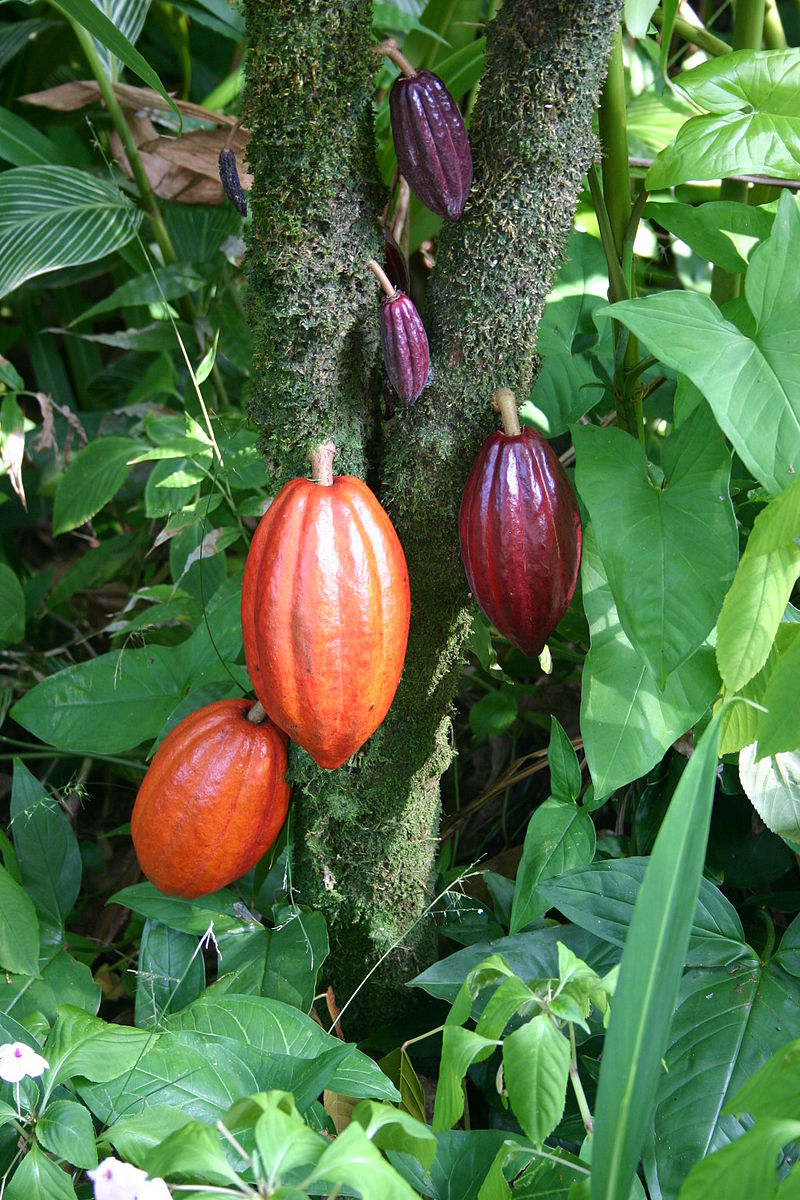
cocoa bean
fatty seed of Theobroma cacao which is the basis of chocolate

Vaccinium sect. Cyanococcus
thumb|right|Blueberries showing various stages of maturation. IG = Immature Green, GP = Green Pink, BP = Blue Pink, and R = Ripe.

Physalis philadelphica
thumb|Physalis ixocarpa – MHNT
%20crop.png)
Asimina
Asimina is a genus of small trees or shrubs described as a genus in 1763. Asimina is the only temperate genus in the tropical and subtropical flowering plant family Annonaceae. Asimina have large, simple leaves and large fruit. It is native to eastern North America and collectively referred to as pawpaw. The genus includes the widespread common pawpaw Asimina triloba, which bears the largest edible fruit indigenous to the United States. Pawpaws are native to 26 states of the U.S. and to Ontario in Canada. The common pawpaw is a patch-forming (clonal) understory tree found in well-drained, deep
chia seed
edible seeds of Salvia hispanica and S. columbariae

Diospyros virginiana
species of plant

Zea mays Saccharata Group
variety of corn
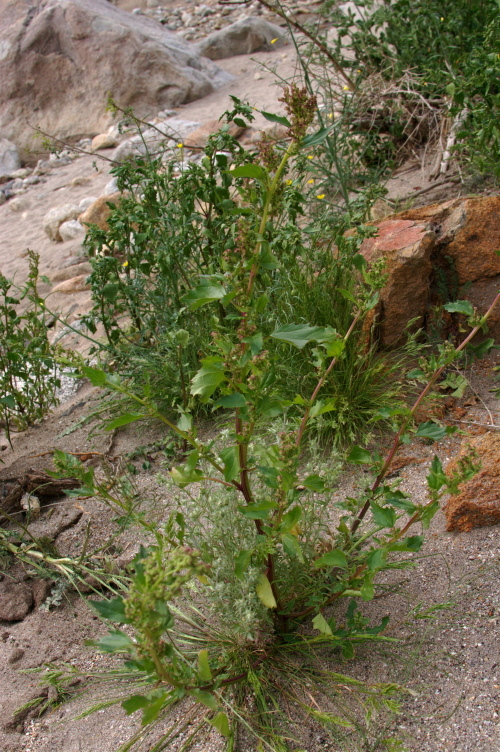
Chenopodium berlandieri
species of plant
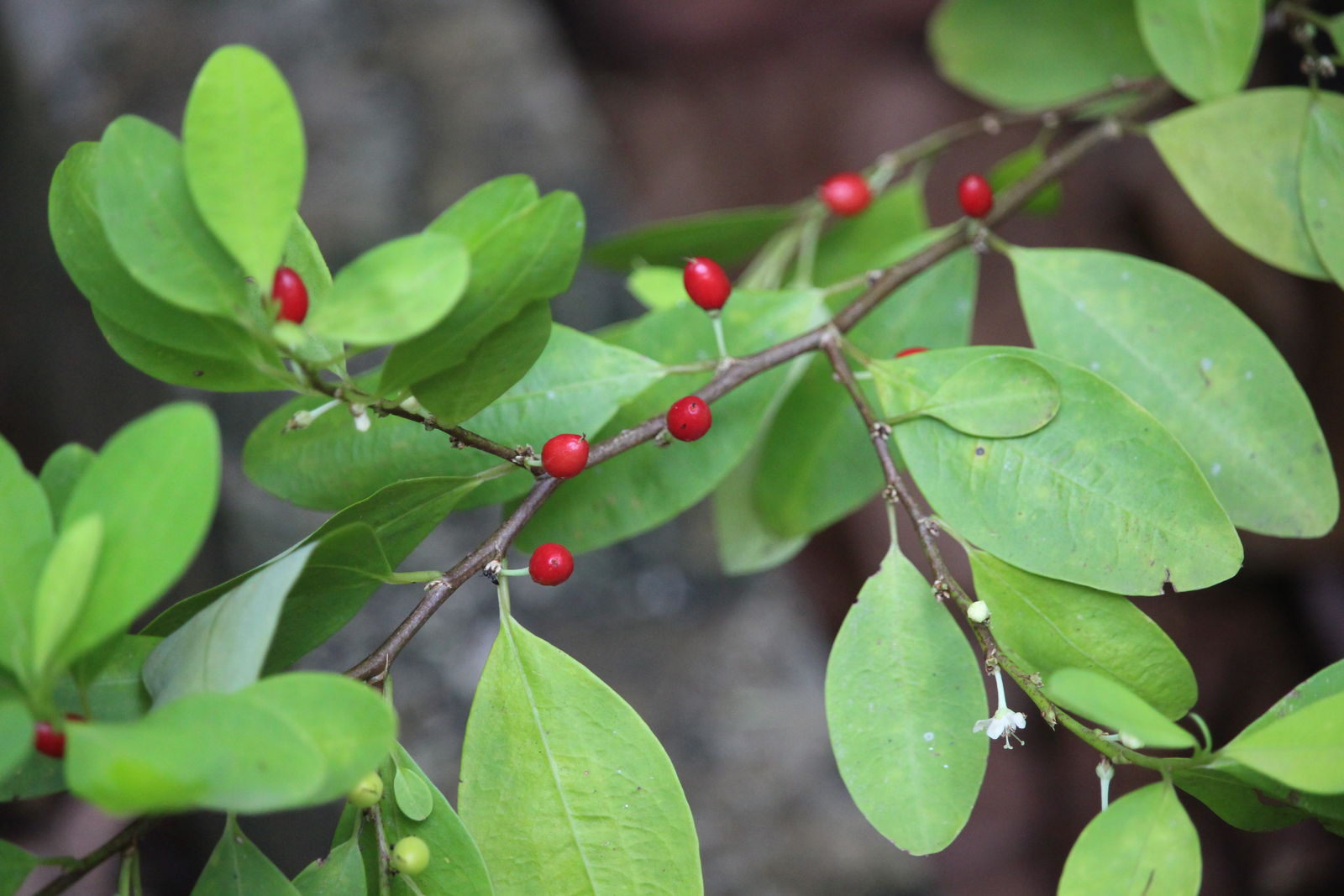
Erythroxylum novogranatense
species of plant
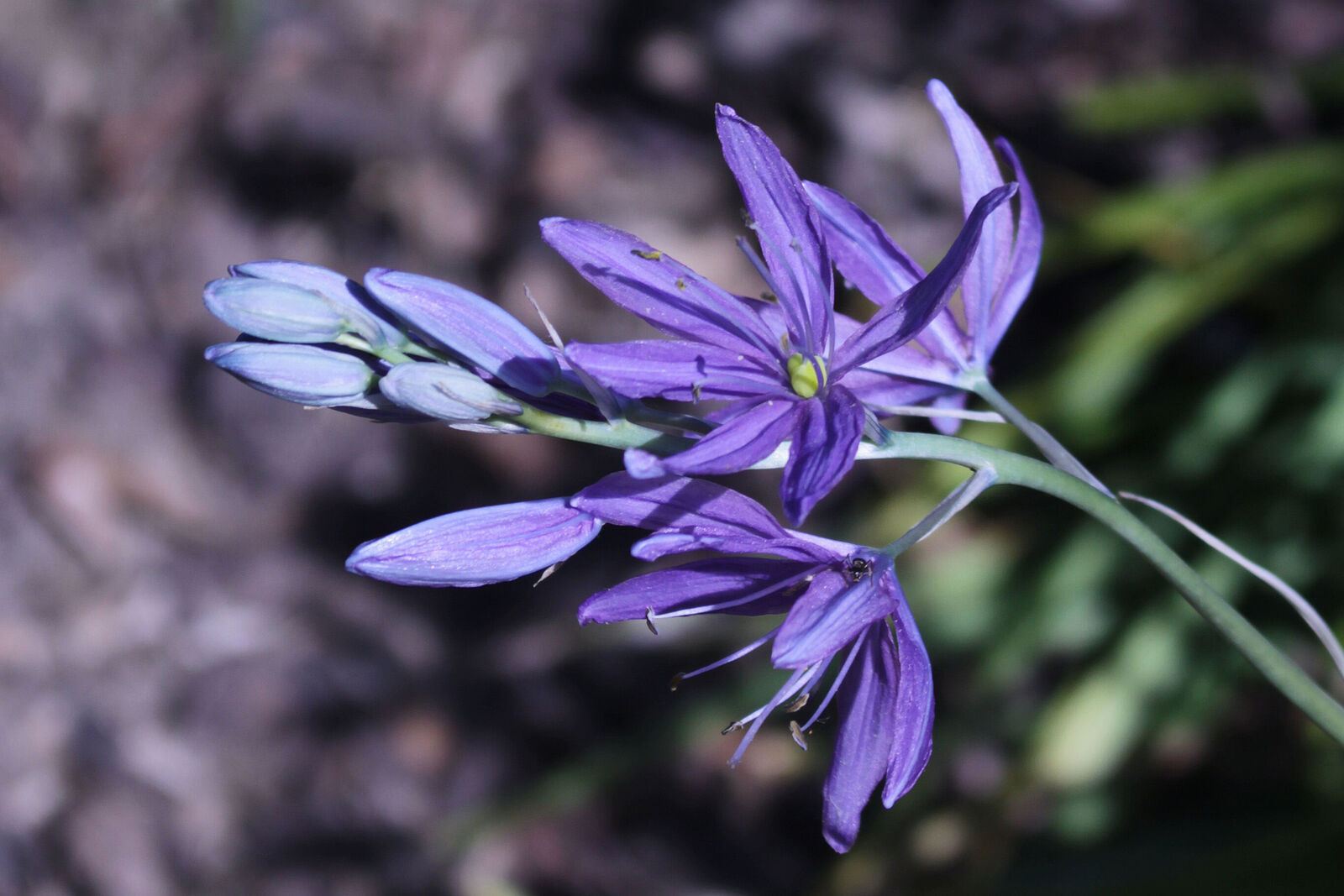
Camassia quamash
species of plant

coca plant
Coca refers to any of the four cultivated plants in the family Erythroxylaceae, native to western South America. It is known worldwide for its psychoactive alkaloid, cocaine. The leaves contain cocaine, which acts as a mild stimulant when chewed or consumed as tea; this traditional use involves slower absorption than purified cocaine, and there is no evidence of addiction or withdrawal symptoms from such natural consumption.

Pinus subsect. Cembroides
subsection of plants, the Pinyon pines
blue corn
set of cultivars of maize that share a bluish tint to the kernels