Category
page 1Ctenidae
%20Rio%20Napo.jpg)
Phoneutria
thumb|in Ecuador
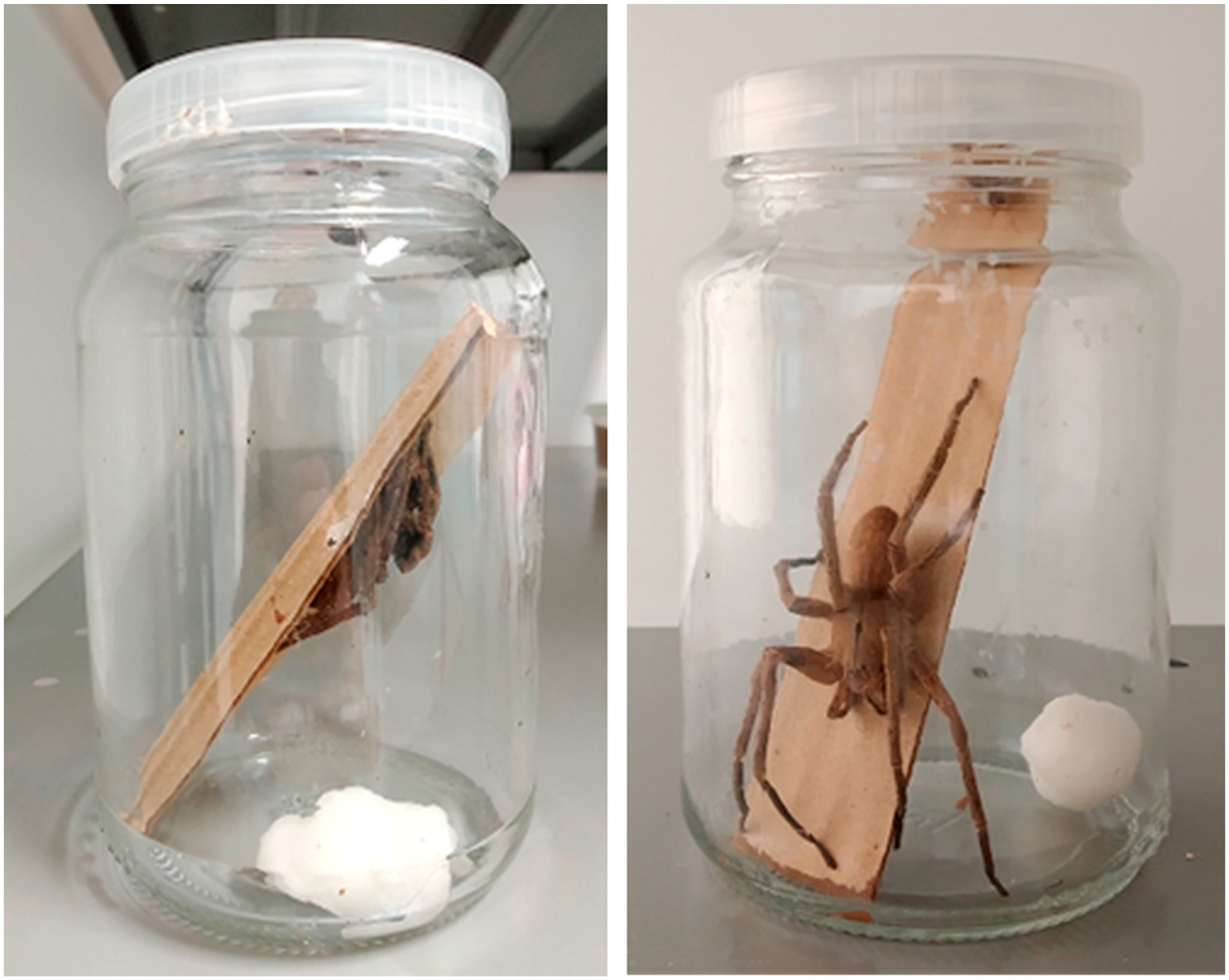
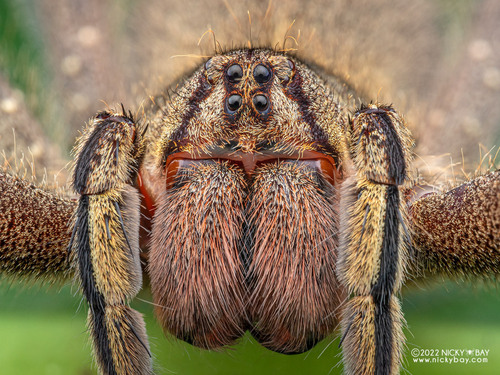
Phoneutria is a genus of spiders in the family Ctenidae. They are mainly found in northern South America, with one species in Central America. Members of the genus are commonly referred to as Brazilian wandering spiders. Other English names include armed spiders (armadeiras in Brazilian Portuguese) and banana spiders (a name shared with several others).
Ctenidae
family of spiders
Phoneutria nigriventer
species of arachnid
Ctenus
Ctenus is a genus of wandering spiders first described by Charles Athanase Walckenaer in 1805. It is widely distributed, from South America through Africa to East Asia.

Phoneutria fera
species of arachnid

Acanthoctenus
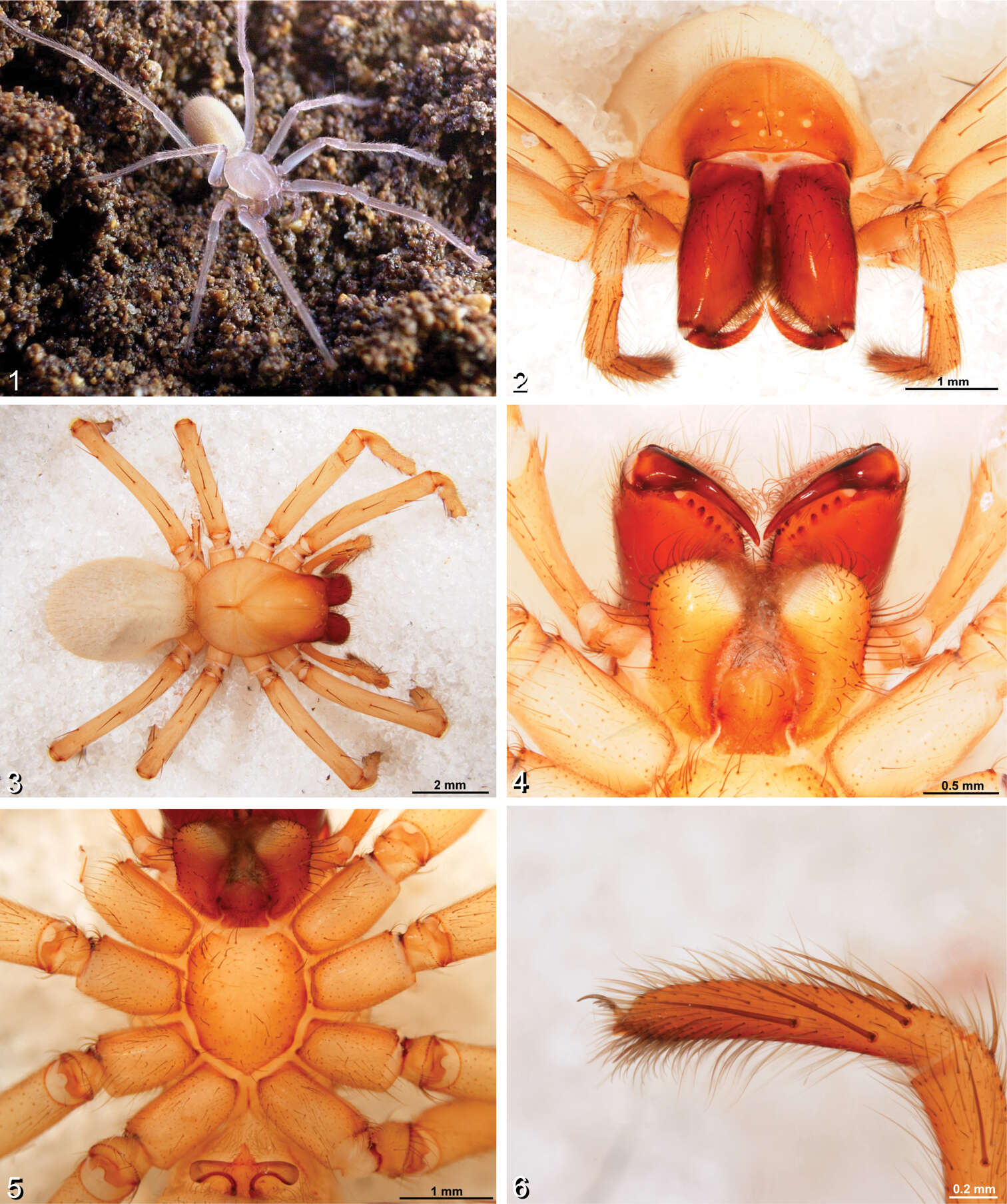
Acanthoctenus is a genus of Central to South American wandering spiders first described by Eugen von Keyserling in 1877.
Amauropelma
Amauropelma is a genus of Australian and Asian wandering spiders first described by Robert Raven, Kylie S. Stumkat & Michael R. Gray in 2001.
Thoriosa
Thoriosa is a genus of African wandering spiders first described by Eugène Simon in 1910.
Asthenoctenus
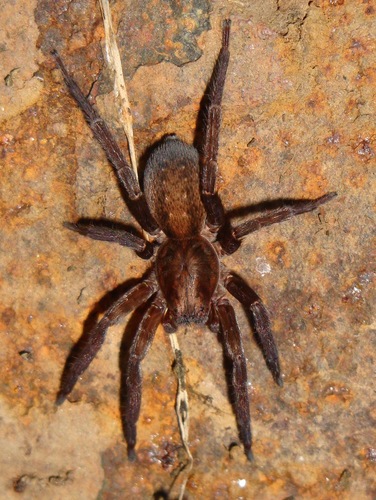
Asthenoctenus is a genus of South American wandering spiders first described by Eugène Simon in 1897.
Diallomus
Diallomus is a genus of Asian wandering spiders first described by Eugène Simon in 1897. it contains only two species, both found in Sri Lanka. Originally placed with the Zoridae (now included in Miturgidae), it was moved to Ctenidae in 2003.
Mahafalytenus
Mahafalytenus is a genus of East African wandering spiders first described by D. Silva-Dávila in 2007.
Isoctenus
Isoctenus is a genus of South American wandering spiders first described by Philipp Bertkau in 1880.
Petaloctenus
Petaloctenus is a genus of African wandering spiders first described by Rudy Jocqué & T. Steyn in 1997.
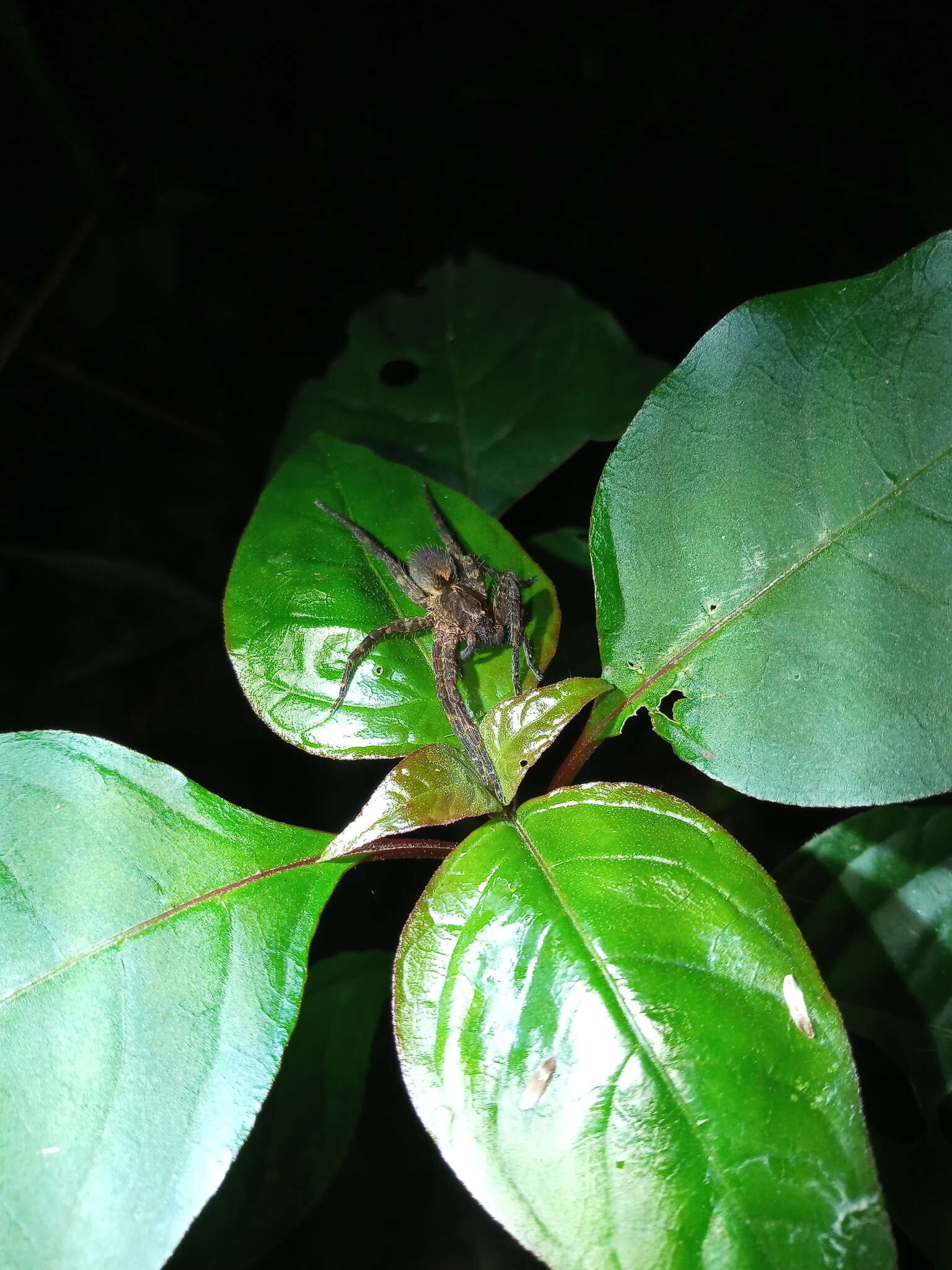
Centroctenus
Centroctenus is a genus of South American wandering spiders (family Ctenidae) first described by Cândido Firmino de Mello-Leitão in 1929.

Celaetycheus
Celaetycheus is a genus of South American wandering spiders first described by Eugène Simon in 1897.

Enoploctenus
Enoploctenus is a genus of wandering spiders first described by Eugène Simon in 1897.

Africactenus
Africactenus is a genus of mostly African wandering spiders first described by K. H. Hyatt in 1954.
Viracucha
Viracucha is a genus of South American wandering spiders first described by Pekka T. Lehtinen in 1967.
Trogloctenus
Trogloctenus is a genus of wandering spiders first described by R. de Lessert in 1935. it contains only two species: T. briali and T. fagei. Originally placed as a subgenus of Ctenus, it was raised to genus status in 1967.
Caloctenus
Caloctenus is a genus of wandering spiders first described by Eugen von Keyserling in 1877.
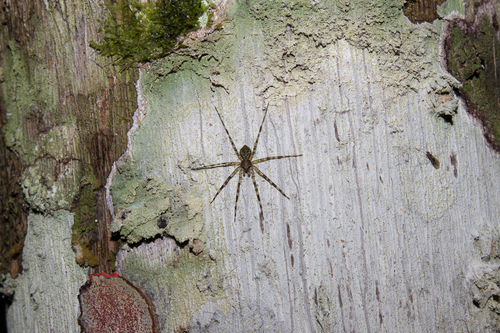
Gephyroctenus
Gephyroctenus is a genus of South American wandering spiders first described by Cândido Firmino de Mello-Leitão in 1936.
Phymatoctenus
Phymatoctenus is a genus of South American and Caribbean wandering spiders first described by Eugène Simon in 1897. it contains only three species in Brazil, Cuba, and Costa Rica: P. comosus, P. sassii, and P. tristani.

Leptoctenus
Leptoctenus is a genus of wandering spiders first described by L. Koch in 1878.
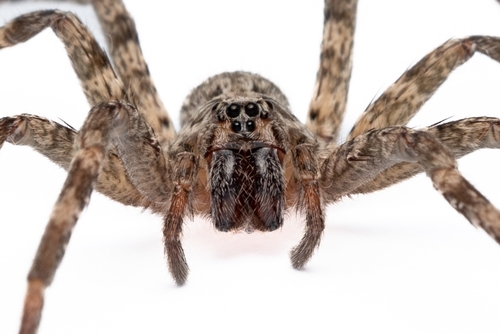
Nothroctenus
Nothroctenus is a genus of South American wandering spiders first described by H. D. Badcock in 1932.
Trujillina
Trujillina is a genus of Caribbean wandering spiders first described by E. B. Bryant in 1948. it contains only three species on Hispaniola and in Puerto Rico: T. hursti, T. isolata, and T. spinipes.
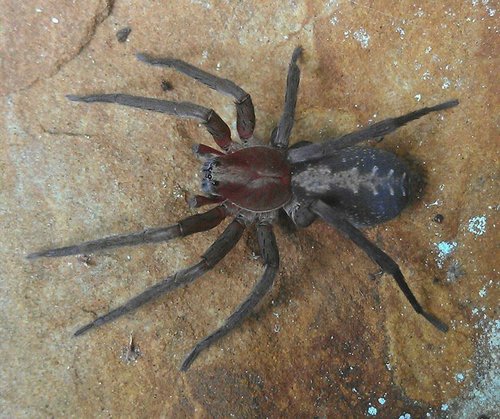
Ctenus exlineae
species of arachnid
Tuticanus
Tuticanus is a genus of South American wandering spiders first described by Eugène Simon in 1897. it contains only two species: T. cruciatus and T. major.
Phoneutria boliviensis
species of arachnid
Ctenus hibernalis
species of arachnid
Ctenus parvoculatus
species of arachnid
Ctenus gulosus
species of arachnid
list of Ctenidae species
Wikimedia list article
Ohvida
Ohvida is a genus of Caribbean wandering spiders first described by D. Polotow & Antônio Brescovit in 2009.
Ctenus vespertilio
species of arachnid
Anahita maolan
species of arachnid
Diallomus speciosus
species of arachnid
Ctenus captiosus
species of arachnid
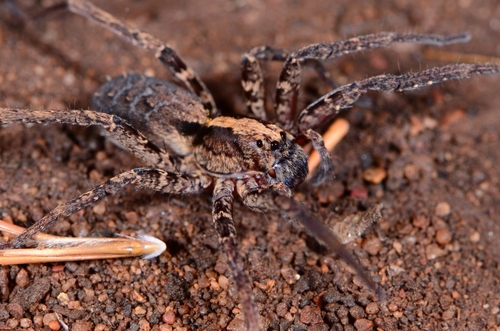
Ctenus transvaalensis
species of arachnid
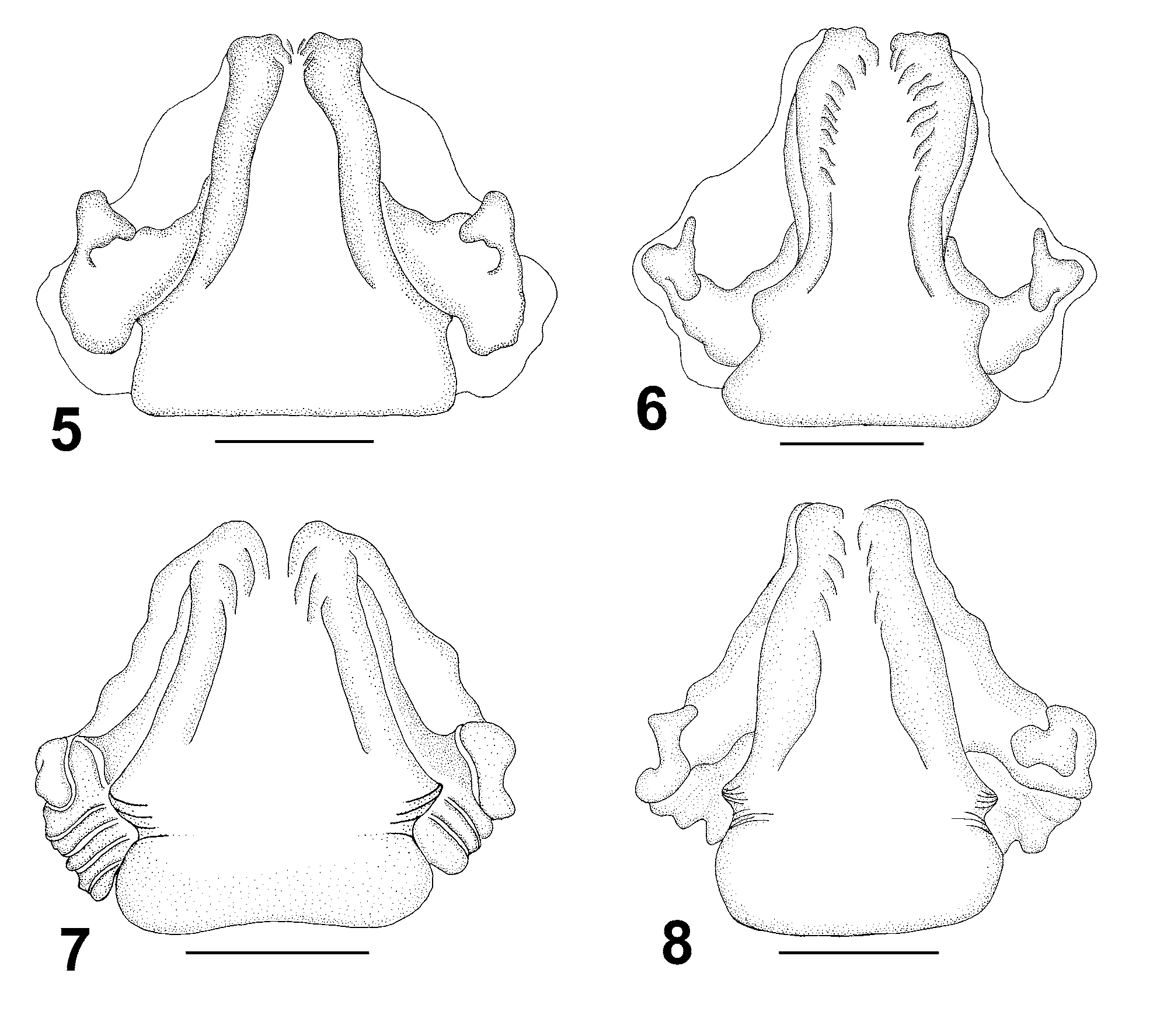
Phoneutria keyserlingi
species of arachnid
Phoneutria eickstedtae
species of arachnid
Ctenus thorelli
species of arachnid
Leptoctenus byrrhus
species of arachnid

Phoneutria bahiensis
species of arachnid
Bowie
genus of spiders
Diallomus fuliginosus
species of arachnid
Ctenus spectabilis
species of arachnid
Phoneutria pertyi
species of arachnid
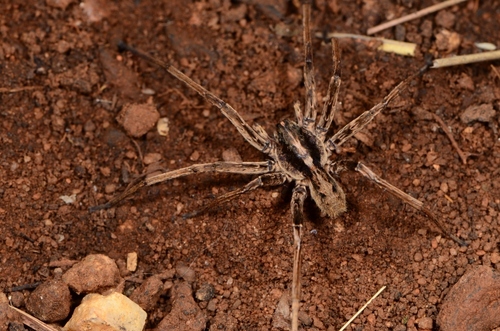
Ctenus caligineus
species of arachnid
Ctenus pulchriventris
species of arachnid
Amauropelma monteithi
species of arachnid
Thoriosa spinivulva
species of arachnid
Janusia
Janusia is a monotypic genus of Australian wandering spiders containing the single species, Janusia muiri. It was first described by Michael R. Gray in 1973, and has only been found in Australia. Originally placed with the Miturgidae, it was moved to the Ctenidae in 1989.
Phoneutria reidyi
species of arachnid
Thoriosa fulvastra
species of arachnid
Toca
genus of arachnids
Africactenus tridentatus
species of arachnid
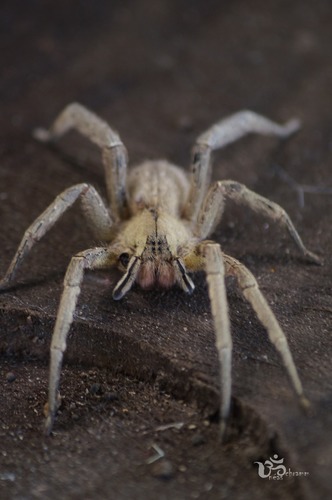
Phoneutria depilata
species of spider
Montescueia
Montescueia is a monotypic genus of South American wandering spiders containing the single species, Montescueia leitaoi. The male was described by R. U. Carcavallo & A. Martínez in 1961, but no female has been described yet. It has only been found in Argentina.
Bengalla
Bengalla is a monotypic genus of Australian wandering spiders containing the single species, Bengalla bertmaini. It was first described by Michael R. Gray & Judith A. Thompson in 2001, and has only been found in Australia. It was originally assigned to the superfamily "Lycosoidea", but not to any actual family. In 2003, it was tentatively moved to the Ctenidae because of its apparent relationship to Janusia, another Australian monotypic genus of wandering spiders.
Wiedenmeyeria
Wiedenmeyeria is a monotypic genus of South American wandering spiders containing the single species, Wiedenmeyeria falconensis. It was first described by E. Schenkel in 1953, and has only been found in Venezuela.