Category
page 1Currency symbols

yen
official currency of Japan

renminbi
The renminbi (; ; symbol: ¥; ISO code: CNY; abbreviation: RMB) is the official currency of China. The renminbi is issued by the People's Bank of China, the monetary authority of China. It is the world's fifth-most-traded currency as of April 2025. The Chinese yuan () is the basic unit of the renminbi.
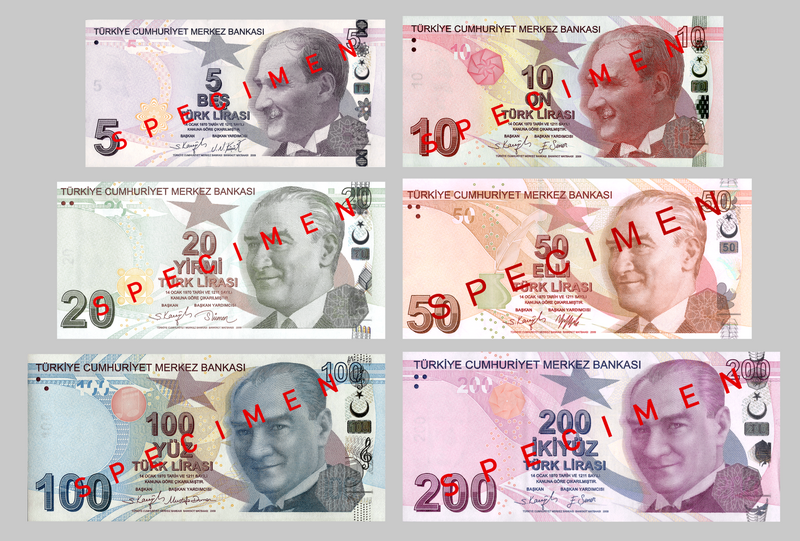
Turkish lira
currency of Turkey

hryvnia
currency of Ukraine

złoty
currency of Poland

Canadian dollar
currency of Canada

forint
currency of Hungary

rupee
thumb|
Rupee (, ) is the common name for the currencies of India, Mauritius, Nepal, Pakistan, Seychelles, and Sri Lanka, and of former currencies of Afghanistan, Bahrain, Kuwait, Oman, the United Arab Emirates (as the Gulf rupee), British East Africa, Burma, German East Africa (as Rupie/Rupien), and Tibet. In Indonesia and the Maldives, the unit of currency is known as rupiah and rufiyaa respectively, cognates of the word rupee.

rupiah
official currency of Indonesia

baht
official currency of Thailand

Kazakhstani tenge
currency of Kazakhstan

Iranian rial
currency of Iran

Brazilian real
Brazilian currency since 1994

Georgian lari
currency of Georgia

rand
official currency of South Africa

Czech koruna
currency of the Czech Republic

Deutsche Mark
official currency of West Germany and later Germany from 1948 to 2002

Serbian dinar
Serbian currency

Macedonian denar
currency of North Macedonia

Mongolian tögrög
currency of Mongolia

Malaysian ringgit
official currency of Malaysia

Philippine peso
official currency of the Philippines

peseta
former currency of Spain

Lao kip
currency of Laos since 1952

Vietnamese đồng
official currency of Vietnam

naira
currency of the Federal Republic of Nigeria
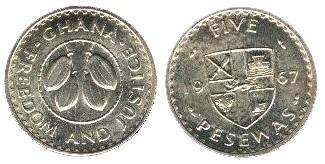
Ghana cedi
currency of Ghana

modern Greek drachma
former currency of Greece (1833 ... 2002)

Botswana pula
official currency of Botswana
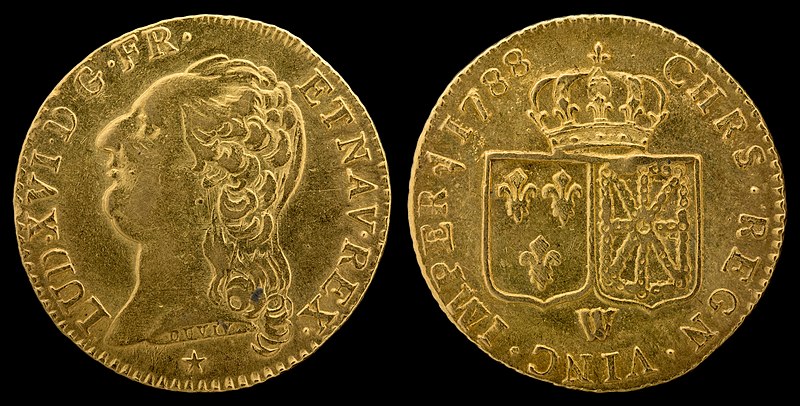
French franc
former currency of France

Slovak koruna
currency of Slovakia, 1993–2008
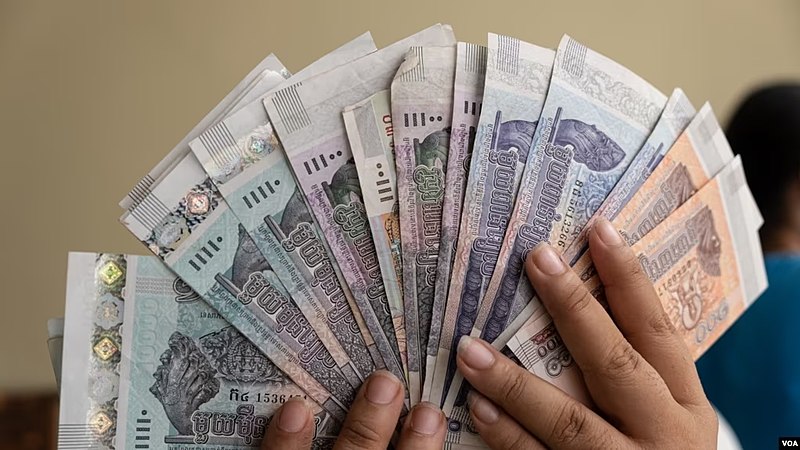
riel
currency of Cambodia
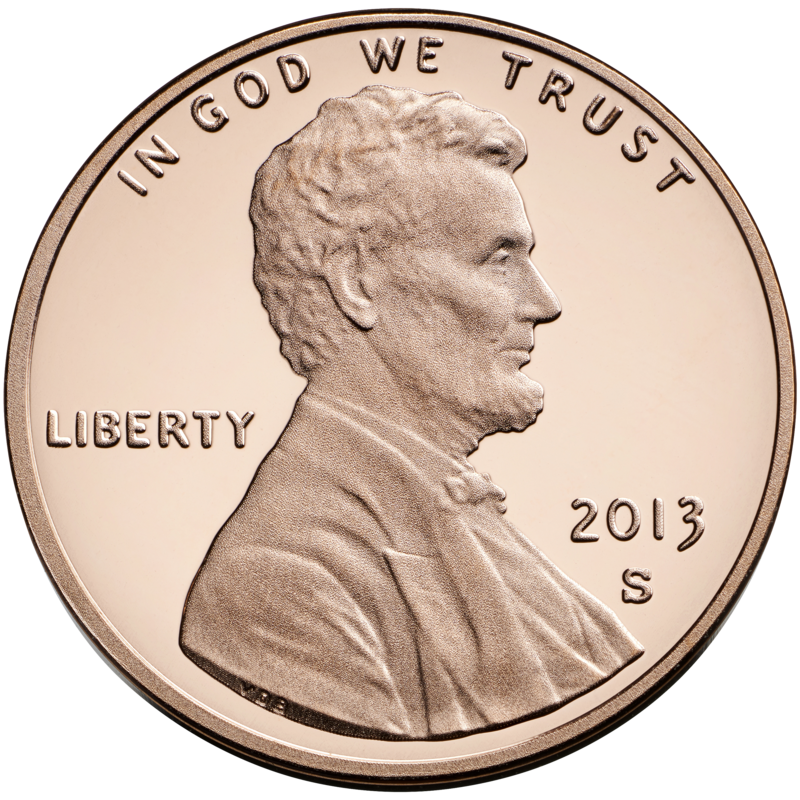
cent
monetary unit in many national currencies

Nuevo sol
currency of Peru

peso
thumb|right|300px|
The peso is the monetary unit of several Spanish-speaking countries in Latin America, as well as the Philippines. Originating in the Spanish Empire, the word translates to "weight". In most countries of the Americas, the symbol commonly known as dollar sign, "$", was originally used as an abbreviation of "pesos" and later adopted by the dollar. The dollar itself actually originated from the peso or Spanish dollar in the late 18th century. The sign "₱" is used in the Philippines.

Paraguayan guaraní
currency

Honduran lempira
currency of Honduras

Panamanian balboa
currency

quetzal
currency of Guatemala

Nicaraguan córdoba
currency of Nicaragua
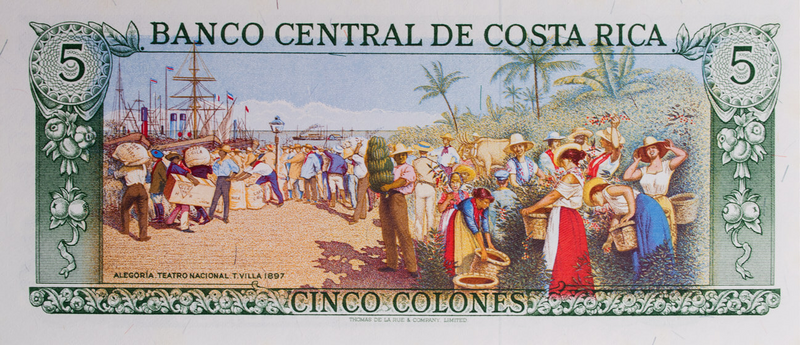
Costa Rican colón
currency of Costa Rica

currency sign
symbol used to represent a currency

Maltese lira
Currency of Malta from 1972 until 2008
euro sign
currency sign of the euro

European Currency Unit
basket of the currencies of the European Community member states, used as the unit of account of the EC before being replaced by the euro
dollar sign
monetary symbol used in many national currencies
list of circulating currencies
Wikimedia list article
Czechoslovak koruna
currency in 1953–1993

pfennig
thumb|right|[[Kingdom of Prussia|Prussia: 1 pfenning 1852. The obverse reads: 360 [make up] one thaler.]]
thumb|right|German Empire: 10 pfennig iron coin 1917
German mark
German currency from 1871–1923
rupee sign
currency symbol of the Indian rupee
£
pound sign (U+00A3), pound sterling, Irish punt, lira, etc.; not to be confused with the unit of weight; glyph may have one or two crossbars, in distinction from ₤ (U+20A4)
¥
currency sign (U+00A5) used by the Japanese yen (JPY), or informally by Chinese yuan (CNY): a capital Y with two horizontal strokes (or sometimes just one for the yuan)
manat sign
currency sign of the Azerbaijani manat
Korean won
Official currency of the Korean Empire from 1902 to 1910

spesmilo
The spesmilo (, plural spesmiloj ) is an obsolete decimal international currency, proposed in 1907 by René de Saussure and used before World War I by a few British and Swiss banks, primarily the Ĉekbanko Esperantista.
generic currency sign
currency sign used for unspecified currency
Peruvian inti
currency of Peru between 1985 and 1991

Peercoin
Peercoin, also known as Peer-to-Peer Coin, PP Coin, or PPC, is a cryptocurrency utilizing both proof-of-stake and proof-of-work systems. It is notable as the first cryptocurrency to implement the proof-of-stake consensus mechanism.
Brazilian cruzeiro
currency of Brazil from 1942 to 1967, from 1970 to 1986 and from 1990 to 1993