Category
page 1Deified Japanese men
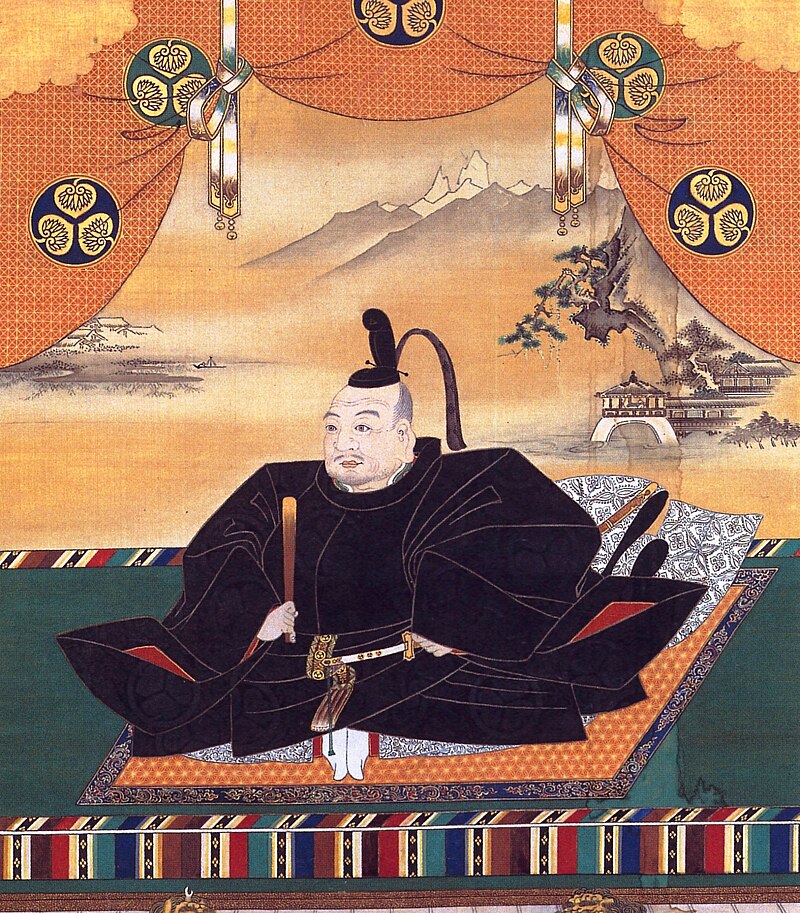
Tokugawa Ieyasu
founder and first shogun of the Tokugawa shogunate of Japan (1543–1616)
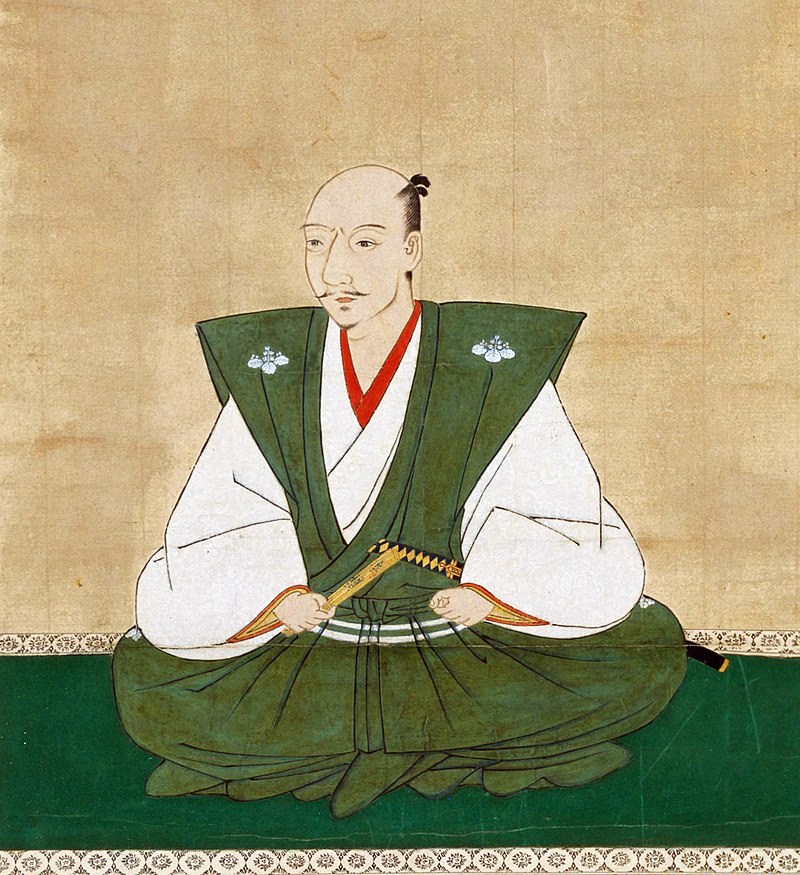
Oda Nobunaga
Japanese samurai and warlord (1534–1582)

Toyotomi Hideyoshi
Japanese samurai and daimyo (1537–1598)
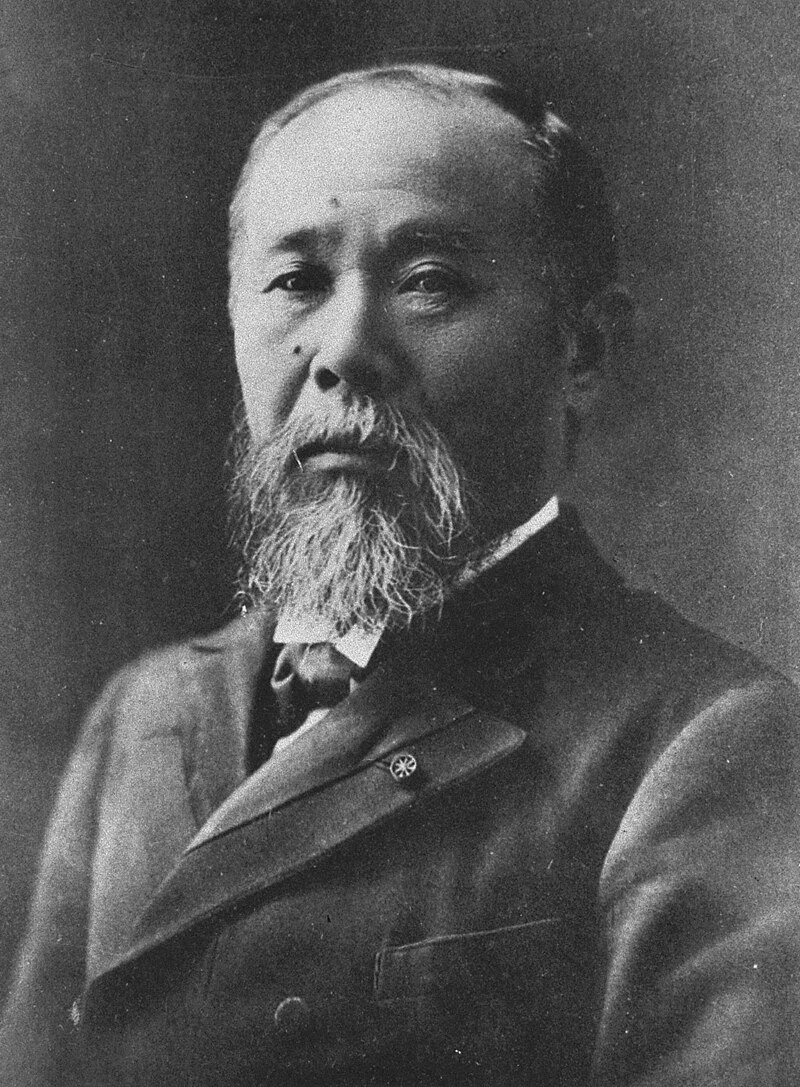
Itō Hirobumi
1st, 5th, 7th and 10th Prime Minister of Japan (1841–1909)

Saigō Takamori
samurai of the Satsuma domain, supreme commander of Japanese army, one of the three great nobles who led the Meiji Restoration (1828-1877)

Tōgō Heihachirō
Japanese admiral of the fleet (1848–1934)

Minamoto no Yoritomo
1st shogun of the Kamakura shogunate (1147–1199)

Kūkai
, born posthumously called , was a Japanese Buddhist monk, calligrapher, and poet who founded the esoteric Shingon school of Buddhism. He travelled to China, where he studied Tangmi (Chinese Vajrayana Buddhism) under the monk Huiguo. Upon returning to Japan, he founded Shingon—the Japanese branch of Vajrayana Buddhism. With the blessing of several Emperors, Kūkai was able to preach Shingon teachings and found Shingon temples. Like other influential monks, Kūkai oversaw public works and constructions. Mount Kōya was chosen by him as a holy site, and he spent his later years there until his deat

Koxinga
Zheng Chenggong (; 27 August 1624 – 23 June 1662), born Zheng Sen () and better known internationally by his honorific title Koxinga (), was a Southern Ming general who resisted the Qing conquest of China in the 17th century and expelled the Dutch from Taiwan, founding the Kingdom of Tungning.
Ōkubo Toshimichi
one of the three great nobles who led the Meiji Restoration, regarded as one of the main founders of modern Japan (1830-1878)

Prince Shōtoku
semi-legendary Japanese prince (574–622)

Saionji Kinmochi
Japanese politician (1849-1940)

Date Masamune
daimyo of the Sengoku period to early-Edo period; 1st lord of Sendai
Uesugi Kenshin
Japanese daimyo

Minamoto no Yoshitsune
samurai of the late Heian and early Kamakura period
Fujiwara no Teika
poet and court noble (1162–1241)
Sugawara no Michizane
Japanese poet

Kakinomoto no Hitomaro
Japanese poet
Taira no Kiyomori
Japanese samurai (1118–1181)
Ki no Tsurayuki
Japanese writer
Ashikaga Takauji
first shōgun of the Ashikaga shogunate of Japan (1305–1358)

Katō Kiyomasa
16th-century Japanese daimyo (1562-1611)

Nogi Maresuke
Japanese general (1849-1912)
Yoshida Shōin
Japanese politician (1830-1859)

Kido Takayoshi
Japanese samurai of the Mito Domain and one of the three great nobles who led the Meiji Restoration (1833-1877)
Sanjō Sanetomi
Japanese politician (1837-1891)

Minamoto no Sanetomo
3rd shogun of Kamakura shogunate and poet
Kusunoki Masashige
samurai
Ōtomo no Yakamochi
Japanese statesman and poet of the Nara period
Minamoto no Yoshinaka
12th century samurai
Mōri Motonari
a prominent daimyō in the west Chūgoku region of Japan during the Sengoku period of the 16th century
Fujiwara no Kamatari
Japanese noble (614-669)
Yamato Takeru
Japanese prince
Ariwara no Narihira
Japanese writer, courtier and waka poet
Ō no Yasumaro
Japanese noble
Maeda Toshiie
general of Oda Nobunaga following the Sengoku period
Yamabe no Akahito
Japanese poet
Mōri Terumoto
daimyo
Sakanoue no Tamuramaro
General and shogun
Abe no Seimei
Japanese onmyōji
Takasugi Shinsaku
samurai (1839-1867)
Shimazu Yoshihiro
[島津義弘] samurai of the Sengoku period
Honda Tadakatsu
daimyo (1548-1610)
Yasuhito, Prince Chichibu
Japanese prince (1902-1953)
Moriyoshi-shinnō
Japanese prince in the Nanbokucho period
Minamoto no Yoshitomo
samurai of the late Heian period; the head of the Minamoto clan
Matsudaira Sadanobu
[松平定信] Daimyo and Roju (1759-1829)
Matsudaira Katamori
daimyo of the late Edo period; 9th lord of Aizu (1836-1893)
Sakuma Shōzan
Japanese politician (1811-1864)
Uesugi Harunori
9th head of the Yonezawa domain
Uesugi Kagekatsu
daimyo during the Sengoku and Edo periods
Taira no Masakado
samurai who led one of the largest insurgent forces in the Heian period against the central government in Kyoto
Minamoto no Yoshiie
Minamoto clan samurai of the late Heian period
Hieda no Are
Compliled the Japanese text Kojiki in 712

Inō Tadataka
Japanese surveyor and cartographer (1745-1818)
Tokugawa Mitsukuni
daimyo of the early Edo period; 2nd lord of Mito (1628-1701)
Minamoto no Yorimasa
Japanese court noble, samurai and poet
Saigō Tsugumichi
Japanese politician and admiral (1843-1902)
Mori Ranmaru
Japanese samurai
Hirata Atsutane
conventionally ranked as one of the four great men of kokugaku studies, and one of the most significant theologians of the Shintō religion