Category
page 8Dioecious plants

Parartocarpus
Parartocarpus is a genus of South-East Asian trees in the family Moraceae. It is dioecious, with male and female flowers borne on separate plants.

Dendromyza
Dendromyza is a genus of flowering plants belonging to the family Santalaceae. They are dioecious stem-parasitic shrubs.

Buddleja utahensis
species of plant

Eleiodoxa
Eleiodoxa is a monotypic genus of flowering plant in the palm family found in Southeast Asia. The only species, Eleiodoxa conferta, is a dioecious, swamp-dwelling plant, commonly called by Malay as asam kelubi or asam paya. While five species names have been published, the other four are usually recognized as synonyms of the lectotype E. conferta. The genus is named from two Greek words meaning "water" and "glory" and the species name is Latin for "congested", an allusion to the flower spike.

Croton wigginsii
species of plant

Galium nuttallii
species of plant
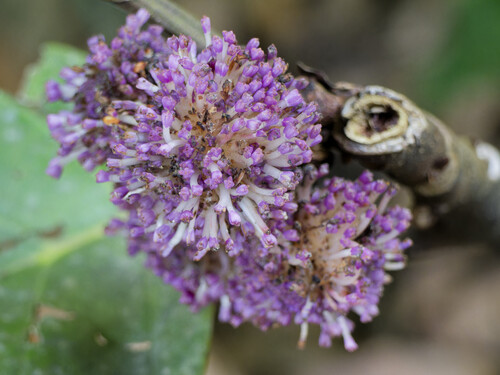
Poikilospermum
Poikilospermum is a genus of shrubs or tall woody climbers, consisting of at least 33 accepted species. The plants are found from India and China (Yunnan), the Sino-Himalayan region to Sulawesi and Jawa in Indonesia. Some of the plants are used by people.
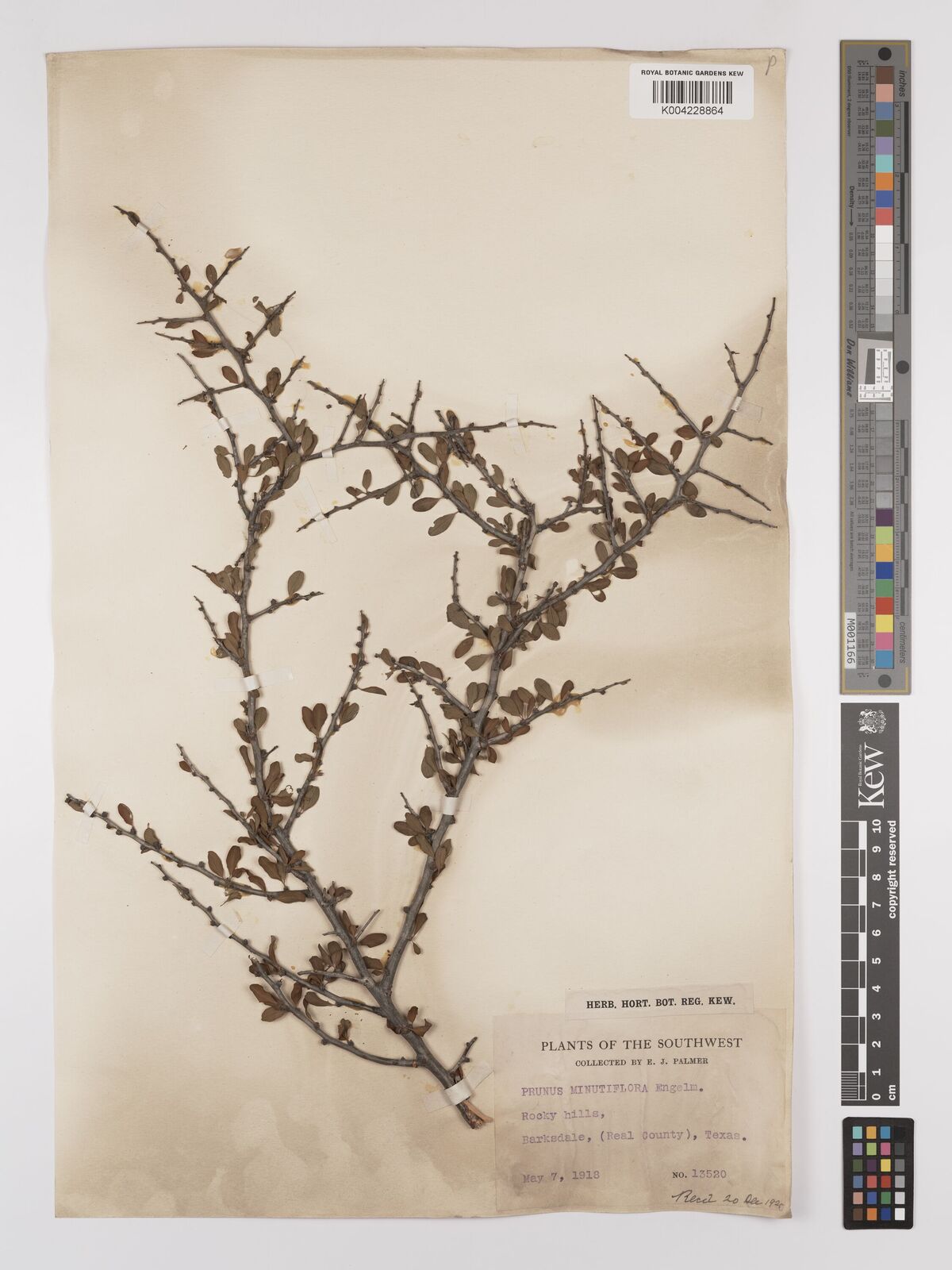
Prunus minutiflora
species of plant
Poa fendleriana
species of plant
Poa arachnifera
species of plant

Buddleja araucana
species of plant

Kiggelaria
Kiggelaria africana (also known as the wild peach or umKokoko) is a large, robust, low-branching African tree, and is currently the only accepted species in the genus Kiggelaria.
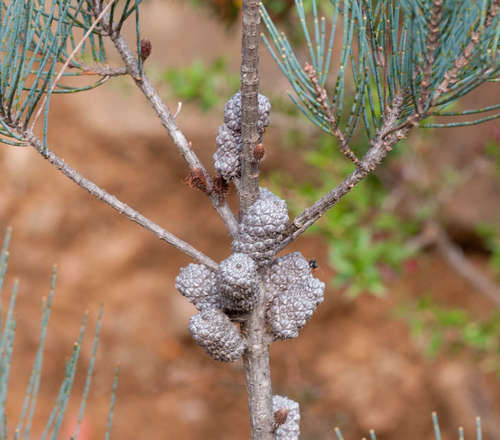
Allocasuarina grampiana
species of plant

Galium grayanum
species of plant
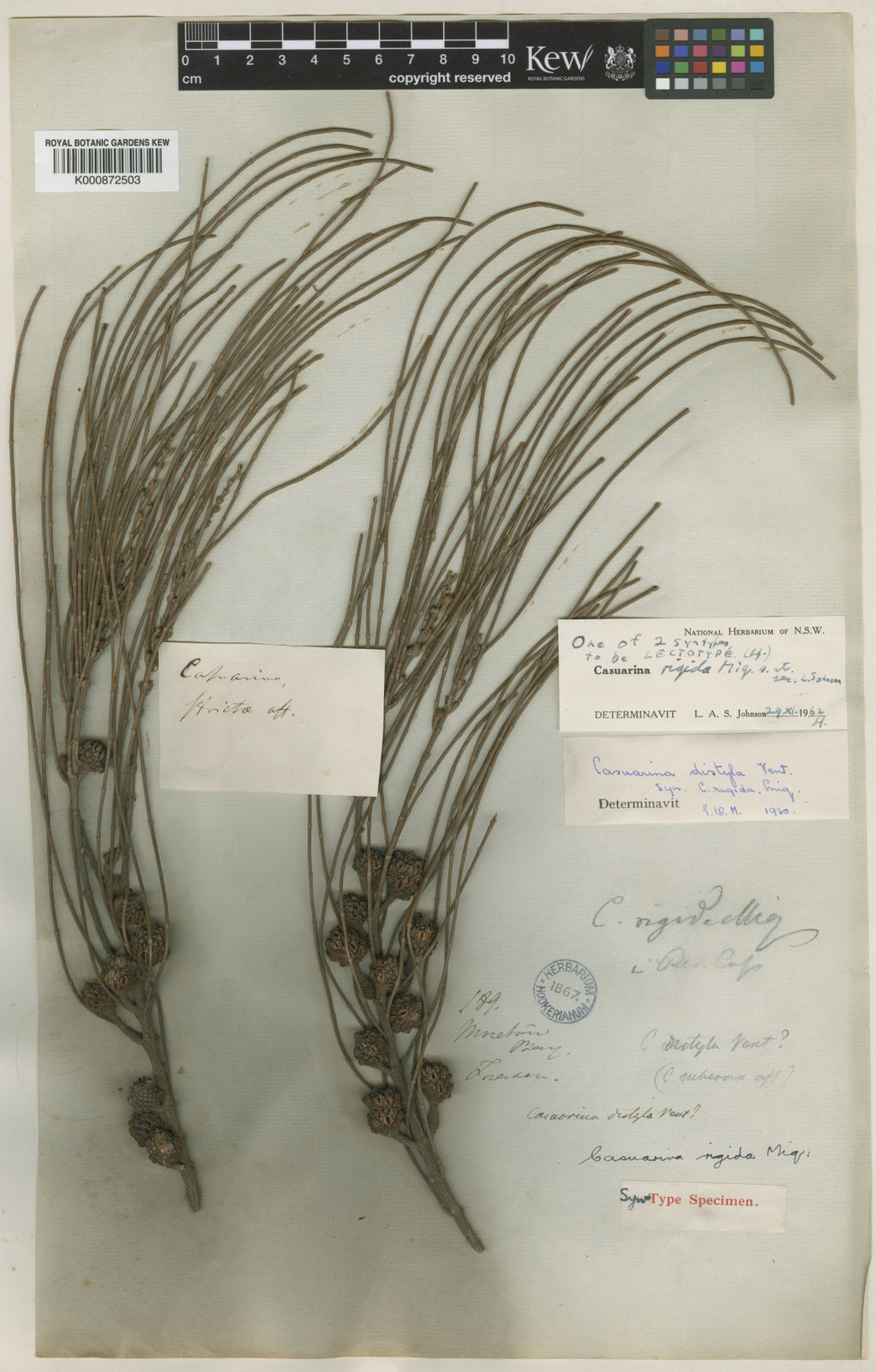
Allocasuarina rigida
species of plant
Allocasuarina simulans
species of plant
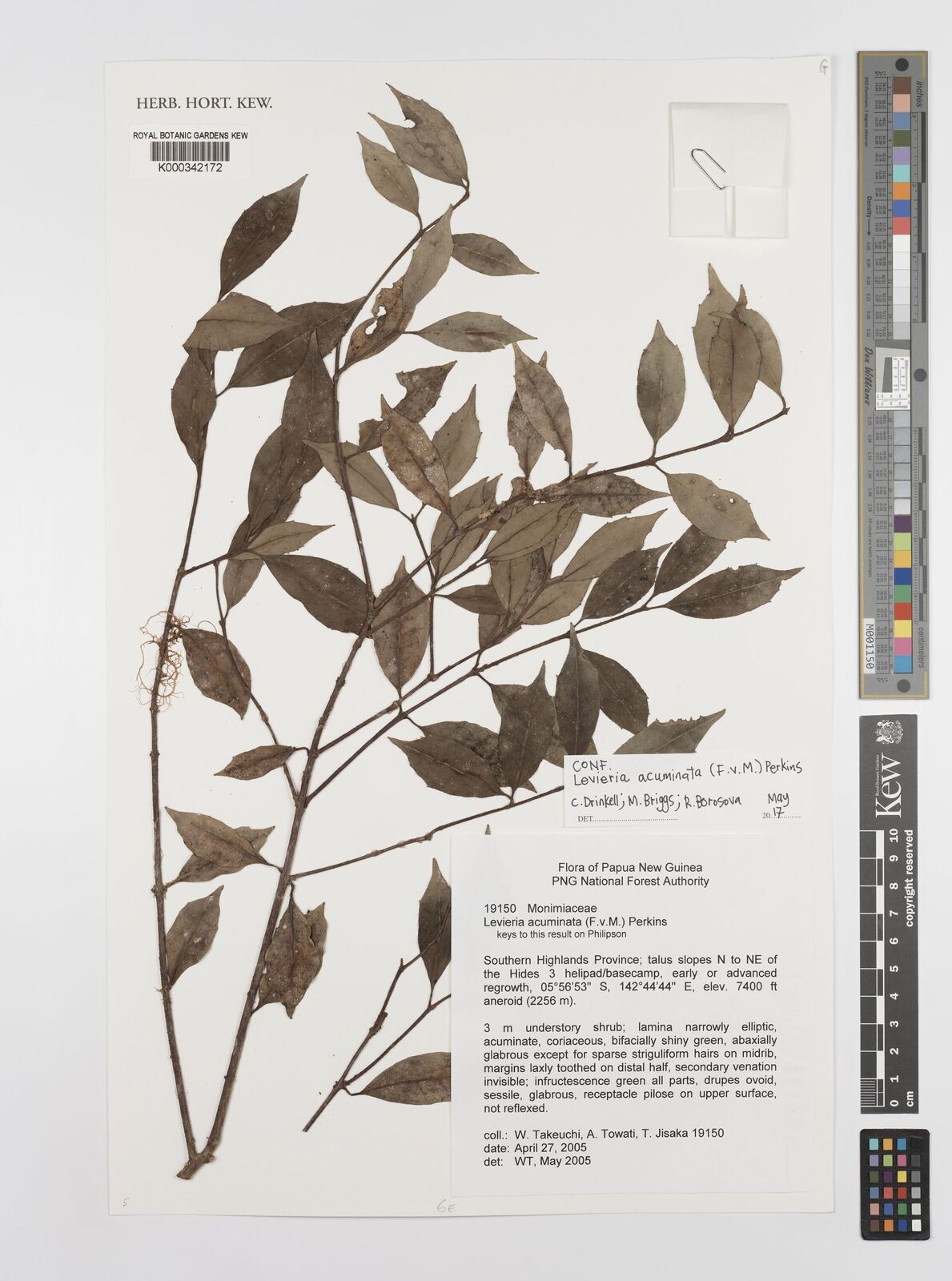
Levieria
Levieria is a genus of flowering plants belonging to the family Monimiaceae. They are dioecious trees or shrubs.
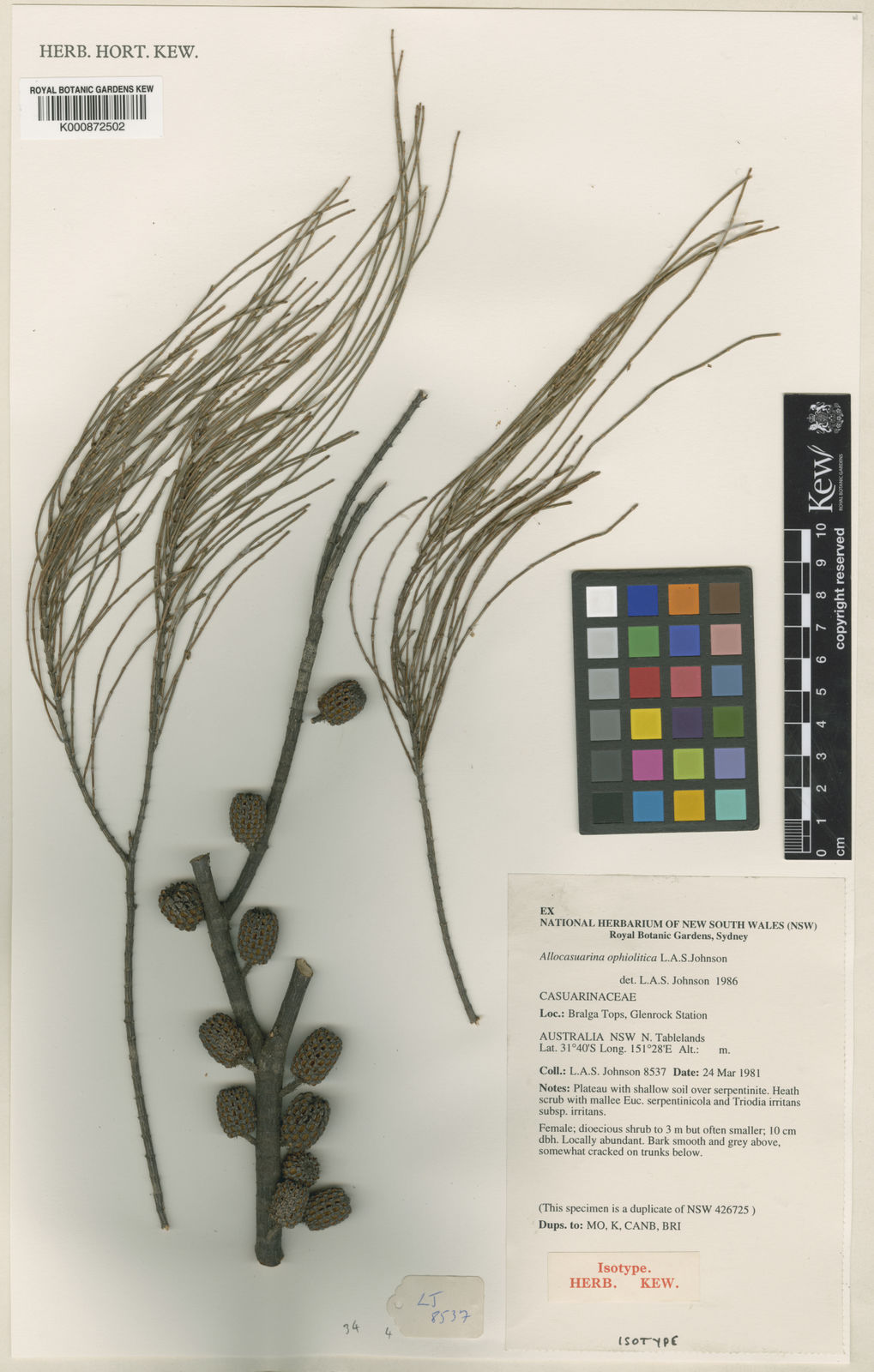
Allocasuarina ophiolitica
species of plant
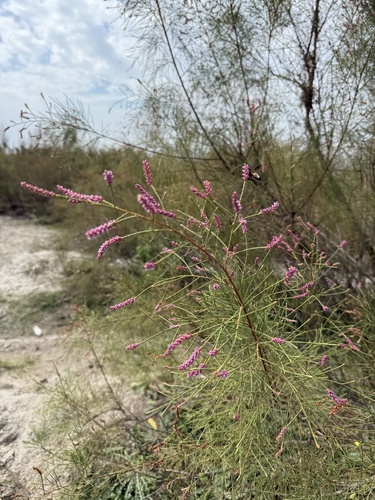
Tamarix dioica
species of plant
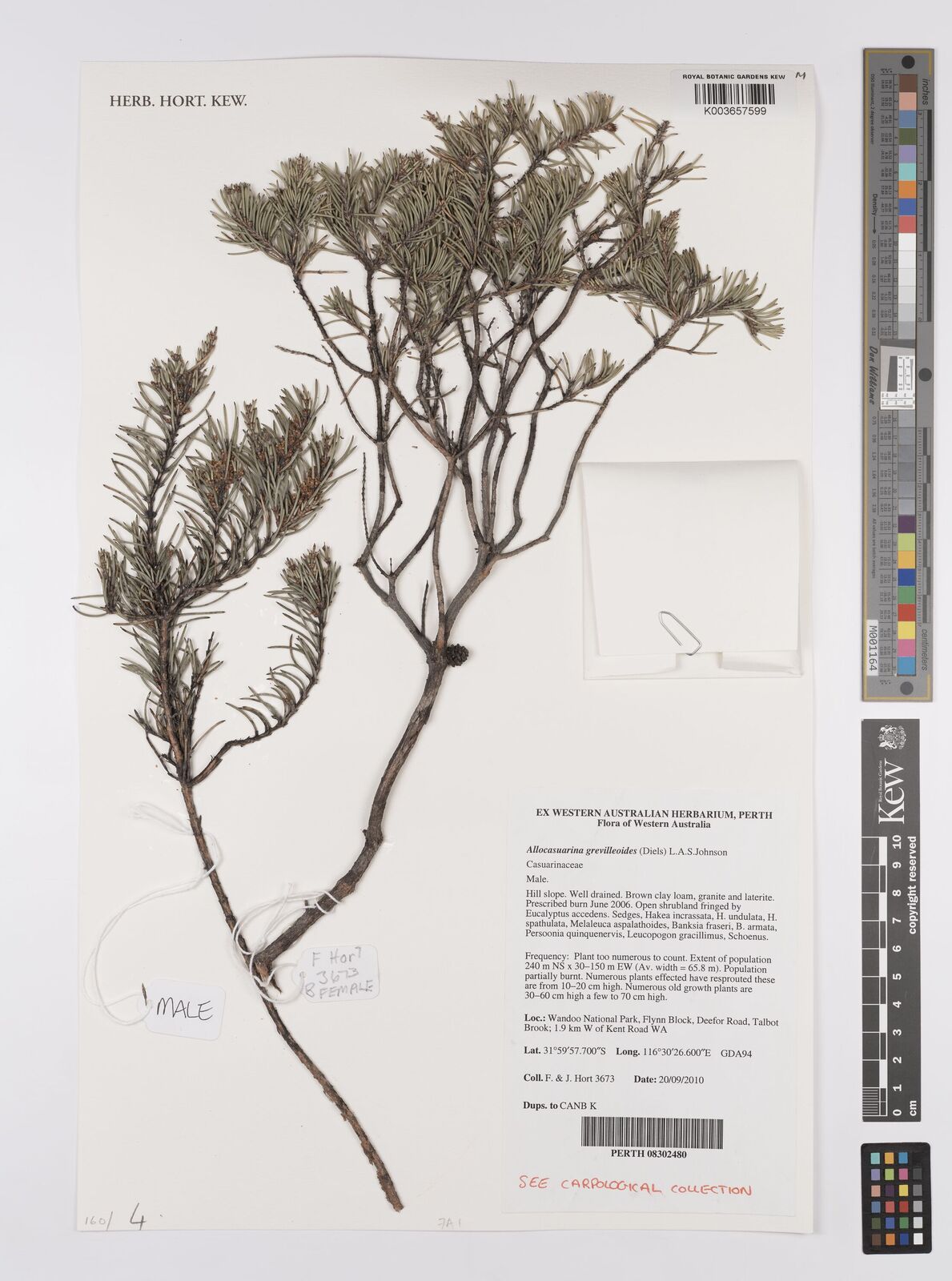
Allocasuarina grevilleoides
species of plant
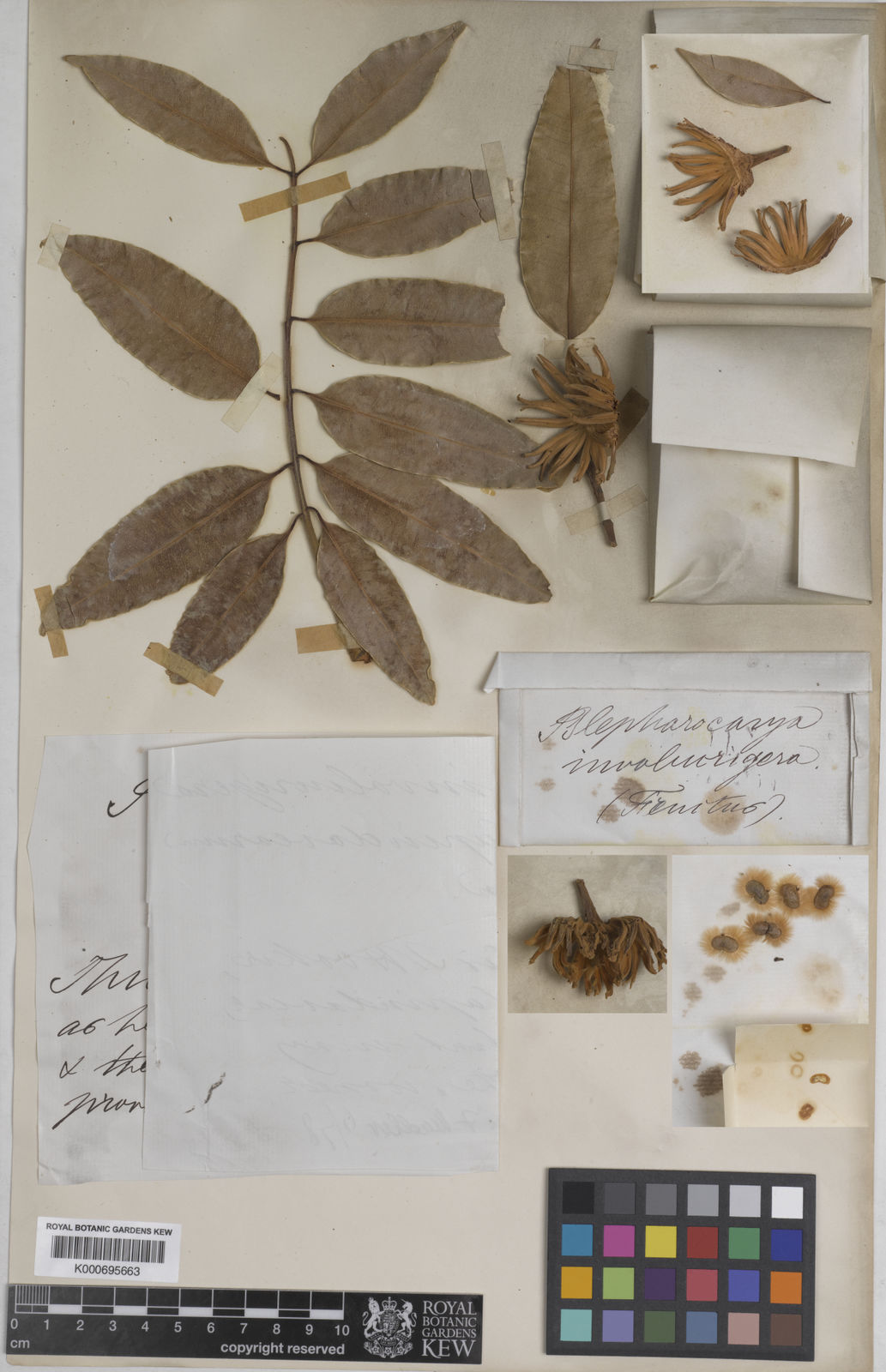
Blepharocarya
Blepharocarya is a genus of trees from northern Australia, in the family Anacardiaceae. They are dioecious trees with opposite leaves, a trait rather unusual within the Anacardiaceae.

Allocasuarina rupicola
species of plant
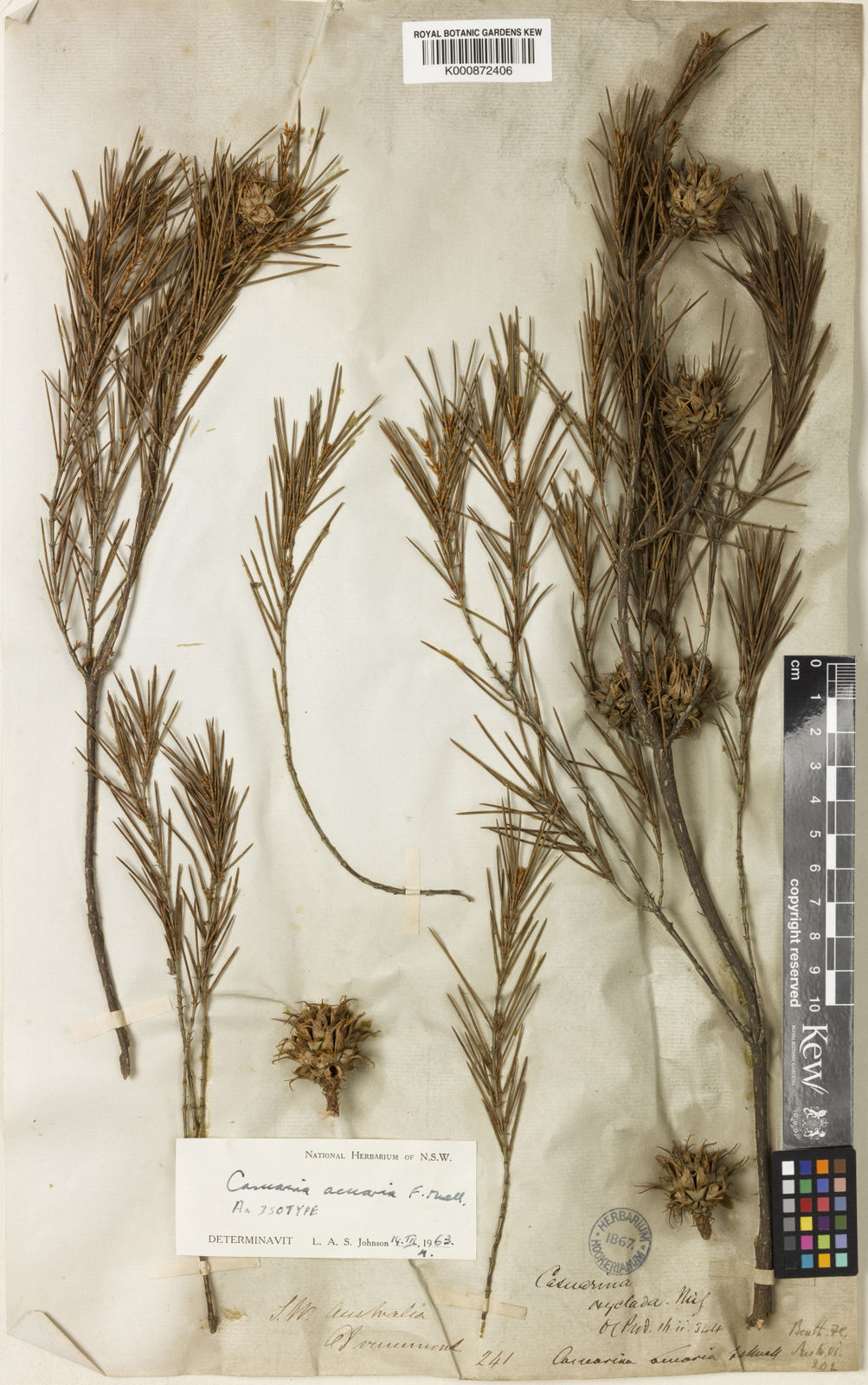
Allocasuarina acuaria
species of plant

Jatropha dioica
species of plant
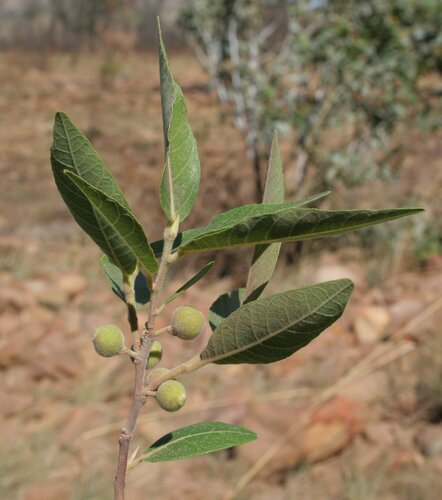
Ficus coronulata
species of plant

Allocasuarina corniculata
species of plant
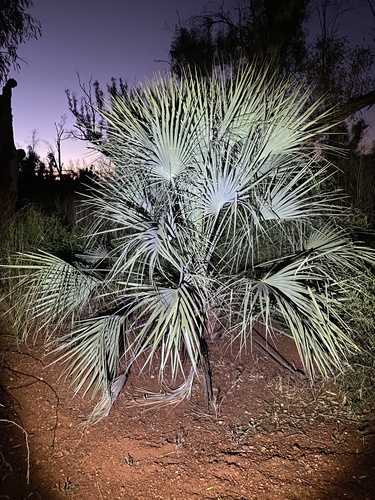
Livistona alfredii
species of plant

Allocasuarina microstachya
species of plant
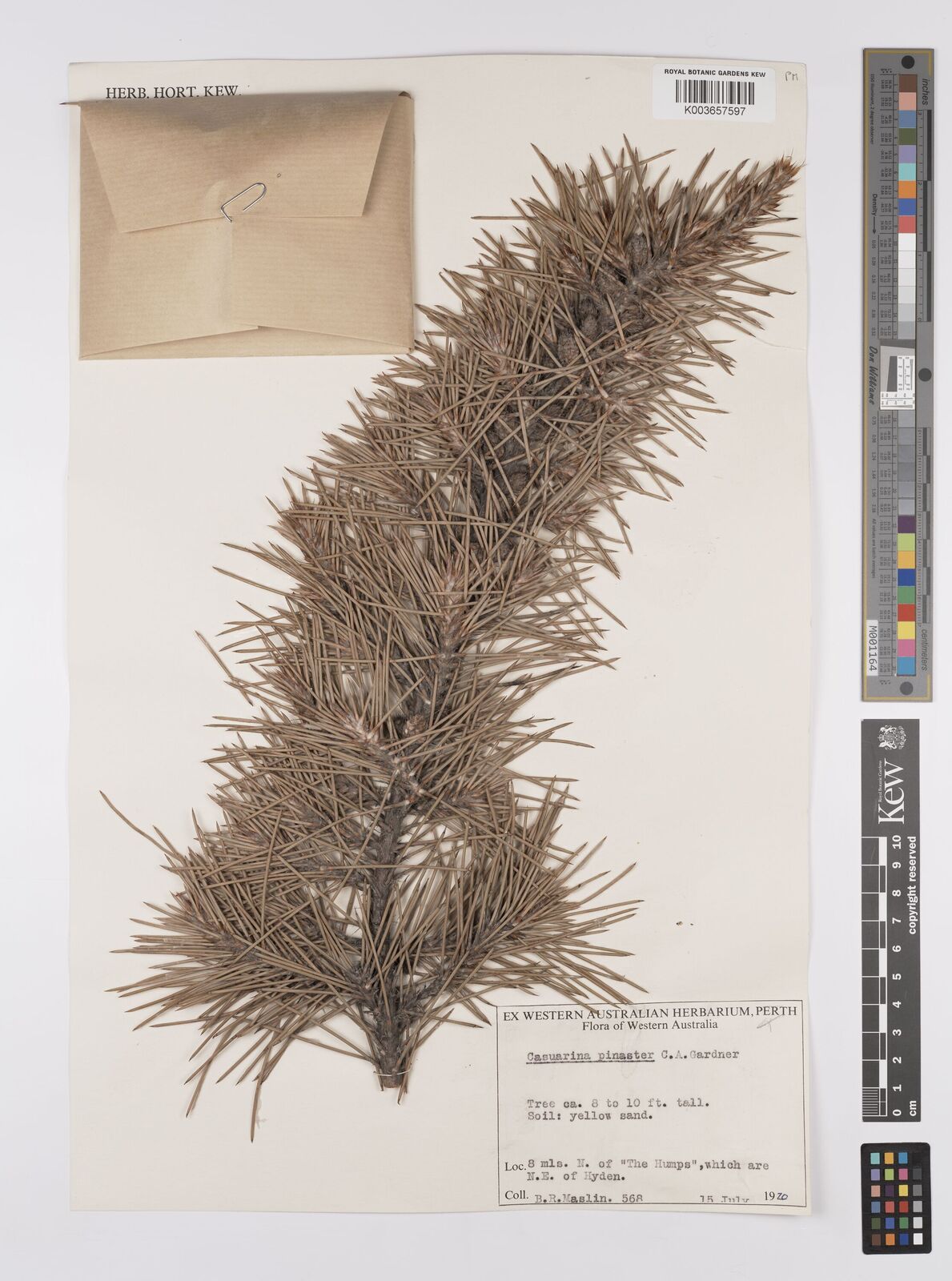
Allocasuarina pinaster
species of plant

Buddleja diffusa
species of plant
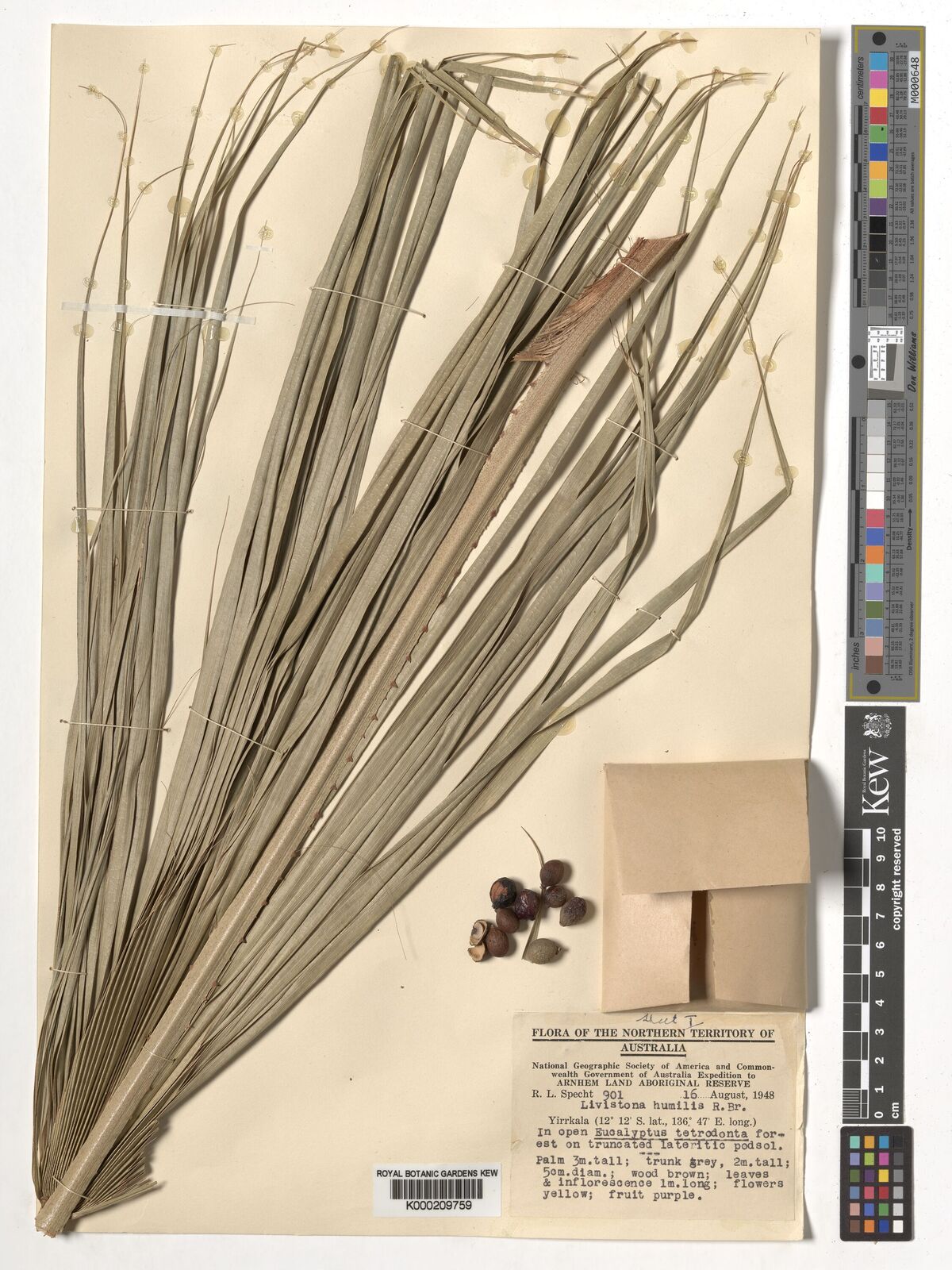
Livistona humilis
species of plant
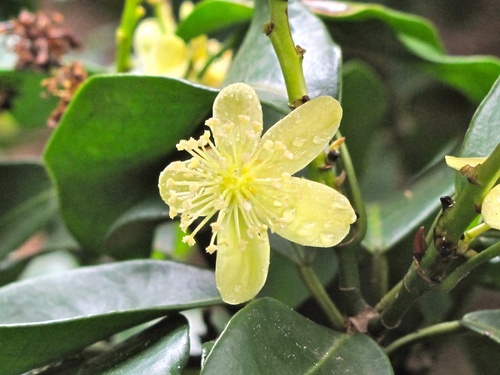
Grossera
Grossera is a plant genus of the family Euphorbiaceae first described as a genus in 1903. It is native to Madagascar and to mainland tropical Africa. It is dioecious.
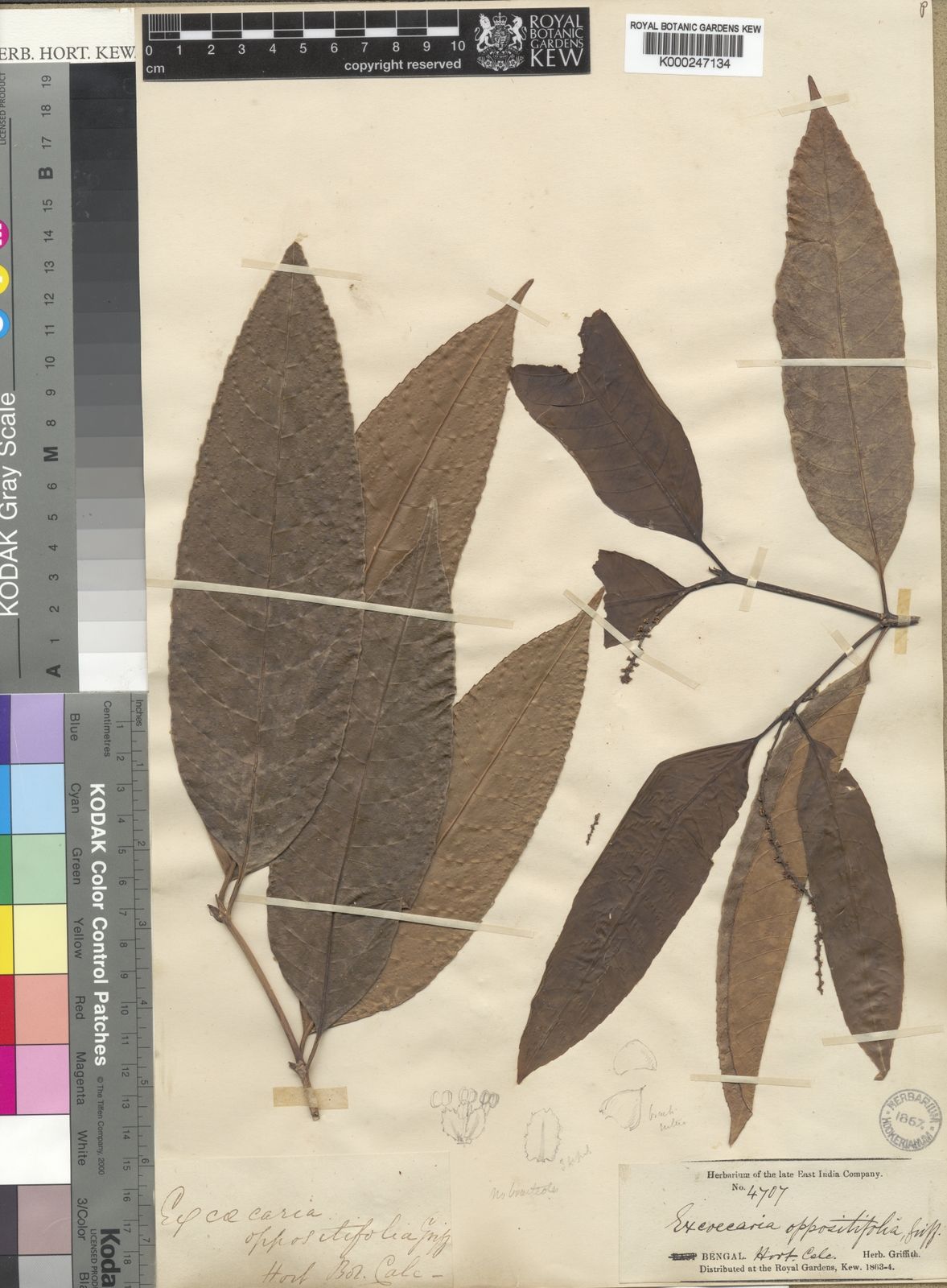
Excoecaria oppositifolia
species of plant
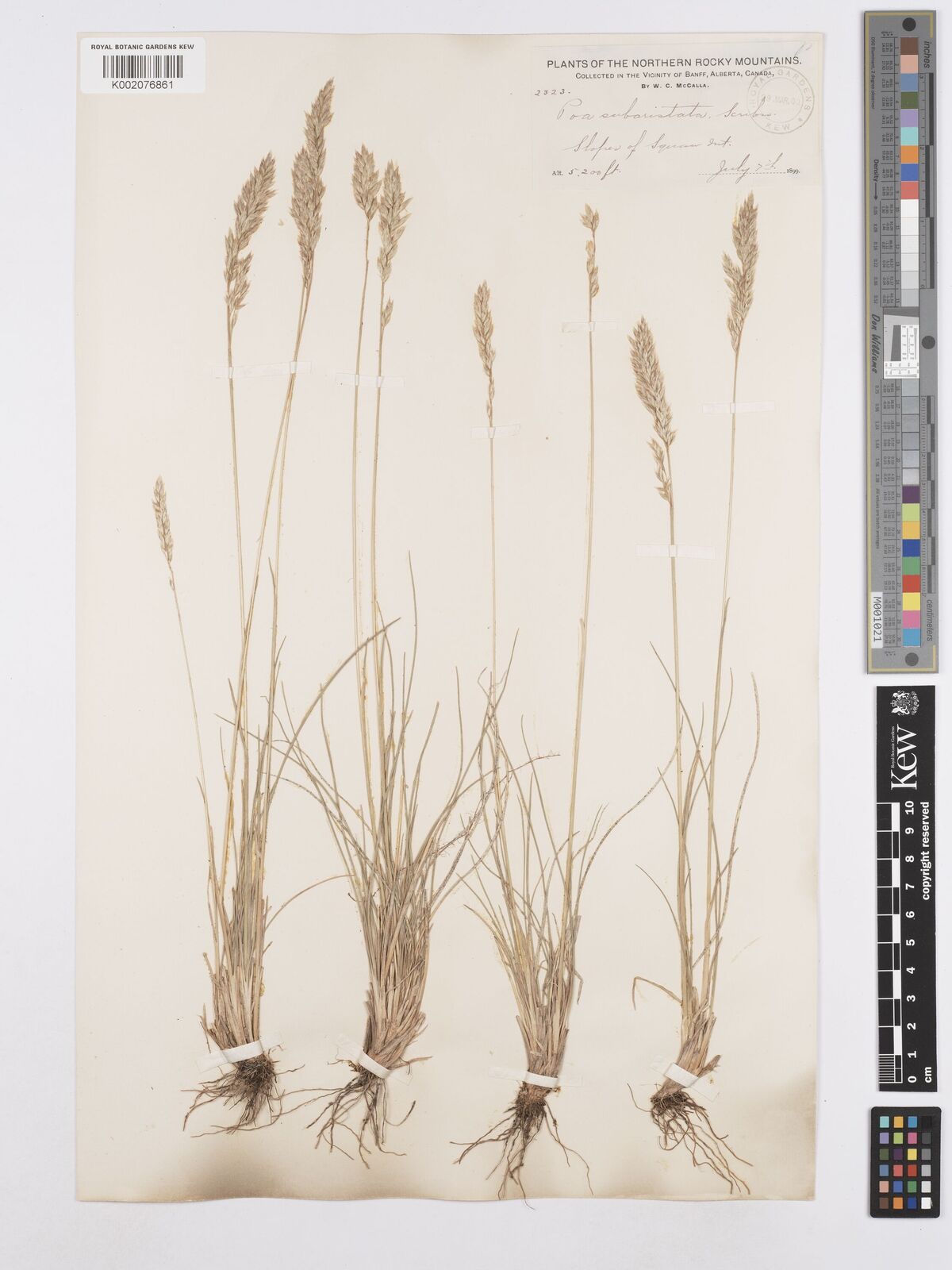
Poa cusickii
species of plant
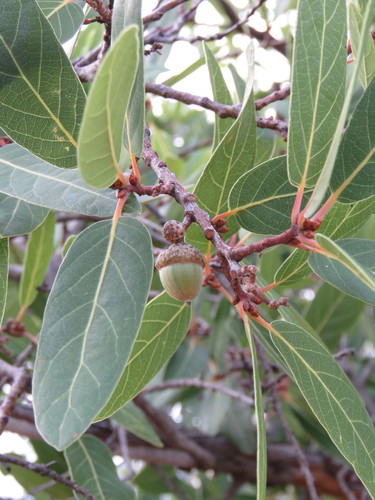
Prainea
Prainea is a genus of trees in the plant family Moraceae. It is sometimes treated as a subgenus of Artocarpus. In fact, in Plants of the World Online, two species, native to Peninsular Thailand, Peninsular Malaysia, Sumatra, Borneo, the Maluku Islands, New Guinea and the Solomon Islands, that were classified in genus Praineain Plants of the World Online are transferred to Artocarpus. They are classified in subgenus Prainea which is distinct from other Artocarpus subgenera mainly due to its dioecious nature.
==Species==
Two species were accepted.
Artocarpus limpato [syn. Prainea limpato ] – Sum
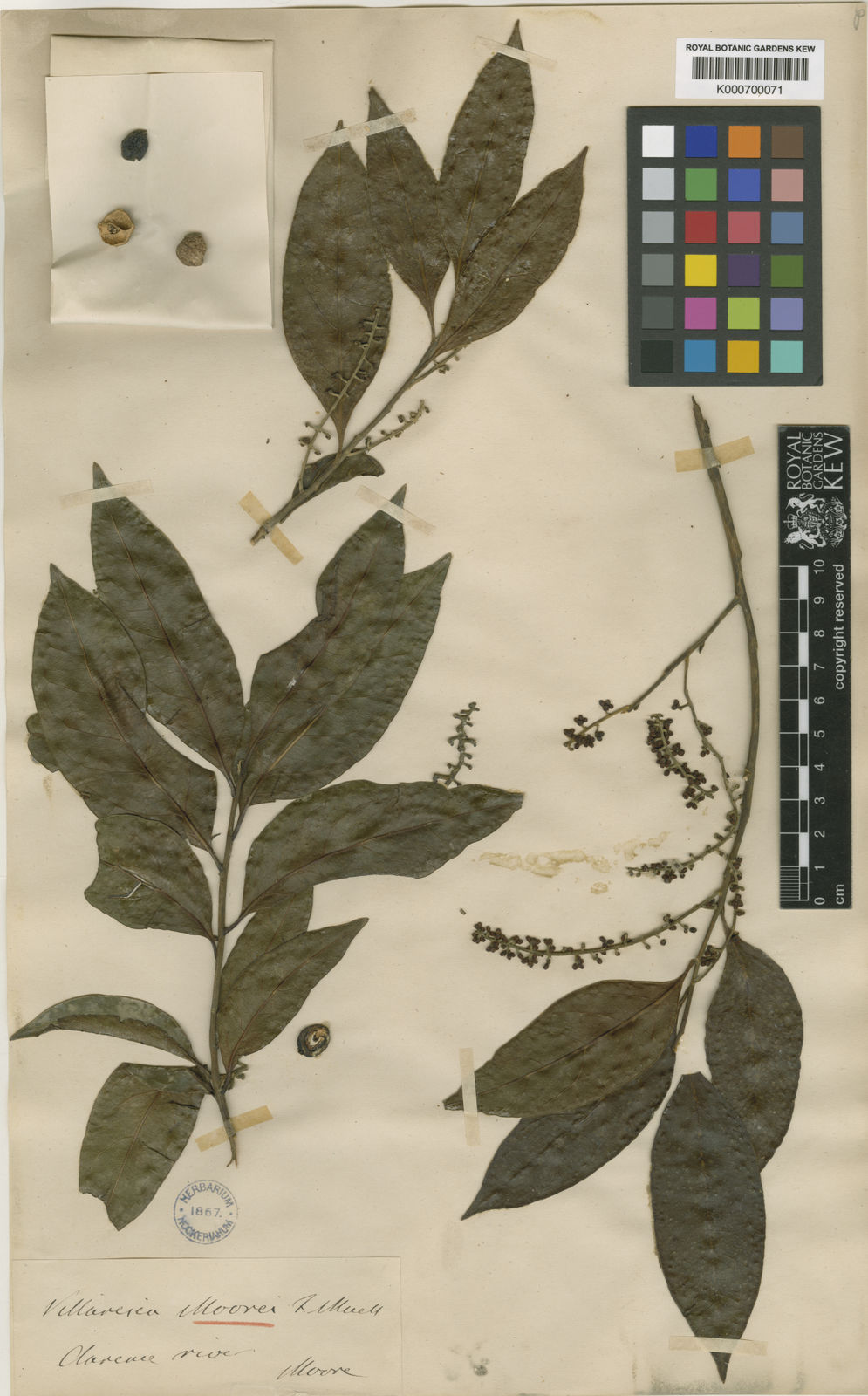
Citronella moorei
species of plant

Allocasuarina scleroclada
species of plant
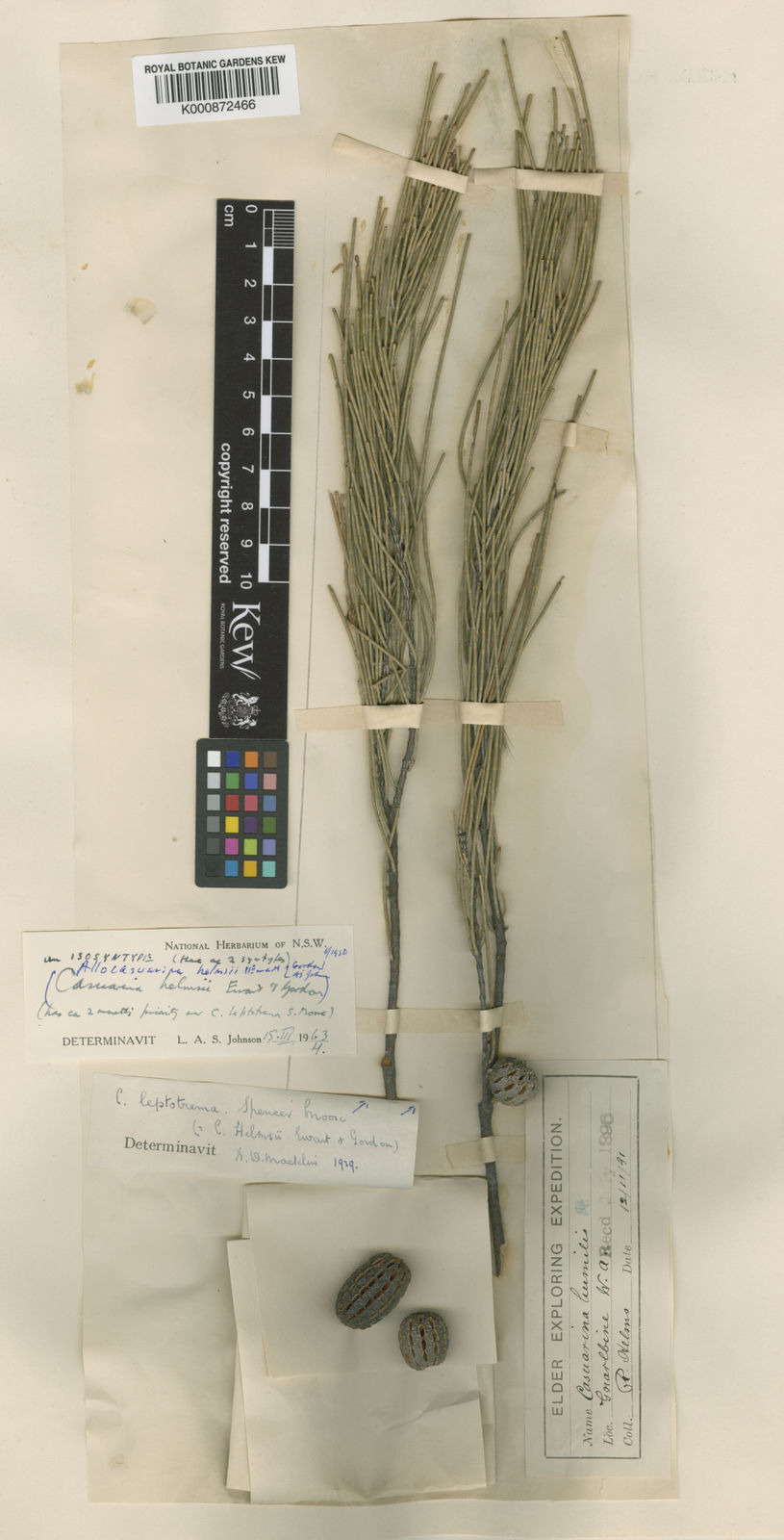
Allocasuarina helmsii
species of plant
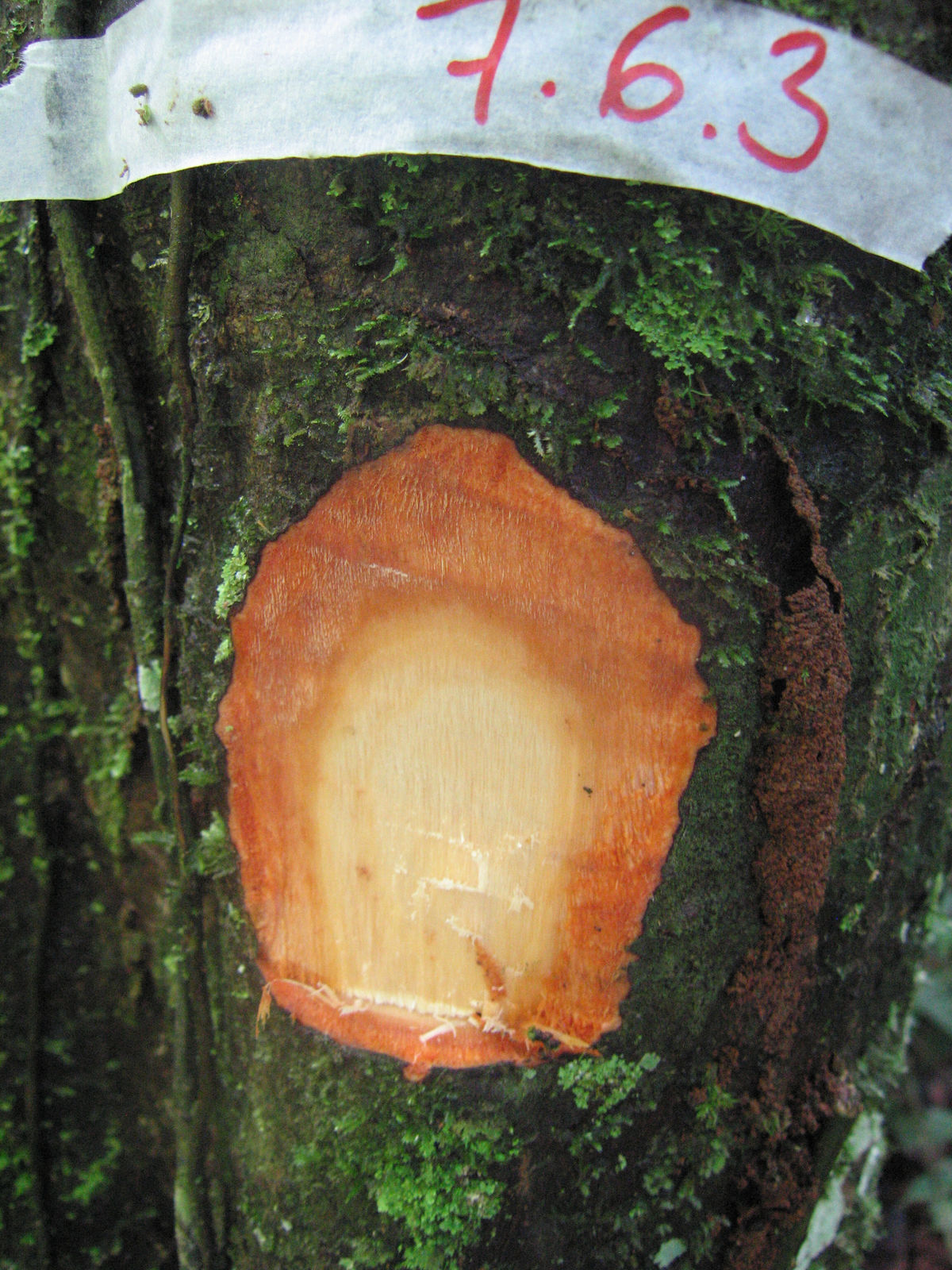
Richeria
Richeria is a genus of flowering plant belonging to the family Phyllanthaceae first described as a genus in 1797. It is native to Central America, South America, and the West Indies. Richeria is dioecious, with male and female flowers on separate plants.
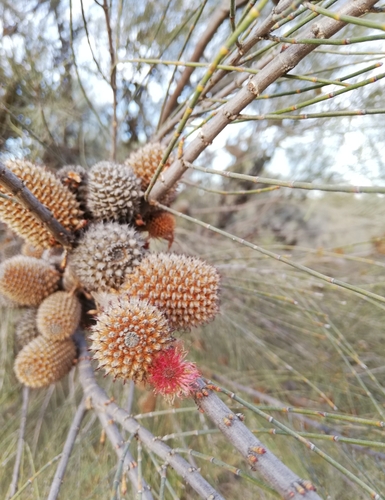
Allocasuarina acutivalvis
species of plant

Chionanthus pygmaeus
species of plant
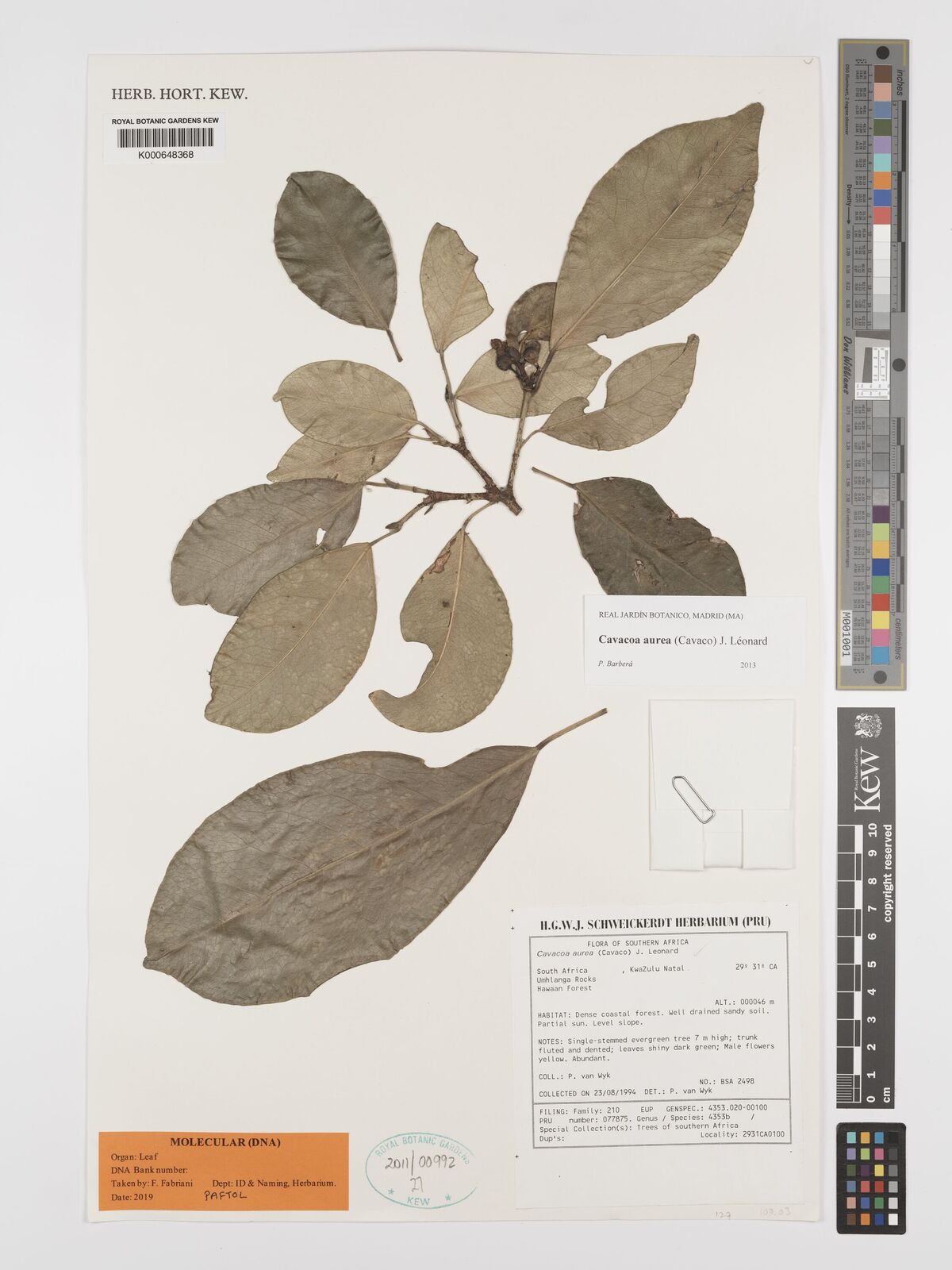
Cavacoa
Cavacoa is a plant genus of the family Euphorbiaceae first described as a genus in 1955. All the species are native to sub-Saharan Africa. It is dioecious.

Ficus benguetensis
species of plant
Barbeya
Barbeya is the only genus in the family Barbeyaceae, and has only one species, Barbeya oleoides. It is a small tree native to the mountains of Somalia, Ethiopia, and the Arabian Peninsula. It can be found locally abundant in the transition zone between the dry, evergreen, Afromontane forests and lower-elevation evergreen bushlands.

Buddleja perfoliata
species of plant
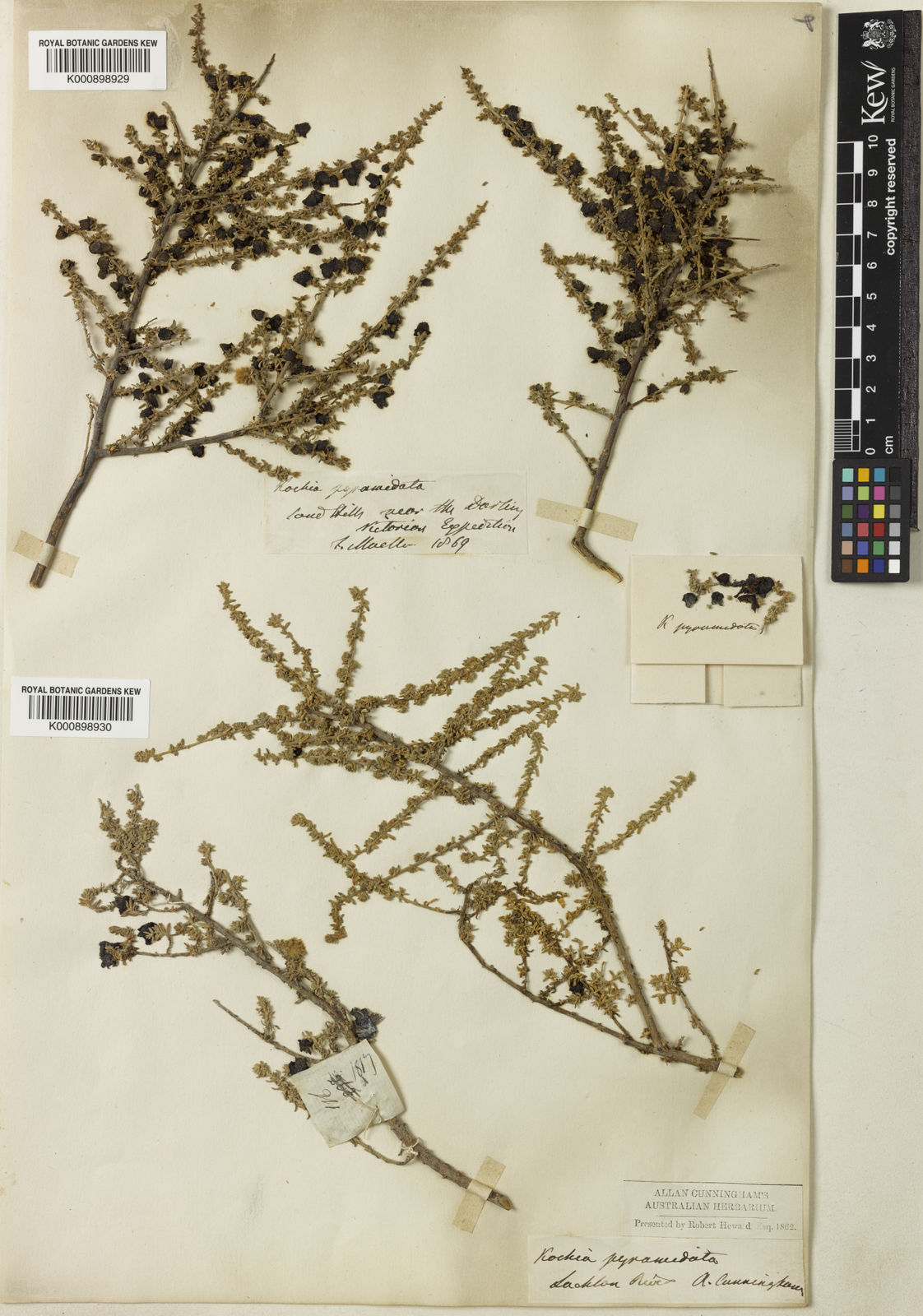
Maireana pyramidata
species of plant
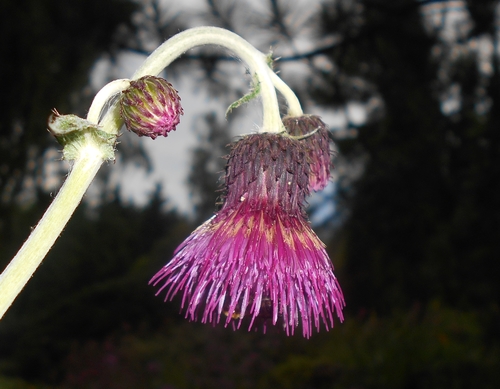
Cirsium waldsteinii
species of plant

Allocasuarina huegeliana
species of plant

Chamaelirium
Chamaelirium is a genus of flowering plants containing the single species Chamaelirium luteum, commonly known as blazing-star, '''devil's bit, false unicorn, fairy wand, and helonias'''. It is a perennial herb native to the eastern United States. It can be found in a variety of habitats, including wet meadows and deciduous woodlands.
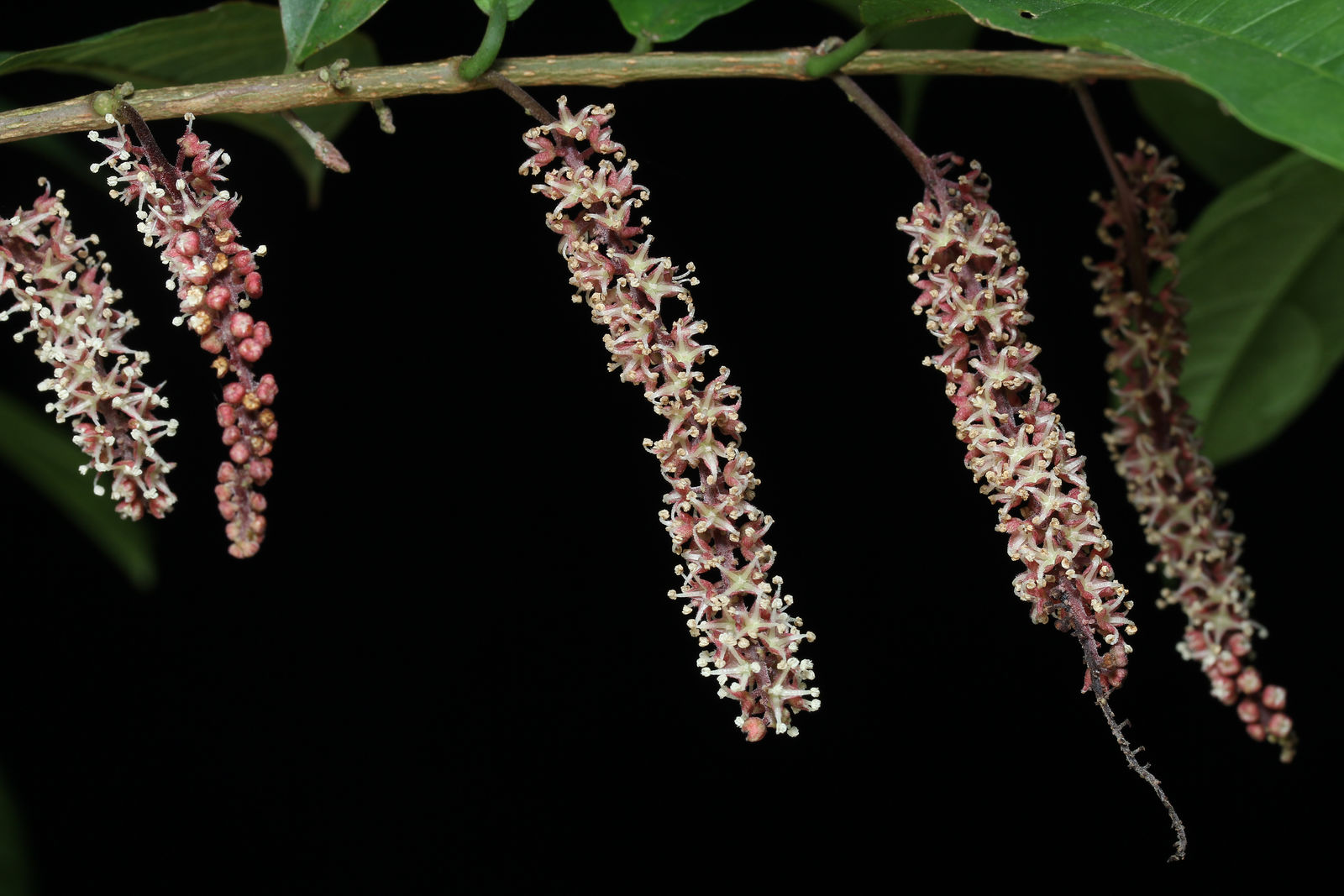
Trophis
Trophis is a genus in the plant family Moraceae which includes five species native to the tropical Americas, ranging from Mexico through Central America and the Caribbean to Peru and northern Brazil. It is dioecious, with male and female flowers borne on separate plants.
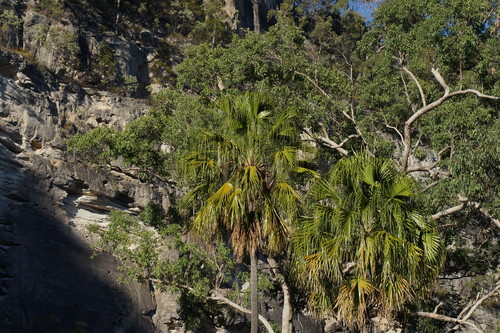
Livistona nitida
species of plant
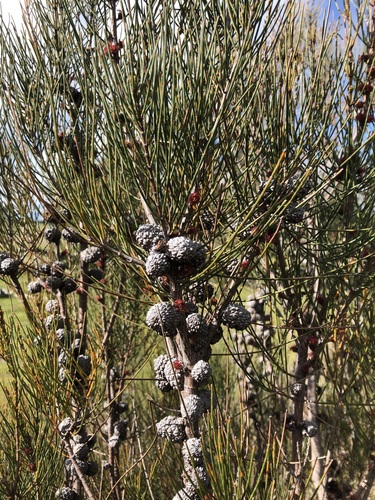
Allocasuarina mackliniana
species of plant
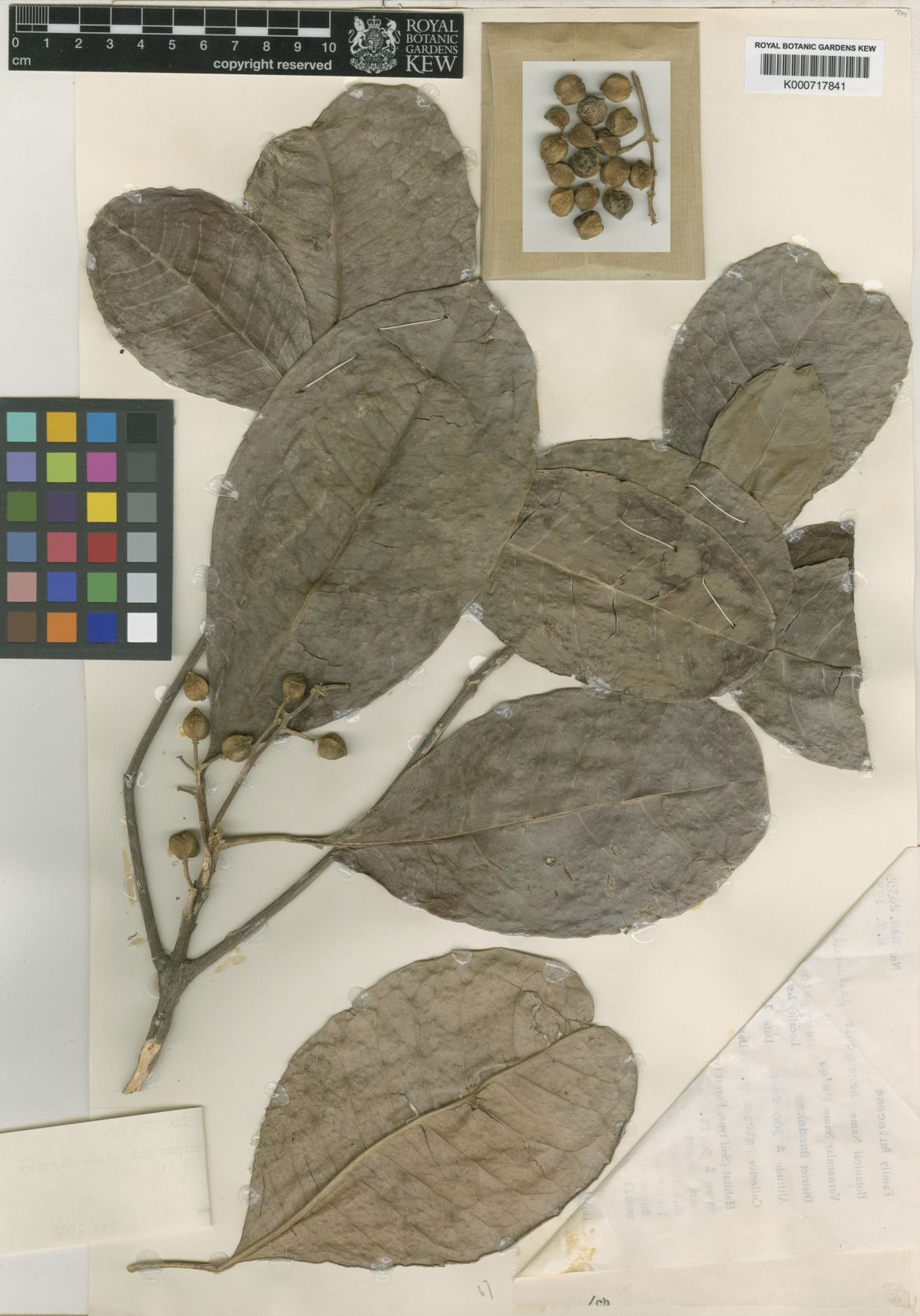
Maclurodendron
Maclurodendron is a plant genus in the family Rutaceae. It was first described in 1982 by Thomas Gordon Hartley. It consists of six evergreen tree species native to China and Southeast Asia.
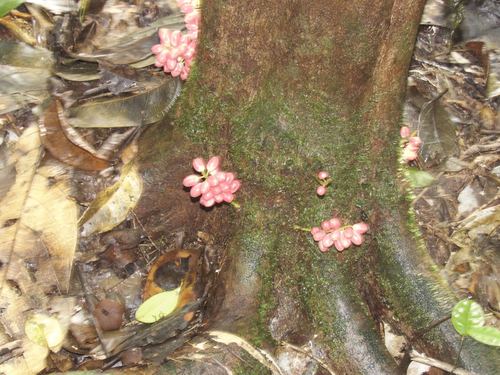
Maesobotrya
Maesobotrya is a genus of flowering plants belonging to the family Phyllanthaceae. It was first described as a genus in 1879 and is native to sub-Saharan Africa. It is dioecious, with male and female flowers on separate plants.
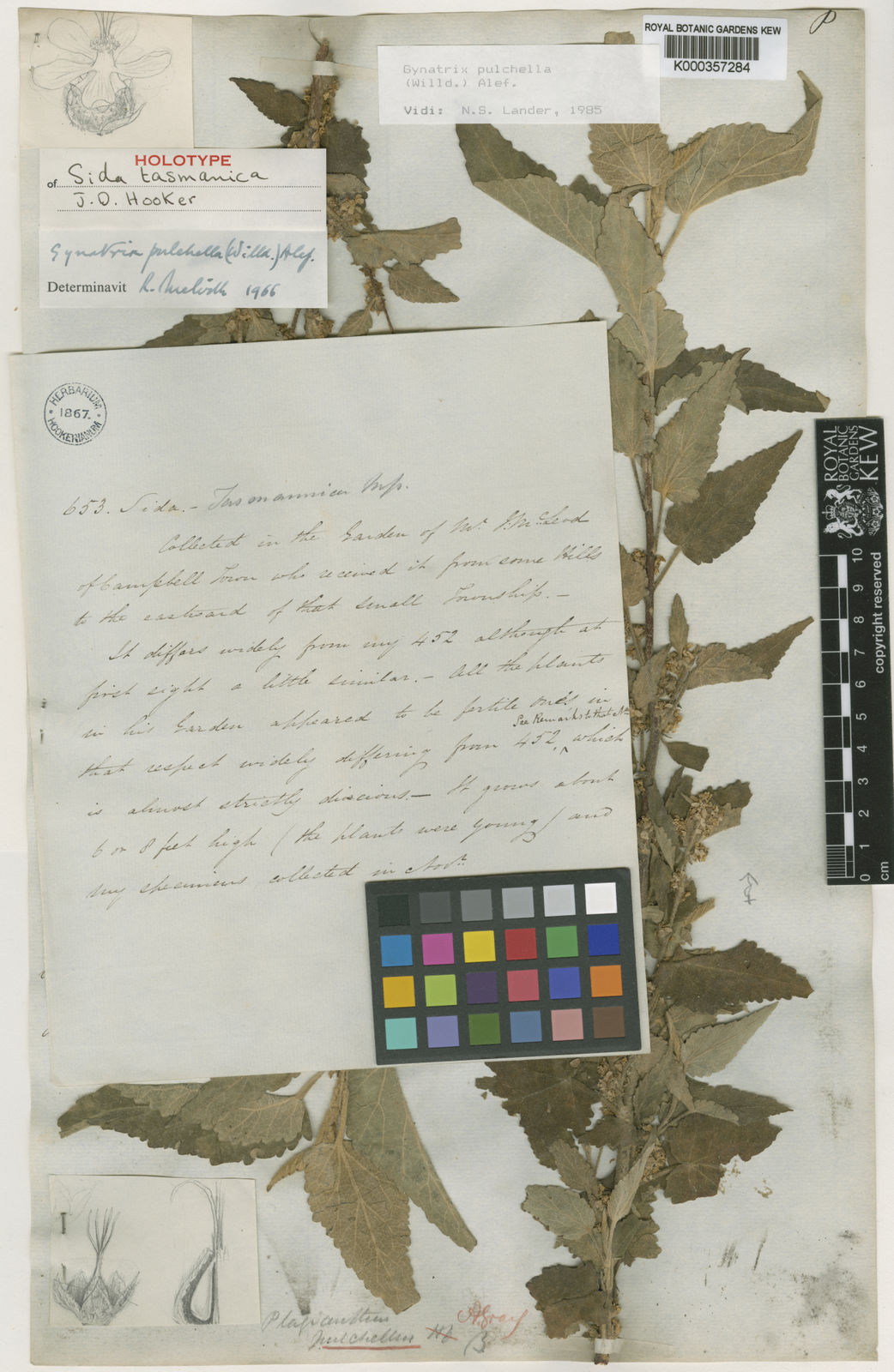
Gynatrix
Gynatrix is a genus of dioecious flowering plants in the family Malvaceae, endemic to south-east Australia.
Dobinea
Dobinea is a small genus of plants in the subfamily Anacardioideae of the cashew and sumac family Anacardiaceae. The species are dioecious and grow as shrubs or perennial herbs. They grow naturally in the East Himalaya region and China.
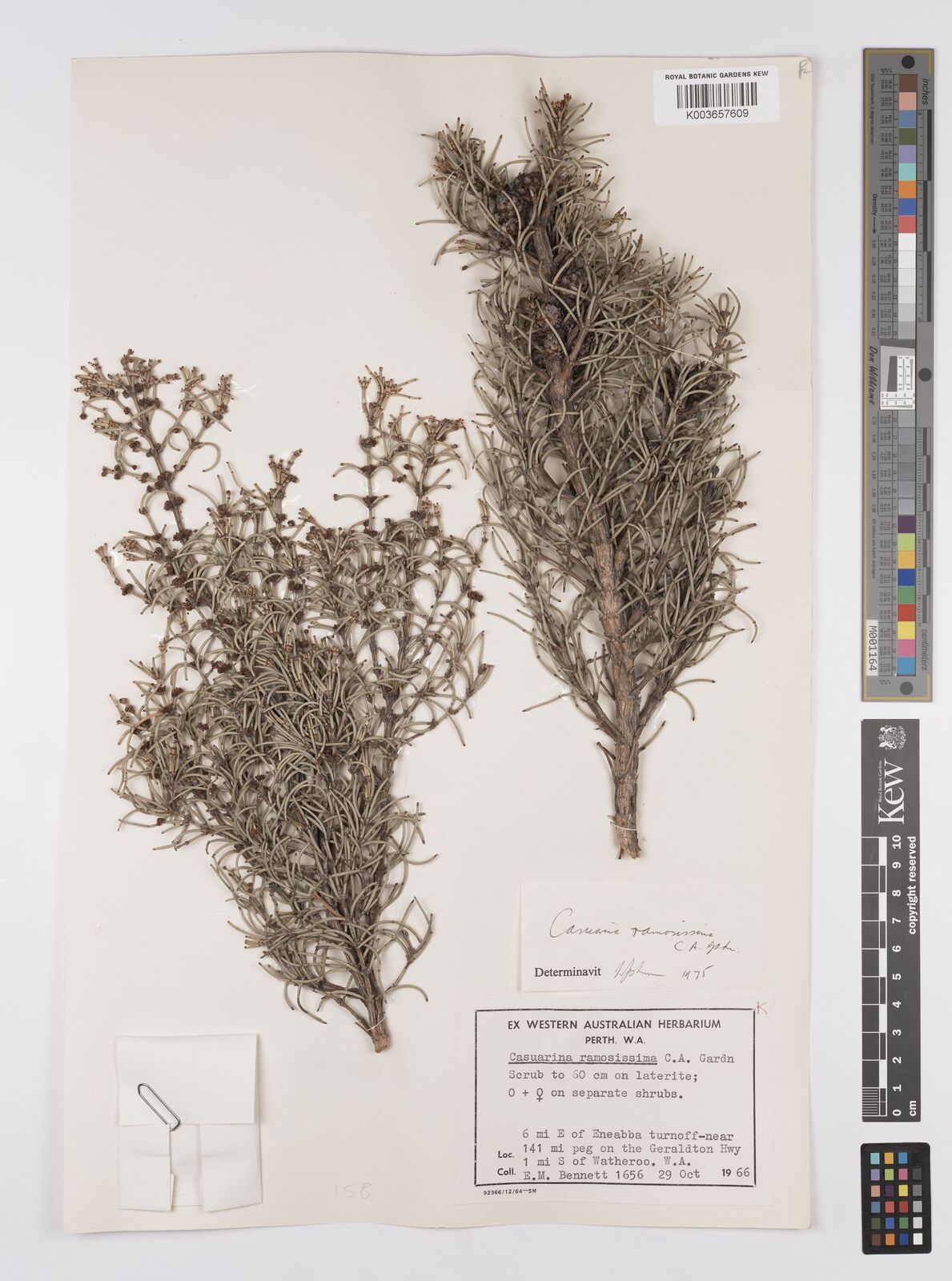
Allocasuarina ramosissima
species of plant
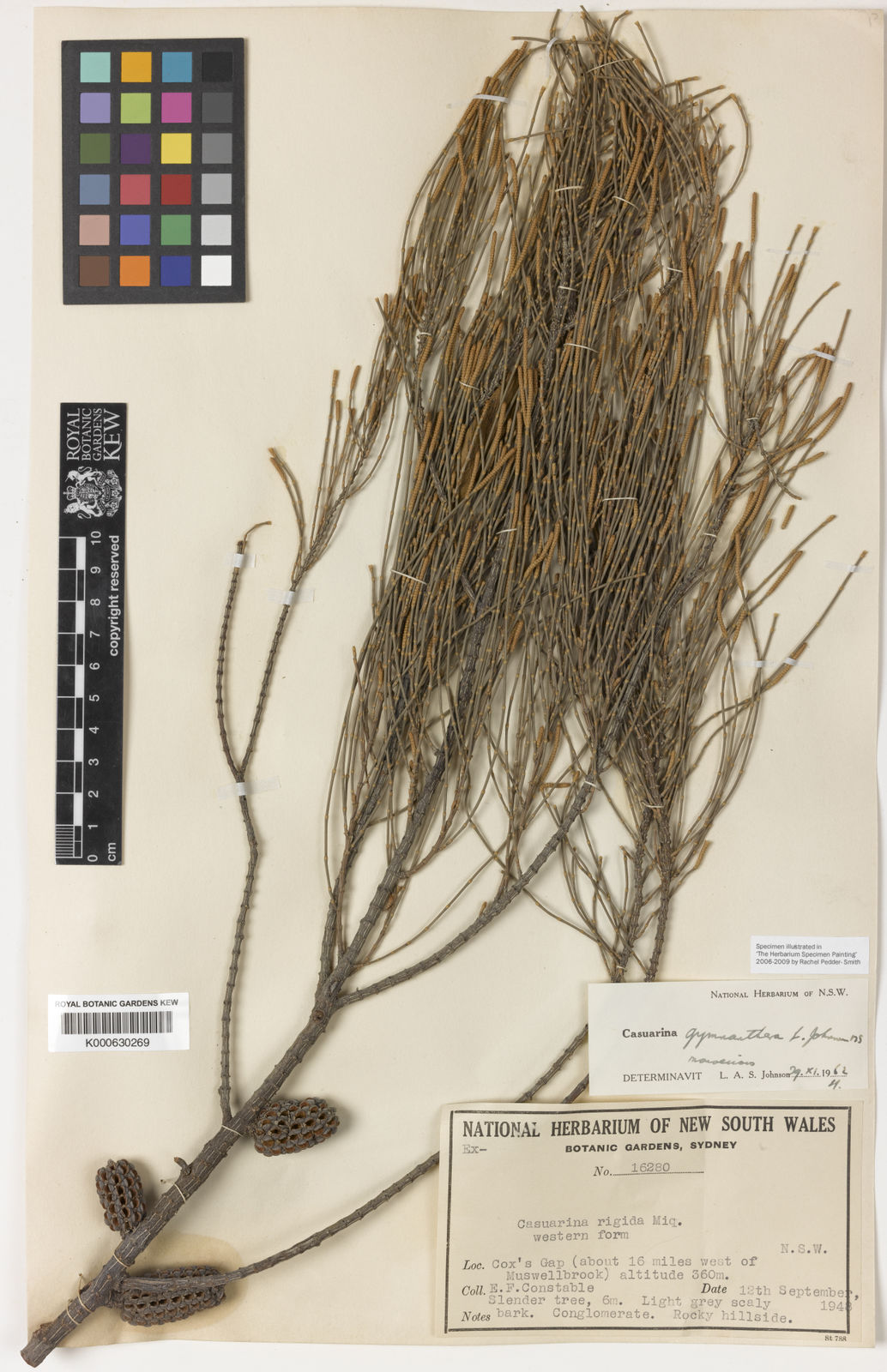
Allocasuarina gymnanthera
species of plant
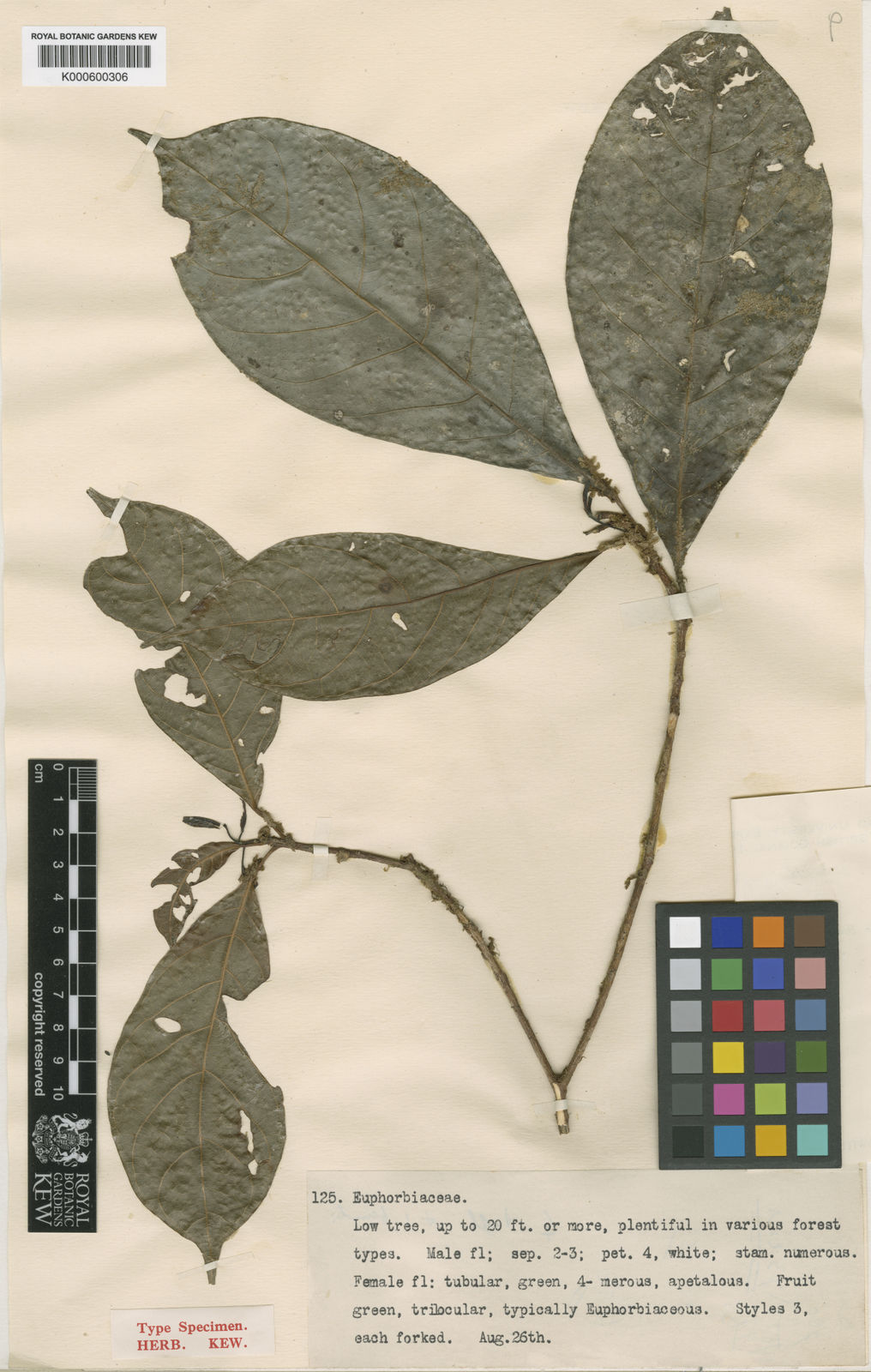
Sandwithia
Sandwithia is a plant genus of the family Euphorbiaceae first described in 1932. It is native to northern South America. It is dioecious. The genus is named in honour of the botanist Noel Yvri Sandwith.

Caryodendron
Caryodendron is a plant genus of the family Euphorbiaceae first described as a genus in 1860. The genus includes C. orinocense, known as the Inchi tree or Tacay nut. It is native to Central America and South America. They are dioecious trees.