Category
page 7Dioecious plants
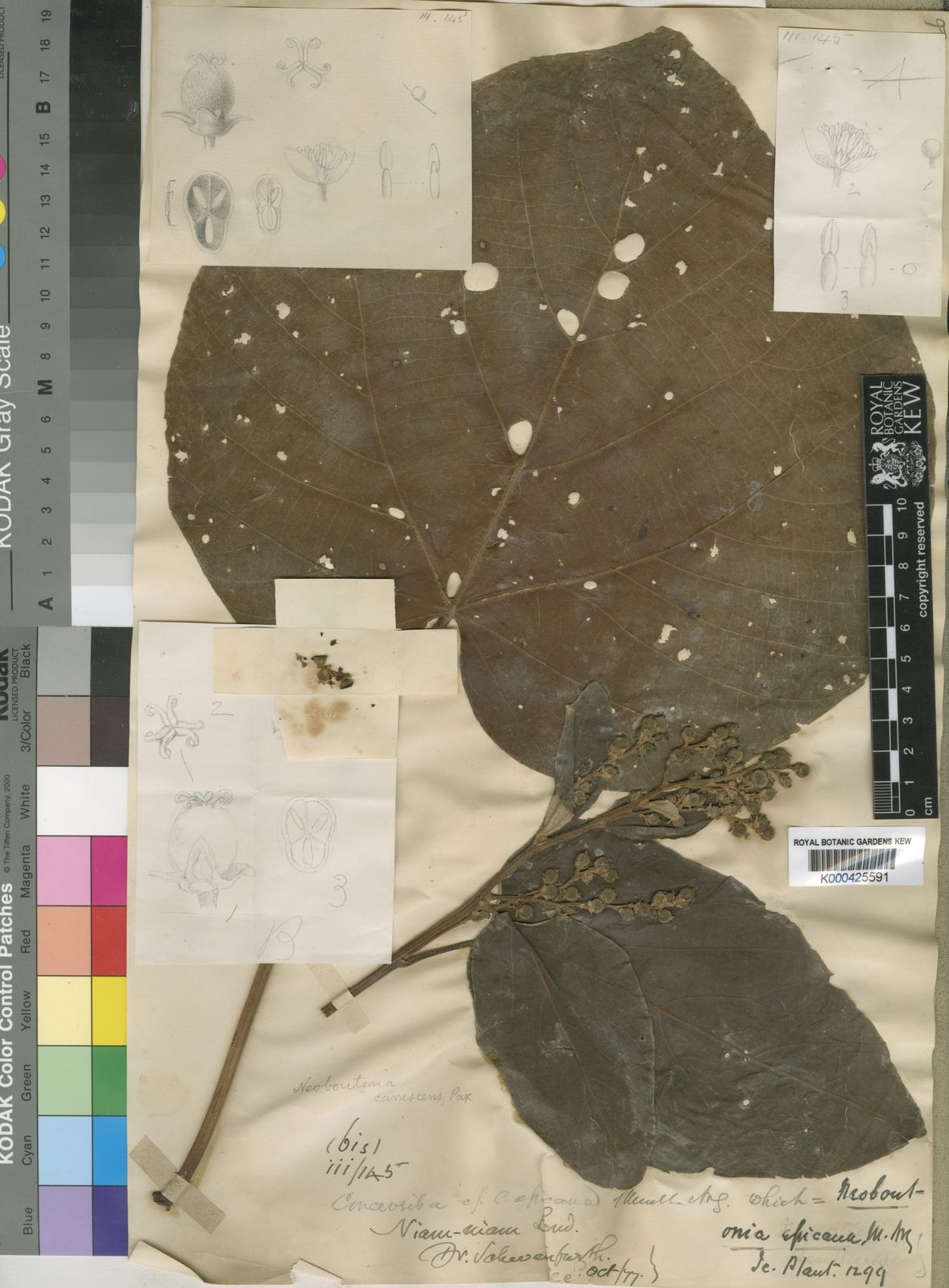
Neoboutonia
Neoboutonia is a plant genus of the family Euphorbiaceae first described as a genus in 1864. It is the only genus in subtribe Neoboutoniinae, and native to tropical Africa. It is dioecious.
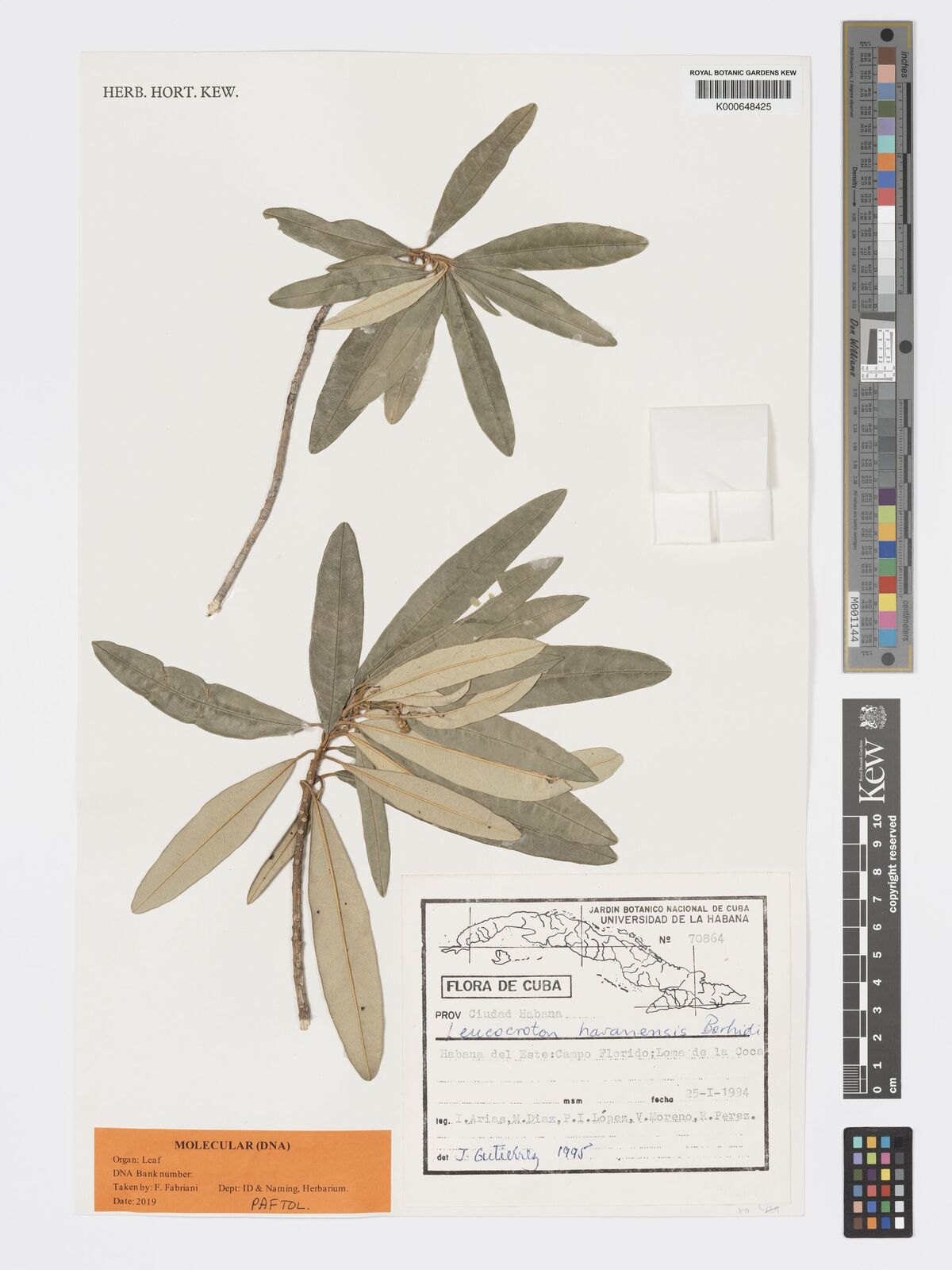
Leucocroton
Leucocroton is a plant genus of the family Euphorbiaceae first described as a genus in 1861. The entire genus is endemic to Cuba. It is a member of the Leucocroton alliance, which also includes Garciadelia and Lasiocroton. Species in this alliance are dioecious.
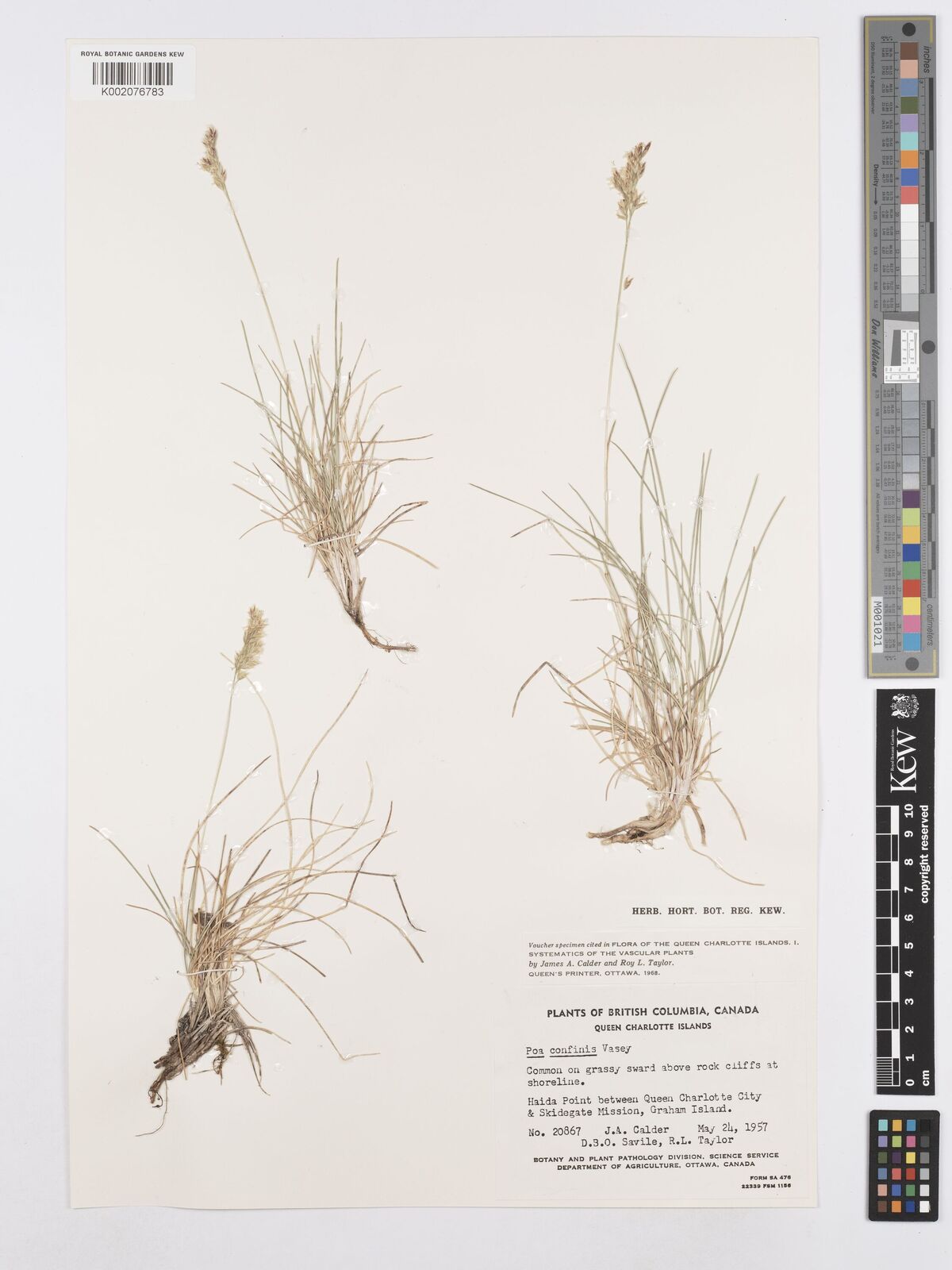
Poa confinis
species of plant

Amaranthus arenicola
species of plant

Amaranthus acanthochiton
species of plant

Ribes maximowiczii
species of plant

Astelia alpina
species of plant
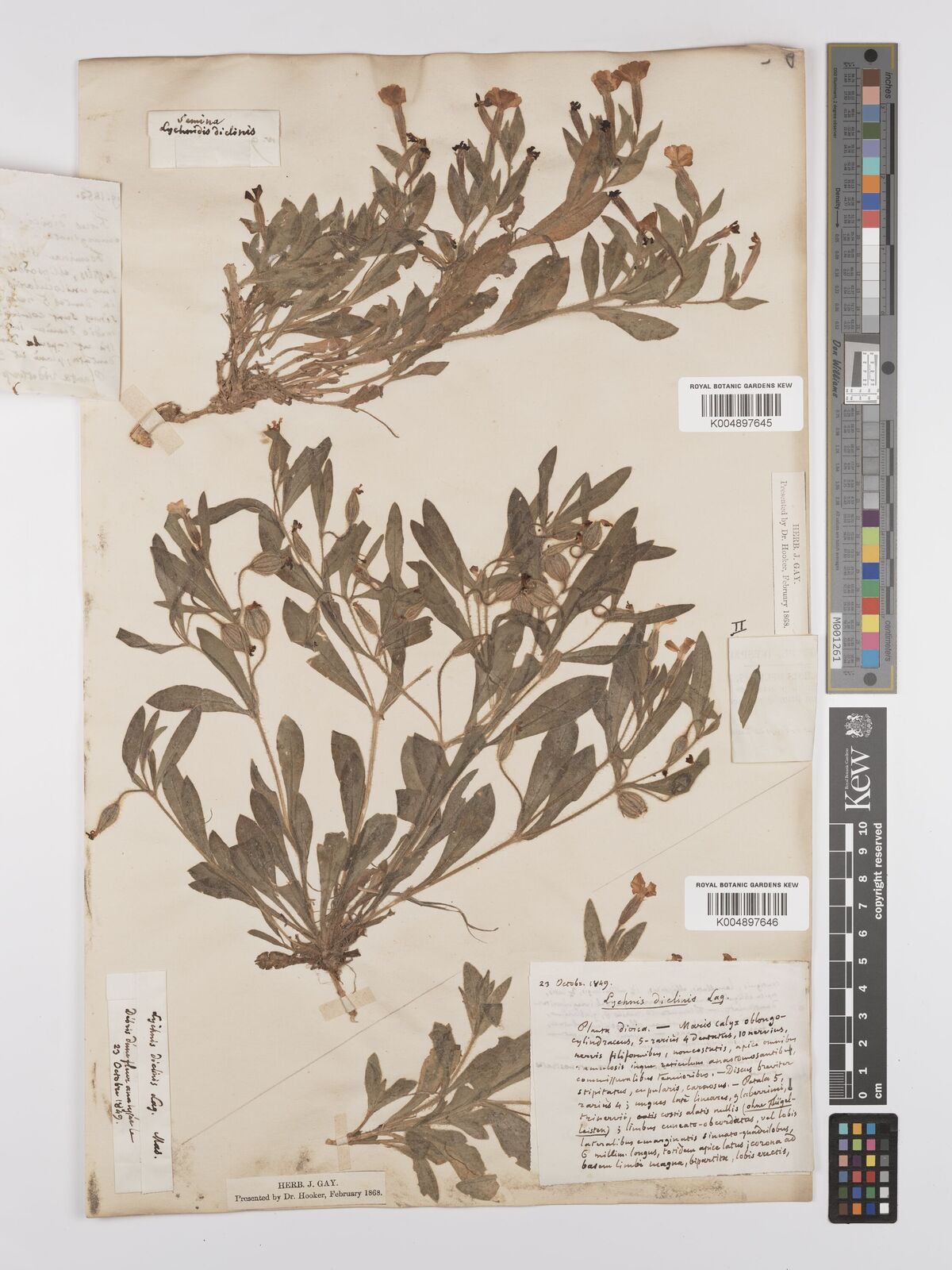
Silene diclinis
species of plant
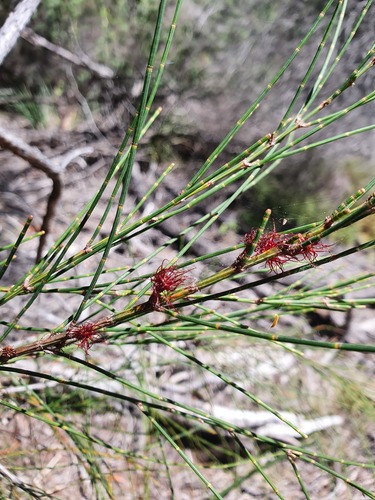
Allocasuarina portuensis
species of plant
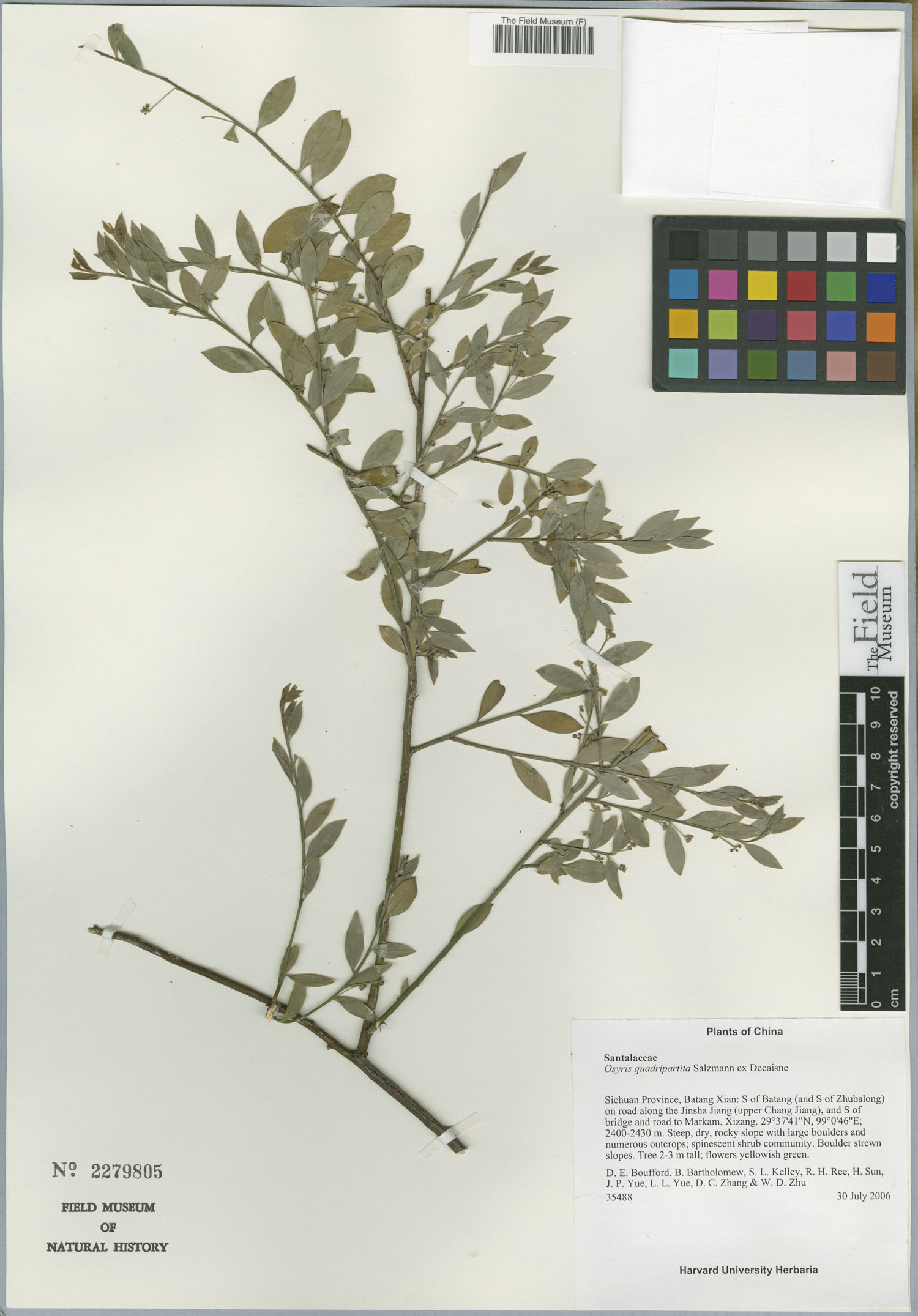
Osyris quadripartita
species of plant

Allolepis
Allolepis is a genus of North American plants in the grass family. The only known species is Allolepis texana (Texas false saltgrass).
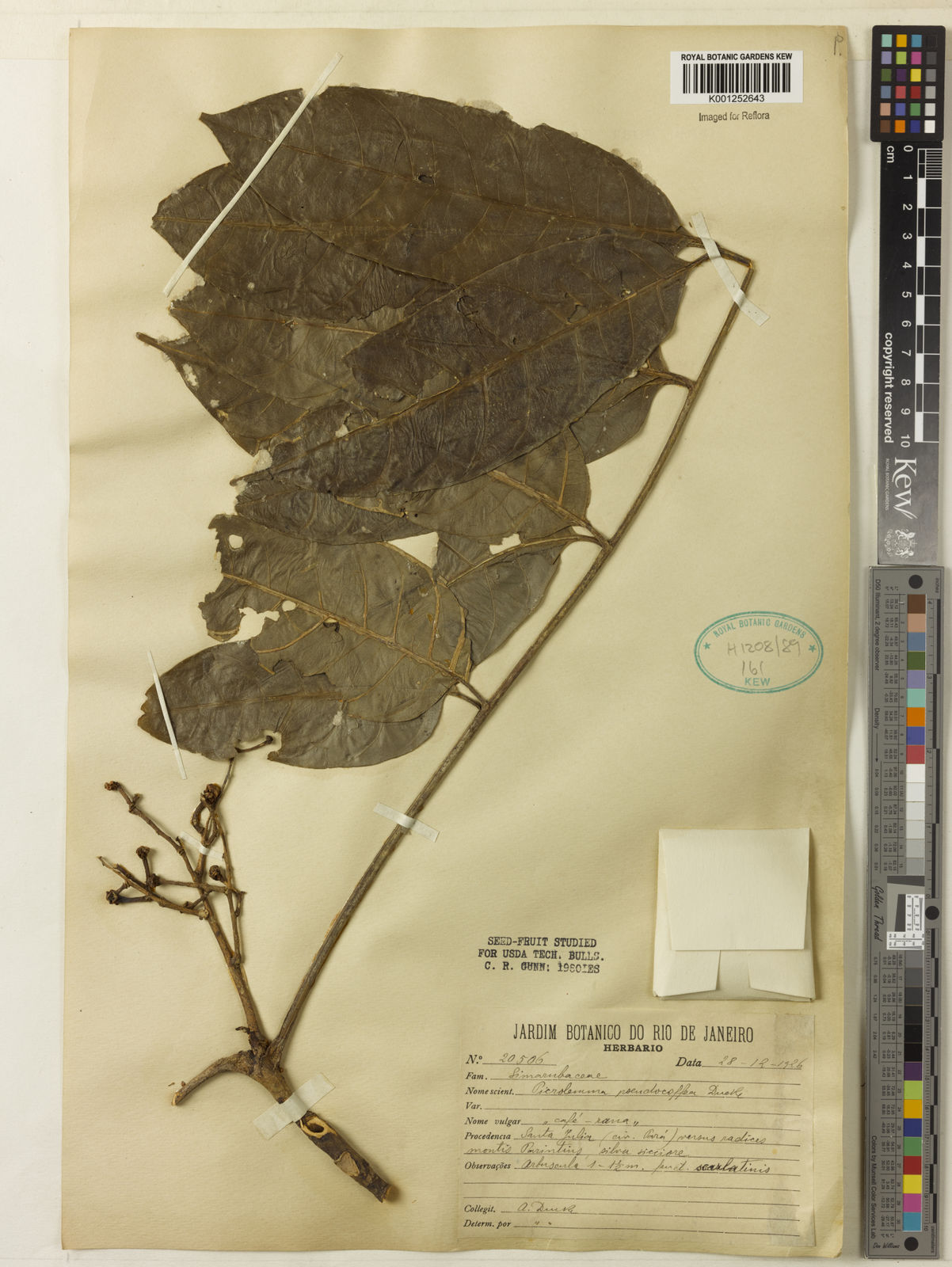
Picrolemma
Picrolemma is a genus of flowering plants belonging to the family Simaroubaceae. They are small dioecious shrubs.

Spinifex sericeus
species of plant
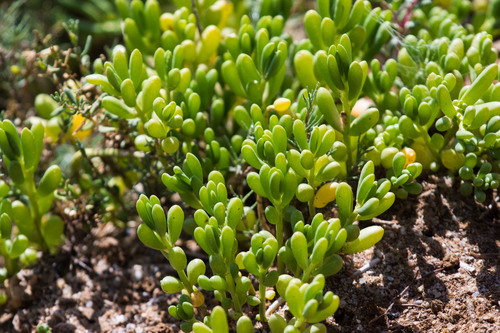
Batis maritima
species of plant
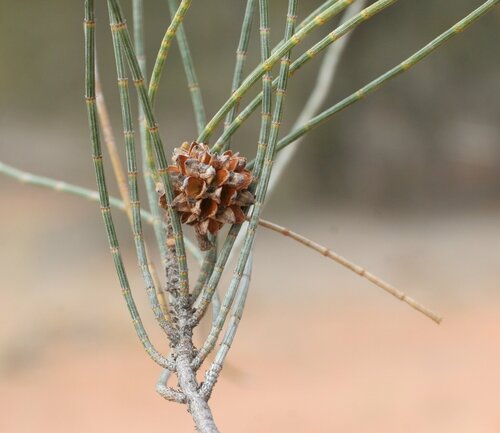
Casuarina pauper
Australian tree species

Hymenocardia
Hymenocardia is a genus of trees in the family Phyllanthaceae first described as a genus in 1836. Most of the species are native to Africa, with one in Southeast Asia.

Agouticarpa
Agouticarpa is a genus of flowering plants in the family Rubiaceae. It was described by Claes Persson in 2003. The genus is found from Costa Rica to Bolivia.
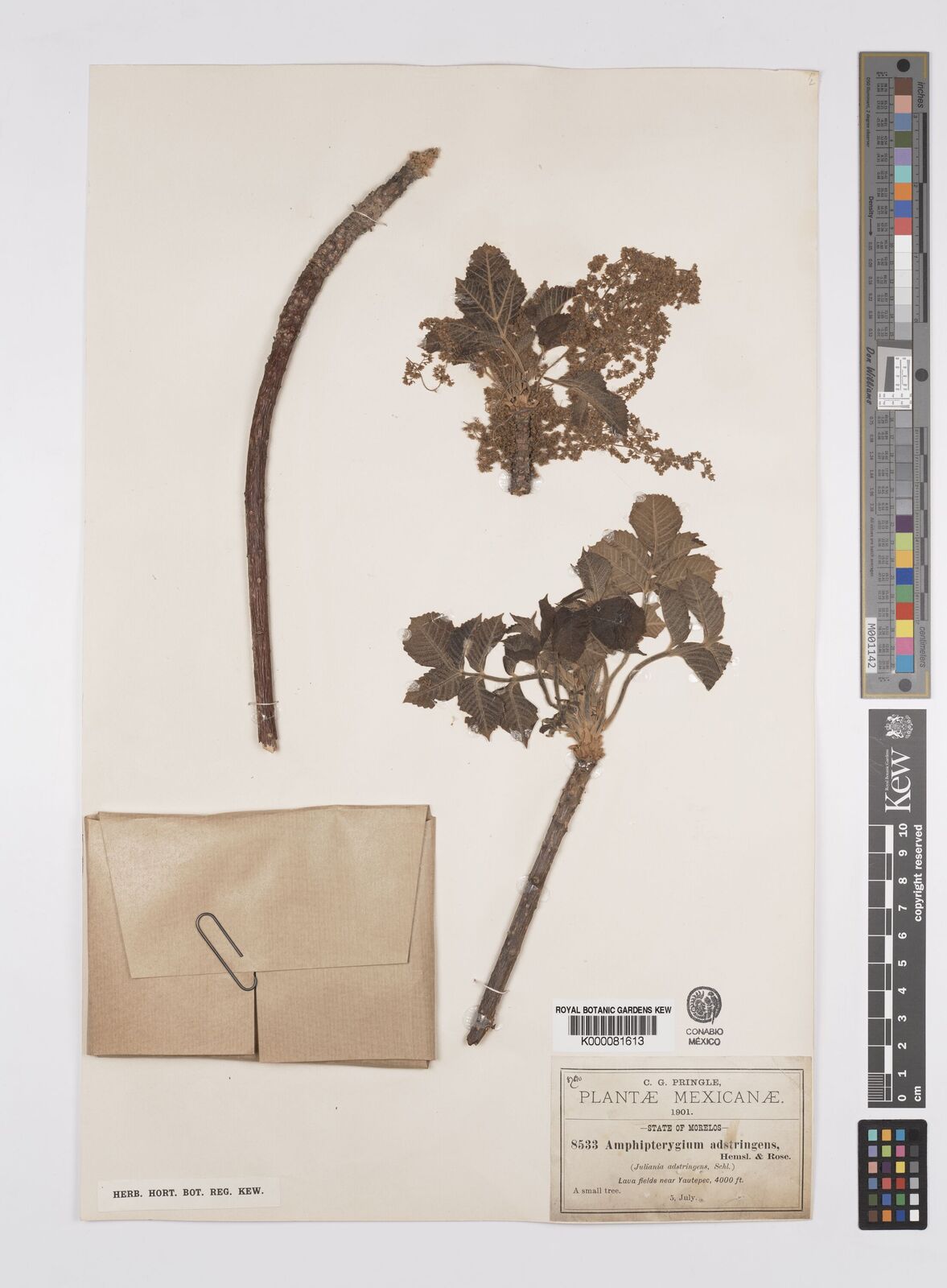
Amphipterygium adstringens
species of plant

Atriplex acanthocarpa
species of plant
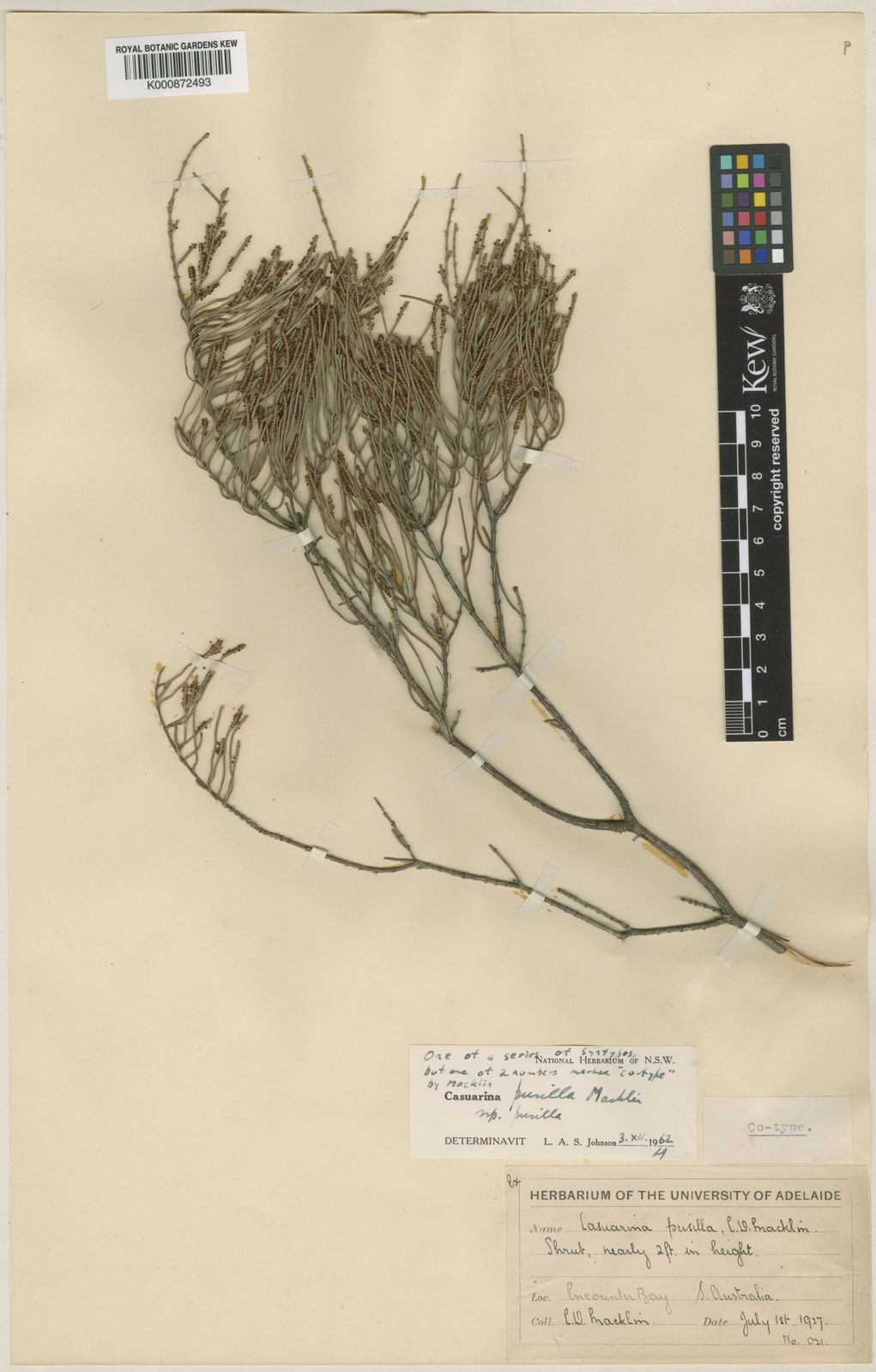
Allocasuarina pusilla
species of plant

Galium andrewsii
species of plant

Fontainea
Fontainea is a genus constituting part of the plant family Euphorbiaceae. The nine currently known species grow naturally in Queensland (Qld) and New South Wales (NSW) Australia (6 spp.), New Caledonia and Vanuatu (1 sp.), and Papua New Guinea (2 spp.). Some species are commonly named blushwood.

Poa foliosa
species of plant
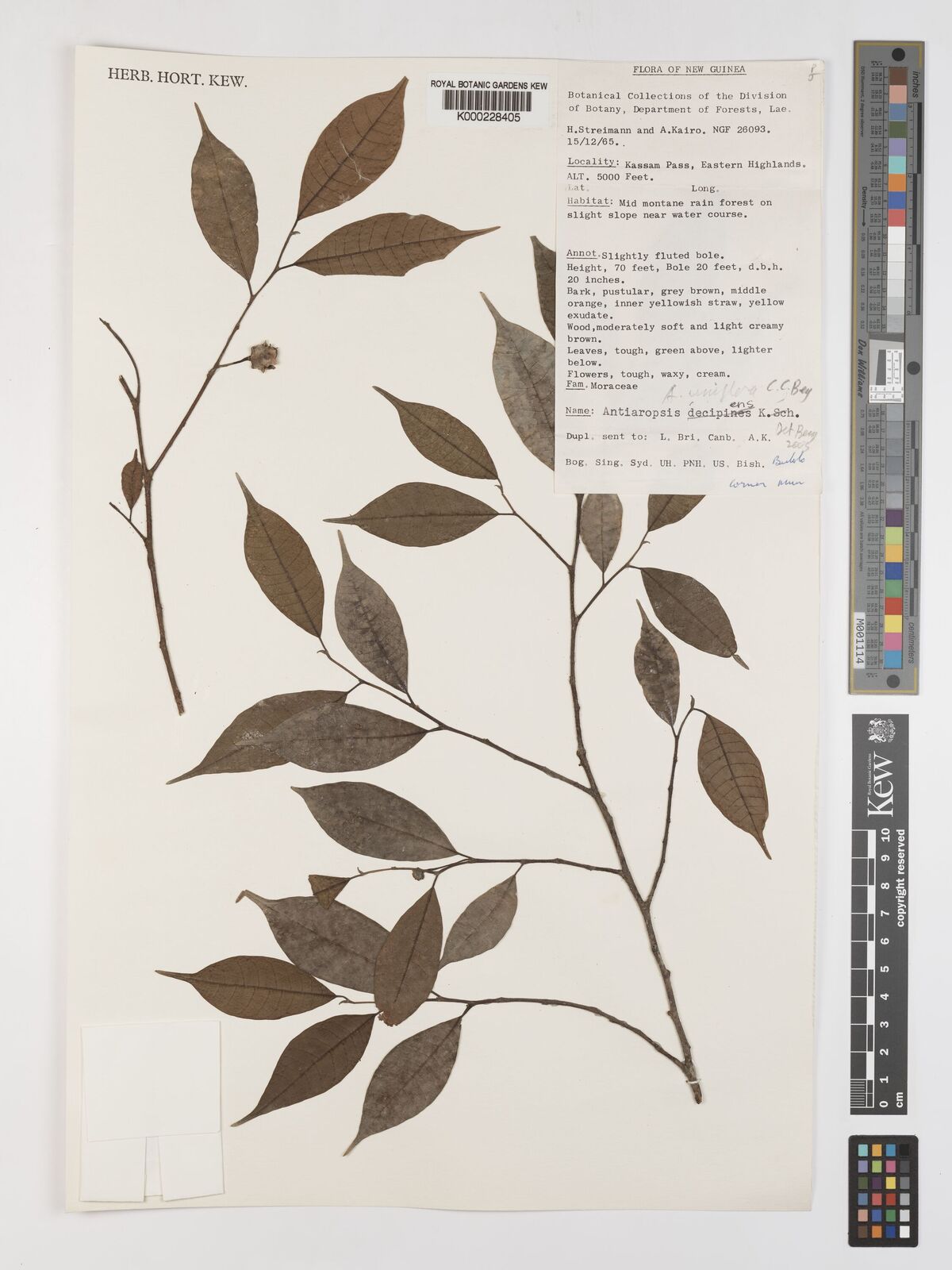
Antiaropsis
Antiaropsis is a genus of flowering plants belonging to the family Moraceae. It is dioecious, with male and female flowers borne on separate plants.
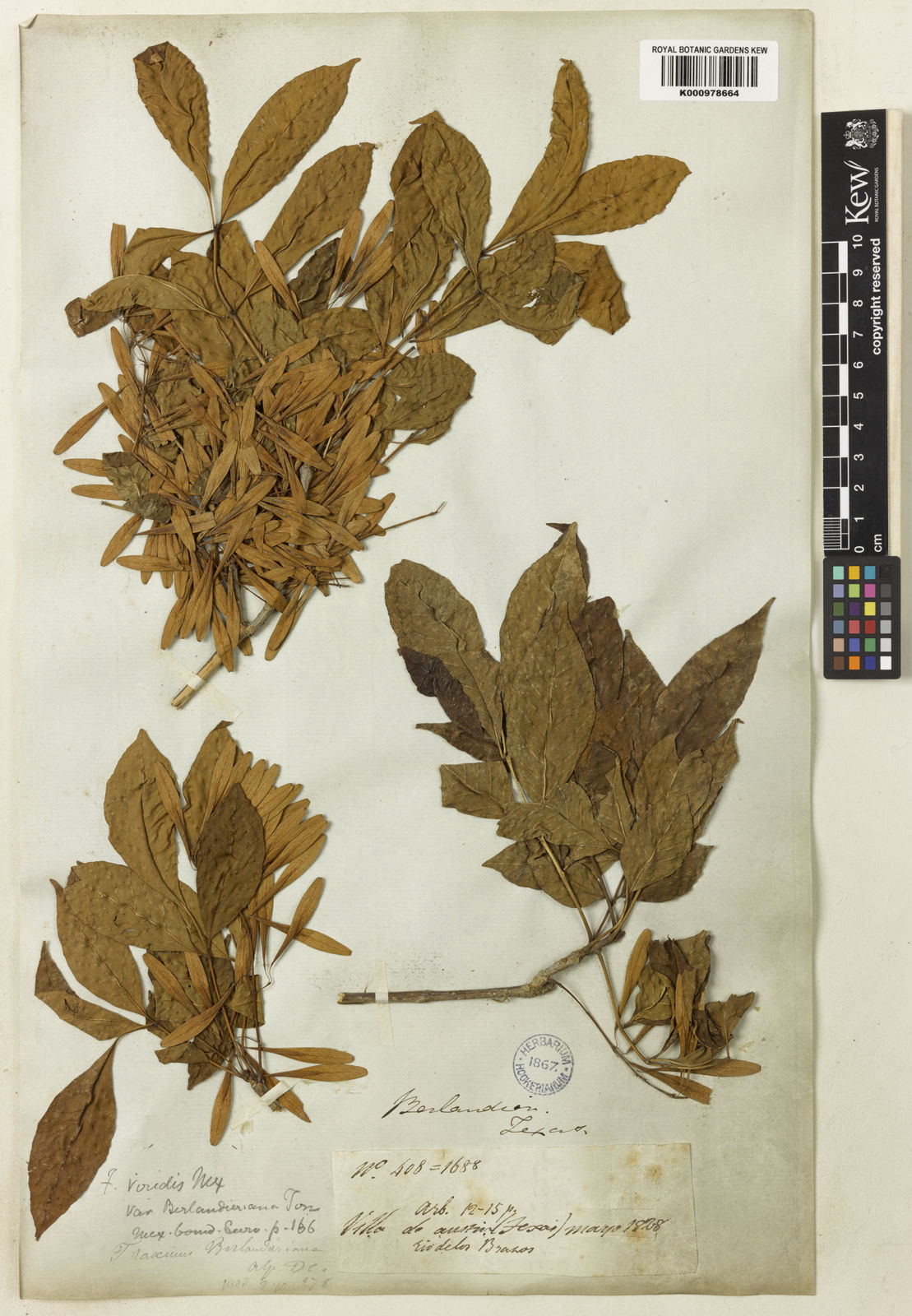
Fraxinus berlandieriana
species of plant
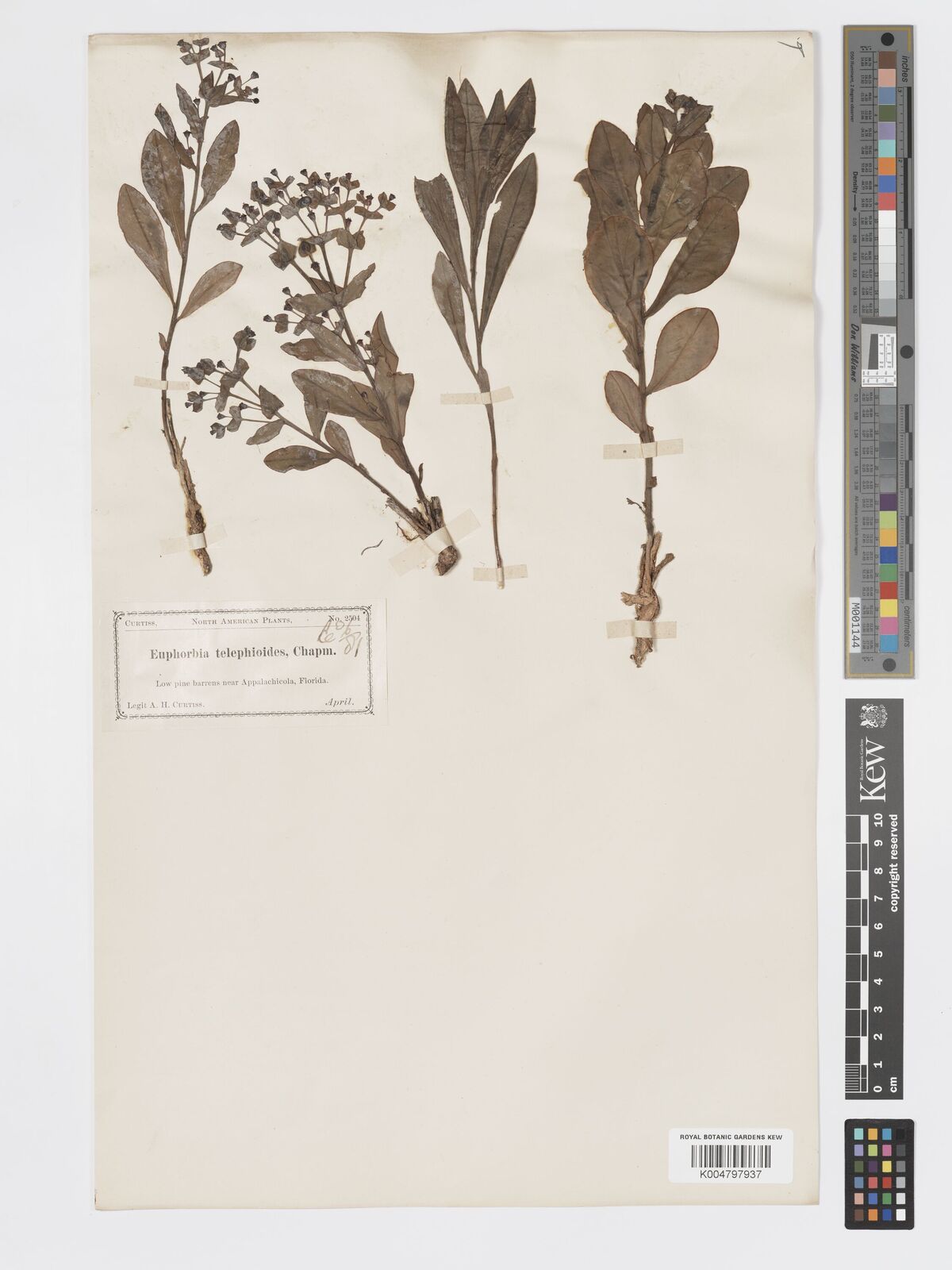
Euphorbia telephioides
species of plant

Macaranga indica
species of plant
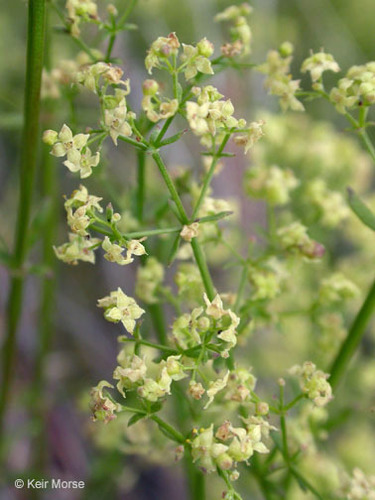
Galium angustifolium
species of plant

Euclea racemosa
species of plant native to coastal South Africa
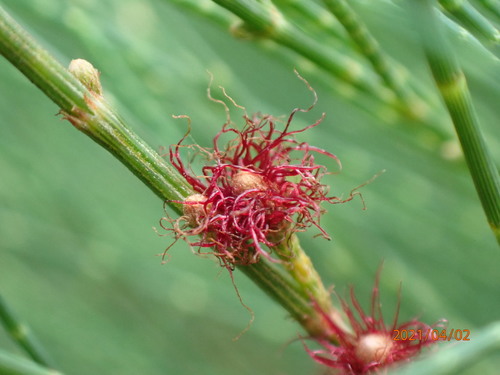
Allocasuarina nana
species of plant
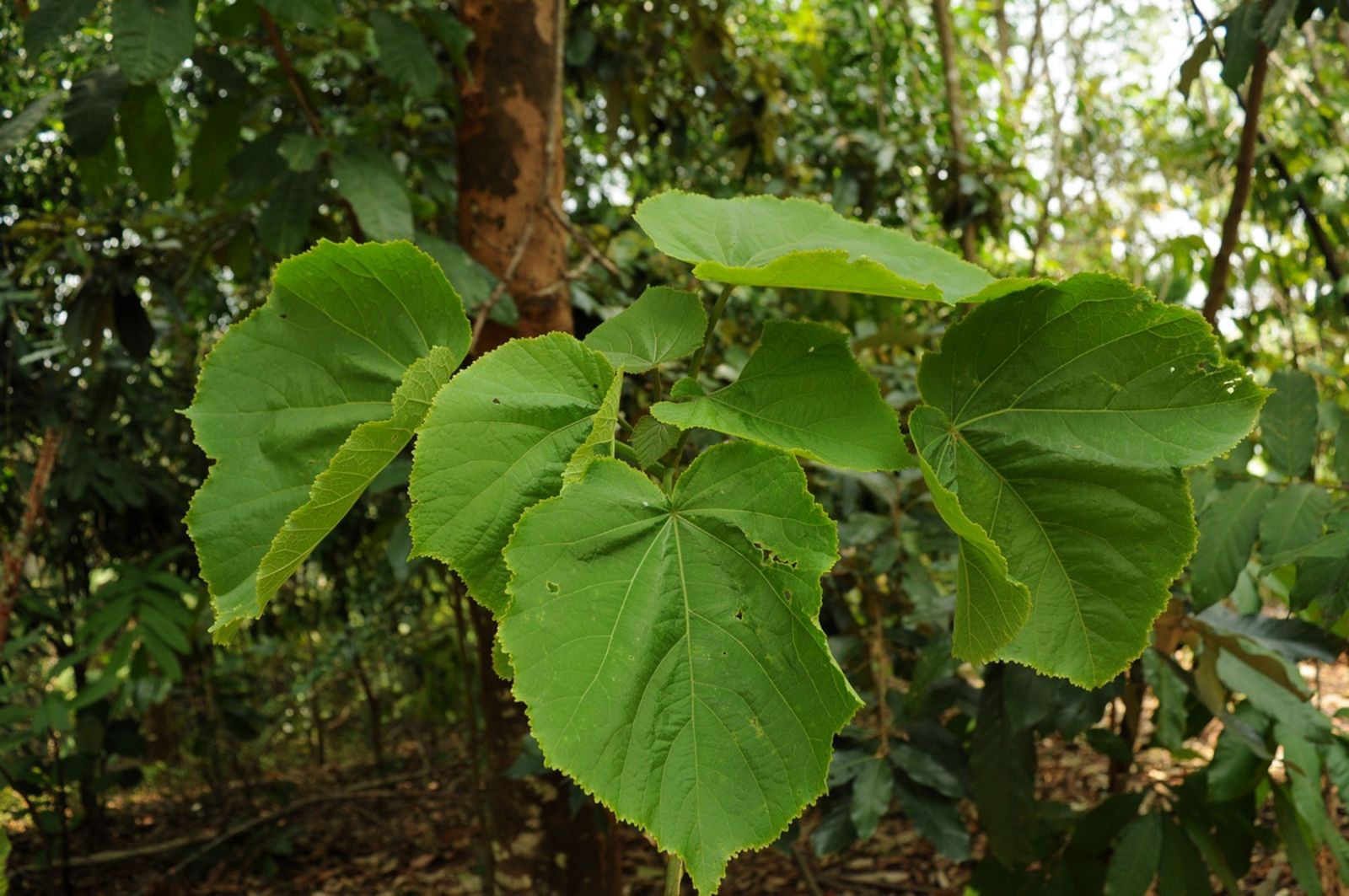
Tetrameles
Tetrameles is a genus of flowering plants in the family Tetramelaceae with one species, Tetrameles nudiflora. It grows as a large deciduous tree and is found across southern Asia from India through southeast Asia, Malesia, and into northern Australia.

Euphorbia enopla
species of plant
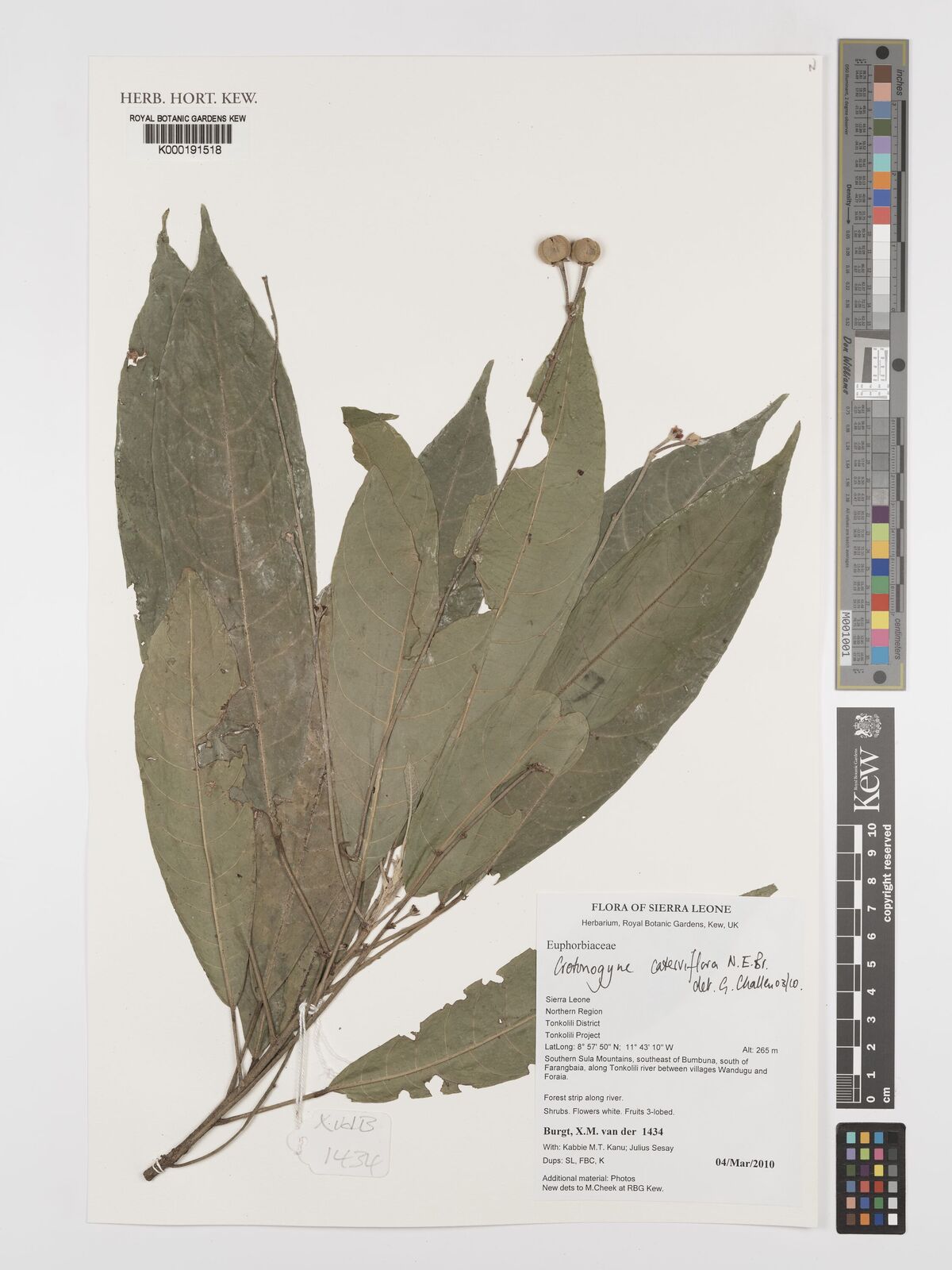
Crotonogyne
Crotonogyne is a shrub of the spurge family (Euphorbiaceae) first described as a genus in 1864. It is native to western and central Africa. It is dioecious.

Leuenbergeria quisqueyana
species of plant in the family Cactaceae

Thalictrum dioicum
species of plant

Poa atropurpurea
species of plant
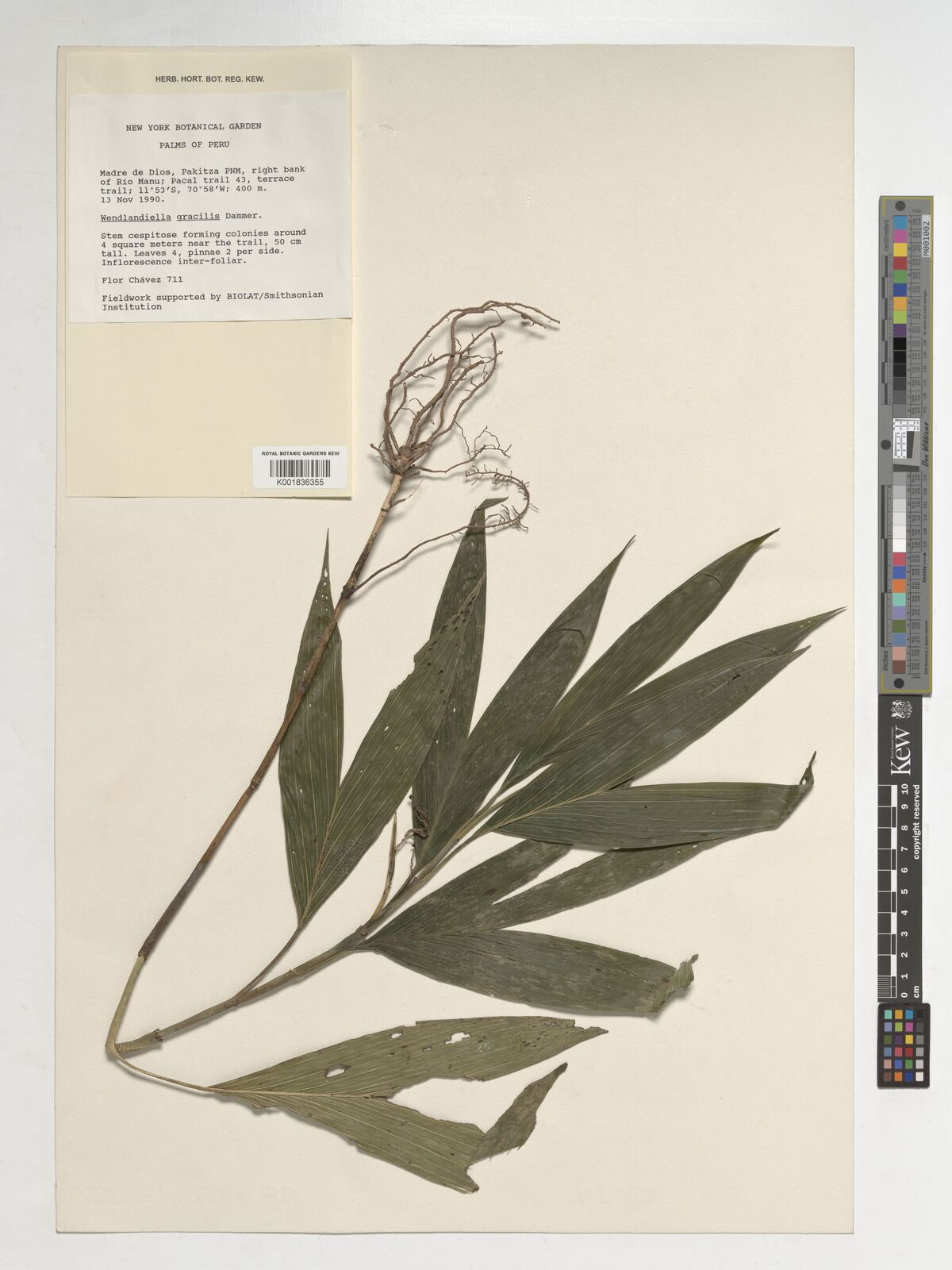
Wendlandiella gracilis
Wendlandiella is a genus of one species of palms found in Peru, Bolivia and Acre state in Brazil. The genus is named after Hermann Wendland.
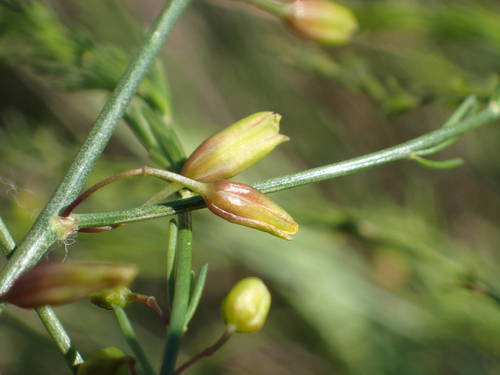
Asparagus maritimus
species of plant

Galium californicum
species of plant
Aextoxicon
Aextoxicon is a genus of dioecious trees native to southern Chile and Argentina. It is the only genus in the monotypic family Aextoxicaceae, and is itself represented by the olivillo (Aextoxicon punctatum). It is a large evergreen tree native to the forests of the Valdivian temperate rain forests and Magellanic subpolar forests of the Pacific coast of southern Chile, where it forms is a canopy tree in the broadleaf forests. It can reach 15 m tall.
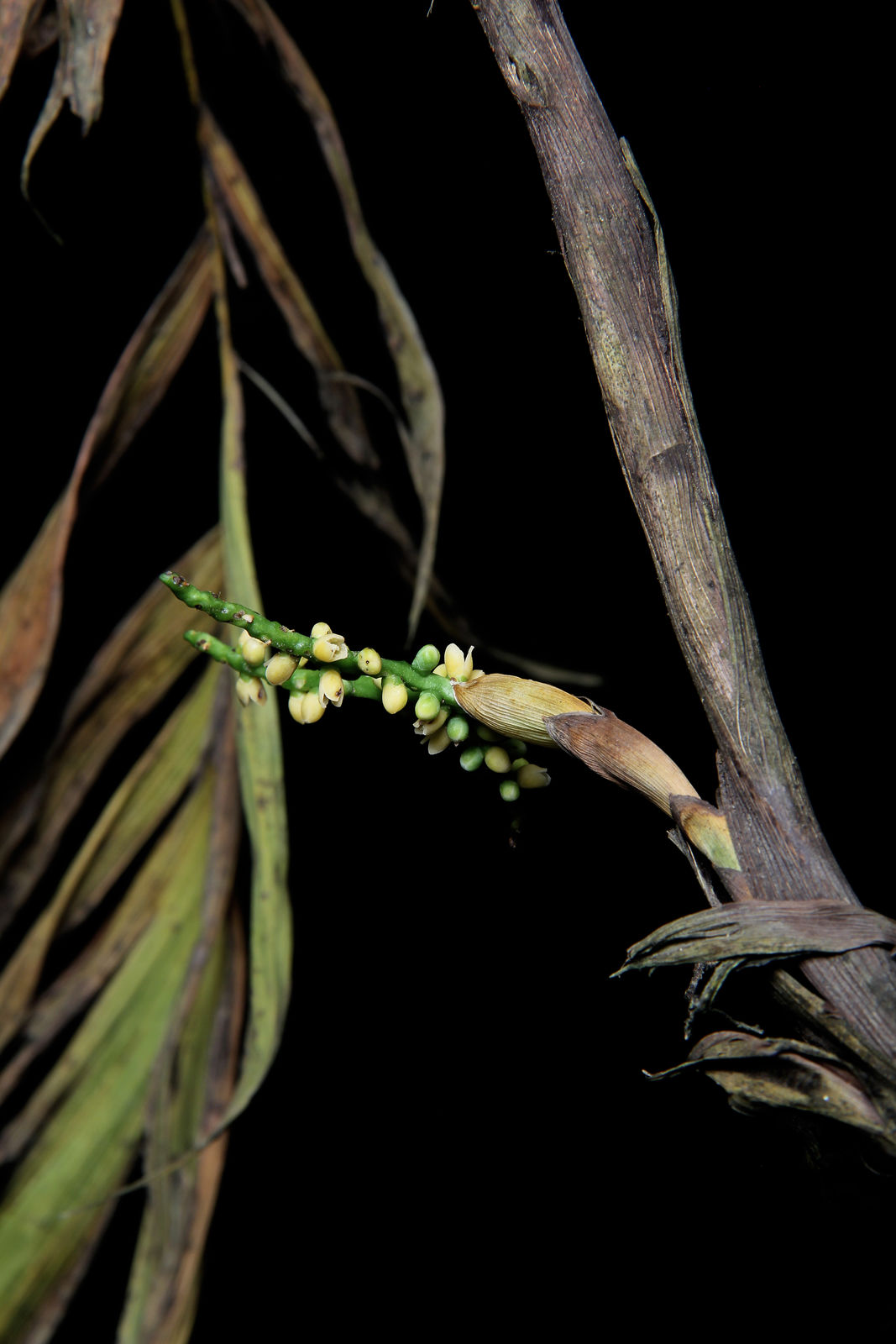
Chamaedorea microspadix
species of plant
Sarcoca dodecandra
species of plant
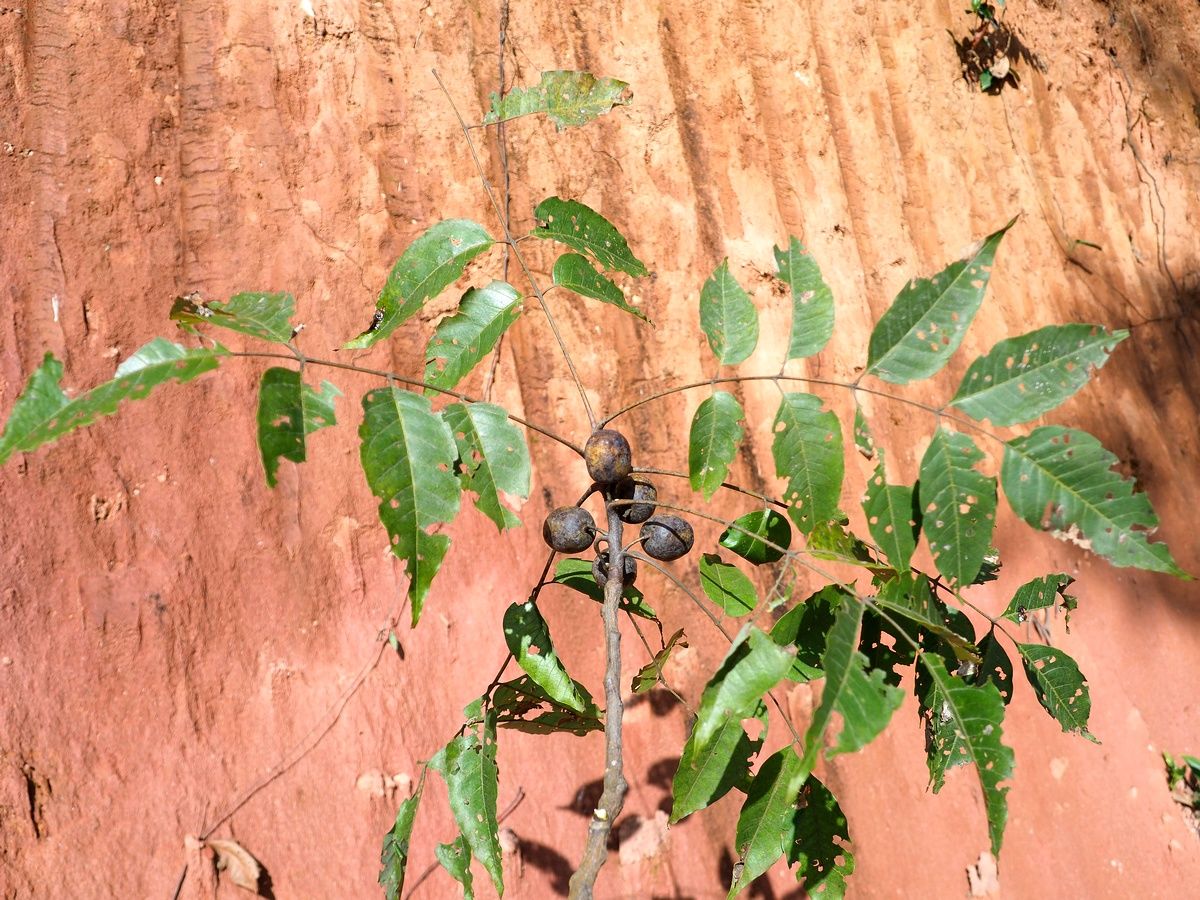
Choerospondias
Choerospondias axillaris, known in English as the Nepali hog plum, is a tree in the family Anacardiaceae. It is the sole species in genus Choerospondias. It is native to the Himalayas, Indochina, southern and north-central China, Taiwan, and Japan. It is a common fruit in Nepal and Bhutan, which is called lapsi (लप्सी) in Nepali, aamli in Newar, and phrumchung in eastern Bhutan.
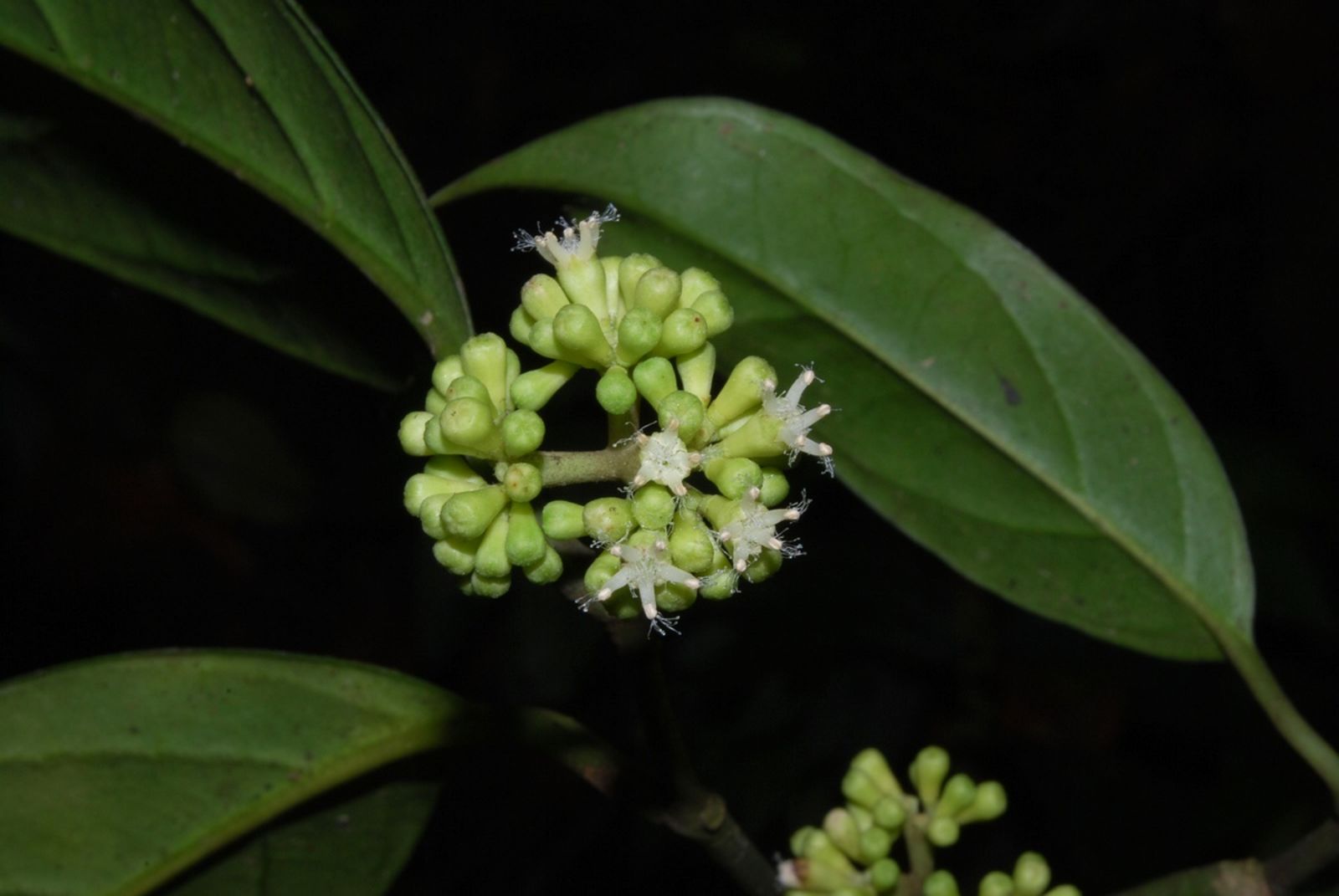
Gomphandra
Gomphandra is a genus of plant in family Stemonuraceae. They are dioecious trees or shrubs. The genus includes 44 accepted species, which range from India through Indochina to southern China and Taiwan, and through Malaysia, Indonesia, and the Philippines to New Guinea, Queensland, and the Solomon Islands.

Duma
genus of plants
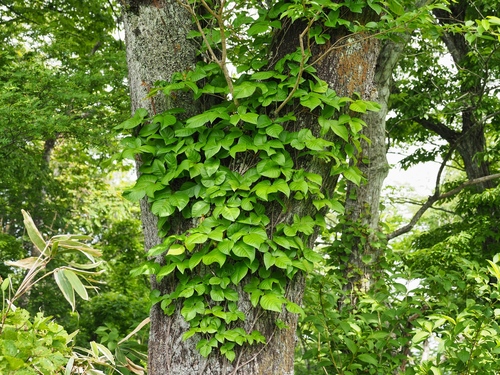
Toxicodendron orientale
species of plant
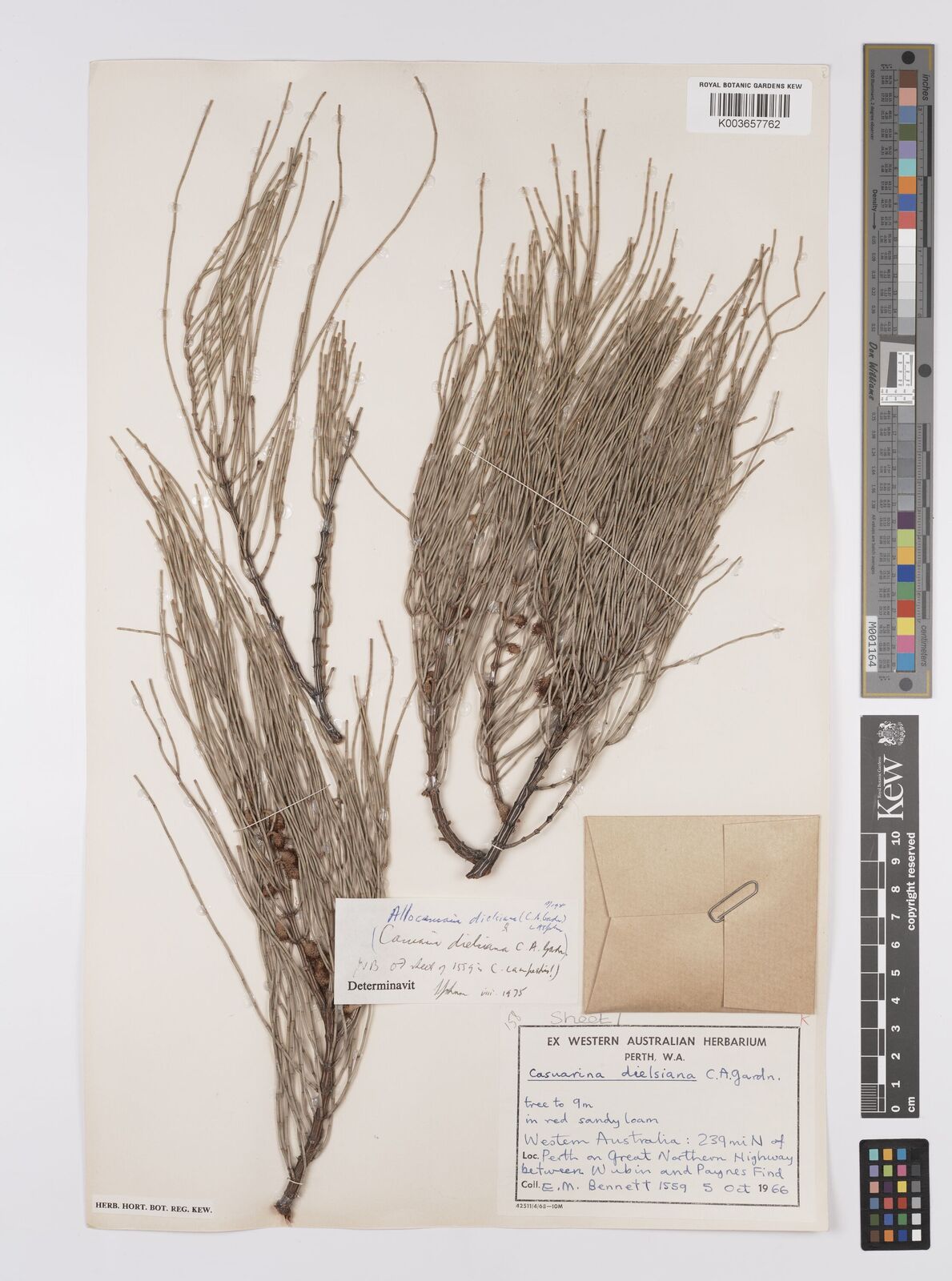
Allocasuarina dielsiana
species of plant
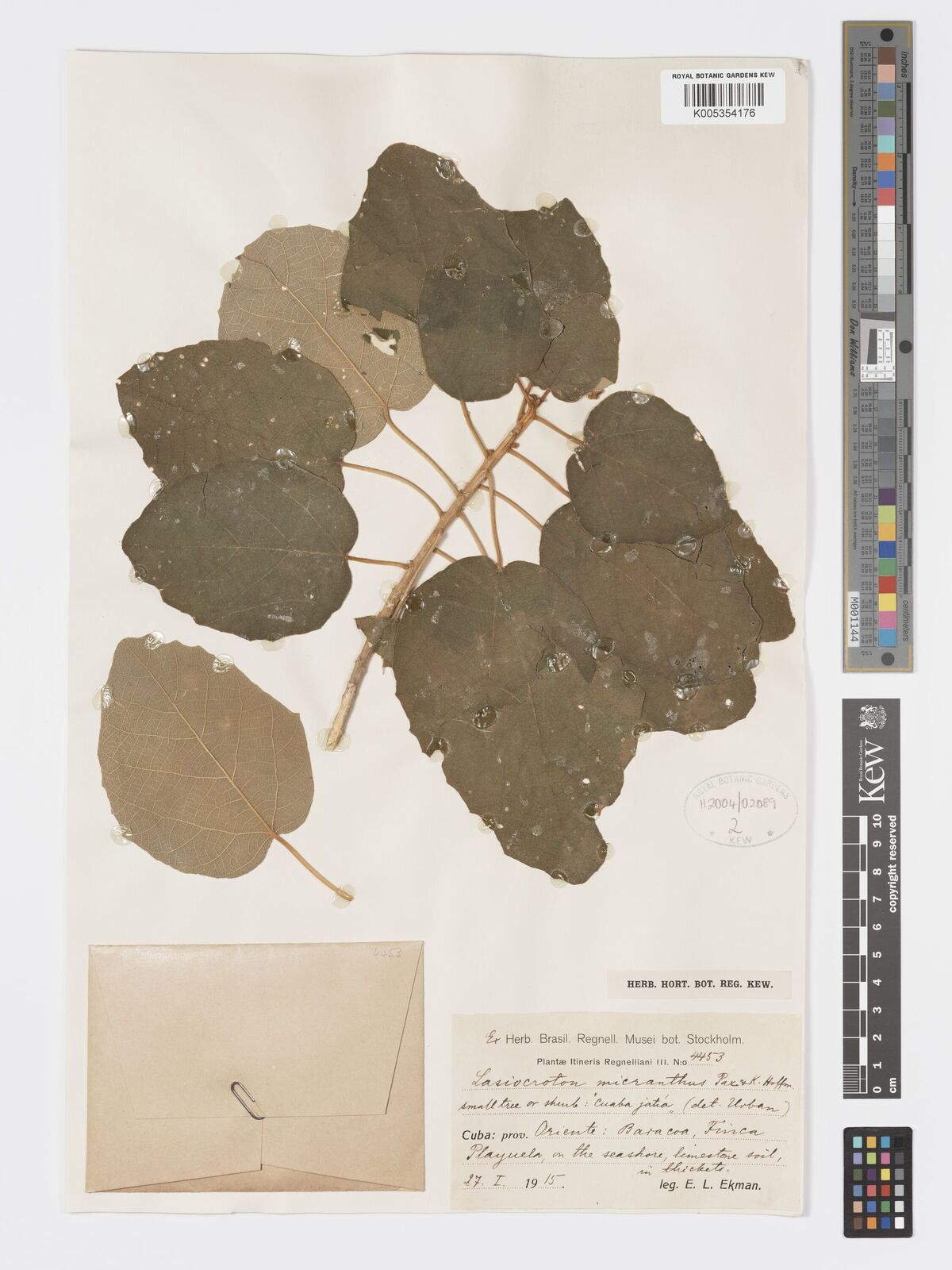
Lasiocroton
Lasiocroton is a plant genus of the family Euphorbiaceae first described as a genus in 1859. The genus is endemic to the West Indies. It is a member of the Leucocroton alliance, which also includes Leucocroton and Garciadelia. Species in this alliance are dioecious.

Melicytus lanceolatus
species of plant
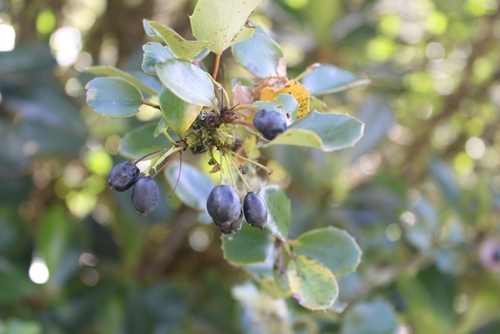
Benoistia
Benoistia is a genus of shrubs or trees of the spurge family (Euphorbiaceae) and the monotypic subtribe Benoistiinae. It was first described as a genus in 1939. The entire genus is endemic to Madagascar. It is dioecious.
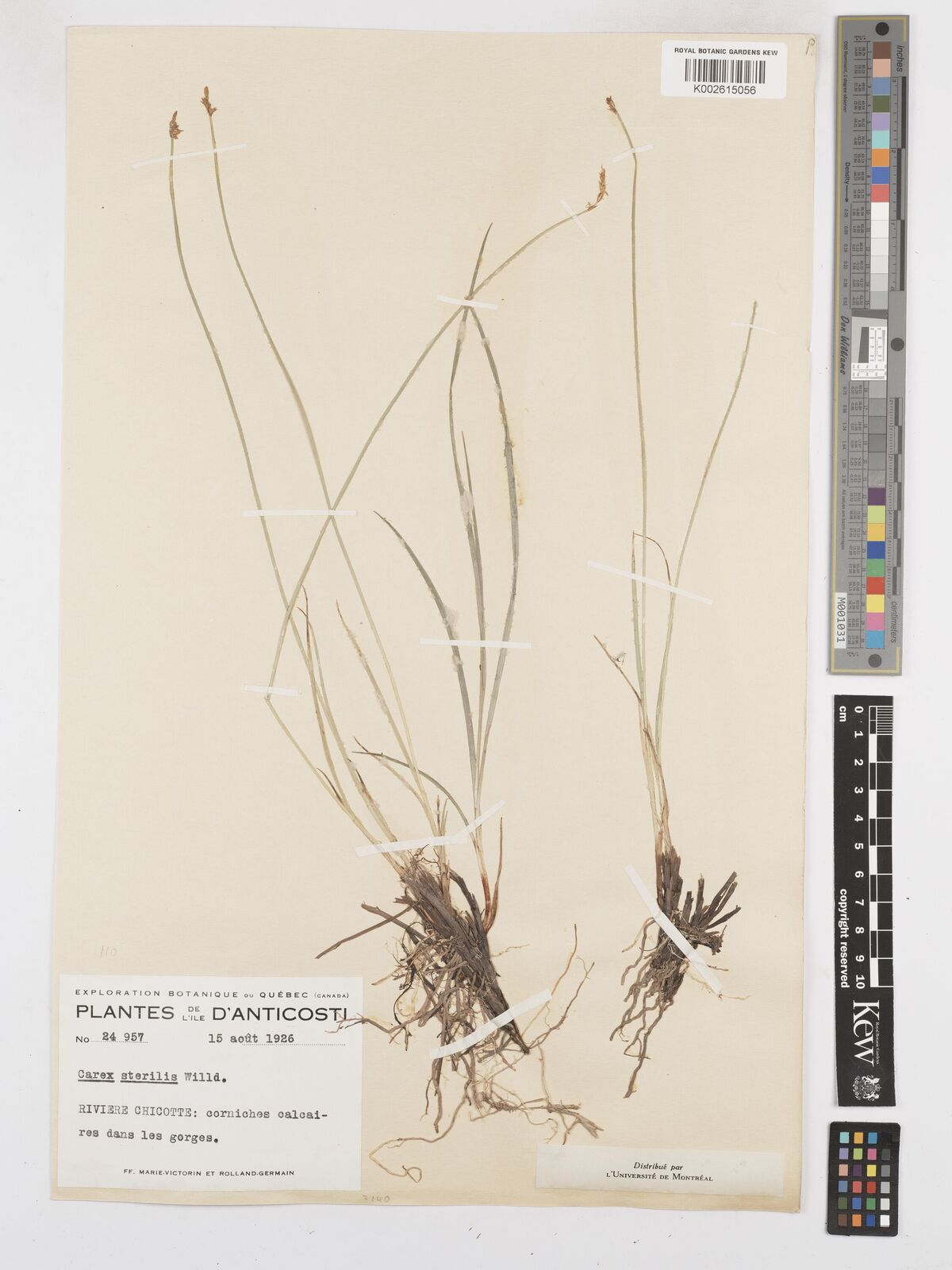
Carex sterilis
species of plant

Garcinia pseudoguttifera
species of plant
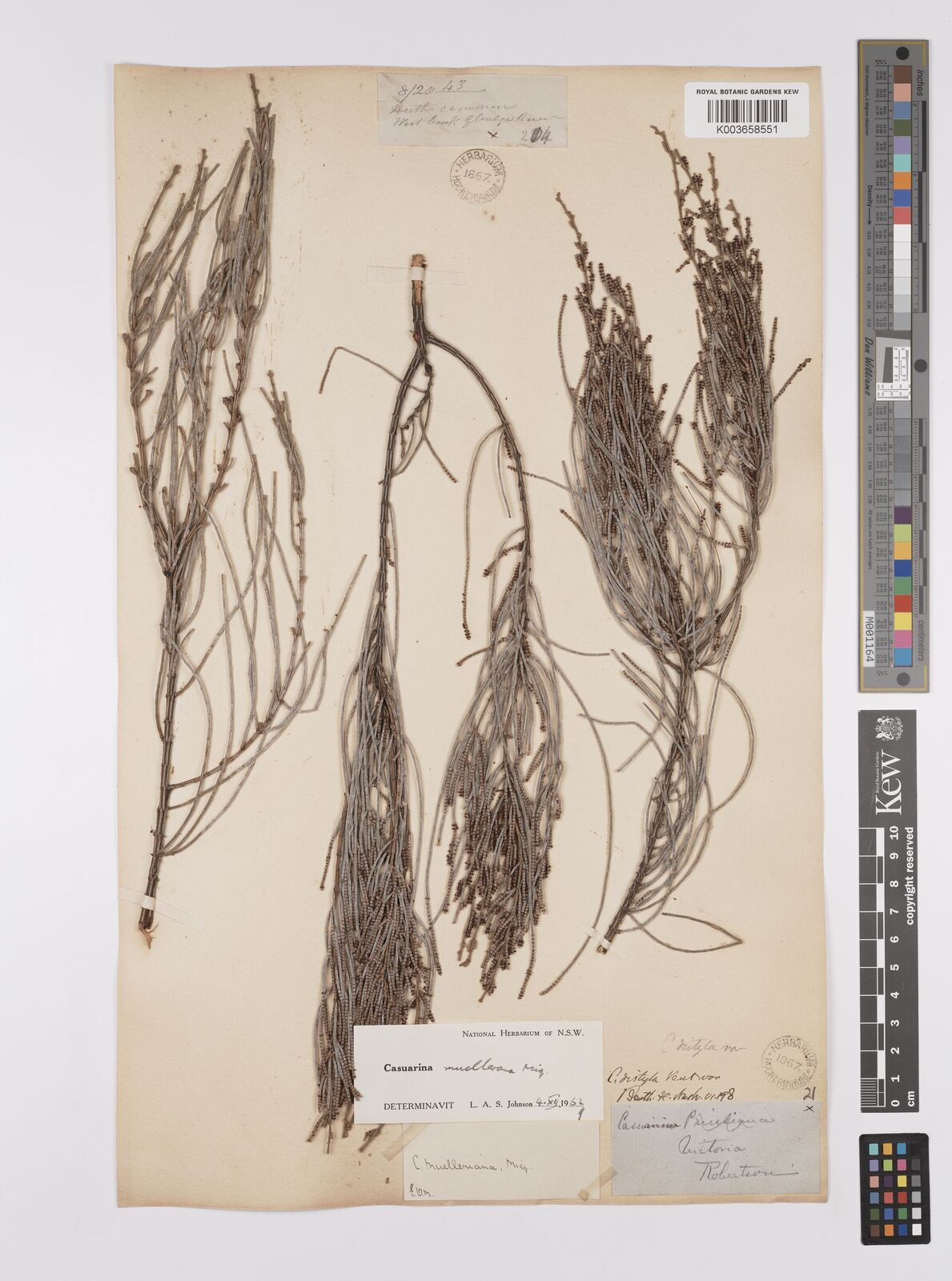
Allocasuarina muelleriana
species of plant
Juniperus lutchuensis
species of plant

Atriplex watsonii
species of plant
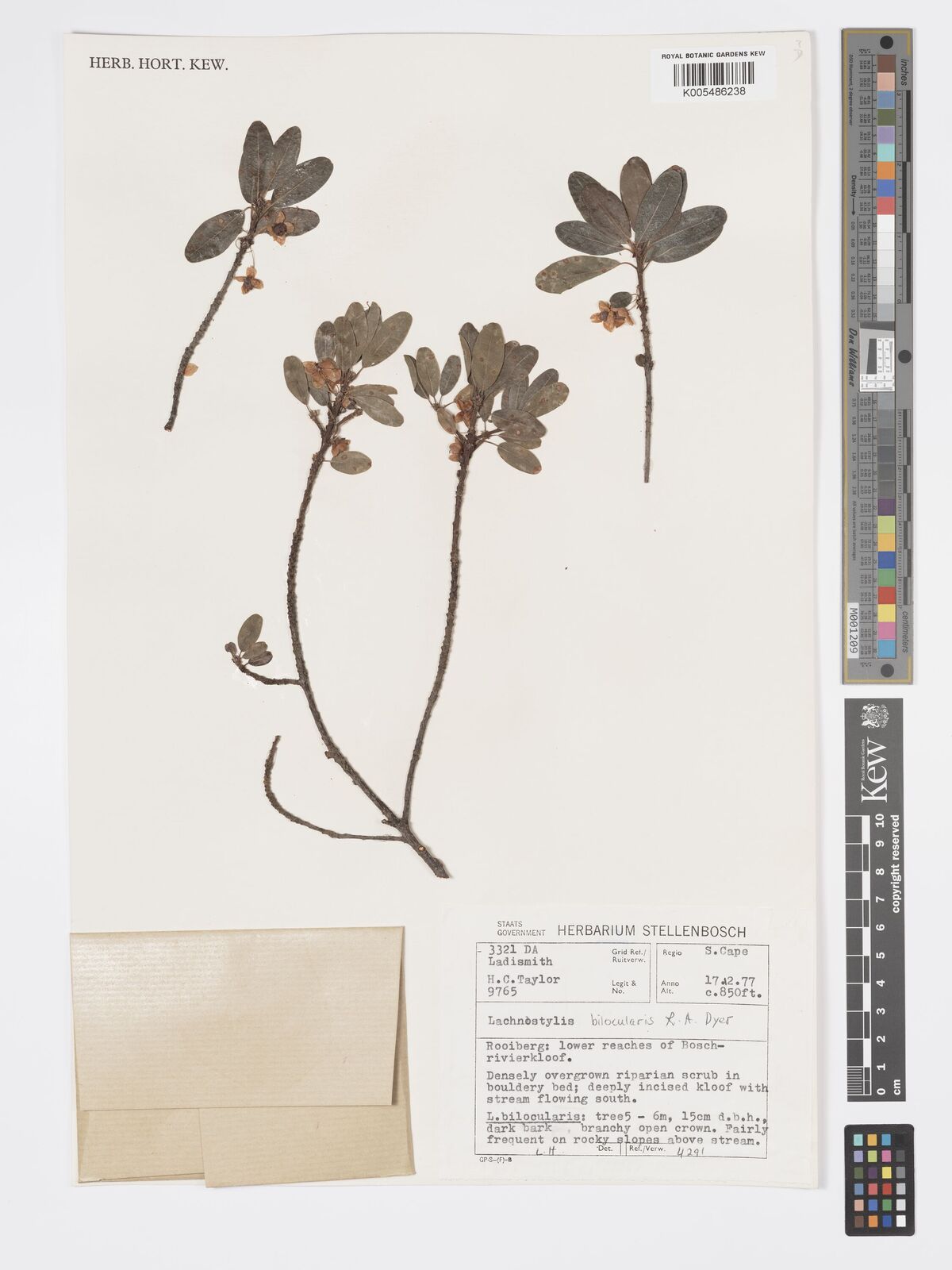
Lachnostylis
Lachnostylis is a genus of the family Phyllanthaceae first described as a genus in 1846. It is native to the Eastern Cape and the Western Cape Provinces of South Africa. It is often included in Savia. It is dioecious, with male and female flowers on separate plants.
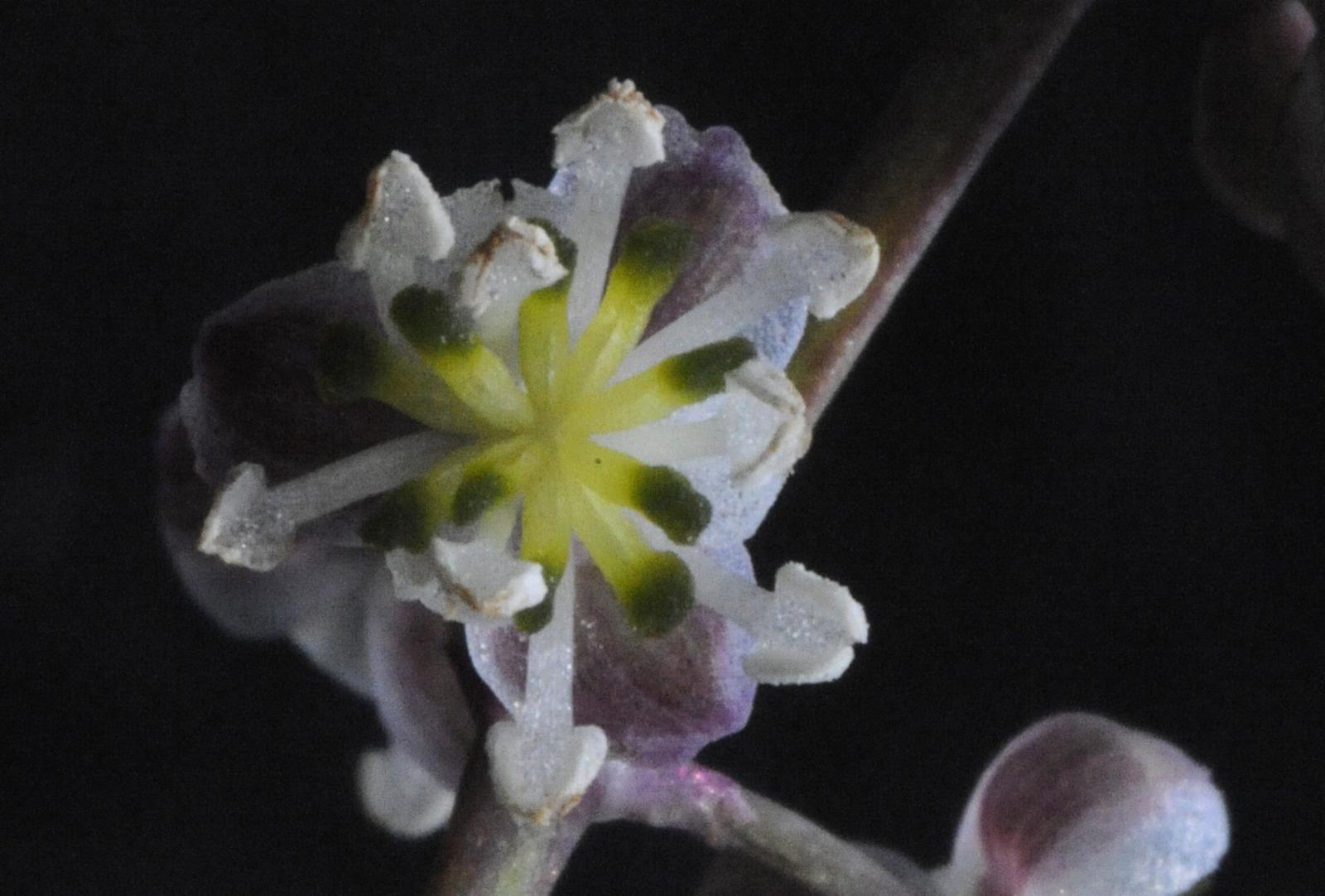
Burnatia
Burnatia is a genus in the family Alismataceae. It includes only one currently recognized species, Burnatia enneandra. It is native to tropical and southern Africa from Senegal to Tanzania to South Africa. Among genera of the Alismataceae, it can be distinguished by not having a differentiated perianth (in Burnatia the petals are reduced), and being dioecious, with male and female flowers on separate individuals. Male flowers have 6 to 9 stamens and female flowers have many carpels and up to 2 staminodia.
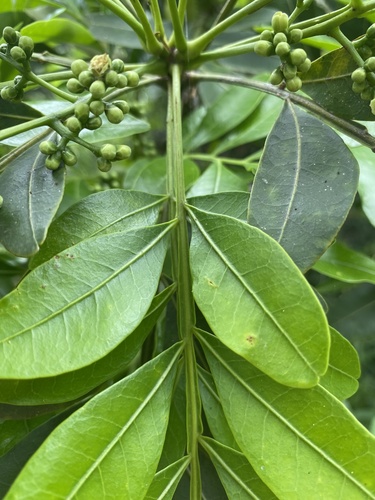
Owenia
genus of plants, mainly trees in the mahogany family Meliaceae

Galium multiflorum
species of plant

Gynocardia
Gynocardia is a genus of dioecious evergreen tree belonging to the Achariaceae family, containing the sole species Gynocardia odorata. The trees grow up to 30 m tall. The species is found in moist forests of mountain valleys in South Asia - India, South-east Tibet and Yunnan in China, Bangladesh, Nepal, Bhutan and Myanmar.
thumb|left|160px|An illustration of the leaves and fruit from Roxburgh's Plants of the coast of Coromandel