Category
page 1Durations
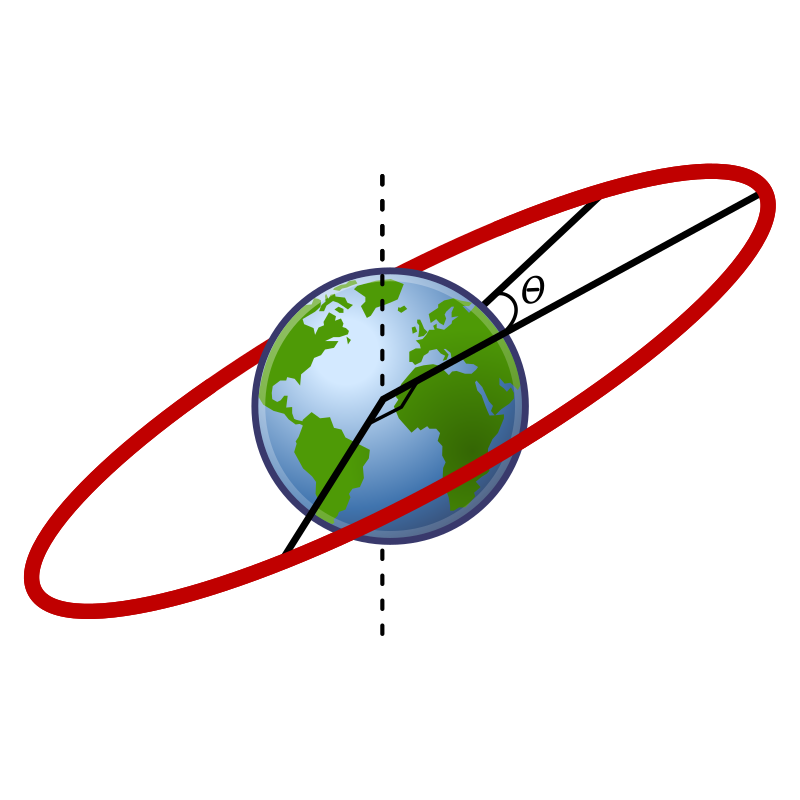
orbital period
time taken for a given object to make one complete orbit around another object, and applies in astronomy to mostly either planets or asteroids orbiting the Sun, moons orbiting planets, exoplanets orbiting other stars, or binary stars
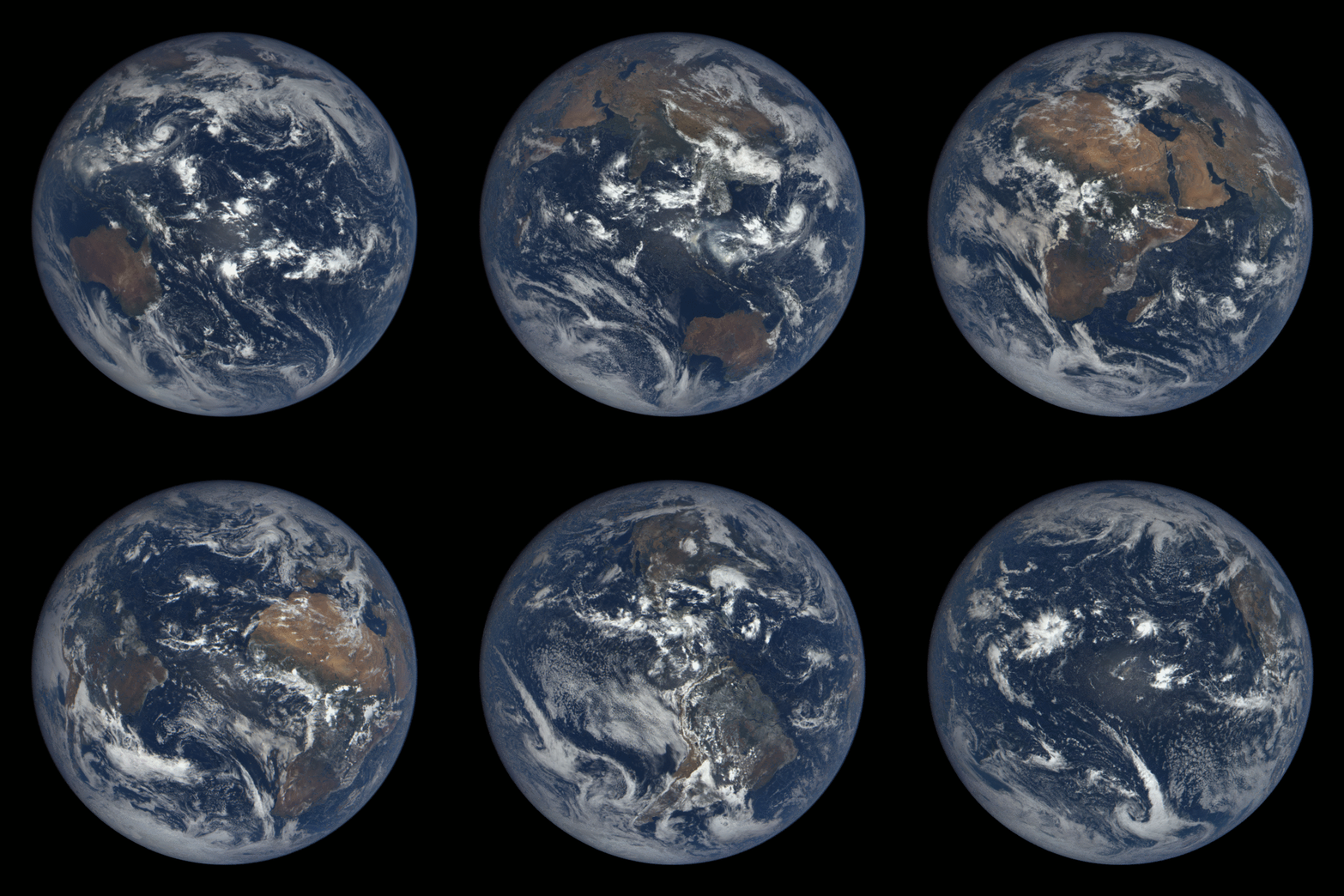
rotation period
(of a celestial object) time that it takes to complete one revolution around its axis of rotation relative to the background stars
.jpg)
4′33″
4′33″ is a modernist composition by American experimental composer John Cage. It was composed in 1952 for any instrument or combination of instruments; the score instructs performers not to play their instruments throughout the three movements. It is divided into three movements, lasting 30 seconds, 2 minutes and 23 seconds, and 1 minute and 40 seconds, respectively, although Cage later stated that the movements' durations can be determined by the musician. As suggested by the title, the composition lasts 4 minutes and 33 seconds. It is marked by silence except for ambient sound, which is inte
shutter speed
length of time when the film or digital sensor inside a camera is exposed to light

man-hour
thumb|class=skin-invert-image|upright=1.35|Human-hours worked per week in the United States, from 2006 to 2023
time constant
measure for the response of a dynamic system to a change of the system input
return period
scientific concept
eight minutes 46 seconds
amount of time, related to the killing of George Floyd, that a police officer kneeled on Floyd's neck
Time of concentration
water measurement
Elapsed real time
time from a computer program's start to its end