Category
page 1East Asia

East Asia
eastern region of Asia

Tibet
thumb|Greater Tibet regions and claims

Korea
Korea is a peninsular region in East Asia consisting of the Korean Peninsula, Jeju Island, and smaller islands. Since the end of World War II in Asia in 1945, it has been politically divided at or near the 38th parallel between North Korea (Democratic People's Republic of Korea; DPRK) and South Korea (Republic of Korea; ROK). Both countries proclaimed independence in 1948, and the two countries fought the Korean War from 1950 to 1953. The region is bordered by China to the north and Russia to the northeast, across the Amnok (Yalu) and Duman (Tumen) rivers, and is separated from Japan to the so
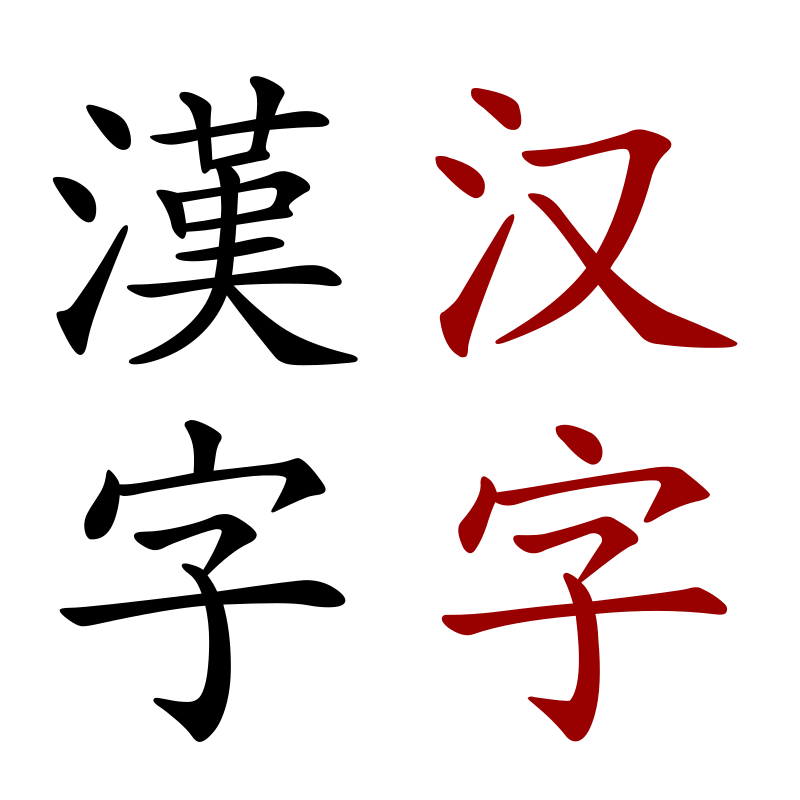
Chinese characters
logographic writing system with Han origin used in the Sinosphere for Chinese, Japanese, Korean and traditional Vietnamese languages

kanji
Kanji (; , hiragana: かんじ, Katakana: カンジ, , ) are logographic Chinese characters, historically adapted from Chinese writing scripts, used in the writing of Japanese. They comprised a major part of the Japanese writing system during the time of Old Japanese and are still used today, along with the subsequently derived syllabic (phonographic) scripts of and . Most Kanji characters have two pronunciations: ''kun'yomi, based on the sounds of vernacular Japanese, where the Kanji is often phonetically transcribed with furigana; and on'yomi, based on the imitation of the original Middle Chinese sound
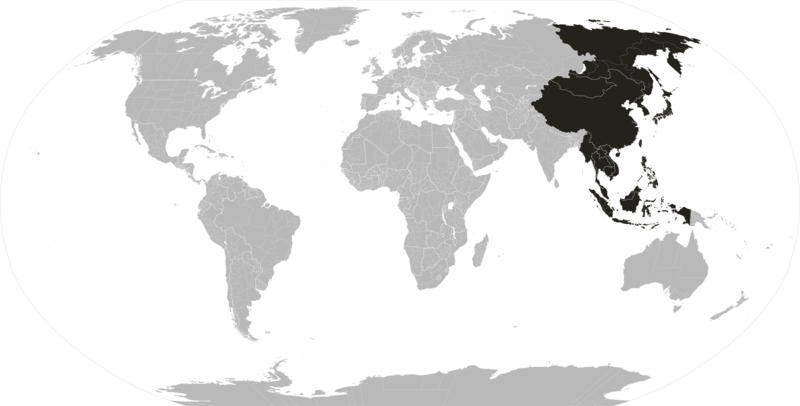
Far East
geographical idiom

Chinese New Year
Chinese New Year, also known as the Spring Festival, marks the beginning of a new year on the traditional lunisolar Chinese calendar. It is one of the most important holidays in Chinese culture. Marking the end of winter and the beginning of spring, this festival takes place from Chinese New Year's Eve to the Lantern Festival, held on the 15th day of the year. The first day of the Chinese New Year falls on the new moon that appears between 21 January and 20 February.

Hanja
Hanja (; ), alternatively spelled Hancha, are Chinese characters used to write the Korean language. After characters were introduced to Korea to write Literary Chinese, they were adapted to write Korean as early as the Gojoseon period.

Tartary
thumb|300px| Cary's Map of independent Tartary (in yellow) and Chinese Tartary (in violet), in 1808.
Tartary (Latin: Tartaria; ; ; ) or Tatary () was a blanket term used in Western European literature and cartography for a vast part of Asia bounded by the Caspian Sea, the Ural Mountains, the Pacific Ocean, and the northern borders of China, India, and Persia, at a time when this region was largely unknown to European geographers.

Sinosphere
thumb|Chinese dragons, legendary creatures in Sinosphere mythology and culture
thumb|A map of the families of List of writing systems|writing systems in East Asia, Southeast Asia, and South Asia. Red: [[Chinese characters; Green: Brahmi script; Blue: Aramaic (Mongolian script, Manchu alphabet, Old Uyghur alphabet, and Arabic script).]]
thumb|Map of the Sinosphere nations (Japan, Korea, China and Vietnam) in the 11th century
The Sinosphere, also known as the Chinese cultural sphere, East Asian cultural sphere, or the Sinic world, encompasses multiple countries in East Asia and Southeast Asia th
Regional Comprehensive Economic Partnership
2020 Asia-Pacific free trade agreement
Chinese name
naming customs of Chinese culture
Russian Manchuria
region in Russia
chữ Hán
Chinese characters used in the Vietnamese traditional writing system
Yujiulü Mugulü
Mugulü () was a legendary warrior and chieftain in the Mongolian Plateau during the period when it was under the rule of tribes and peoples originating from the fragmentation of the failed and crumbling Xianbei confederation. The term "Mongol" is a likely derivation from his name.
Eastern Himalaya
Flora: Oaks, mangnolias, laurels and birches covered with moss ferns; coniferous forests of pine, fir, yew and junipers with undergrowth of rhododendrons and dwarf bamboos; lichens, moses, orchids, and other epiphytes dominant (high humidity, rain)