Category
page 1Ectoparasites

Mosquito
Mosquitoes, the Culicidae, are a family of small flies consisting of 3,600 species. The word mosquito (formed by mosca and diminutive -ito) is Spanish and Portuguese for little fly. Mosquitoes have a slender, segmented body, one pair of wings, three pairs of long hair-like legs, and specialized, highly elongated, piercing-sucking mouthparts. All mosquitoes drink nectar from flowers; females of many species have adapted to also drink blood. The group diversified during the Cretaceous period. Evolutionary biologists view mosquitoes as micropredators, small animals that parasitise larger ones by

head louse
subspecies of insect

Pthirus pubis
species of insect

Pediculus humanus humanus
subspecies of insect
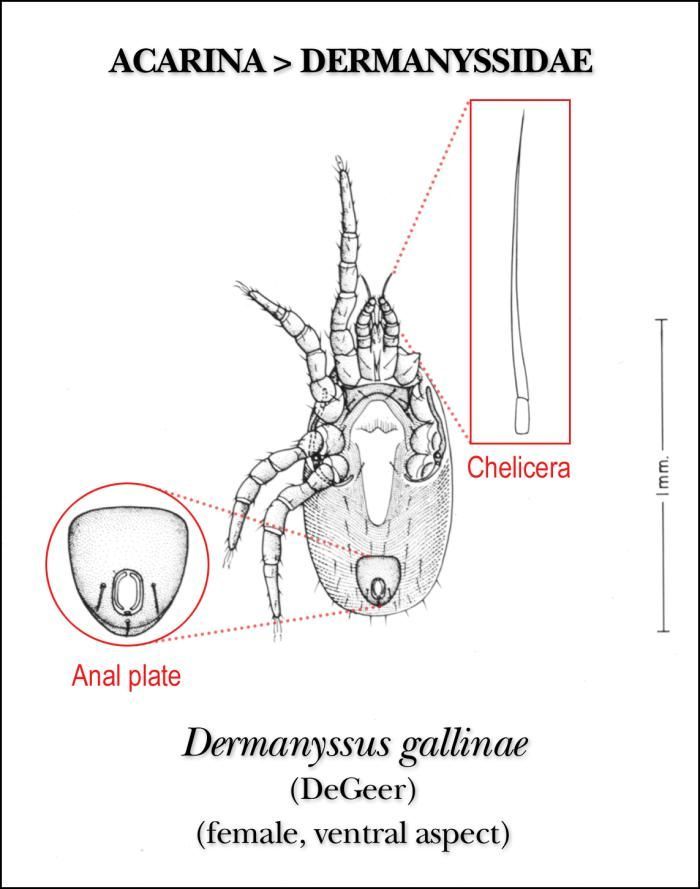
Dermanyssus gallinae
species of arthropods

Hippobosca equina
species of insect

Epipyropidae
thumb|Epipyrops exigua, female
The Epipyropidae comprise a small family of moths. This family and the closely related Cyclotornidae are unique among the Lepidoptera in that the larvae are ectoparasites, the hosts typically being fulgoroid planthoppers, thus the common name planthopper parasite moths. The family undergoes hypermetamorphosis, metamorphosing from triungular first instar larvae to highly modified second instars.
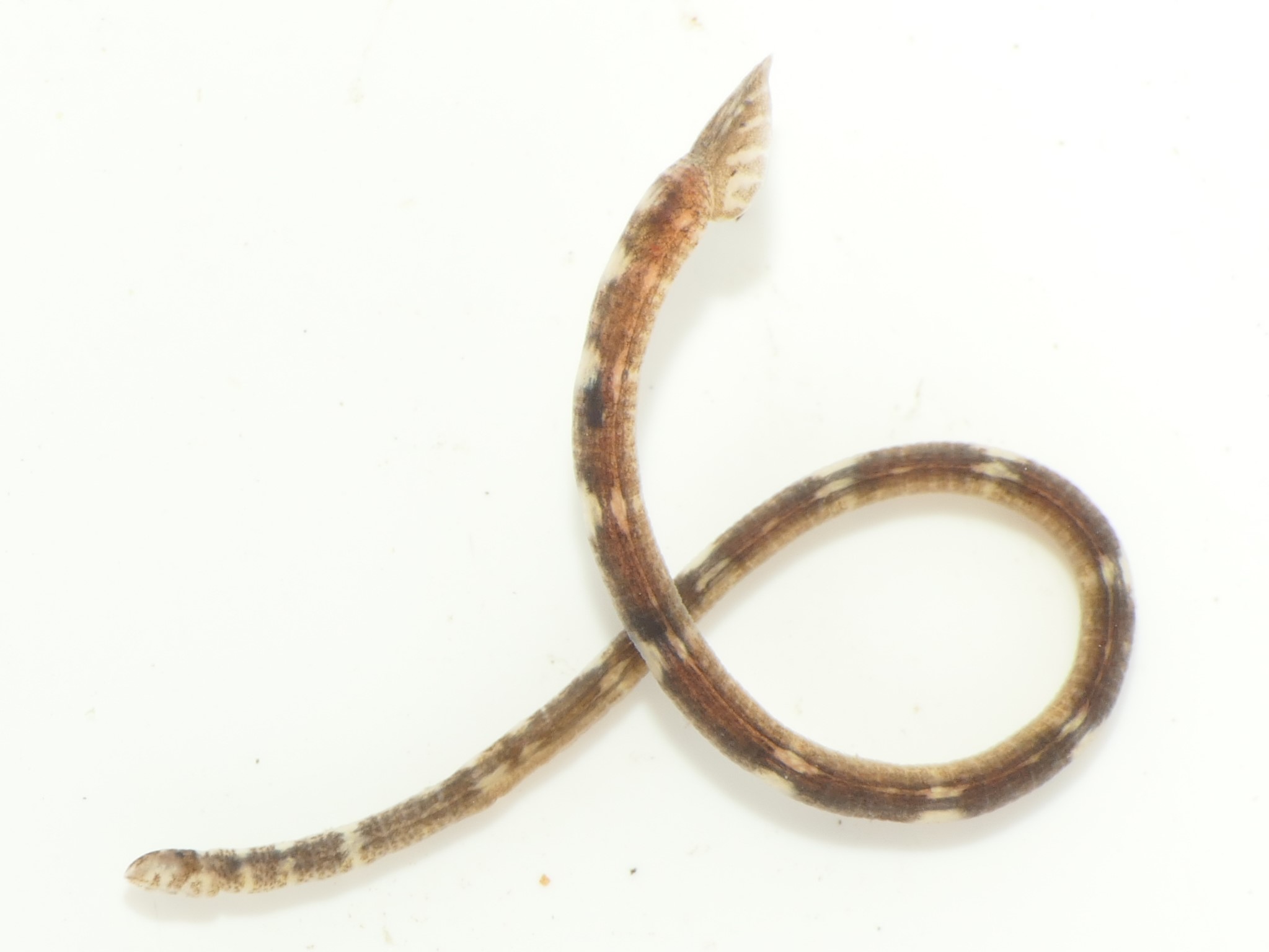
Piscicola geometra
species of annelid
Ichthyophthirius multifiliis
Parasitic species of protozoan

Caligidae
family of copepods

Gyrodactylus salaris
species of worm

Ceratophyllus gallinae
species of insect
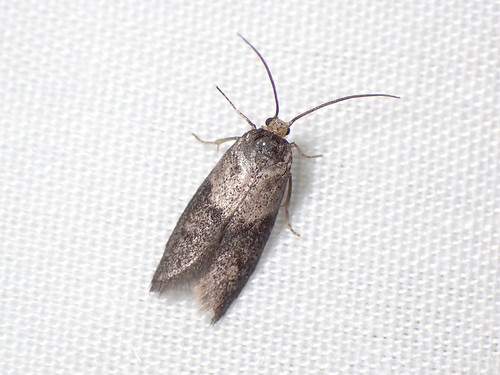
Cyclotorna
Cyclotorna is a genus of moths, the sole one of family Cyclotornidae, with five recognized species, all endemic to Australia. This family and the closely related Epipyropidae are unique among the Lepidoptera in that the larvae are ectoparasites, the hosts in this case typically being leafhoppers, sometimes scale insects. The larvae of cyclotornids, however, leave the hemipteran host and become predatory on the brood in ant nests, apparently using chemical cues to induce the ants to carry the larvae into the ant nest.

Menoponidae
Menoponidae is a monophyletic family of lice in the superfamily of chewing lice, Amblycera, often referred to as the chicken body louse family. They are ectoparasites of a wide range of birds including chickens, which makes them important to understand for veterinary science and for human health. However, Menoponidae are not exclusive to poultry and are common parasites for migratory birds, with more and more species being discovered every year.
Pyramidelloidea
Pyramidelloidea is a superfamily of mostly very small sea snails, marine gastropod mollusks and micromollusks within the clade Panpulmonata.
Stygotantulus stocki
Stygotantulus is a genus of crustacean with the sole species Stygotantulus stocki. It lives as an ectoparasite on harpacticoid copepods of the families Tisbidae and Canuellidae. It may be the smallest arthropod in the world, at a length of less than . The specific name stocki commemorates Jan Hendrik Stock, a Dutch carcinologist.
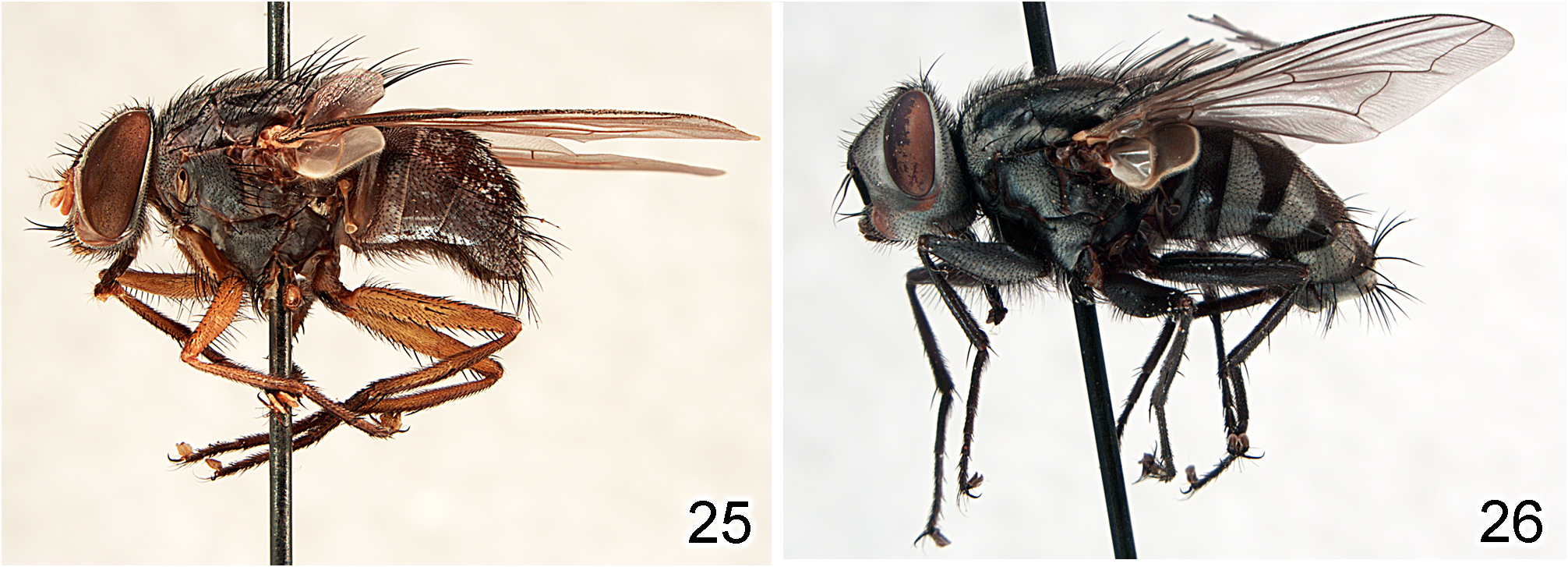
Philornis downsi
species of insect

Philornis
Philornis is a genus of around 50 species of fly (Diptera, Muscidae) from Central and South America. Their larvae are subcutaneous parasites of nestling birds. They are sometimes referred to as "bot flies", though they are not related to true bot flies (family Oestridae).

Aedes taeniorhynchus
species of insect

Ceratophyllus borealis
species of insect
ectoparasitism
parasitic disease caused by organisms that live primarily on the surface of the host
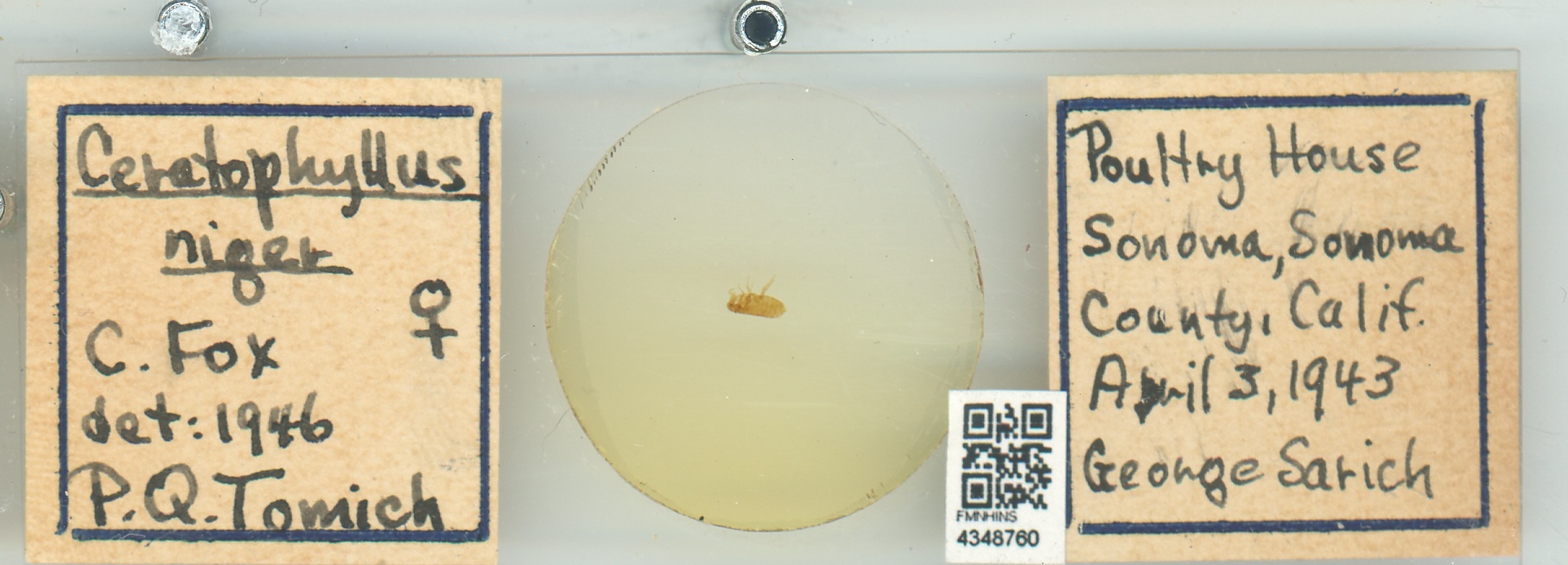
Ceratophyllus niger
species of insect
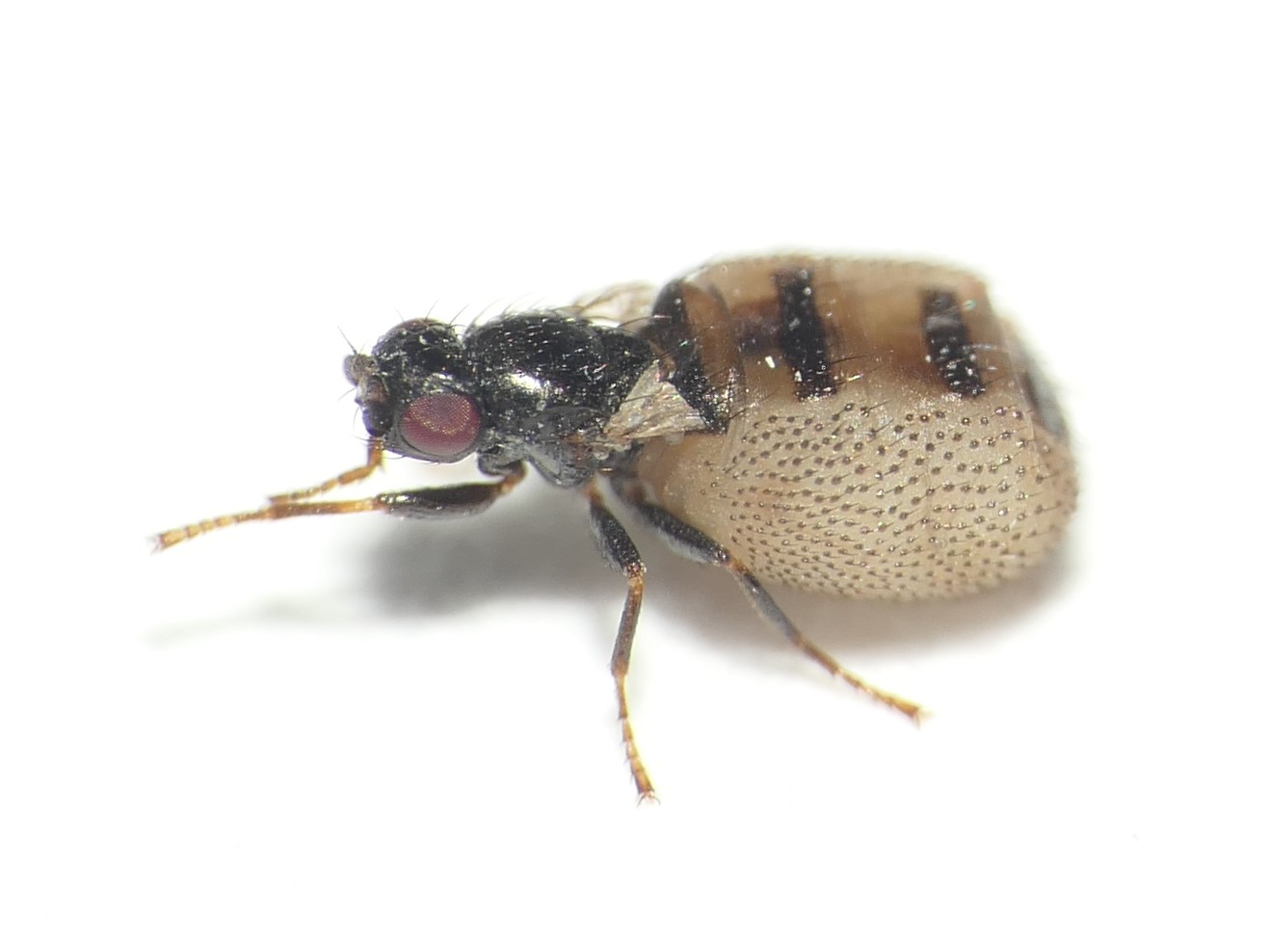
Carnus hemapterus
species of insect

Streblidae
The Streblidae are a family of flies in the superfamily Hippoboscoidea, and together with their relatives the Nycteribiidae, are known as bat flies. They are winged or wingless ectoparasites of bats, and often have long legs. They appear to be host-specific, with different species of bat flies occurring only on particular species of bat hosts, sometimes with multiple species of flies sharing a host bat.
Ixodes neuquenensis
species of arachnid

Pontobdella muricata
species of annelid

Hippobosca camelina
species of insect

Ceratothoa steindachneri
species of crustacean
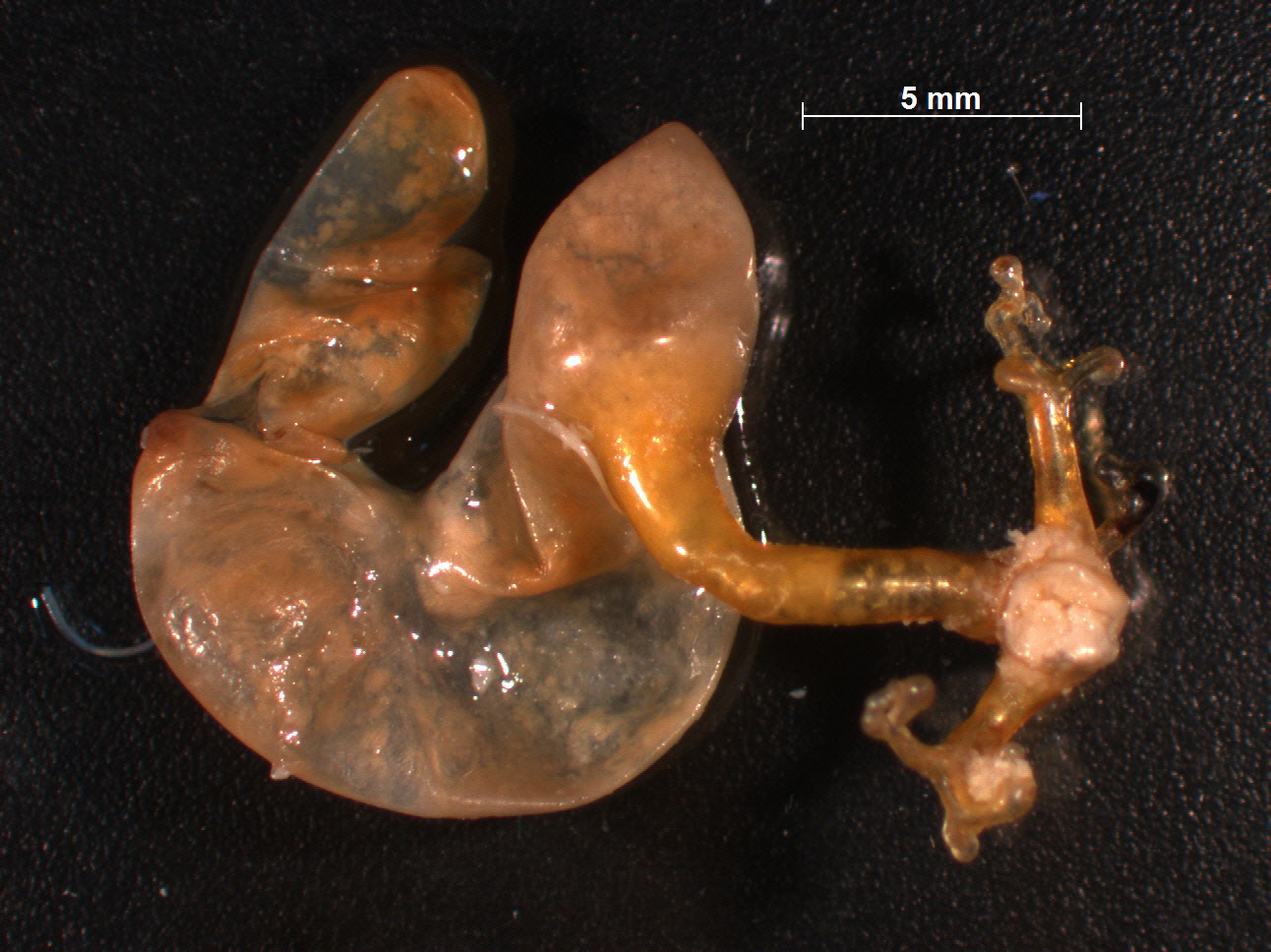
Lernaeocera branchialis
species of arthropods

Acanthochondria limandae
species of crustacean

Myzobdella lugubris
species of annelid

Hippobosca variegata
species of insect
Ornithonyssus sylviarum
species of Arachnida

Hippobosca rufipes
species of insect
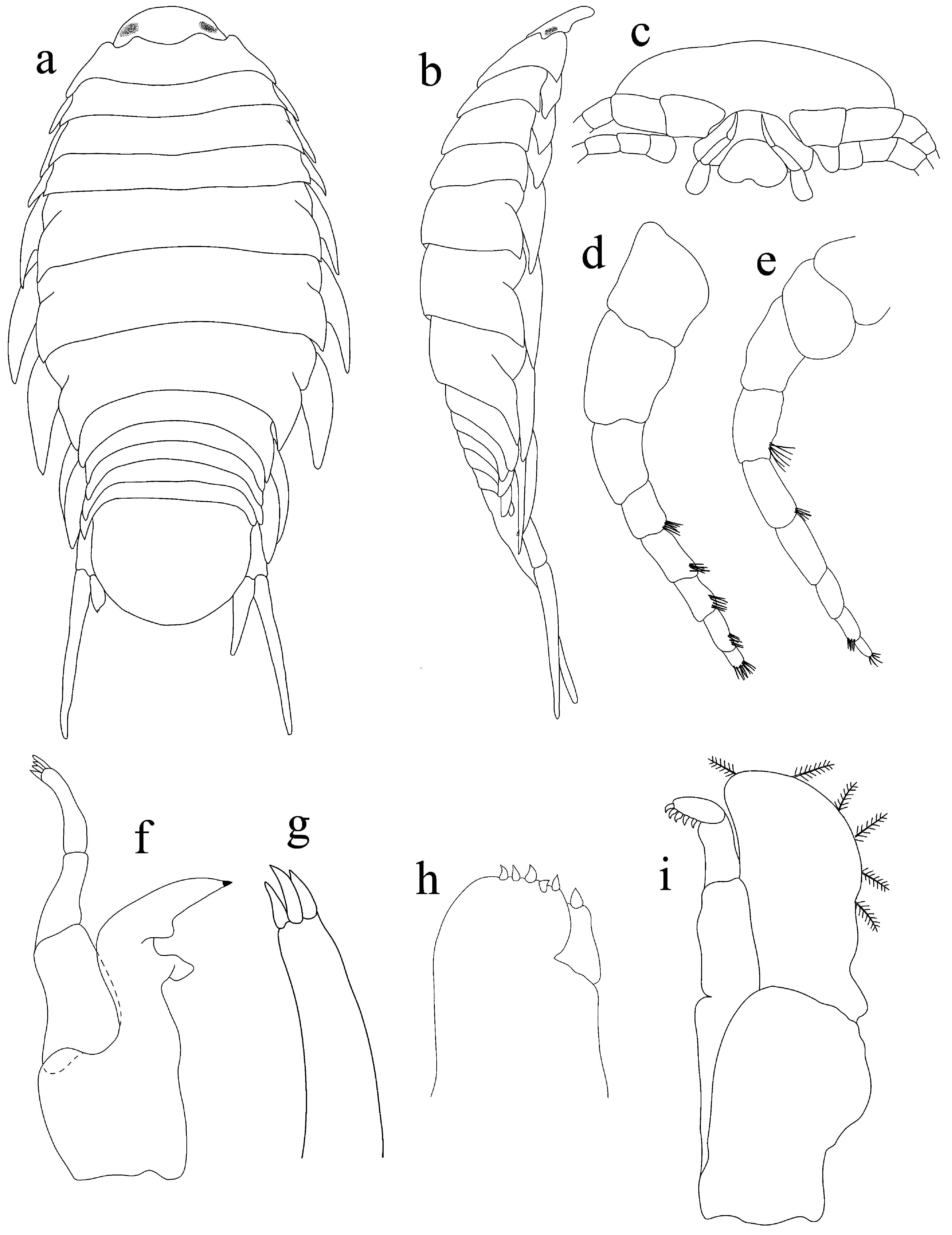
Nerocila depressa
species of crustacean

Chondracanthus merluccii
species of crustacean

Gnathia pilosus
species of crustacean
Felicola isidoroi
species of insect
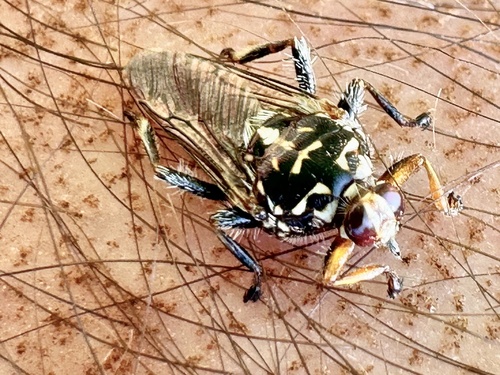
Hippobosca hirsuta
species of insect

Quadraceps
Quadraceps is a genus of louse. They are ectoparasites of birds in the order Charadriiformes, and the genus was circumscribed in 1939 by Theresa Clay and Richard Meinertzhagen.
Infestation is believed to increase the rate of nest desertion, lowers the success rate of baby birds hatching, reduces the number of birds in the clutch, and cause birds to attract fewer mates. All in all, the survival of the nestlings is lowered drastically.

Trachelobdella lubrica
species of annelid
feather mite
ectoparasite of birds
Hippobosca fulva
species of insect

Colpocephalum
Colpocephalum is a genus of chewing louse. Christian Ludwig Nitzsch named the genus in 1818. The Plenary Powers of the International Commission on Zoological Nomenclature selected Colpocephalum zebra as its type species in the 1950s. There are approximately 135 species in this genus, and they are ectoparasites of birds in at least a dozen different orders.
Colpocephalum californici
species of louse

Actornithophilus
Actornithophilus is a genus of louse in the family Amblycera. It was circumscribed by Gordon Floyd Ferris in 1916. Its species are ectoparasites of birds in the order Charadriiformes.

Strebla
Strebla is a genus of fly that sucks the blood out of host specific bats. Even though the genus Strebla is not very well researched there are a handful of species under this genus.