Category
page 1Edible insects

Bombyx mori
insect from the moth family

Orthoptera
Orthoptera () is an order of insects that comprises the grasshoppers, locusts, and crickets, including closely related insects, such as the bush crickets or katydids and wētā. The order is subdivided into two suborders: Caelifera – grasshoppers, locusts, and close relatives; and Ensifera – crickets and close relatives.

Gryllotalpidae
family of orthopterans

locust
thumb|Locusts, such as this migratory locust (Locusta migratoria), are grasshoppers in a migratory phase of their life.
thumb|Millions of swarming [[Australian plague locusts on the move]]

Tenebrio molitor
thumb|Mealworms, larvae of Tenebrio molitor, illustrated by Des Helmore

Lytta vesicatoria
species of insect
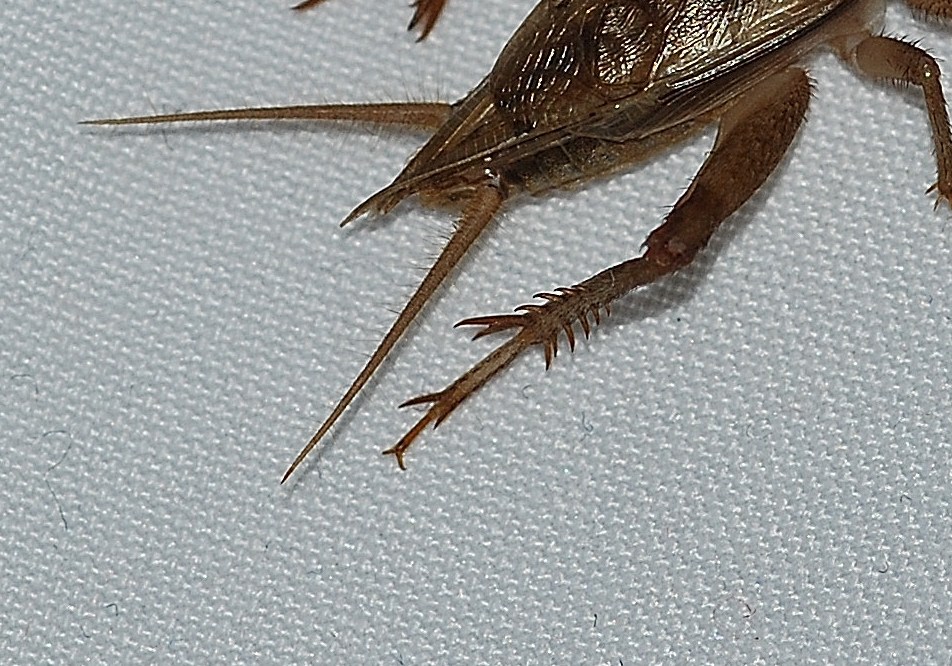
Acheta domestica
species of insect

Locusta migratoria
most widespread locust species

Hermetia illucens
species of insect

Cicadoidea
The cicadas () are a superfamily, the Cicadoidea, of insects in the order Hemiptera (true bugs). They are in the suborder Auchenorrhyncha, along with smaller jumping bugs such as leafhoppers and froghoppers. The superfamily is divided into two families, the Tettigarctidae, with two species in Australia, and the Cicadidae, with more than 3,000 species described from around the world; many species remain undescribed. Nearly all cicada species are annual cicadas with the exception of the few North American periodical cicada species, genus Magicicada, which in a given region emerge en masse every

Magicicada
genus of insect of eastern North America
%2C%20Vohimana%20reserve%2C%20Madagascar%20(13569458513).jpg)
Belostomatidae
Belostomatidae is a family of freshwater hemipteran insects known as giant water bugs or colloquially as toe-biters, Indian toe-biters, electric-light bugs (because they fly to lights in large numbers), alligator ticks, or alligator fleas (in Florida). They are the largest insects in the order Hemiptera. There are about 170 species found in freshwater habitats worldwide, with more than 110 in the Neotropics, more than 20 in Africa, almost as many in the Nearctic, and far fewer elsewhere. These predators are typically encountered in freshwater ponds, marshes and slow-flowing streams. Most speci

Gonimbrasia belina
species of insect
honeypot ant
ants which have specialized workers that are gorged with food to the point that their abdomens swell enormously
Myrmecocystus
Myrmecocystus is a North American genus of ants in the subfamily Formicinae. It is one of five genera that includes honeypot ants. Worker ants keep and tend plerergates, which are other ants that store large quantities of nutritious fluid in their abdomens to feed the colony during famine times. Some species engage in highly territorial tournaments, which can result in intraspecific slavery. During the raids, they carry off larvae, workers, and plerergates. The genus has three subgenera, namely Myrmecocystus, Endiodioctes, and Eremnocystus.

Atta laevigata
species of ant

Huhu beetle
species of insect
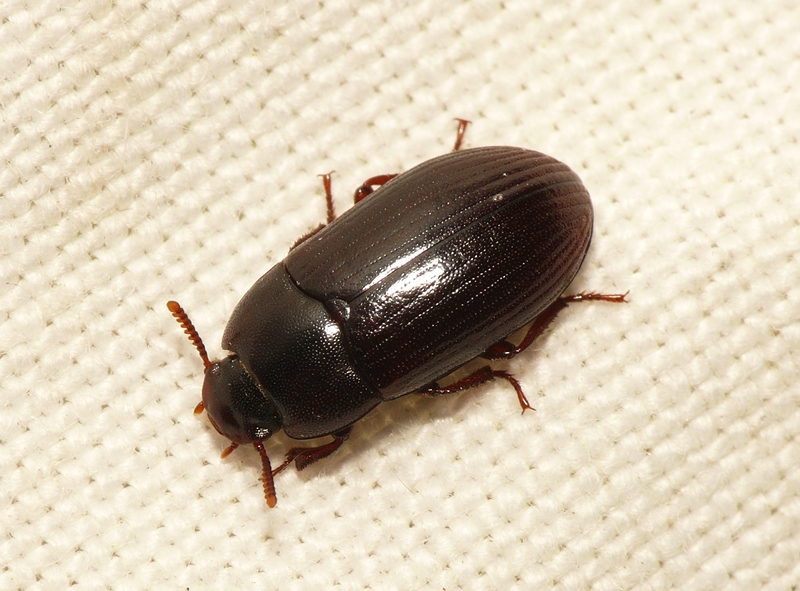
Alphitobius diaperinus
species of beetle

Prionus californicus
species of beetle

Bogong moth
species of insect

Tessaratomidae
Tessaratomidae is a family of true bugs. It contains about 240 species of large bugs divided into 3 subfamilies and 56 genera.
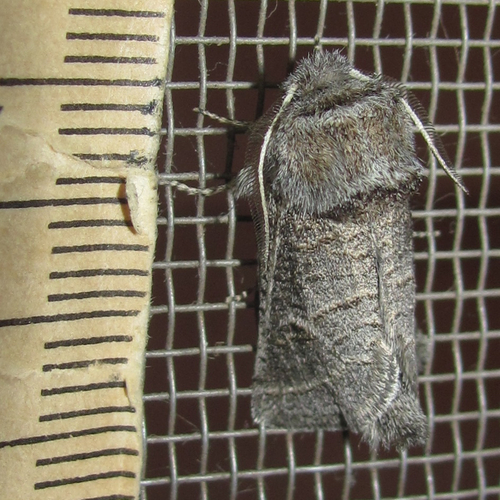
Comadia redtenbacheri
species of insect

Ruspolia nitidula
species of insect

Lethocerus indicus
species of true bug

Aegiale hesperiaris
species of insect

Atta mexicana
species of insect

Camponotus inflatus
species of insect
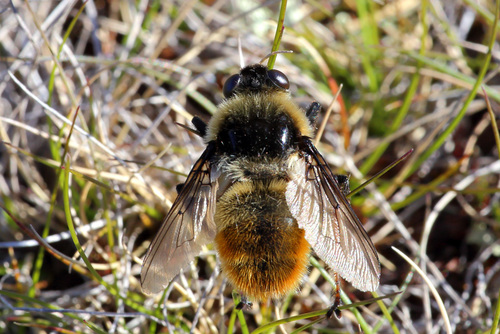
Hypoderma tarandi
species of insect

Sternocera aequisignata
species of beetle

Zonocerus variegatus
species of insect
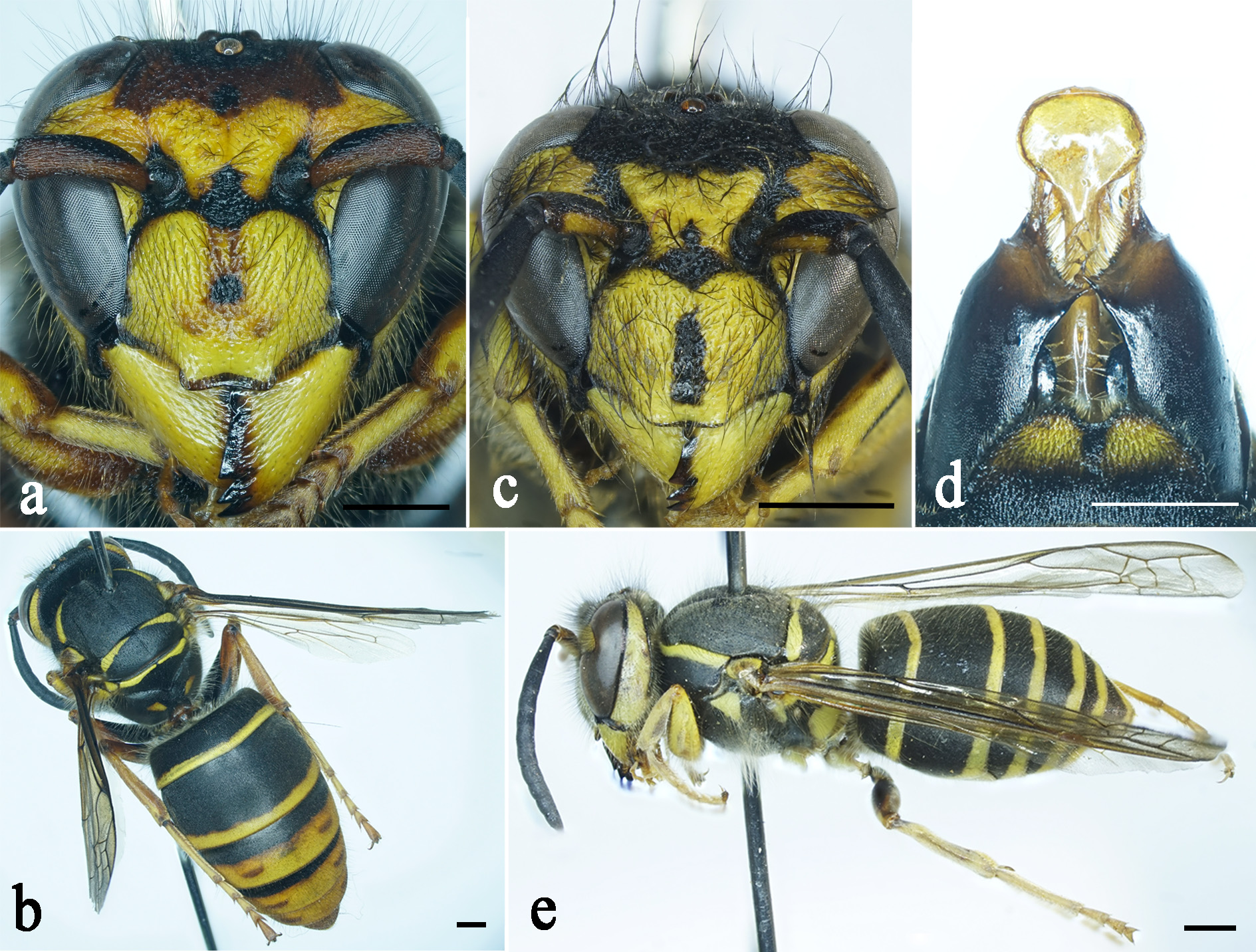
Vespula flaviceps
species of insect

Sphenarium purpurascens
species of insect

Cyclocephala borealis
species of beetle
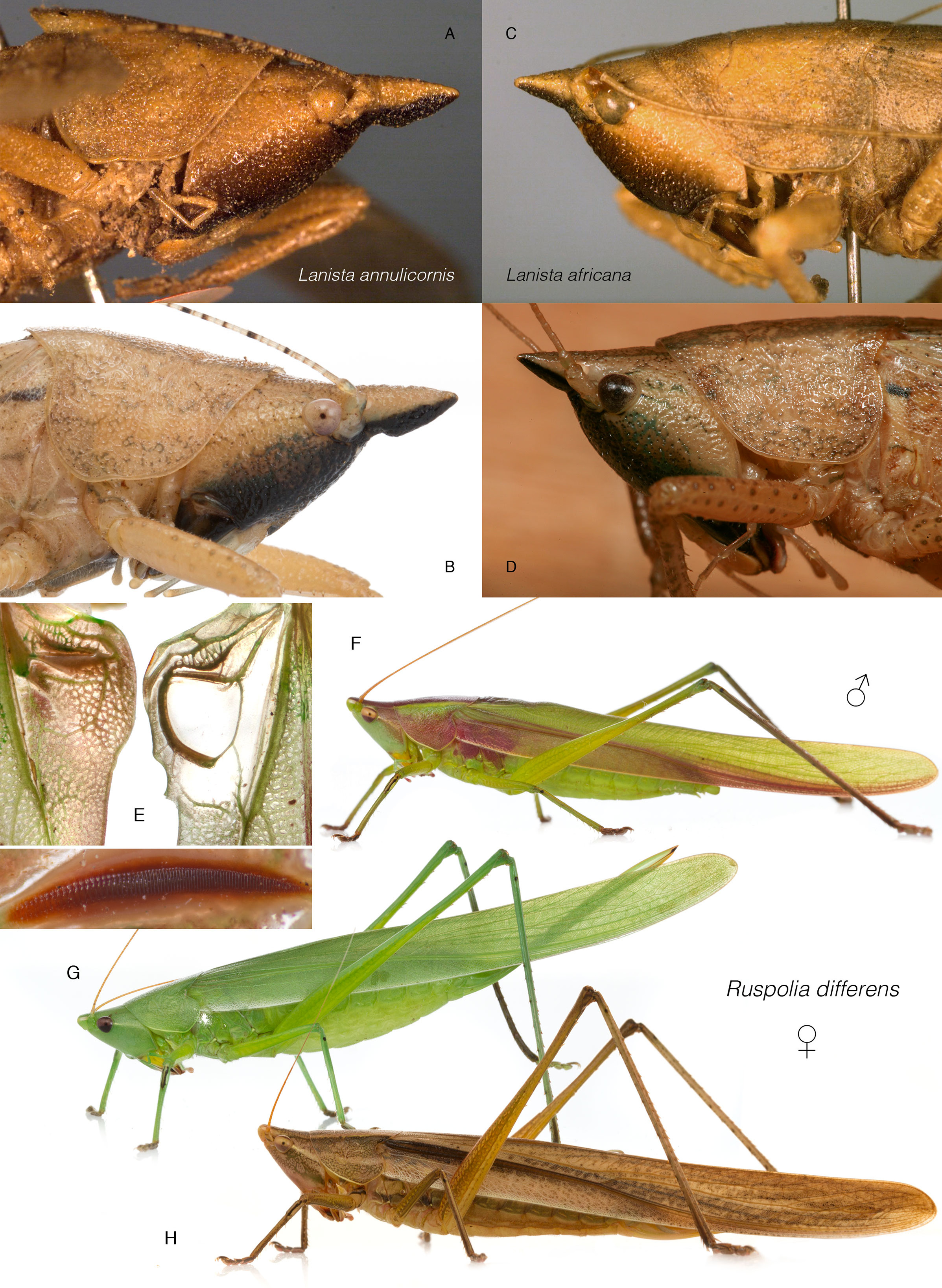
Ruspolia differens
Nsenene is the Luganda name for Ruspolia differens: a bush cricket (a.k.a. katydids or misnamed "long-horned grasshoppers") in the tribe Copiphorini of the 'cone-head' subfamily. It is often confused with the closely related Ruspolia nitidula.

Liometopum occidentale
species of ant

Sternocera ruficornis
species of beetle

Cybister explanatus
species of insect

Liometopum apiculatum
species of insect

Scyphophorus acupunctatus
species of insect
Hieroglyphus daganensis
species of insect
Pandora Pinemoth
species of insect

Kraussella amabile
species of insect
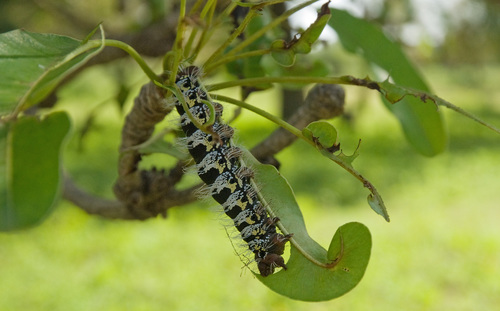
Cirina butyrospermi
species of insect
Fangalabola
Fangalabola (Deborrea malgassa) is a species of bagworm moth native to Madagascar.

Pseudophyllus titan
species of insect
witchetty grub
common name

Kraussaria angulifera
species of insect
Omphisa fuscidentalis
species of insect
Acorypha glaucopsis
species of insect
Jumiles
Jumiles (; ) are small stink bugs native to the Taxco region of the state of Guerrero in Mexico. Their diet includes the leaves of the encina (Quercus ilex) tree. Chumiles are a smaller, similar stink bug of the same region (southern Morelos and northern Guerrero). Any edible Hemiptera from the families Coreidae or Pentatomidae may be considered jumiles as well.

Zanna tenebrosa
species of insect
Darthula
Darthula is a genus of treehopper and is the only Old World representative of the family Aetalionidae. Two species are known from the Himalayas, Darthula hardwickii and Darthula xizangensis. Darthula hardwickii is found in parts of northeastern India and is traditionally eaten in Nagaland.