Category
page 1Edible palms

Cocos nucifera
The coconut (Cocos nucifera) is a member of the palm family (Arecaceae) and the only living species of the genus Cocos. The term "coconut" (or the archaic "cocoanut") can denote the whole coconut palm tree or the large hard fruit. Originally native to Central Indo-Pacific, they are ubiquitous in coastal tropical regions.

Phoenix dactylifera
palm tree cultivated for its edible sweet fruit

Euterpe oleracea
species of plant

areca nut
the seed of the areca palm
palm sugar
sugar extracted from the sap of palm trees
heart of palm
vegetable harvested from the inner core of certain palm trees
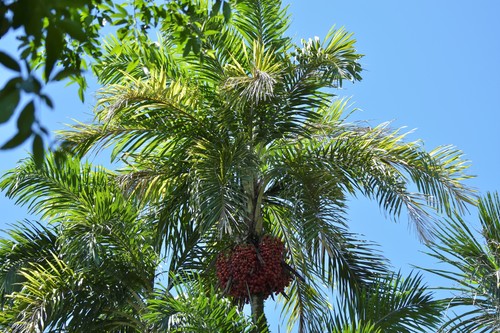
Bactris gasipaes
species of plant

Borassus
Borassus (palmyra palm) is a genus of five species of fan palms, native to tropical regions of Africa, Asia, and Papua New Guinea.

Butia
Butia is a genus of palms in the family Arecaceae, native to the South American countries of Brazil, Paraguay, Uruguay and Argentina. Many species produce edible fruits, which are sometimes used to make alcoholic beverages and other foods. The name is derived from a Brazilian vernacular word for members of the genus.
palm syrup
Edible syrup
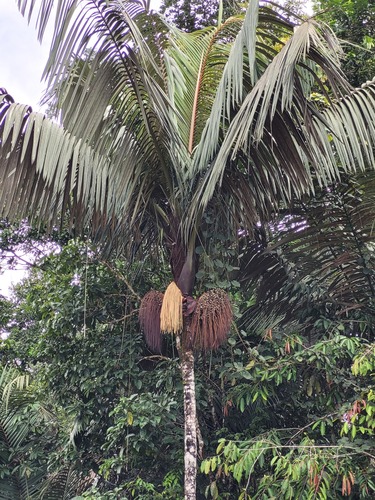
Oenocarpus bataua
species of plant
Tubâ
Tubâ () is a traditional Filipino palm wine made from the naturally fermented sap of various species of palm trees. During the Spanish colonial period, tubâ was introduced to Guam, the Marianas, and Mexico via the Manila galleons. It remains popular in Mexico, especially in the states of Colima, Jalisco, Michoacán, Nayarit, and Guerrero. Tubâ was also introduced to the Torres Strait Islands of Australia in the mid-19th century by Filipino immigrant workers in the pearling industry.
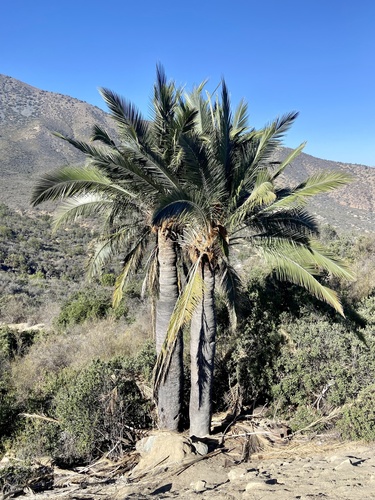
Jubaea
Jubaea is a genus of palms with one species, Jubaea chilensis, commonly known in English as the Chilean wine palm or Chile cocopalm, and palma chilena in Spanish. It is native to southwestern South America and is endemic to a small area of central Chile between 32°S and 35°S in southern Coquimbo, Valparaíso, Santiago, O'Higgins, and northern Maule regions.

Eleiodoxa
Eleiodoxa is a monotypic genus of flowering plant in the palm family found in Southeast Asia. The only species, Eleiodoxa conferta, is a dioecious, swamp-dwelling plant, commonly called by Malay as asam kelubi or asam paya. While five species names have been published, the other four are usually recognized as synonyms of the lectotype E. conferta. The genus is named from two Greek words meaning "water" and "glory" and the species name is Latin for "congested", an allusion to the flower spike.