Category
page 1Elementary arithmetic

zero
integer number zero; neutral element for the addition

addition
right|thumb|upright=0.5|alt=Diagram: One column containing three apples, and another column containing two apples; put together, there are 5 apples in total.|3 + 2 = 5 with apples, a popular choice in textbooks

multiplication
thumb|Four bags with three marbles per bag gives twelve marbles (4 × 3 = 12).
thumb|Multiplication can also be thought of as Scale factor|scaling. Here, 2 is being multiplied by 3 using scaling, giving 6 as a result.
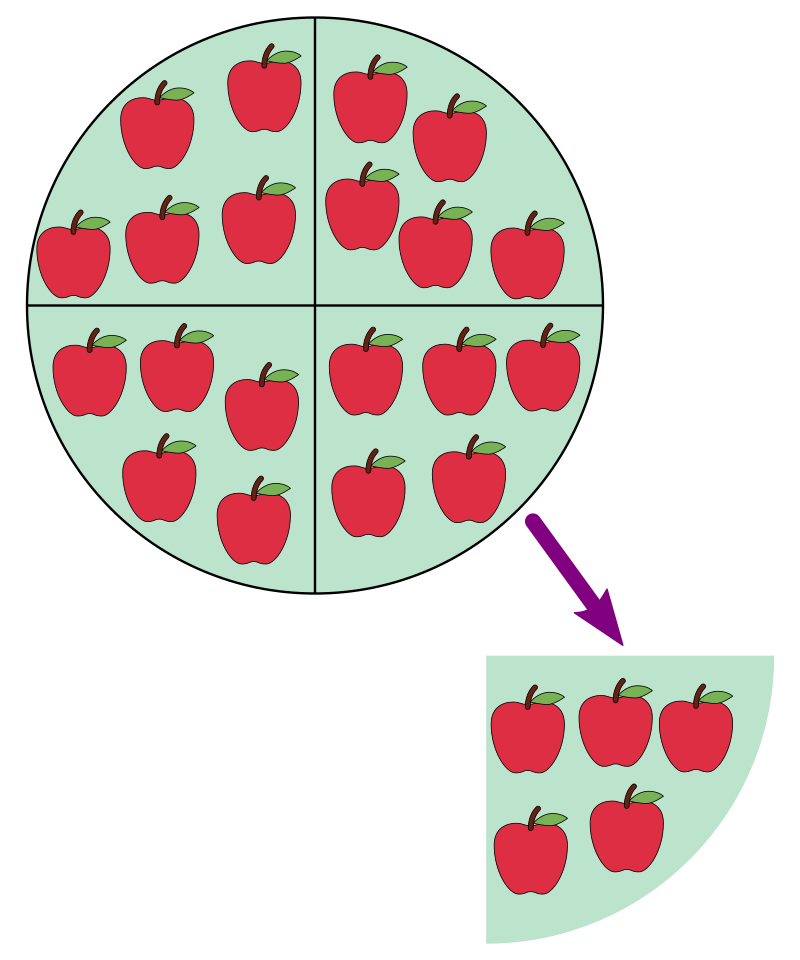
division
arithmetic operation; one of the four basic operations of arithmetic (others being addition, subtraction, multiplication).The division of two natural numbers is the process of calculating the number of times one number is contained within one another

subtraction
thumb|alt=Removing two peaches from a group of five peaches leaves three peaches remaining.|" = 3" (verbally, "five minus two equals three")

binary numeral system
system that represents numeric values using two symbols; 0 or 1

percent
thumb|A pie chart showing the percentage by web browser visiting Wikimedia sites (April 2009 to 2012)

decimal
thumb|upright=1.2|Place value of number in decimal system

negative real number
real number that is strictly less than zero

least common multiple
smallest positive integer divisible by two or more integers

parity
property of being an odd or even number

square
result of multiplying a number, or other expression, by itself
calculation
A calculation is a deliberate mathematical process that transforms a plurality of inputs into a singular or plurality of outputs, known also as a result or results. The term is used in a variety of senses, from the very definite arithmetical calculation of using an algorithm, to the vague heuristics of calculating a strategy in a competition, or calculating the chance of a successful relationship between two people.
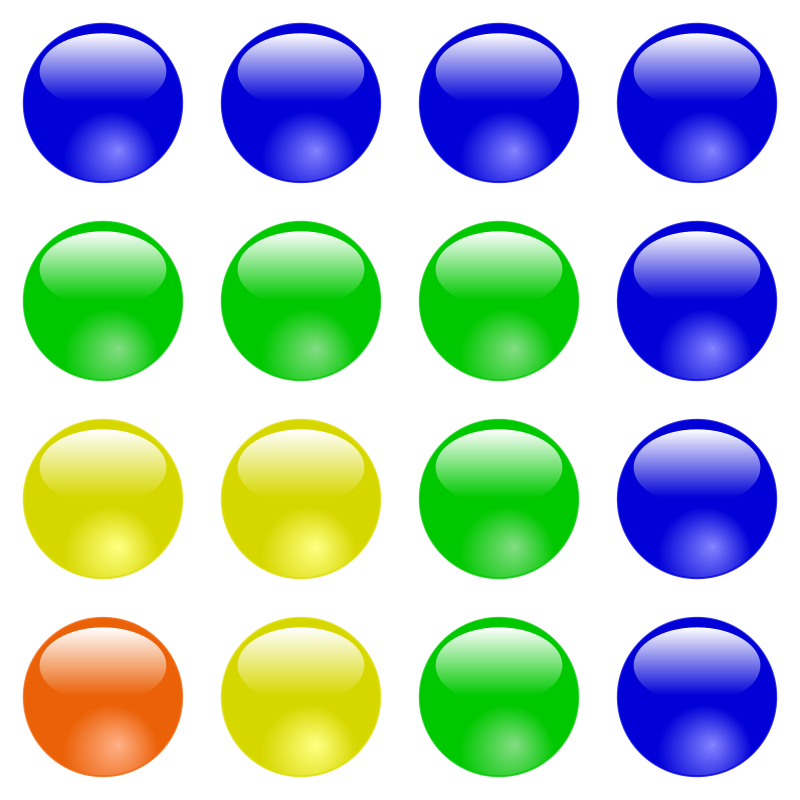
square number
product of some integer with itself

equality
mathematical relationship asserting that two quantities have the same value
elementary arithmetic
collective term for the four mathematical operations of addition, subtraction, multiplication and division
cube
product of a number being raised to the third power
±
mathematical symbol: ±
parity of zero
quality of the number zero as either even or odd
unit fraction
rational number written as a fraction where the numerator is one and the denominator is a positive integer
repeating decimal
decimal representation of a number whose digits are periodic
plus and minus signs
mathematical symbols used to represent the notions of positive and negative as well as the operations of addition and subtraction; mathematical symbols that specify sign of a number
irreducible fraction
fully simplified fraction
carry
digit that is transferred from one column of digits to another column of more significant digits during a calculation algorithm
lowest common denominator
the lowest common multiple of the denominators of a set of fractions
fourth power
result of multiplying four instances of a natural number together
division by two
mathematical operation
mediant
given fractions a⁄c and b⁄d, the fraction (a+b)⁄(c+d)
fifth power
result of multiplying five instances of a natural number together
Finger binary
finger-counting system
sixth power
result of multiplying six instances of a number
seventh power
Result of multiplying seven instances of a number
eighth power
result of multiplying eight instances of a number together