Category
page 1Energy crops

maize
Maize (; Zea mays), also known as corn in North American English, is a tall stout grass that produces cereal grain. The leafy stalk of the plant gives rise to male inflorescences or tassels which produce pollen, and female inflorescences called ears. The ears yield grain, known as kernels or seeds. In modern commercial varieties, these are usually yellow or white; other varieties can be of many colors. Maize was domesticated by indigenous peoples in southern Mexico about 9,000 years ago from wild teosinte. Native Americans planted it alongside beans and squashes in the Three Sisters polycultur
%20(8231709397).jpg)
wheat
Wheat is a group of wild and domesticated grasses of the genus Triticum (). As cereals, they are cultivated for their grains, which are staple foods around the world. Well-known wheat species and hybrids include the most widely grown common wheat (T. aestivum), spelt, durum, emmer, einkorn, and Khorasan or Kamut. The archaeological record suggests that wheat was first cultivated in the regions of the Fertile Crescent around 9600 BC.

wood
soybean
The soybean, soy bean, or soya bean (Glycine max) is a species of legume native to East Asia, widely grown for its edible bean. Soy is a staple crop, the world's most grown legume, and an important animal feed.

common sunflower
species of flowering plant in the family of Asteraceae
.jpg)
Brassica napus
Rapeseed ('''Brassica napus subsp. napus), also known as rape and oilseed rape and canola''', is a yellow-flowered member of the Brassicaceae family.

Helianthus tuberosus
species of sunflower native to eastern North America (for the root vegetable use Q55706475)

Sorghum bicolor
Sorghum bicolor, commonly called sorghum () and also known as broomcorn, great millet, Indian millet, Guinea corn, jowar, or milo, is a species in the grass genus Sorghum. It is typically an annual, but some cultivars are perennial. It grows in clumps that may reach over high. The grain is in diameter.

Gossypium
Gossypium () is a genus of flowering plants in the tribe Gossypieae of the mallow family, Malvaceae, from which cotton is harvested. It is native to tropical and subtropical regions of the Old and New Worlds. There are about 50 Gossypium species, making it the largest genus in the tribe Gossypieae, and new species continue to be discovered. The name of the genus is derived from the Arabic word goz, which refers to a soft substance.

sugarcane
thumb|Saccharum officinarum

Opuntia ficus-indica
species of plant

copra
thumb|right

×Triticale
Triticale (; × Triticosecale) is a hybrid of wheat (Triticum) and rye (Secale) first bred in laboratories during the late 19th century in Scotland and Germany. Commercially available triticale is almost always a second-generation hybrid, i.e., a cross between two kinds of primary (first-cross) triticales. As a rule, triticale combines the yield potential and grain quality of wheat with the disease and environmental tolerance (including soil conditions) of rye. Only in 1970 did the first commercial variety become available. Depending on the cultivar, triticale can more or less resemble either o

Paulownia
Paulownia ( ) is a genus of seven to 17 species of hardwood trees (depending on taxonomic authority) in the family Paulowniaceae, the order Lamiales. The genus and family are native to east Asia and are widespread across China. The genus, originally Pavlovnia but now usually spelled Paulownia, was named in honour of Anna Pavlovna, queen consort of The Netherlands (1795–1865), daughter of Tsar Paul I of Russia. It is also called "princess tree" for the same reason.

Arundo donax
species of plant

Salix triandra
species of plant

Balanites aegyptiaca
species of plant

Nicotiana glauca
species of plant

Arundo
Arundo is a genus of stout, perennial plants in the grass family.

Miscanthus
Miscanthus, or 'silvergrass, 'is a genus of African, Eurasian, and Pacific Island plants in the grass family, Poaceae. The name is derived from the Greek words "miskos", meaning "stem", and "anthos", meaning "flower", in reference to the stalked spikelets on plants of this genus. Several species are known for their height and biomass production, and may be used as ornamental grasses.

Panicum virgatum
species of plant

Atriplex halimus
species of plant
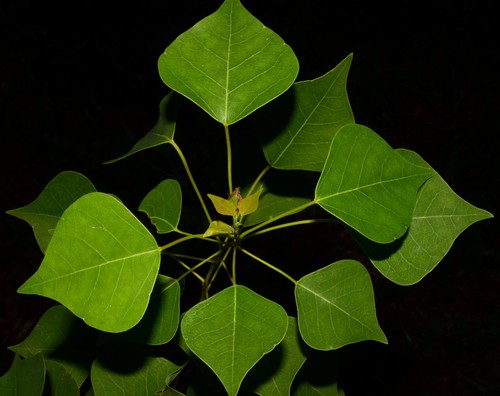
Triadica sebifera
species of plant
2007–2008 world food price crisis
world food prices increased dramatically in 2007 and the 1st and 2nd quarter of 2008

stover
thumb|right|Stover with some snow cover
thumb|right|Stover (foreground), unharvested corn (background)
Stover are the leaves and stalks of field crops, such as corn (maize), sorghum or soybean that are commonly left in a field after harvesting the grain. It is similar to straw, the residue left after any cereal grain or grass has been harvested at maturity for its seed. It can be directly grazed by cattle or dried for use as fodder. Stover has attracted some attention as a potential fuel source, and as biomass for fermentation or as a feedstock for cellulosic ethanol production. Stover from va

Attalea speciosa
palm species
energy crop
Crops grown solely for energy production by combustion
Miscanthus giganteus
species of plant
Energy forestry
Forestry for production of biomass or biofuel

Paulownia elongata
species of plant

Salicornia bigelovii
species of plant
babassu oil
clear light yellow vegetable oil extracted from the seeds of the babassu palm (Attalea speciosa)
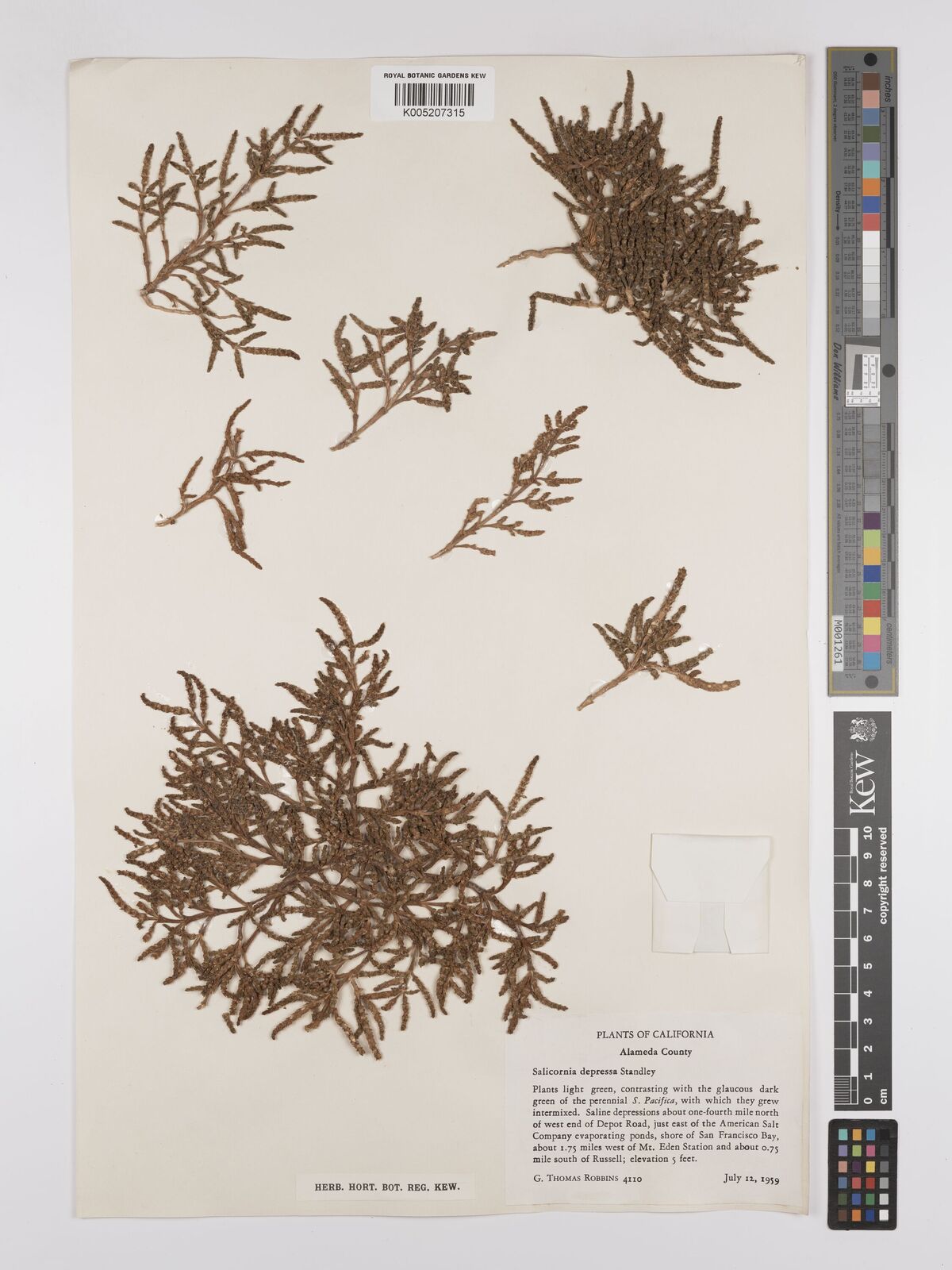
Salicornia virginica
species of plant
Cane
Genera Arundinaria and Arundo