Category
page 1English Dissenters

William Blake
English poet and artist (1757–1827)

John Milton
English poet and civil servant (1608–1674)

Joseph Priestley
English chemist, theologian, educator, and political theorist (1733–1804)

William Godwin
English journalist, political philosopher and novelist
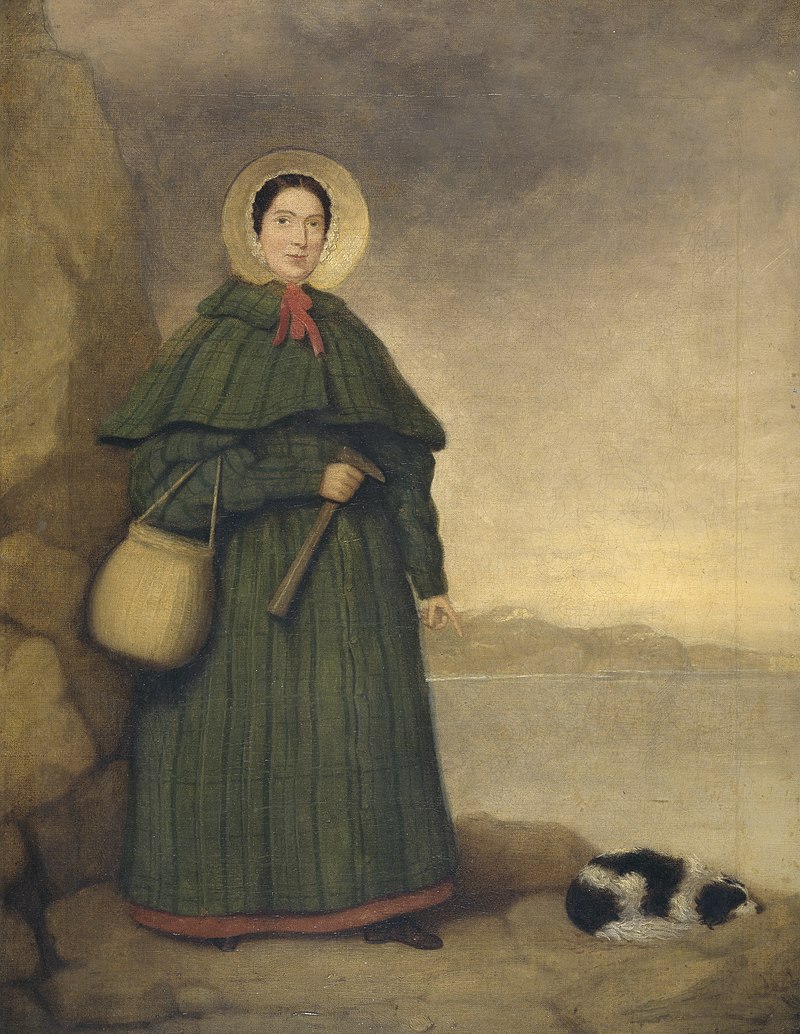
Mary Anning
British fossil collector and palaeontologist (1799–1847)

George Fox
English founder of Quakers (1624–1691)

John Harvard
English-American clergyman and philanthropist
Francis Willughby
English ornithologist and ichthyologist

dissenter
A dissenter (from the Latin , 'to disagree') is one who dissents (disagrees) in matters of opinion, belief, etc. Dissent may include political opposition to decrees, ideas or doctrines and it may include opposition to those things or the fiat of a government, political party or religion.
English Dissenters
protestant Separatists from the Church of England
Priestley Riots
English riots regarding Joseph Priestley
Joseph Johnson
London bookseller and publisher (1738-1809)
Thomas Percival
British physician (1740-1804)
Jane Leade
English dissenter (1624-1704)
John Pordage
English priest and astrologer
Thomas Walker Horsfield
British clergyman, topographer and historian (1792–1837)
Institutes of Natural and Revealed Religion
book by Joseph Priestley
James Nayler
English Quaker, mystic, writer, religious dissenter
John Stoughton
British historian
Brownist
The Brownists were a Christian group in 16th-century England. They were a group of English Dissenters or early Separatists from the Church of England. They were named after Robert Browne, who was born at Tolethorpe Hall in Rutland, England, in the 1550s. The terms Brownists or Separatists were used to describe them by outsiders; they were known as Saints among themselves.
Muggletonianism
The Muggletonians, named after Lodowicke Muggleton, were a small Protestant Christian movement which began in 1651 when two London tailors announced they were the last prophets foretold in the biblical Book of Revelation. The group grew out of the Ranters and in opposition to the Quakers. Muggletonian beliefs include a hostility to philosophical reason, a scriptural understanding of how the universe works and a belief that God appeared directly on Earth as Jesus Christ. A consequential belief is that God takes no notice of everyday events on Earth and will not generally intervene until it is m