Category
page 1Entering heaven alive

Muhammad
Muhammad (8 June 632 CE) was an Arab religious, military and political leader, as well as the founder of Islam. According to Islam, he was the final prophet of God who was divinely inspired to preach and confirm the monotheistic teachings of Adam, Noah, Abraham, Moses, Jesus, and other prophets in Islam. He is believed by Muslims to be the Seal of the Prophets, and along with the Quran, his teachings and normative examples form the basis for Islamic religious belief.

First Epistle to the Thessalonians
New Testament epistle ascribed to Paul

Al-Aqsa Mosque
the main prayer hall of the Al-Aqsa mosque compound in Jerusalem

Elijah
Elijah ( or ; or ) was a prophet and miracle worker who lived in the northern kingdom of Israel during the reign of King Ahab (9th century BC), according to the Books of Kings in the Hebrew Bible.

Dome of the Rock
Islamic building in Al-Aqsa, Jerusalem
.jpg)
Lilith
thumb|upright=1|Lilith (painting)|Lilith (1887) by John Collier
Lilith (; ; also spelled Lilit, Lilitu, or Lilis) is a feminine figure in Mesopotamian and Jewish mythology. According to accounts in the Talmud she is a primordial she-demon. Based on Medieval Jewish folklore, Lilith is said to have fled from the Garden of Eden because she did not want to submit to Adam.

Assumption of Mary
the bodily taking up of the Virgin Mary into Heaven at the end of her earthly life, dogma of the Catholic Church

Jesus in Islam
penultimate prophet and eschatological figure in Islam

Nicene Creed
statement of belief adopted at the First Ecumenical Council in 325

Ganymede
son of Tros in Greek mythology

Enoch
Enoch ( ; Henṓkh) is a biblical figure and patriarch prior to Noah's flood. He is the son of Jared and father of Methuselah.

Idris
prophet
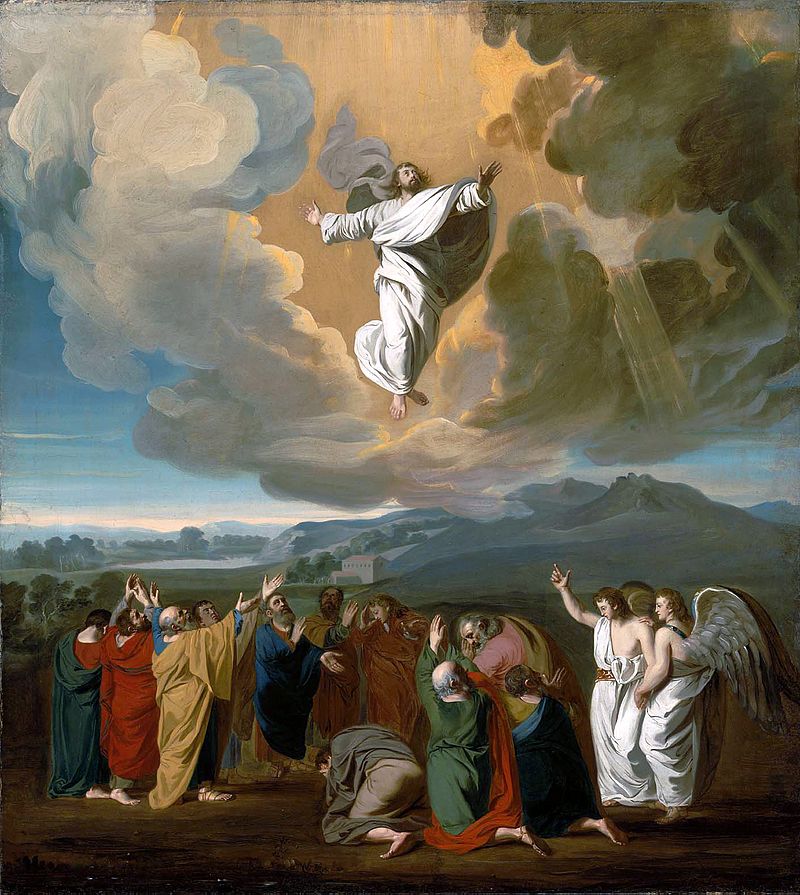
Ascension of Jesus
in Christianity, the departure of the risen Christ from Earth into the presence of God, said to have taken place 40 days after the resurrection, as described in Acts 1

Isra and Mi'raj
night journey undertaken by Muhammad in Jerusalem

Apollonius of Tyana
1st century AD Greek Neopythagorean philosopher
Dormition of the Mother of God
Great Feast of the Eastern Orthodox, Oriental Orthodox, and Eastern Catholic Churches
.JPG)
Yudhiṣṭhira
Yudhishthira (), also known as Dharmaputra () and Dharmaraja (), was the eldest among the five Pandavas, and is also one of the central characters of the ancient Hindu epic Mahabharata. He was the king of Indraprastha and later the King of the Kuru kingdom in the epic.

Count of St. Germain
18th-century European adventurer and intellectual

Rapture
The Rapture is an eschatological (end-times) concept held by some Christians, particularly those of American evangelicalism, consisting of an event when all dead Christian believers will be resurrected and, joined with Christians who are still alive, together will rise "in the clouds, to meet the Lord in the air."
Baruch ben Neriah
biblical figure
.jpg)
Masjid Al-Aqsa
Al-Aqsa (; ) or al-Masjid al-Aqṣā () is the compound of Islamic religious buildings that sit atop the Temple Mount, also known as the Haram al-Sharif, in the Old City of Jerusalem, including the Dome of the Rock, many mosques and prayer halls, madrasas, zawiyas, khalwas and other domes and religious structures, as well as the four encircling minarets. It is considered the third holiest site in Islam. The compound's main congregational mosque or prayer hall is variously known as Al-Aqsa Mosque, Qibli Mosque or al-Jāmiʿ al-Aqṣā, while in some sources it is also known as al-Masjid al-Aqṣā; the wi
En-men-dur-ana
En-men-dur-ana (also En-men-dur-an-ki, Enmenduranki) of Zimbir (the city now known as Sippar) was an ancient Sumerian king, whose name appears in the Sumerian King List as the seventh pre-dynastic king of Sumer. He was also the topic of myth and legend, said to have reigned for around 21,000 years.
entering heaven alive
physically ascending into the afterlife without first experiencing corporal death
Ascended master
spiritually enlightened beings in Theosophy and New Age movements
Munificentissimus Deus
apostolic constitution by Pope Pius XII, promulgated on 1 November 1950, defining ex cathedra the dogma of the Assumption of the Blessed Virgin Mary

Kitab al-Miraj
book about Muhammad's ascension into Heaven
Serah
Serach bat Asher () was, in the Torah, a daughter of Asher, the son of Jacob. She is one of the seventy members of the Patriarch's family who emigrated from Canaan to Egypt in Genesis 46:17. Her name occurs in connection with the census taken by Moses in the wilderness in Numbers 26: 46. She is also mentioned among the descendants of Asher in 1 Chronicles 7:30. Since she is the only woman mentioned in the genealogical lists, this is believed to indicate her extraordinary longevity—an outcome of the blessing she received from Jacob. She is also the heroine of several legends.
Deiparae Virginis Mariae
encyclical
Zion
doctrine of New Earth in Latter Day Saint theology
Assumption of Mary in art
artistic theme

Mike Bickle
American writer and priest