Category
page 1Environmental microbiology
.jpg)
extremophile
right|thumb|300px|The bright colors of Grand Prismatic Spring in [[Yellowstone National Park are produced by thermophiles, a type of extremophile.]]

human gut flora
community of microorganisms in the digestive tracts of humans

chemosynthesis
right|thumb|Venenivibrio stagnispumantis gains energy by oxidizing hydrogen gas.

Martinus Wilhelm Beijerinck
Dutch microbiologist (1851–1931)

biofilm
thumb|right|300px|Staphylococcus aureus biofilm on an indwelling [[catheter]]

GFAJ-1
GFAJ-1 is a strain of rod-shaped bacteria in the family Halomonadaceae. It is an extremophile that was isolated from the hypersaline and alkaline Mono Lake in eastern California by geobiologist Felisa Wolfe-Simon, a NASA research fellow in residence at the US Geological Survey. In a 2010 Science journal publication, the authors claimed that the microbe, when starved of phosphorus, is capable of substituting arsenic for a small percentage of its phosphorus to sustain its growth. Immediately after publication, other microbiologists and biochemists expressed doubt about this claim, which was robu

denitrification
thumb|320px|Nitrogen cycle.
Sergei Winogradsky
Ukrainian microbiologist (1856-1953)
human microbiome
microorganisms in or on human tissues and biofluids
quorum sensing
process in which single-celled organisms monitor their population density by detecting the concentration of small, diffusible signal molecules produced by the cells themselves.

metagenomics
thumb|upright=1.5|In metagenomics, the genetic materials (DNA, C) are extracted directly from samples taken from the environment (e.g. soil, sea water, human gut, A) after filtering (B), and are sequenced (E) after multiplication by cloning (D) in an approach called [[shotgun sequencing. These short sequences can then be put together again using assembly methods (F) to deduce the individual genomes or parts of genomes that constitute the original environmental sample. This information can then be used to study the species diversity and functional potential of the microbial community of the env
methanogens
Methanogens are anaerobic archaea that produce methane as a byproduct of their energy metabolism, i.e., catabolism. Methane production, or methanogenesis, is the only biochemical pathway for ATP generation in methanogens. All known methanogens belong exclusively to the domain Archaea, although some bacteria, plants, and animal cells are also known to produce methane. However, the biochemical pathway for methane production in these organisms differs from that in methanogens and does not contribute to ATP formation. Methanogens belong to various phyla within the domain Archaea. Previous studies
Sulfate-reducing bacteria
microorganisms which "breathe" sulfates

endosymbiont
thumb|200px|A representation of the endosymbiotic theory

anammox
thumb|220px|A bioreactor containing the anammox bacterium Kuenenia stuttgartiensis

diazotrophy
Diazotrophs are organisms capable of nitrogen fixation, i.e. converting the relatively inert diatomic nitrogen (N2) in Earth's atmosphere into bioavailable compound forms such as ammonia. Diazotrophs are typically microorganisms such as bacteria and archaea, with examples being rhizobia and Frankia and Azospirillum. All diazotrophs contain iron-molybdenum or iron-vanadium nitrogenase systems, and two of the most studied systems are those of Klebsiella pneumoniae and Azotobacter vinelandii due to their genetic tractability and their fast growth.
Winogradsky column
device for culturing microorganisms
gut–brain axis
biochemical signaling that takes place between the gastrointestinal tract (GI tract) and the central nervous system
Prochlorococcus
Prochlorococcus is a genus of very small (0.6 μm) marine cyanobacteria with an unusual pigmentation (chlorophyll a2 and b2). These bacteria belong to the photosynthetic picoplankton and are probably the most abundant photosynthetic organism on Earth. Prochlorococcus microbes are among the major primary producers in the ocean, responsible for a large percentage of the photosynthetic production of oxygen. Prochlorococcus strains, called ecotypes, have physiological differences enabling them to exploit different ecological niches. Analysis of the genome sequences of Prochlorococcus strains s
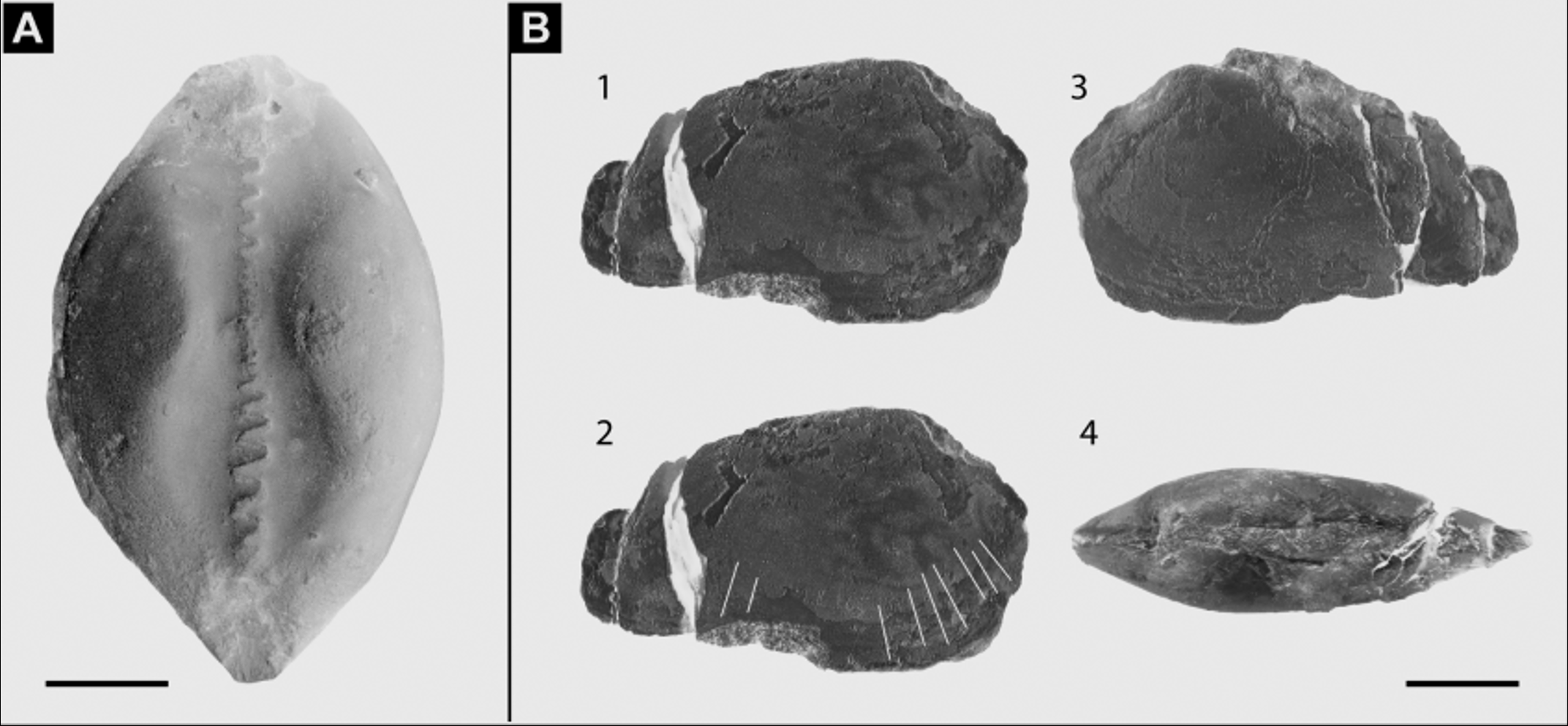
Solemyidae
Solemyidae is a family of saltwater clams, marine protobranch bivalve mollusks in the order Solemyida.
human skin flora
community of microorganisms of the skin
Human Microbiome Project
former research initiative
Pelagibacter ubique
candidate species of bacterium
Microbial loop
Mikrobial loop
microbial ecology
study of the ecology of microorganisms
Vasily Omeliansky
Russian academician and physician (1867-1928)

Planctomycetota
The Planctomycetota are a phylum of widely distributed bacteria, occurring in both aquatic and terrestrial habitats. They play a considerable role in global carbon and nitrogen cycles, with many species of this phylum capable of anaerobic ammonium oxidation, also known as anammox. Many Planctomycetota occur in relatively high abundance as biofilms, often associating with other organisms such as macroalgae and marine sponges.
halotolerance
Halotolerance is the ability of organisms to live in salt concentrations beyond which is necessary for their growth. Halotolerant species are found in saline waters and soils. Halotolerant microorganisms include bacteria, archaea, and fungi. Halophilic microorganisms require salt to grow; halotolerant organisms may be classified as some degree halophilic, but are often contrasted from halophiles because halotolerant organisms do not require a high-salinity environment. Halotolerant microorganisms are of considerable biotechnological interest as their roles in saline ecosystems remains unknown.
Brocadia anammoxidans
candidate species of bacterium
Acaryochloris marina
species of Cyanobacteria
Microbial biodegradation
EcoHealth Alliance
non-profit organization in the USA
environmental persistent pharmaceutical pollutant
Micropollutants are substances that even at very low concentrations have adverse effects on different environmental matrices. They are an inhomogeneous group of anthroprogenic chemical compounds that is discharged by human to the environment. Commonly known micropollutants that might pose possible threats to ecological environments are, to name just a few:
environmental persistent pharmaceutical pollutants and personal care products,
pesticides,
stimulants,
persistent organic pollutants,
and artificial sweeteners
To date, most of the scientists have identified wastewater treatment plants
Cable bacteria
Cable bacteria are filamentous bacteria that conduct electricity across distances over 1 cm in sediment and groundwater aquifers
Sulfurospirillum
Sulfurospirillum (/ˌsʌlfɜːroʊspɪˈrɪlʌm/ SULF-ur-oh-spə-RIHL-um) is a genus of the gram-negative, aerotolerant, rod-shaped bacteria in the family Campylobactaeraceae.
Colleen Cavanaugh
American microbiologist
Phycisphaerae
Phycisphaerae is a class of aquatic bacteria. They reproduce by budding and are found in samples of algae in marine water. Organisms in this group are spherical and have a holdfast, at the tip of a thin cylindrical extension from the cell body called the stalk, at the nonreproductive end that helps them to attach to each other during budding.