Category
page 1Epidemics
cholera
Cholera () is an infection of the small intestine by some strains of the bacterium Vibrio cholerae. Symptoms may range from none, to mild, to severe. The classic symptom is large amounts of watery diarrhea lasting a few days. Vomiting and muscle cramps may also occur. Diarrhea can be so severe that it leads within hours to severe dehydration and electrolyte imbalance. This can in turn result in sunken eyes, cold or cyanotic skin, decreased skin elasticity, wrinkling of the hands and feet, and, in severe cases, death. Symptoms start two hours to five days after exposure.

epidemic
thumb|upright=1.5|Example of an epidemic showing the number of new infections over time.
An epidemic (from Greek ἐπί epi "upon or above" and δῆμος demos "people") is the rapid spread of disease to a large number of hosts in a given population within a short period of time. For example, in meningococcal infections, an attack rate in excess of 15 cases per 100,000 people for two consecutive weeks is considered an epidemic.

plague
specific contagious and frequently fatal human disease caused by Yersinia pestis
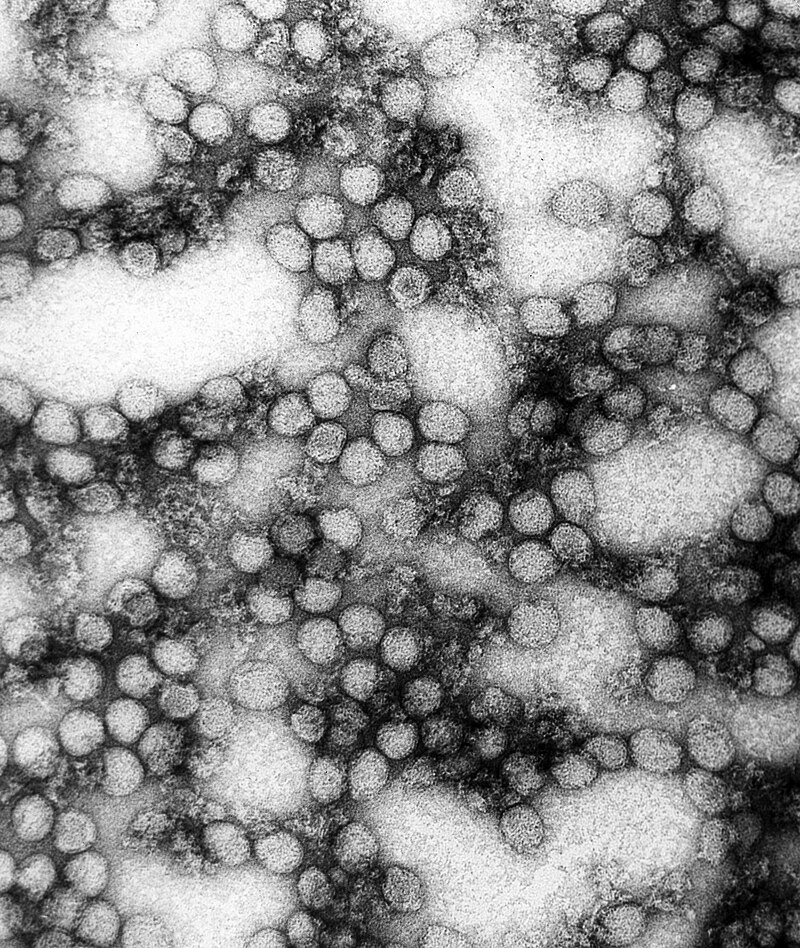
yellow fever
viral disease

social distancing
reduction of human social interaction in an effort to prevent the spread of infectious disease

basic reproduction number
metric in epidemiology showing average measure of a pathogen’s infectiousness
Gamaleya Research Institute of Epidemiology and Microbiology
medical research institute in Moscow, Russia
Plague of Athens
epidemic in Athens, Greece in the 5th century BCE
list of epidemics
Wikimedia list article

Coalition for Epidemic Preparedness Innovations
Public-private organization for vaccine development
cordon sanitaire
isolation of a geographic area to prevent the spread of infectious disease
Epidemic curve
A statistical chart used in epidemiology to visualise the onset of a disease outbreak.
Plague of Sheroe
7th Century epidemic in Mesopotomia
Hittite plague
epidemic in Hittite Empire
syndemic
Syndemics is the evaluation of how social and health conditions arise, in what ways they interact, and what upstream drivers may produce their interactions. The word is a blend of "synergy" and "epidemics". The idea of syndemics is that no disease exists in isolation and that often population health can be understood through a confluence of factors (such as climate change or social inequality) that produces multiple health conditions that afflict some populations and not others. Syndemics are not like pandemics (where the same social forces produce clustered conditions equally around the world
Native American disease and epidemics
diseases spread on Native Americans
super-spreading event
event where a disease host disproportionally infects more secondary contacts than others infected with the same disease
Pandemic Severity Assessment Framework
evaluation framework which uses quadrants to evaluate both the transmissibility and clinical severity of a pandemic
Suicide epidemic
Rapid increase of suicides
412 BC epidemic
disease outbreak in Ancient Greece and Rome