Category
page 1Essential nutrients
%2C%201920.png)
vitamin
Vitamins are organic molecules (or a set of closely related molecules called vitamers) that are essential to an organism in small quantities for proper metabolic function. These essential nutrients cannot be synthesized in the organism in sufficient quantities for survival, and therefore must be obtained through consumption. For example, vitamin C can be synthesized by some species but not by others; it is not considered a vitamin in the first instance but is in the second. Most vitamins are not single molecules, but groups of related molecules called vitamers. For example, there are eight vit
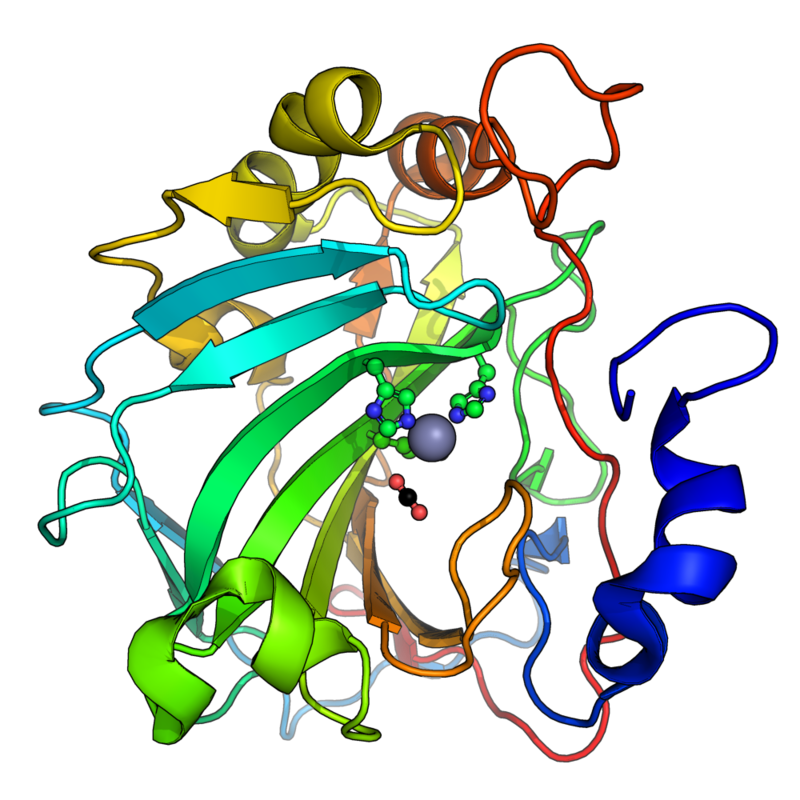
mineral (nutrient)
chemical element required as an essential nutrient by organisms to perform functions necessary for life

choline
Choline is a cation with the chemical formula . Choline forms various salts, such as choline chloride and choline bitartrate. An essential nutrient for animals, it is a structural component of phospholipids and cell membranes.
linoleic acid
chemical compound and essential nutrient
alpha-linolenic acid
omega-3 polyunsaturated fatty acid
omega-6 fatty acid
fatty acids with a double bond (C=C) at the sixth carbon atom from the end of the carbon chain
Linolenic acid
Wikimedia disambiguation page
essential nutrient
chemical substance that needs to be ingested by some organism (use P248 "of") in order to sustain its core metabolism