Category
page 1Essential oils

black pepper
species of plant
.png)
Citrus medica
The citron (Citrus medica) is a large fragrant citrus fruit with a thick, coarse rind. It resembles a lemon, but is larger. It is one of the original citrus fruits from which all other citrus types developed through natural hybrid speciation or artificial hybridization. Though citron cultivars take on a wide variety of physical forms, they are all closely related genetically. It is used in Asian and Mediterranean cuisine, traditional medicines, perfume, and religious rituals and offerings. Hybrids of citrons with other citrus are commercially more prominent, most notably lemons and many limes,

essential oil
hydrophobic liquid containing volatile aroma compounds from plants

Santalum album
species of plant

myrrh
thumb|right|alt=Small lumps of myrrh resin|Myrrh resin

Cananga odorata
species of plant

Mentha spicata
Spearmint (Mentha spicata), also known as garden mint, common mint, lamb mint and mackerel mint, is native to Europe and southern temperate Asia, extending from Ireland in the west to southern China in the east. It is naturalized in many other temperate parts of the world, including northern and southern Africa, North America, and South America. It is used as a flavouring in food and herbal teas. The aromatic oil, called oil of spearmint, is also used as a flavoring and sometimes as a scent.

Pogostemon cablin
Patchouli (also spelled patchouly or pachouli; ; Pogostemon cablin) is a species of flowering plant in the family Lamiaceae, commonly called the mint or deadnettle family. The plant grows as a bushy perennial herb, with erect stems reaching up to in height and bearing small, pale, pink-white flowers.

Salvia sclarea
species of plant
rose oil
essential oil

anethole
Anethole (also known as anise camphor) is an organic compound that is widely used as a flavoring substance. It is a derivative of the aromatic compound allylbenzene and occurs widely in the essential oils of plants. It is in the class of phenylpropanoid organic compounds. It contributes a large component of the odor and flavor of anise and fennel (both in the botanical family Apiaceae), anise myrtle (Myrtaceae), liquorice (Fabaceae), magnolia blossoms, and star anise (Schisandraceae). Closely related to anethole is its isomer estragole, which is abundant in tarragon (Asteraceae) and basil (Lam
juniper berry
spice, herbal drug

Pelargonium graveolens
species of plant
benzoin resin
balsamic resin obtained from trees in the genus Styrax
mustard oil
oil from mustard seed
tea tree oil
essential oil derived from leaves
lavender oil
essential oil obtained by distillation from the flower spikes of lavender flower

Cymbopogon martinii
species of plant
clove oil
oil of cloves

neroli
thumb|right|Bitter orange foliage, blossoms and fruit
Neroli oil is an essential oil produced from the blossom of the bitter orange tree (Citrus aurantium subsp. amara or Bigaradia). Its scent is sweet, honeyed and somewhat metallic with green and spicy facets. Orange blossom water is also extracted from the same blossom and both extracts are extensively used in perfumery. Orange blossom can be described as smelling sweeter, warmer and more floral than neroli. The difference between how neroli and orange blossom smell and why they are referred to with different names, is a result of the proces
pine oil
essential oil
citronella oil
essential oil
eucalyptus oil
distilled oil from the leaf of Eucalyptus

Artemisia pallens
aromatic herb
Bergamot essential oil
cold-pressed essential oil
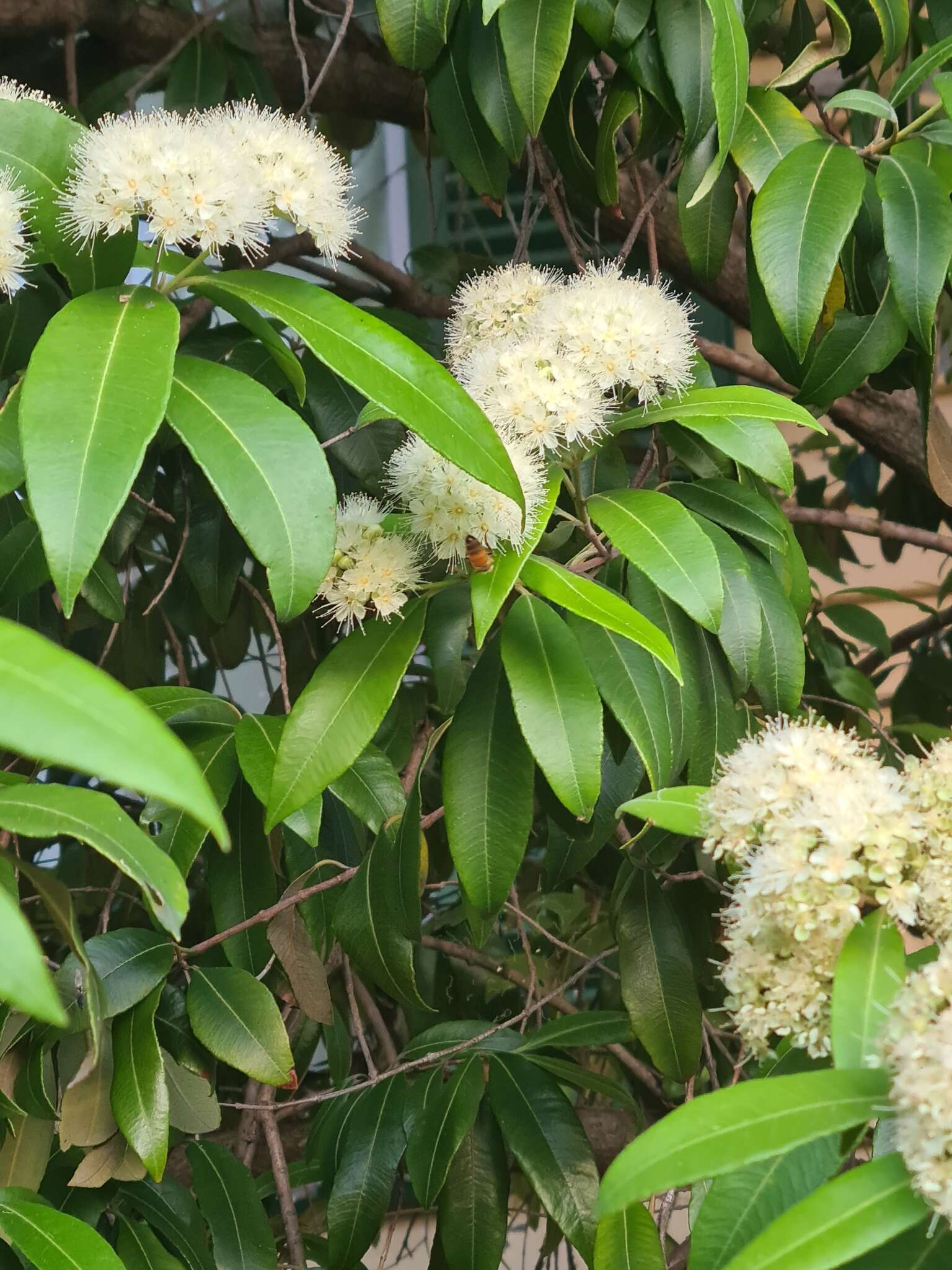
Backhousia citriodora
species of plant
orange oil
oil derived from the peel or other part of Citrus × sinensis fruit
sandalwood oil
oil derived from Santalum album or Santulum spicatum
herbal distillate
aqueous product of the hydrodistillation of volatile organic substances
storax
fragrant resin from the genus liquidambar

copaiba
thumb|Copaifera langsdorffii in a park in São Paulo, Brazil
Copaiba is an oleoresin obtained from the trunk of several pinnate-leaved South American leguminous trees (genus Copaifera). The thick, transparent exudate varies in color from light gold to dark brown, depending on the ratio of resin to essential oil. Copaiba is used in making varnishes and lacquers.
cajeput oil
essential oil
cedar oil
essential oil
garlic oil
oil from Allium sativum
monoi oil
oil made from Tahitian gardenias flowers and coconut oil

Gaultheria fragrantissima
species of plant
lemon oil
essential oil
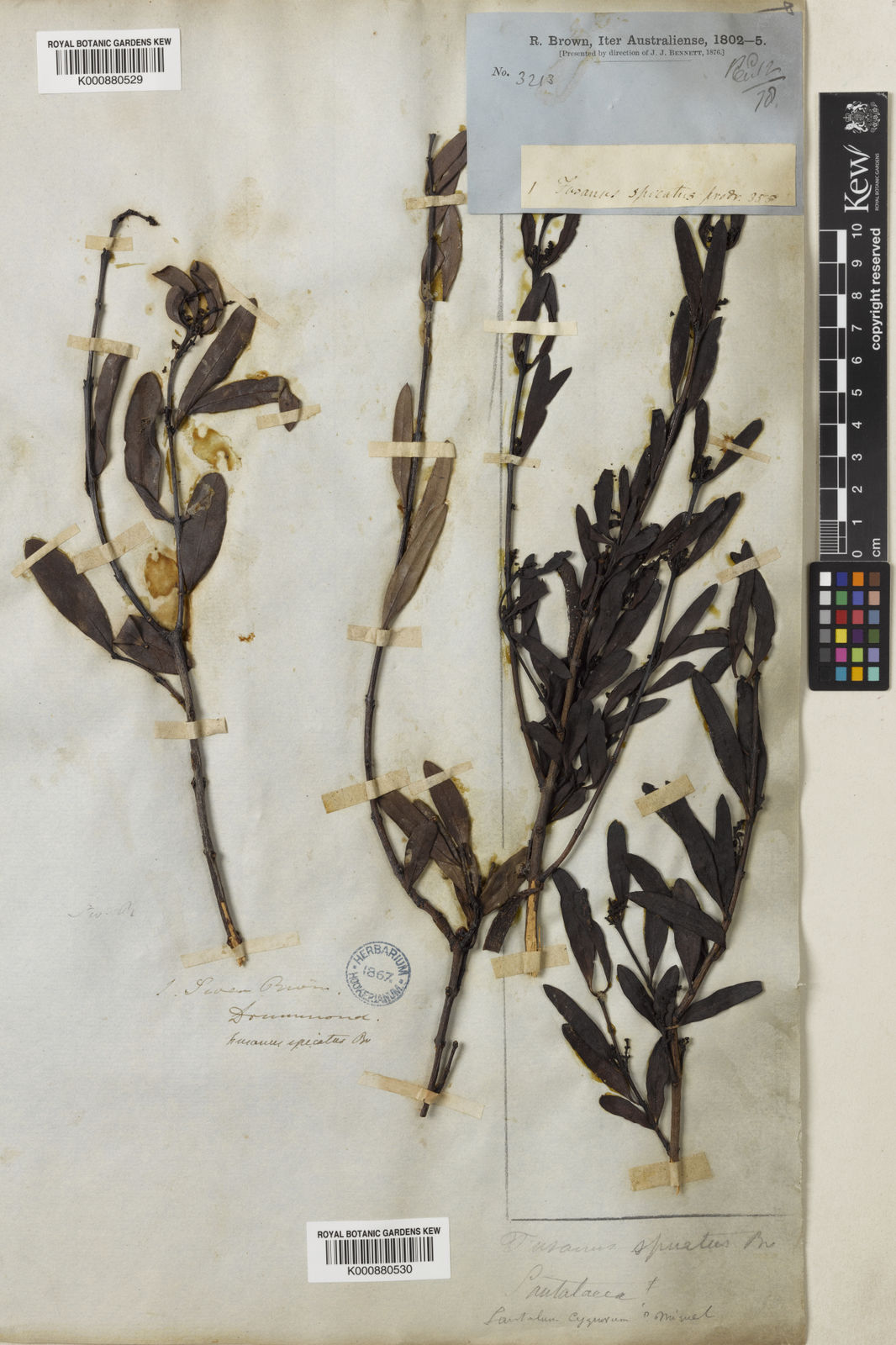
Santalum spicatum
species of plant
aroma lamp
appliance to mix essential oil into air

Cinnamosma fragrans
species of plant
petitgrain
thumb|Petitgrain (Citrus aurantium ssp. amara) essential oil in a clear glass vial
Wintergreen
thumb|Gaultheria from Fountain Springs, [[Pennsylvania]]
Cannabis flower essential oil
essential oil of hemp
Sage oil
herbal drug
fragrance oil
type of essential oil
rosewood oil
oil distilled from the wood of Aniba species