Category
page 1Ethically disputed business practices towards animals
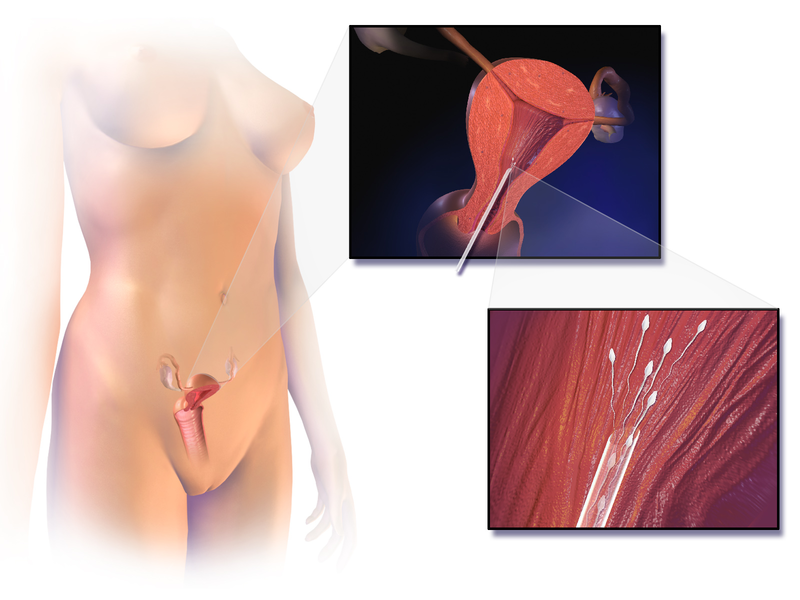
artificial insemination
pregnancy through in vivo fertilization
intensive animal farming
type of intensive agriculture, specifically an approach to animal husbandry designed to maximize production, while minimizing costs
fur farming
breeding or raising animals for their fur
dairy farming
long-term production of milk
livestock branding
technique for marking livestock so as to identify the owner, traditionally with a hot iron
shark finning
removal and retention of shark fins while the remainder of the living shark is discarded in the ocean
bile bear
bears kept in captivity to harvest their bile
battery cage
A housing system used for various animal production methods, but primarily for egg-laying hens
ractopamine
Ractopamine () is an animal feed additive used to promote leanness and increase food conversion efficiency in farmed animals in few countries, banned in most. Pharmacologically, it is a phenol-based TAAR1 agonist and β adrenoreceptor agonist that stimulates β1 and β2 adrenergic receptors.
It is most commonly administered to animals for meat production as ractopamine hydrochloride. It is the active ingredient in products marketed in the US as Paylean for swine, Optaflexx for cattle, and Topmax for turkeys. It was developed by Elanco Animal Health, a former division of Eli Lilly and Company.

exsanguination
Exsanguination is the loss of blood from the circulatory system of a vertebrate, usually leading to death. The word comes from the Latin 'sanguis', meaning blood, and the prefix 'ex-', meaning 'out of'.
sheep shearing
process by which wool on a sheep is cut off
chick culling
process of killing newly hatched poultry for which the industry has no use
livestock dehorning
process of removing the horns of livestock
debeaking
The trimming of a bird's beak, usually performed on domesticated birds

feedlot
alt=|thumb|350x350px|Beef cattle in a feedlot in Texas
A feedlot or feed yard is a type of animal feeding operation (AFO) which is used in intensive animal farming, notably beef cattle, but also swine, horses, sheep, turkeys, chickens or ducks, prior to slaughter. Large beef feedlots are called concentrated animal feeding operations (CAFO) in the United States and intensive livestock operations (ILOs) or confined feeding operations (CFO) in Canada. They may contain thousands of animals in an array of pens.
bovine somatotropin
peptide hormone produced by cows' pituitary glands
gestation crate
metal enclosure used in intensive pig farming
Foie gras controversy
Status of legal issue concerning ethical food consumption and animal welfare
testing cosmetics on animals
form of animal testing
livestock carrier
ship designed to carry livestock
eyestalk ablation
removal by fishery managers of one or both eyestalks from a crustacean
live export
commercial transport of livestock across national borders
grupstal
type of stable for milk cows
elephant crushing
method of taming wild elephants
Intensive pig farming
modern large-scale farming of domestic pigs
pinioning
thumb|250px|1875 illustration of swans being pinioned during the Swan Upping
Pinioning is the act of surgically removing one pinion joint, the joint of a bird's wing furthest from the body, to prevent flight. Pinioning is often done to waterfowl and poultry. Sometimes it is done in zoos in order to have birds in roofless enclosures. It is not typically done to companion bird species such as parrots. This practice is restricted in many countries.
Declawing of crabs
removal of a live crab's claws