Category
page 1Euglenozoa

Euglenoidea
Euglenids or euglenoids are one of the best-known groups of eukaryotic flagellates: single-celled organisms with flagella, or whip-like tails. They are classified in the phylum Euglenozoa, class Euglenida or Euglenoidea. Euglenids are commonly found in fresh water, especially when it is rich in organic materials, but they have a few marine and endosymbiotic members. Many euglenids feed by phagocytosis, or strictly by diffusion. A monophyletic subgroup known as Euglenophyceae have chloroplasts and produce their own food through photosynthesis. This group contains the carbohydrate paramylon.
Euglenozoa
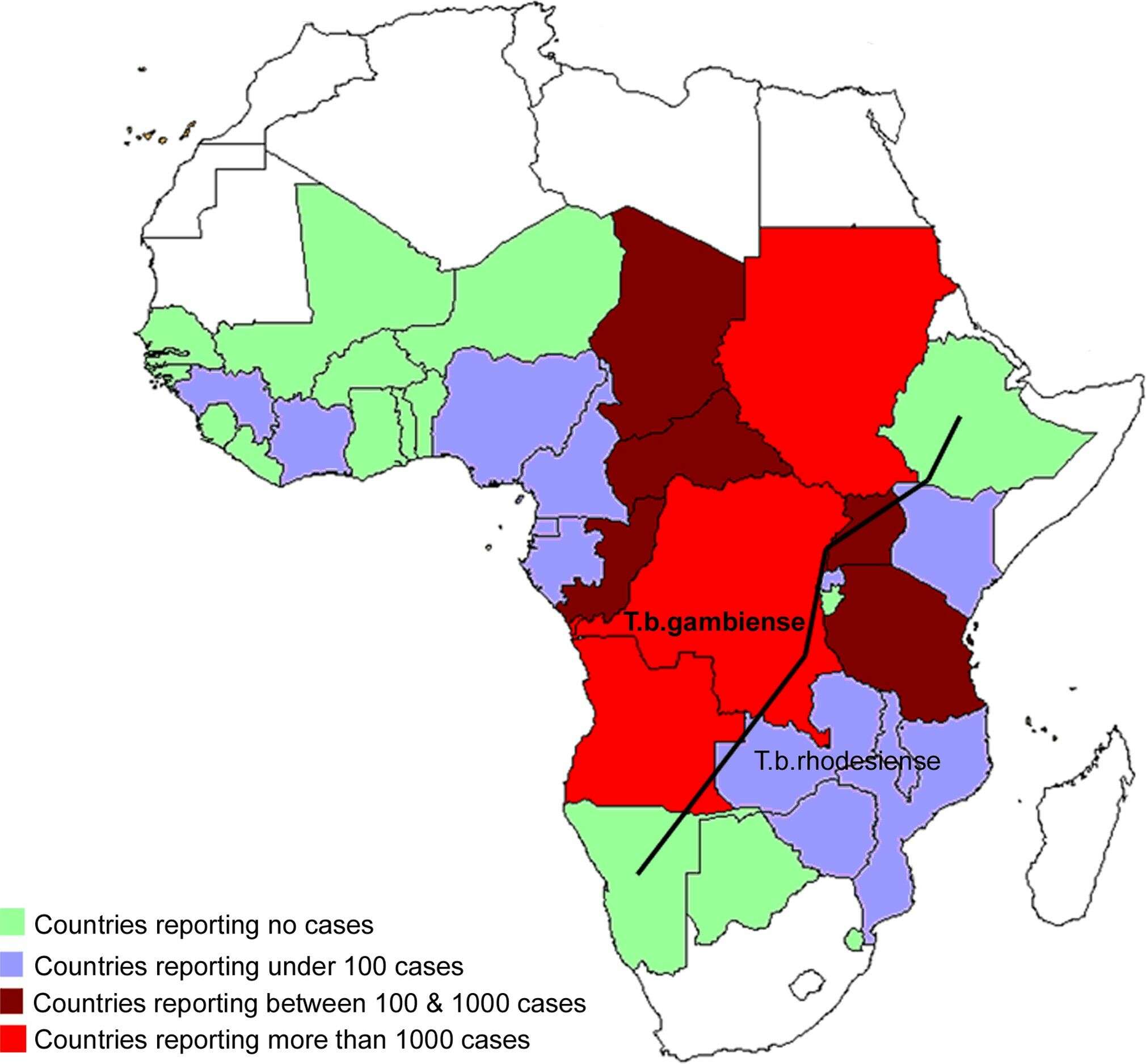
Euglenozoa are a large group of flagellate Discoba. They include a variety of common free-living species, as well as a few important parasites, some of which infect humans. Euglenozoa are represented by four major groups, i.e., Kinetoplastea, Diplonemea, Euglenida, and Symbiontida. Euglenozoa are unicellular, mostly around in size, although some euglenids get up to long.
Phacus
Phacus is a genus of unicellular euglenoids, of the phylum Euglenozoa (also known as Euglenophyta), characterized by its flat, leaf-shaped structure, and rigid cytoskeleton known as a pellicle. These eukaryotes are mostly green in colour, and have a single flagellum that extends the length of their body. They are morphologically very flat, rigid, leaf-shaped, and contain many small discoid chloroplasts.

Trachelomonas
Trachelomonas is a genus of swimming, free-living euglenoids characterized by the presence of a shell-like covering called a lorica. Details of lorica structure determine the classification of distinct species in the genus. The lorica can exist in spherical, elliptical, cylindrical, and pyriform (pear-shaped) forms. The lorica surface can be smooth, punctuate or striate and range from hyaline, to yellow, or brown. These colors are due to the accumulation of ferric hydroxide and manganic oxide deposited with the mucilage and minerals that comprise the lorica. In Trachelomonas, the presence of a

Colacium
Colacium is a genus of algae belonging to the family Euglenaceae. It has two phases: a motile phase and a sessile phase, where it is found attached to other freshwater organisms.
Euglenophyceae
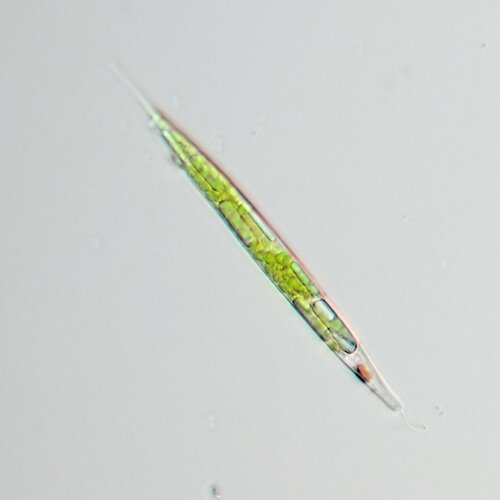
Euglenophyceae (ICNafp, proposed as a class) or Euglenea (ICZN, proposed as a class) is an unranked clade of single-celled algae belonging to the phylum Euglenozoa. They have chloroplasts originated from an event of secondary endosymbiosis with a green alga. They are distinguished from other algae by the presence of paramylon as a storage product and three membranes surrounding each chloroplast.
Lepocinclis
thumb|
Euglenaceae
Euglenaceae (also known as Euglenidae) is a family of flagellates in the phylum Euglenozoa. The family includes the most well-known euglenoid genus, Euglena.
Euglenales
Euglenales (also known as Euglenida) is an order of flagellates in the phylum Euglenozoa. The family includes the most well-known euglenoid genus, Euglena, as well as other common genera like Phacus and Lepocinclis.

Entosiphon
Entosiphon is a genus of euglenids. It was described by Friedrich Stein in 1878.

Peranema
Peranema is a genus of free-living phagotrophic euglenids (Euglenida; Euglenozoa; Excavata). There are more than 20 nominal species, varying in size between 8 and 200 micrometers. Peranema cells are gliding flagellates found in freshwater lakes, ponds and ditches, and are often abundant at the bottom of stagnant pools rich in decaying organic material. Although they belong to the class Euglenoidea, and are morphologically similar to the green Euglena, Peranema have no chloroplasts, and do not conduct autotrophy. Instead, they capture live prey, such as yeast, bacteria and other flagellates, co
Diplonemidae
Diplonemidae is a family of biflagellated unicellular protists that may be among the more diverse and common groups of planktonic organisms in the ocean. Although this family is currently made up of three named genera; Diplonema, Rhynchopus, and Hemistasia, there likely exist thousands of still unnamed genera. Organisms are generally colourless and oblong in shape, with two flagella emerging from a subapical pocket. They possess a large mitochondrial genome composed of fragmented linear DNA. These non-coding sequences must be massively trans-spliced, making it one of the most complicated post-
Anisonema
Anisonema (, meaning "unequal flagella") is a genus of colorless phagotrophic euglenid flagellates that occur in marine, brackish, and freshwater habitats around the world. Cells of Anisonema have two unequally sized flagella: a thinner anterior flagellum which flails around in front of the cell, and a thicker and longer posterior flagellum that trails behind, both emerging from the anterior region of a ventral groove in the cell. The cells glide on their posterior flagellum and can quickly reverse the direction of their movement. Like other euglenids, it has a relatively rigid protein pellicl

Diplonema
Diplonema is a genus of free-living organisms in the Euglenozoa. They are distinguished from Rhynchopus in Class Diplonemea by the absence of a fully flagellate dispersive stage.