Category
page 1Extant Devonian first appearances
.jpg)
Teuthida
A squid () is a mollusc with an elongated soft body, large eyes, eight arms, and two tentacles in the orders Myopsida, Oegopsida, and Bathyteuthida (though many other molluscs within the broader Neocoleoidea are also called squid despite not strictly fitting these criteria). Like all other cephalopods, squid have a distinct head, bilateral symmetry, and a mantle. They are mainly soft-bodied, like octopuses, but have a small internal skeleton in the form of a rod-like gladius or pen, made of chitin.
.svg)
Tetrapoda
A tetrapod (; ) is any vertebrate animal of the clade Tetrapoda (). Tetrapods include all extant and extinct amphibians and amniotes, with the latter in turn evolving into two major clades, the sauropsids (reptiles, including dinosaurs and therefore birds) and synapsids (extinct "pelycosaurs", therapsids and all extant mammals, including humans).

Decapoda
A decapod is a crustacean in the large order of Decapoda (from Ancient Greek δεκάς (dekás), meaning "ten", and πούς (poús), meaning "foot"), within the class Malacostraca, including crabs, lobsters, crayfish, shrimp, and prawns. Most decapods are scavengers. The order is estimated to contain nearly 15,000 extant species in around 2,700 genera, with around 3,300 fossil species. Nearly half of these species are crabs, with the shrimp (about 3,000 species) and Anomura including hermit crabs, king crabs, porcelain crabs, squat lobsters (about 2500 species) making up the bulk of the remainder. The

Polyplacophora
Chitons () are marine molluscs of varying size in the class Polyplacophora ( ), formerly known as Amphineura. About 940 extant and 430 fossil species are recognized.

pseudoscorpion
Pseudoscorpions, also known as false scorpions or book scorpions, are small, scorpion-like arachnids belonging to the order Pseudoscorpiones, also known as Pseudoscorpionida or Chelonethida.
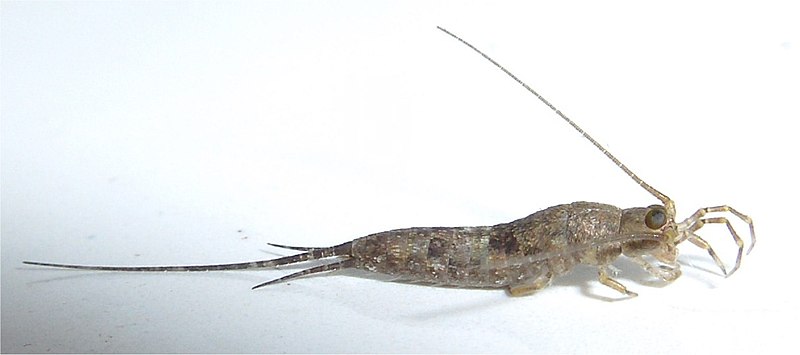
Apterygota
The name Apterygota is sometimes applied to a former subclass of small, agile insects, distinguished from other insects by their lack of wings in the present and in their evolutionary history; notable examples are the silverfish, the firebrat, and the jumping bristletails. Their first known occurrence in the fossil record is during the Devonian period, 417–354 million years ago. The group Apterygota is not a clade; it is paraphyletic, and not recognized in modern classification schemes. As defined, the group contains two separate clades of wingless insects: Archaeognatha comprises jumping bris
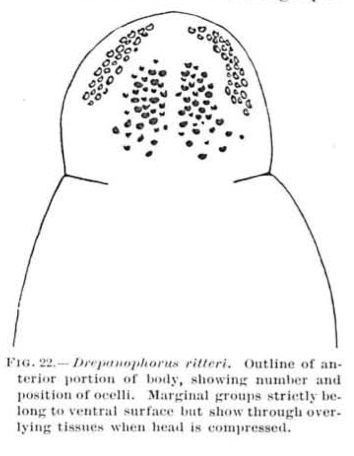
Pleocyemata
Pleocyemata is a suborder of decapod crustaceans, erected by Martin Burkenroad in 1963. Burkenroad's classification replaced the earlier sub-orders of Natantia and Reptantia with the monophyletic groups Dendrobranchiata (prawns) and Pleocyemata. Pleocyemata contains all the members of the Reptantia (including crabs, lobsters, crayfish, and others), as well as the Stenopodidea (which contains the so-called "boxer shrimp" or "barber-pole shrimp"), and Caridea, which contains the true shrimp.

Nautilida
The Nautilida constitute a large and diverse order of generally coiled nautiloid cephalopods that began in the mid Paleozoic and continues to the present with a single family, the Nautilidae which includes two genera, Nautilus and Allonautilus, with six species. All told, between 22 and 34 families and 165 to 184 genera have been recognised, making this the largest order of the subclass Nautiloidea.
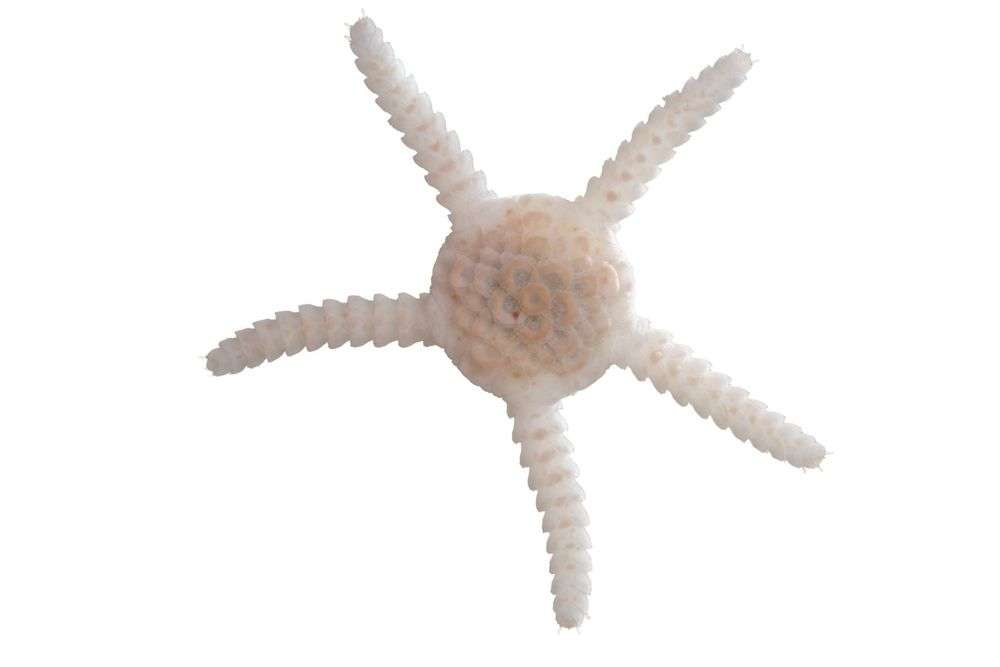
Ophiurida
The Ophiurida are an order of echinoderms within the class Ophiuroidea. It includes the vast majority of living brittle stars.
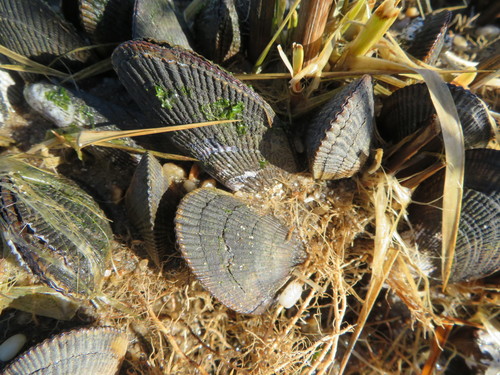
Modiolus
genus of molluscs

Eotetrapodiformes
Eotetrapodiformes is an unranked clade of tetrapodomorphs including the four-limbed vertebrates ("tetrapods" in the traditional sense) and their closest finned relatives, two groups of stem tetrapods called tristichopterids and elpistostegalids.
Trigoniida
Trigoniida is an order of medium-sized saltwater clams, marine bivalve molluscs. Within the fossil record the occurrence of this order is widespread, ranging from the Devonian Period to Recent.

Conchostraca
subclass of crustaceans

Reptantia
Reptantia is a clade of decapod crustaceans named in 1880 which includes lobsters, crabs and many other well-known crustaceans.