Category
page 1Extant Oligocene first appearances

Herpestidae
A mongoose is a small terrestrial carnivorous mammal belonging to the family Herpestidae. This family has two subfamilies, the Herpestinae and the Mungotinae. The Herpestinae comprises 23 living species that are native to southern Europe, Africa and Asia, whereas the Mungotinae comprises 11 species native to Africa. The Herpestidae originated about in the Early Miocene and genetically diverged into two main lineages between 19.1 and . There is a large introduced population on the islands of Hawaii. Mongoose diets are varied but consist of mainly insects, hatchlings, reptiles and birds.

Apis
genus of insects

Mustelidae
The Mustelidae (; from Latin , weasel) are a diverse family of carnivoran mammals, including weasels, badgers, otters, polecats, martens, grisons, and wolverines. Otherwise known as mustelids (), they form the largest family in the suborder Caniformia of the order Carnivora with about 66 to 70 species in nine subfamilies.

albatross
Albatrosses, of the biological family Diomedeidae, are large seabirds related to the procellariids, storm petrels, and diving petrels in the order Procellariiformes (the tubenoses). They range widely in the Southern Ocean and the North Pacific. They are absent from the North Atlantic, although fossil remains of short-tailed albatross show they lived there up to the Pleistocene, and occasional vagrants are found. Great albatrosses are among the largest of flying birds, with wingspans reaching up to and bodies over in length. The albatrosses are usually regarded as falling into four genera, but

whale shark
species of fish

Suidae
Suidae is a family of artiodactyl mammals which are commonly called pigs, hogs, or swine. In addition to numerous fossil species, 18 extant species are currently recognized (or 19 counting domestic pigs and wild boars separately), classified into between four and eight genera. Within this family, the genus Sus includes the domestic pig, Sus scrofa domesticus or Sus domesticus, and many species of wild pig from Europe to the Pacific. Other genera include babirusas and warthogs. All suids, or swine, are native to the Old World, ranging across Afro-Eurasia.

Alligator
An alligator, or colloquially gator, is a large reptile in the genus Alligator of the family Alligatoridae in the order Crocodilia. The two extant species are the American alligator (A. mississippiensis) and the Chinese alligator (A. sinensis). Additionally, several extinct species of alligator are known from fossil remains. Alligators first appeared during the late Eocene epoch about 37 million years ago.

Cercopithecidae
family of mammals

Phalacrocoracidae
Phalacrocoracidae is a family of approximately 40 species of aquatic birds found worldwide and commonly known as cormorants and shags. Several different classifications of the family have been proposed, but in 2021 the International Ornithologists' Union (IOU) adopted a consensus taxonomy of seven genera.

Colubridae
Colubridae (, commonly known as colubrids , from , 'snake') is a family of snakes. With 249 genera, it is the largest snake family. The earliest fossil species of the family date back to the Late Eocene epoch, with earlier origins suspected. Colubrid snakes are found on every continent except Antarctica.

Buteo
Buteo is a genus of medium to fairly large, wide-ranging raptors with a robust body and broad wings. In the Old World, members of this genus are called "buzzards", but "hawk" is used in the New World (Etymology: Buteo is the Latin name of the common buzzard). As both terms are ambiguous, buteo is sometimes used instead, for example, by the Peregrine Fund.

Gadidae
The Gadidae are a family of marine fish, included in the order Gadiformes, known as the cods, codfishes, or true cods. It contains several commercially important fishes, including the cod, haddock, whiting, and pollock.

Zeus faber
species of fish

Dracaena
genus of plants

Cyprinodontiformes
Cyprinodontiformes () is an order of ray-finned fish, comprising mostly small, freshwater fish. Many popular aquarium fish, such as killifish and live-bearers, are included. They are closely related to the Atheriniformes and are occasionally included with them. A colloquial term for the order as a whole is toothcarps, though they are not actually close relatives of the true carps – the latter belong to the superorder Ostariophysi, while the toothcarps are Acanthopterygii.

Sciaenidae
Sciaenidae is a family of ray-finned fishes belonging to the order Acanthuriformes. They are commonly called drums or croakers in reference to the repetitive throbbing or drumming sounds they make. The family consists of about 293 to 298 species in about 66 or 67 genera.

Carya
Hickory is a common name for trees composing the genus Carya, which includes 19 species accepted by Plants of the World Online.
river dolphins
Common name concerning different taxa once grouped in a single superfamily but now split into several ones
.jpg)
Musteloidea
Musteloidea is a superfamily of carnivoran mammals united by shared characteristics of the skull and teeth. Musteloids are the sister group of pinnipeds, the group which includes seals and allies.

Cottidae
The Cottidae are a family of fish in the superfamily Cottoidea, the sculpins. Following major taxonomic revisions, it contains about 118 species in 18 genera, the vast majority of which are either restricted to freshwater habitats or are amphidromous. They are referred to simply as cottids to avoid confusion with sculpins of other families.
%20(page%201%20crop).jpg)
Cyprinodontidae
Pupfish are a group of small killifish belonging to ten genera of the family Cyprinodontidae of ray-finned fish. Pupfish are especially noted for being found in extreme and isolated situations. They are primarily found in North America, South America, and the Caribbean region. As of August 2006, 120 nominal species and 9 subspecies were known. Several pupfish species are extinct and most extant species are listed. In the U.S., the most well-known pupfish species may be the Devils Hole pupfish, native to Devils Hole on the Nevada side of Death Valley National Park. Since 1995 the Devils Hole pu
Dibamidae
Dibamidae or blind skinks is a family of lizards characterized by their elongated cylindrical body and an apparent lack of limbs. Female dibamids are entirely limbless and the males retain small flap-like hind limbs, which they use to grip their partner during mating. They have a rigidly fused skull, lack pterygoid teeth and external ears. Their eyes are greatly reduced, and covered with a scale.

Queensland lungfish
species of fish (Neoceratodus forsteri)
.JPG)
Ailuridae
Ailuridae is a family in the mammal order Carnivora. The family consists of the red panda (the sole living representative) and its extinct relatives.

Xenopus
Xenopus () (from Greek ξενος, xenos 'strange' + πους, pous 'foot', commonly known as the clawed frog) is a genus of highly aquatic frogs native to sub-Saharan Africa. Twenty species are currently described within it. The two best-known species of this genus are Xenopus laevis and Xenopus tropicalis, which are commonly studied as model organisms for developmental biology, cell biology, toxicology, neuroscience and for modelling human disease and birth defects.
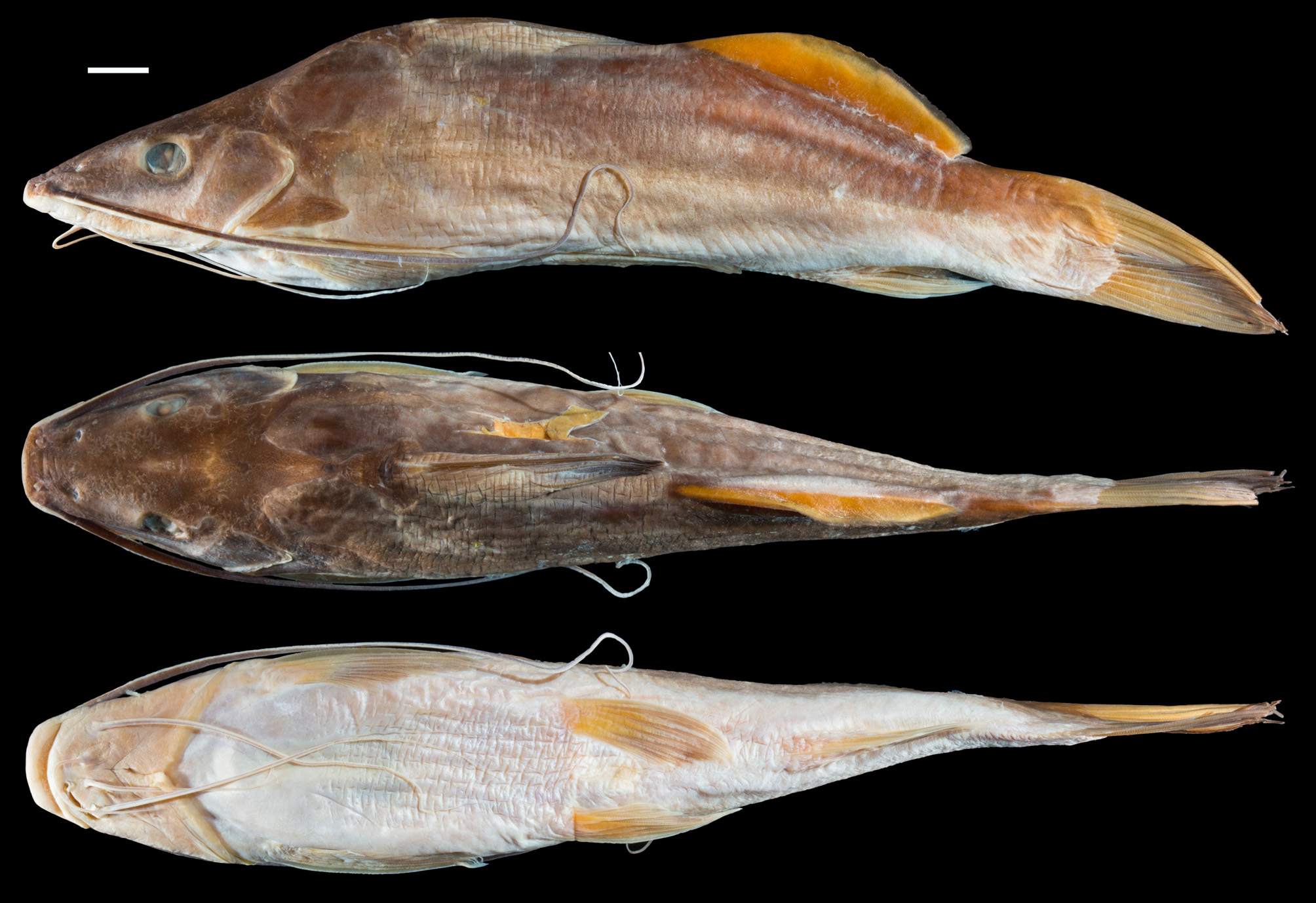
Pimelodidae
The Pimelodidae, commonly known as the long-whiskered catfishes, are a family of catfishes (order Siluriformes) native to South America. The family has a wide variety of body plans, and include the largest South American catfish species, the piraíba. Many species, including the piraíba, are locally valued as food, and even more specia of Paisley are of interest to aquaria.

Caproidae
Caproidae, or boarfishes, are a small family of marine fishes with a single extant species, the boarfish (Capros aper), native to the northeastern Atlantic Ocean, as well as a few other extinct species and genera.

Phalangeriformes
Phalangeriformes is a paraphyletic suborder of about 70 species of small to medium-sized arboreal marsupials native to Australia, New Guinea, and Sulawesi. The species are commonly known as possums, gliders, and cuscus. The common name "(o)possum" for various Phalangeriformes species derives from the creatures' resemblance to the opossums of the Americas (the term comes from Powhatan language aposoum "white animal", from Proto-Algonquian *wa·p-aʔɬemwa "white dog"). However, although opossums are also marsupials, Australasian possums are more closely related to other Australasian marsupials suc

Ascalaphinae
Ascalaphidae is a family of insects in the order Neuroptera, commonly called owlflies; there are some 450 extant species. They are fast-flying crepuscular or diurnal predators of other flying insects, and have large bulging eyes and strongly knobbed antennae. The larvae are ambush predators; some of them make use of self-decoration camouflage.
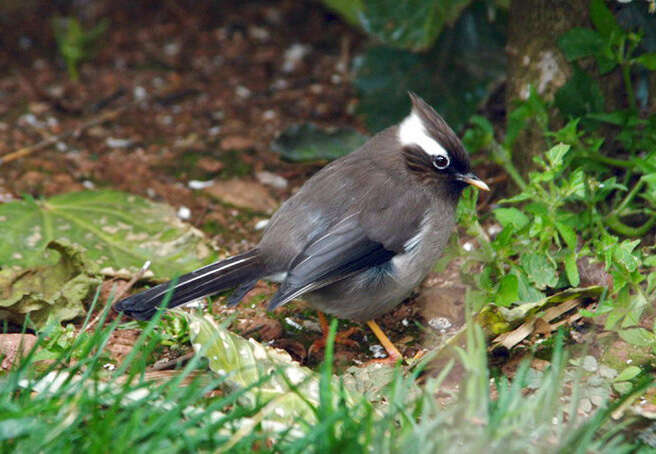
Sylvioidea
Sylviida (formerly superfamily Sylvioidea) is a parvorder of passerine birds, one of at least three major clades within the Passerides along with the Muscicapida and Passerida. It contains about 1300 species including the Old World warblers, Old World babblers, swallows, larks and bulbuls. Members of the clade are found worldwide, but fewer species are present in the Americas.
Paucituberculata
Paucituberculata is an order of South American marsupials. Although currently represented only by the seven living species of shrew opossums, this order was formerly much more diverse, with more than 60 extinct species named from the fossil record, particularly from the late Oligocene to early Miocene epochs. The earliest paucituberculatans date to the late Paleocene (Itaboraian South American land mammal age). The group went through a pronounced decline in the middle Miocene epoch, which resulted in the extinction of all families of this order except for the living shrew opossums (Caenolestid

Crest-tailed mulgara
species of mammal
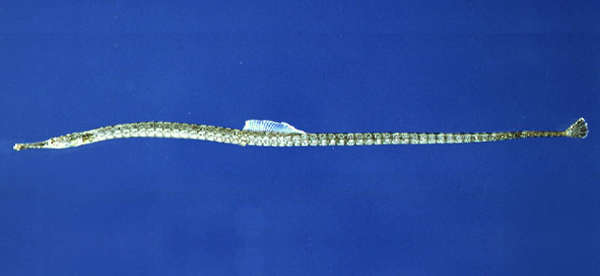
Syngnathus
Syngnathus is a genus of fish in the family Syngnathidae found in marine, brackish and sometimes fresh waters of the Atlantic, Indian and Pacific Ocean. Fossils of these species are found from the Oligocene to the Pleistocene. They are known from various localities of Greece, Italy, Germany and United States. The name comes from Ancient Greek σύν (sún), meaning "together", and γνάθος (gnáthos), meaning "jaw", referring to the fused jaw that the species (and the entire family) have in common.
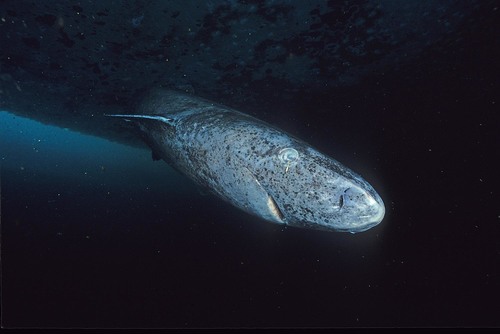
Somniosus
Somniosus is a widely distributed genus of deepwater dogfish sharks in the family Somniosidae. Several members of the genus are believed to attain lengths up to , thus ranking among the largest of sharks.

Dicentrarchus
Dicentrarchus is a genus of ray-finned fishes belonging to the family Moronidae, the temperate basses. The two species in this genus are found in the eastern Atlantic Ocean and the Mediterranean Sea. The species in this genus are economically important food fishes.
Delphinoidea
Delphinoidea are the largest group of toothed whales, including 66 genera in 6 families. The largest living member of the superfamily is the orca, which can reach 6 tons, while the smallest is the vaquita.

Rhinochimaeridae
The Rhinochimaeridae, commonly known as long-nosed chimaeras, are a family of cartilaginous fish. They are similar in form and habits to other chimaeras, but have an exceptionally long conical or paddle-shaped snout. The snout has numerous sensory nerve endings, and is used to find food such as small fish. The first dorsal fin includes a mildly venomous spine, used in defense.

Ictalurus
Ictalurus is a genus of North American freshwater catfishes. It includes the well-known channel catfish (Ictalurus punctatus) and blue catfish (Ictalurus furcatus).
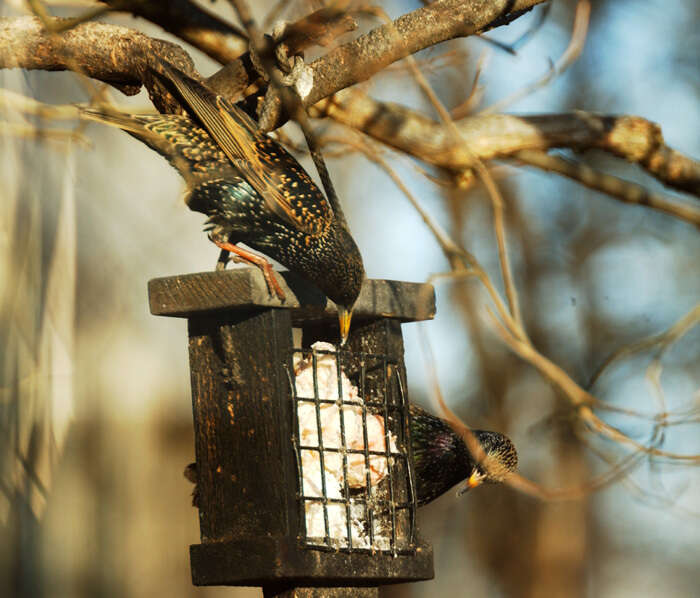
Muscicapoidea
Muscicapoidea is a superfamily belonging to the infraorder Passerides containing the Old World flycatchers, thrushes, starlings and their allies. The superfamily contains around 670 species.
.jpg)
Ameiurus
Ameiurus is a genus of catfishes in the family Ictaluridae. It contains the three common types of bullhead catfish found in waters of the United States, the black bullhead (Ameiurus melas), the brown bullhead (Ameiurus nebulosus), and the yellow bullhead (Ameiurus natalis), as well as other species, such as the white catfish (Ameiurus catus or Ictalurus catus), which are not typically called "bullheads".

Curassow
Curassows are one of the three major groups of cracid birds. They are the largest-bodied species of the cracid family. Three of the four genera are restricted to tropical South America; a single species of Crax ranges north to Mexico. They form a distinct clade which is usually classified as the subfamily Cracinae.
{| class="wikitable"
|-
! Image !! Genus !! Living species
|-
|120px||Nothocrax ||
Nocturnal curassow, Nothocrax urumutum
|-
|120px||Mitu ||
Crestless curassow, Mitu tomentosum
Alagoas curassow, Mitu mitu - extinct in the wild (mid-late 1980s)
Salvin's curassow, Mitu salvini

Hyporhamphus
Hyporhamphus is a genus of halfbeaks. The species in this genus are distributed throughout the warmer seas of the world, most species being Indo-Pacific and there are some freshwater species.
Aplodontiidae
The family Aplodontiidae also known as Aplodontidae, Haplodontiidae or Haploodontini is traditionally classified as the sole extant family of the infraorder Protrogomorpha. It may be the sister family of the Sciuridae.
There are fossils from the Oligocene until Miocene in Asia, from Oligocene in Europe and from the Oligocene until the present in North America, where there is the only living species: the mountain beaver (Aplodontia rufa).
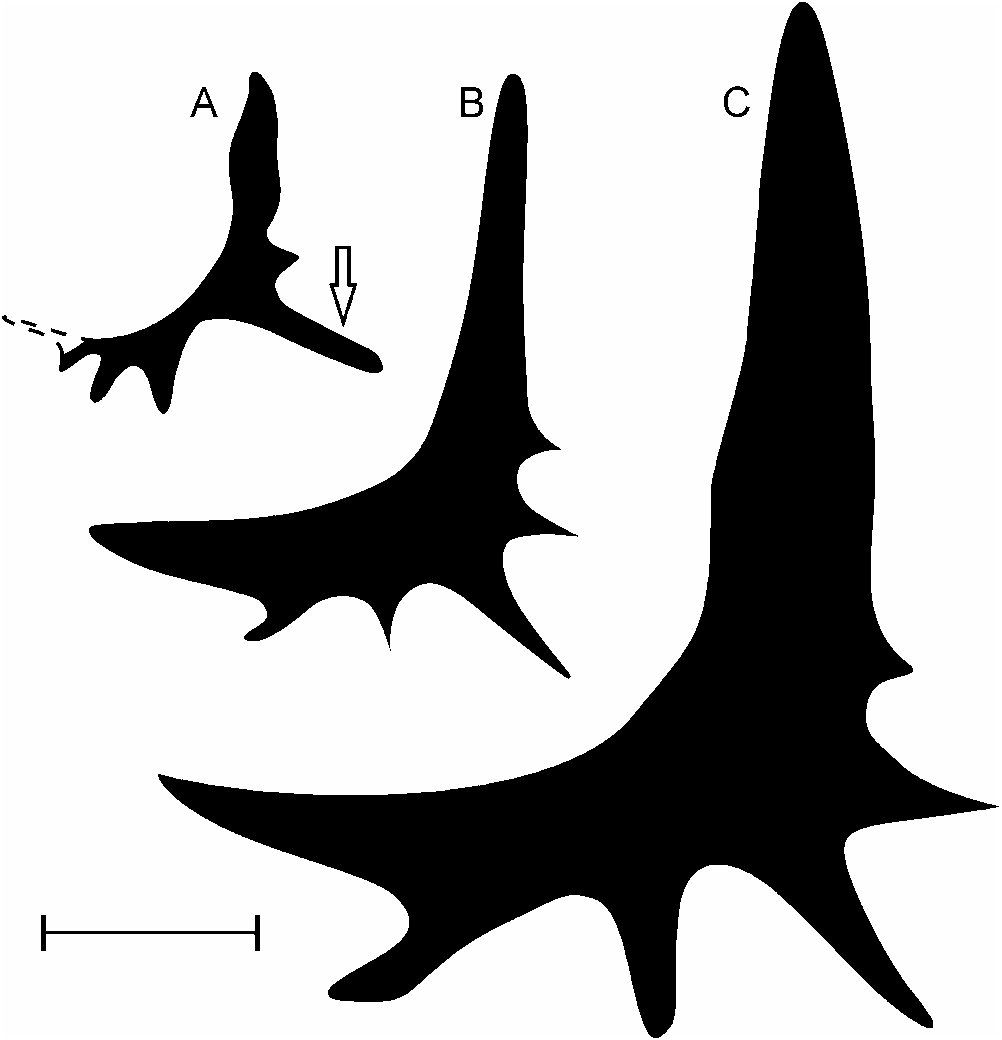
Trachinus
Trachinus is a genus of weevers, order Perciformes that consists of seven extant species. Six of the genus representatives inhabit the waters of Eastern Atlantic Ocean, but only one, Trachinus cornutus, inhabits the South-Eastern Pacific Ocean. Three of the Atlantic species occur near the coasts of Europe. An eighth extinct species, T. minutus, is known from Oligocene-aged strata from the Carpathian Mountains, while a ninth species, also extinct, T. dracunculus, is known from middle-Miocene-aged strata from Piemonte, Italy.
Nandopsis
Nandopsis is a small genus of cichlid fishes found in lakes, streams and rivers in Cuba and Hispaniola. Nandopsis are the only cichlids native to the Antilles.
Phiomorpha
The rodent parvorder or infraorder Phiomorpha comprises several living and extinct families found wholly or largely in Africa. Along with Anomaluromorpha and perhaps the extinct Zegdoumyidae, it represents one of the few early colonizations of Africa by rodents.
Certhioidea
Certhioidea is a superfamily belonging to the infraorder Passerida containing wrens and their allies. It was proposed in 2004 by Cracraft and colleagues to house a clade of four families that were removed from the superfamily Sylvioidea.

Mercenaria
Mercenaria is a genus of edible marine bivalves in the family Veneridae, the Venus clams. The genus includes the quahogs, consisting of Mercenaria mercenaria, the northern quahog or hard clam, and M. campechiensis, the southern quahog, both important species for human consumption.
thumb|150px|left|Left valve interior of Mercenaria mercenaria
Bombycilloidea
Bombycilloidea is a superfamily of passerine birds that contains ten living species. They are found in North, Central America, most of the Palearctic, the Arabian Peninsula, the islands of Hispaniola and Sulawesi, and formerly the Hawaiian Islands.
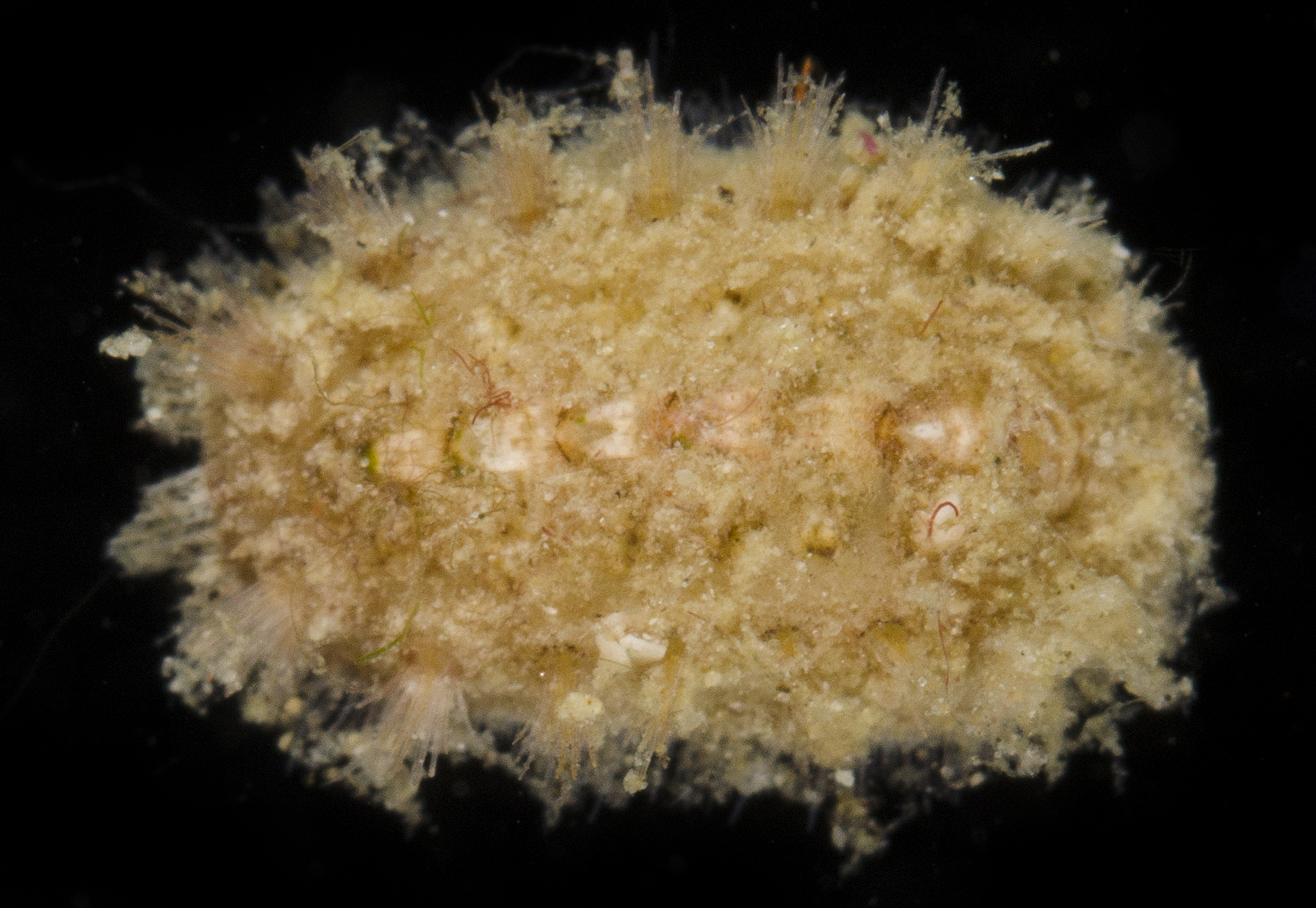
Acanthochitona
Acanthochitona is a genus of chitons in the family Acanthochitonidae, of worldwide distribution.
Oregonia
genus of crabs
Aeluroidea
Aeluroidea, Ailuroidea, or Feloidea is the name of a taxon (infraorder or superfamily) comprising cat-like Carnivora. More specifically the taxon comprises:
either cat-like Carnivora in the broader sense, i.e. it is synonymous with Feliformia (more specifically either Feliformia sensu stricto, i.e. crown Feliformia, or Feliformia sensu lato, i.e. Pan-Feliformia);
or cat-like Carnivora in the narrower sense, i.e. it comprises only the family Felidae (recently also Prionodontidae) and its closest extinct relatives.
The Aeluroidea in the first, i.e. broader sense, has been sometimes called infr
Sminthidae
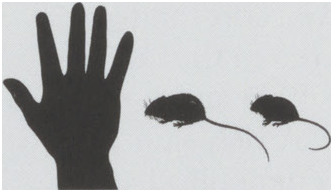
Sminthidae is a family of mouse-like jumping rodents. They are represented by only one extant genus, Sicista, represented by 19 species found throughout most of Eurasia, from central Europe east to Siberia, and south to southern China. However, they were much more diverse and had a much wider range in prehistory, having multiple genera and being found not only in Eurasia but also throughout North America, where they existed up to the early Pleistocene. They have a well-attested fossil record which dates as far back as the early Oligocene.

Metacarcinus
Metacarcinus is a genus of crabs formerly included in the genus Cancer. It includes nine exclusively fossil species and five extant species, of which four are also known from the fossil record. A molecular study using the cytochrome oxidase I gene does not support the monophyly of this genus.
Chaetopleura
Chaetopleura is a genus of chitons in the family Chaetopleuridae. The species within this genus are marine molluscs.

Callochiton
Callochiton is a genus of chitons in the family Callochitonidae.
Elachorbis
Elachorbis is a genus of minute sea snails or micromolluscs, marine gastropod molluscs in the family Tornidae.
Notoplax
Notoplax is a genus of chitons in the family Acanthochitonidae.
Scutellidae
Scutellidae is a family of sea urchins in the superfamily Scutelloidea. All genera except Scaphechinus are extinct.

Protoma
Protoma is a genus of sea snails, marine gastropod mollusks in the family Turritellidae.