Category
page 1Extant Selandian first appearances

Vitis
Vitis (grapevine) is a genus of about 80 species of twining plants in the family Vitaceae. The genus consists of species predominantly from the Northern Hemisphere. It is economically important as the source of grapes, both for direct consumption of the fruit and for fermentation to produce wine. The study and cultivation of grapevines is called viticulture.
Proboscidea
Proboscidea (; , ) is a taxonomic order of Afrotheria paenungulate mammals described by J. Illiger in 1811. It encompasses the elephants (family Elephantidae) and their extinct relatives. Three living species of elephant are currently recognised: the African bush elephant, the African forest elephant, and the Asian elephant.

Iridaceae
Iridaceae () is a family of plants in order Asparagales, taking its name from the irises. It has a nearly global distribution, with 69 accepted genera with a total of about 2500 species. It includes a number of economically important cultivated plants, such as species of Freesia, Gladiolus, and Crocus, as well as the crop saffron.

motorcycle
thumb|right|Spectacled caiman (Caiman crocodilus)
thumb|right|Yacare caiman (Caiman yacare)
thumb|right|Black caiman (Melanosuchus niger)
thumb|right|Cuvier's dwarf caiman (Paleosuchus palpebrosus)
thumb|right|Smooth-fronted caiman (Paleosuchus trigonatus)

Paenungulata
Paenungulata, also known as Uranotheria, is a clade of sub-ungulates, which groups three extant mammal orders: Proboscidea (including elephants), Sirenia (sea cows, including dugongs and manatees), and Hyracoidea (hyraxes). At least two more possible orders are known only as fossils, namely Embrithopoda and Desmostylia.
Scombroidei
Scombroidei or Scombrales is a suborder or infraorder of the order Scombriformes or suborder Scombroidei. The suborder or infraorder includes the tunas, mackerel and snake-mackerels. Regular scombrids are observed to have large heads, eyes, and mouths. In most cases, the second dorsal fin will develop before the development of the first.
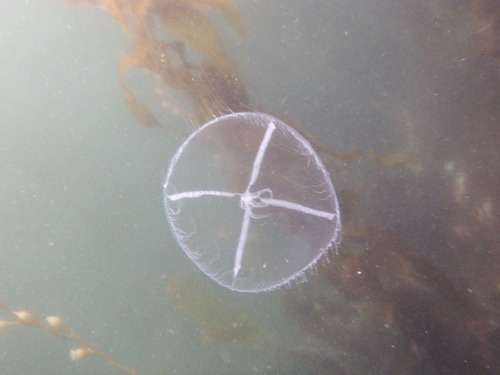
Hydromedusa
Hydromedusa, commonly known as the South American snake-necked turtles, is a genus of turtles in the family Chelidae. They are quite closely related to the South American side-necked swamp turtles (Acanthochelys) and the snake-necked turtles of the Australian-Melanesian region (Chelodina), but less closely to the spine-necked river turtles of South America (Podocnemididae) which belong to a more modern lineage of Pleurodira.

Scleropages
Scleropages, the Asia-Pacific arowanas, is a genus of fish in the family Osteoglossidae found in Asia and Australia. All of these species are carnivorous and have great jumping ability. Fossil evidence supports their former presence in Europe & Africa.
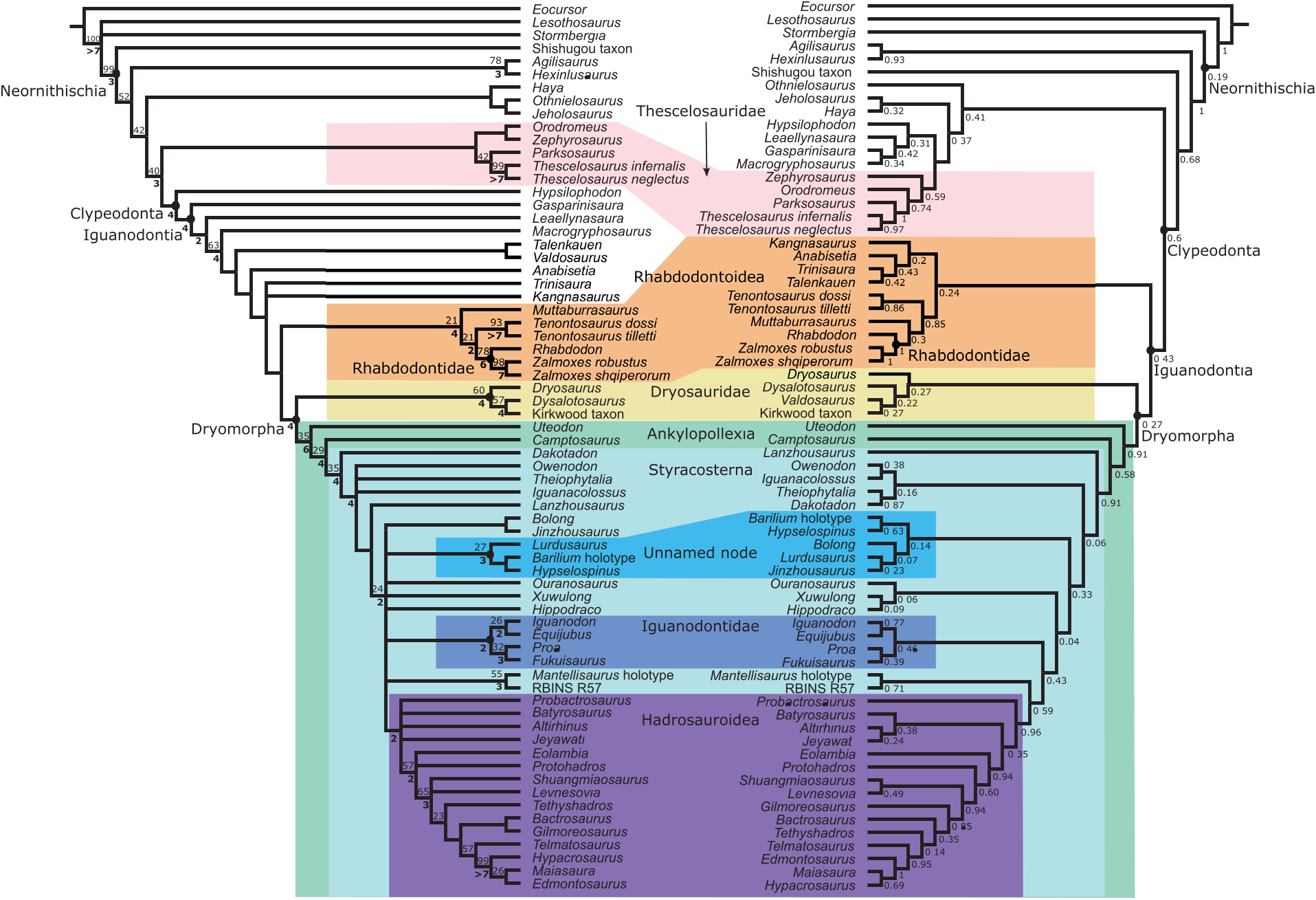
Amia
genus of fishes

Gavialoidea
Gavialoidea is one of three superfamilies of crocodilians, the other two being Alligatoroidea and Crocodyloidea. Although many extinct species are known, only the gharial Gavialis gangeticus and the false gharial Tomistoma schlegelii are alive today, with Hanyusuchus having become extinct in the last few centuries.
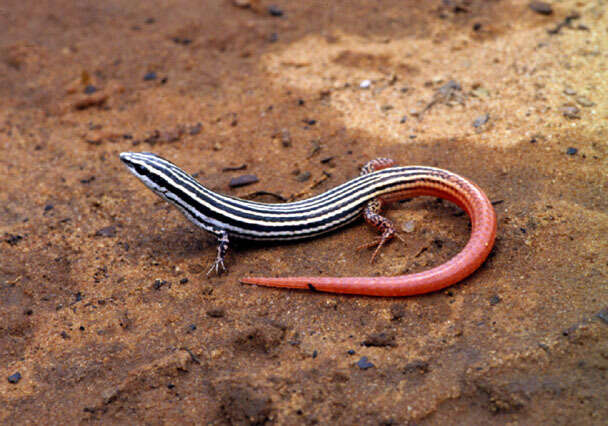
Lacertoidea
The Lacertoidea is a group of squamate reptiles that includes the Lacertidae, Teiidae, Gymnophthalmidae, and Amphisbaenia. The finding from molecular phylogenetic studies that the burrowing Amphisbaenia were nested in a clade with the lizard forms led Vidal & Hedges (2005) to propose a new name for the group based on shared morphogical characters, Laterata, "referring to the presence of tile-like (squarish or quadrangular, and sometimes raised) scales that form the rings in Amphisbaenia, and are also present ventrally in Lacertiformata and Teiformata".

Hexaplex
Hexaplex is a genus of medium-sized to large sea snails, marine gastropod mollusks in the subfamily Muricinae of the family Muricidae, the murex shells or rock snails.
Zonaria
genus of molluscs
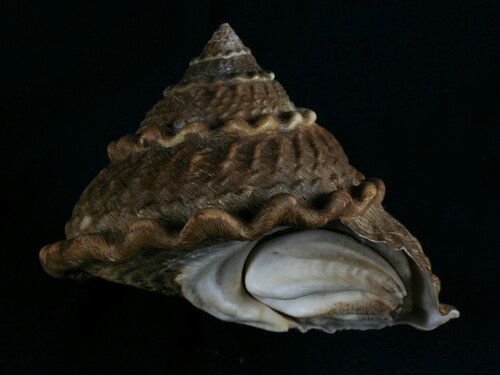
Astraea
genus of molluscs