Category
page 1Extinct animals of Canada

Great Auk
species of bird (extinct)
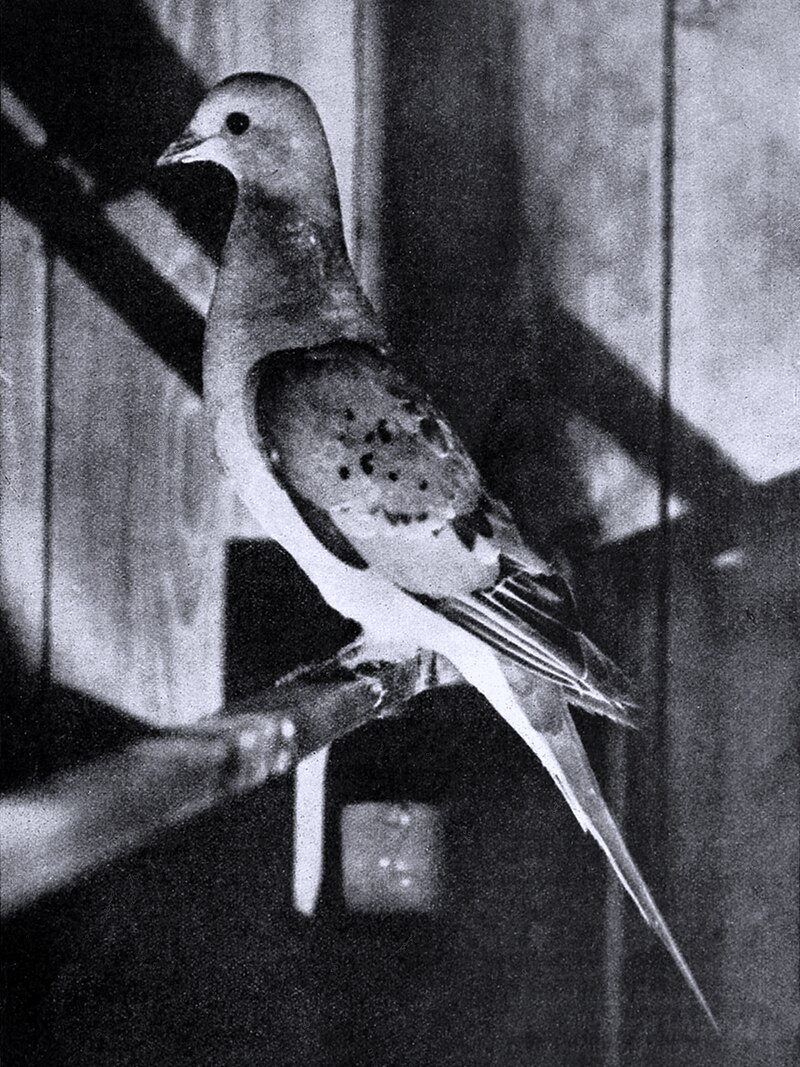
Passenger Pigeon
extinct species of North American pigeon, most abundant bird on Earth before extinction

Woolly Mammoth
extinct species of mammoth (Mammuthus)

Mammut
A mastodon () is a member of the genus , which was endemic to North America and lived from the late Miocene to the early Holocene. Mastodons belong to the order Proboscidea, the same order as elephants and mammoths (which belong to the family Elephantidae). Mammut is the type genus of the extinct family Mammutidae, which diverged from the ancestors of modern elephants at least 28 million years ago, during the Oligocene.
Labrador Duck
species of extinct bird
Sea Mink
species of mammal

Arctodus
Arctodus is an extinct genus of short-faced bears that inhabited North America during the Pleistocene (about 2.6 Mya until 12,800 years ago). The two recognized species are the lesser short-faced bear (Arctodus pristinus) and the giant short-faced bear (Arctodus simus). Of these species, A. simus was larger, is known from more complete remains, and is considered one of the best-known members of North America's extinct Ice Age megafauna. A. pristinus was largely restricted to the Early Pleistocene of the eastern United States, whereas A. simus had a broader range, with most finds being from the
Bison antiquus
species of mammal (fossil)
Newfoundland Wolf
extinct subspecies of mammal
Bernard's wol
subspecies of grey wolf

Cascade Mountain Wolf
subspecies of mammal
Cervus canadensis canadensis
subspecies of mammal
Beringian wolf
extinct type of wolf
Queen Charlotte Islands caribou
extinct subspecies of caribou
Whiteia
Whiteia is an extinct genus of prehistoric coelacanth fish which lived during the Triassic period. It is named after Errol White.
Eastern cougar
extinct population of cougar in eastern part of North America
Ungava brown bear
extinct population of grizzly bears
Cometicercus
Cometicercus is an extinct genus of furcacaudiform thelodont which lived in the Northwest Territories of Canada during the Early Devonian period. It hails from the MOTH locality in the Mackenzie Mountains. It is only known from its caudal fin and parts of its dorsal surface, including its dorsal fin.'' The scales of Cometicercus'' likely served an anti-parasite role, similar to modern sharks which form large groups and cruise at slow to medium speeds.