Category
page 1Extinction
.jpg)
extinction
thumb|The thylacine (Thylacinus cynocephalus) is an example of a recently extinct [[species.]]
thumb|Palaeotherium is an example of an extinct [[genus that is only recorded from fossil records before the existence of hominids.]]

extinct in the wild
IUCN conservation category

living fossil
organismic taxon that closely resembles an extinct entity, with few related living taxa
.jpg)
megafauna
thumb|320px|The African bush elephant (foreground), Earth's largest extant land animal, and the [[Masai ostrich (background), one of Earth's largest extant birds]]
In zoology, megafauna (from Greek 'large' and Neo-Latin 'animal life') are large animals. The precise definition of the term varies widely, though a common threshold is approximately , this lower end being centered on humans, with other thresholds being more relative to the sizes of animals in an ecosystem, the spectrum of lower-end thresholds ranging from to , the latter largely restricted to megaherbivores. Large body size is gene
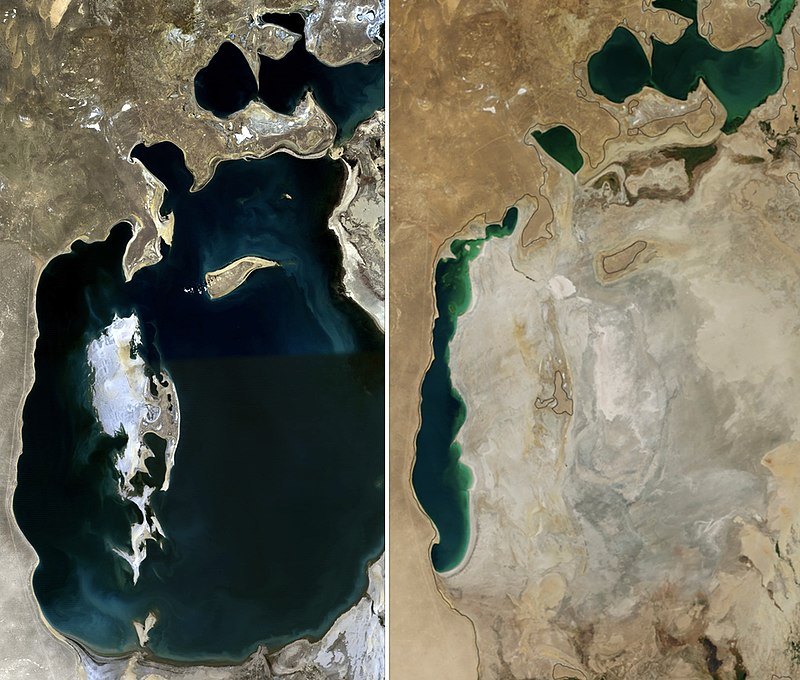
Holocene extinction
massive extinction event during the current Holocene geological epoch
biodiversity loss
extinction of species worldwide, and also the local reduction or loss of species in a certain habitat

de-extinction
thumb|right|The Pyrenean ibex, also known as the bouquetin (French) and bucardo (Spanish), is the only animal to have survived de-extinction past birth through cloning.
De-extinction (also known as resurrection biology, or species revivalism) is the process of human intervention to generate an organism that either resembles or is an extinct organism. There are several ways to carry out the process of de-extinction. Cloning is the most widely proposed method, although genome editing and selective breeding have also been considered. Similar techniques have been applied to certain endangered spec
Signor–Lipps effect
Sampling bias in the fossil record raising difficulties to characterize extinctions
locally extinct species
the condition of a taxon ceasing to exist in a region which it previously inhabited
breeding back
backbreeding
extinction debt
future extinction of species due to events in the past

Silurian hypothesis
assessment of modern science's ability to detect evidence of a prior advanced civilization

endling
thumb|right|200px|The last known thylacine (Tasmanian tiger), photographed at [[Hobart Zoo in 1933]]
An endling is the last known individual of a species or subspecies. Once the endling dies, the species becomes extinct. The word was coined in correspondence in the scientific journal Nature.
Functional extinction
end of viability for a population
coextinction
Coextinction and cothreatened refer to the phenomenon of the loss or decline of a host species resulting in the loss or endangerment of another species that depends on it, potentially leading to cascading effects across trophic levels. The term was originated by the authors Stork and Lyal (1993) and was originally used to explain the extinction of parasitic insects following the loss of their specific hosts. The term is now used to describe the loss of any interacting species, including competition with their counterpart, and specialist herbivores with their food source. Coextinction is especi
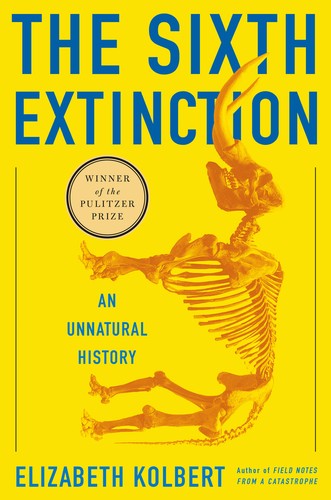
The Sixth Extinction
popular science book by Elizabeth Kolbert
extinction risk from global warming
risk of species becoming extinct due to the effects of global warming
Quagga Project
attempt to breed a zebra resembling an extinct quagga
zombie taxon
type of fossil
Elvis taxon
taxon that seems to resemble another taxon that has disappeared from the fossil record
Tauros Programme
German cattle-breeding project
extinction vortex
class of models about – and observed phenomena of – the dynamics of extinctions of species
evolutionary suicide
evolutionary phenomenon in which the process of adaptation causes the population to become extinct
windshield phenomenon
observation of apparent decrease in insect roadkill
Revive & Restore
Is a nonprofit wildlife conservation organization bringing biotechnology to conservation
Extinction threshold
A numerical value of a variable characterizing a population or metapopulation, below which it is believed that population or metapopulation cannot survive
Ecological extinction
reduction of a species' abundance to the point that, though still present, it stops interacting with other species
Background extinction rate
standard rate of extinction in earth's geological and biological history before humans became a primary contributor to extinctions