Category
page 1Extinction events

extinction event
widespread and rapid decrease in the amount of life on earth

Chicxulub crater
prehistoric impact crater buried underneath the Yucatán Peninsula in Mexico
Permian-Triassic mass extinction
mass extinction event at the end of the Permian Period approximately 250 million years ago

Nemesis
hypothetical star orbiting the Sun, responsible of extinction events
Snowball Earth
worldwide glaciation episodes during the Cryogenian Period of the Neoproterozoic Era
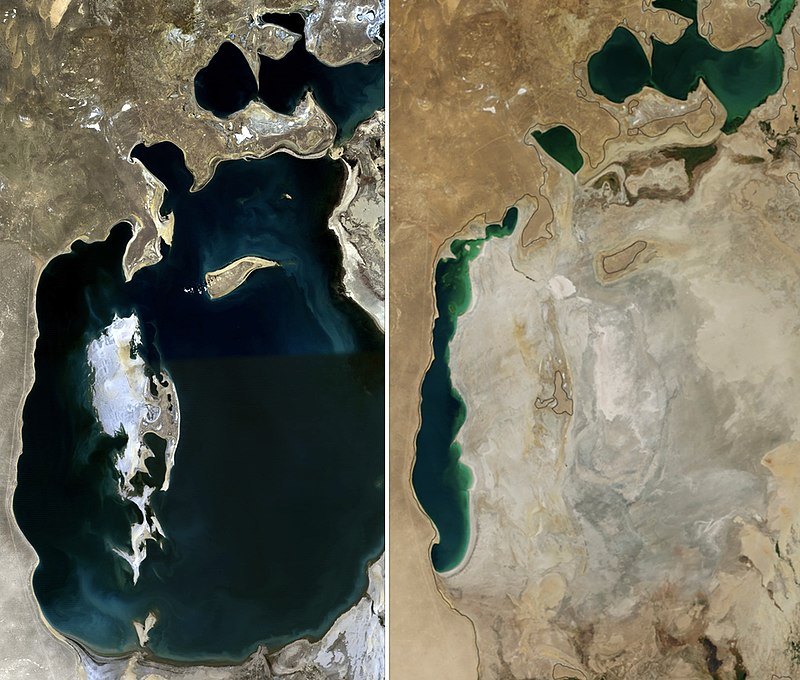
Holocene extinction
massive extinction event during the current Holocene geological epoch
Great Oxygenation Event
Paleoproterozoic surge in atmospheric oxygen
Ordovician–Silurian extinction event
mass extinction event at the end of the Ordovician period and the beginning of the Silurian period in the Paleozoic era, around 444 million years ago
Triassic-Jurassic mass extinction
mass extinction at the end of the Triassic
marine regression
geological process of areas of submerged seafloor being exposed above the sea level
Huronian glaciation
severe glaciation during the Paleoproterozoic Era, possibly due to the Oxygen catastrophe, leading to a "Snowball Earth"
Cretaceous–Paleogene boundary
geological signature, usually a thin band of rock, marking the transition from the end of the Cretaceous Period and the beginning of the Paleogene Period, dated with radiometric methods, at the age of 66.043 ± 0.011 Ma
Late Devonian extinction
mass extinction event, starting at the end of the Frasnian age of Upper Devonian around 372 million years ago
Quaternary extinction event
mass extinction event, around 10000 BCE, marking the end of the Pleistocene and the beginning of the Holocene, during which many megafauna species went extinct; hypothesized to be caused by human hunting and/or natural climate change
Silverpit crater
sub-sea structure under the North Sea
Eocene–Oligocene extinction event
mass extinction
Carnian Pluvial Event
global climate change and biotic turnover that occurred during the Carnian or early Late Triassic
Youngest Toba eruption
volcanic supereruption 74,000 years ago in Indonesia
Marinoan glaciation
glaciation
Cambrian–Ordovician extinction event
mass extinction event; occurred approximately 488 million years ago
Carboniferous rainforest collapse
extinction event; occurred ca. 305 Ma at the end of the Moscovian in the Carboniferous; altered the vast coal forests that covered the equatorial region of Euramerica, fragmenting them into ‘islands’, causing dwarfism and extinction of many species

Cenomanian-Turonian boundary event
anoxic extinction events in the Cretaceous period, occurring at 91.5 ± 8.6 Ma
Medea hypothesis
hypothesis that multicellular life, understood as a superorganism, is suicidal, and that microbial-triggered mass extinctions are attempts to return the Earth to a microbial-dominated state
Younger Dryas impact hypothesis
hypothesis on what initiated the Younger Dryas geological period
extinction risk from global warming
risk of species becoming extinct due to the effects of global warming
End-Ediacaran extinction
extinction event marking the end of the Proterozoic eon and the beginning of the Phanerozoic eon (as well as the Cambrian era)
Lau event
mass extinction event in the Ludfordian age of the Silurian period, ca. 424 Ma
mid-Permian extinction
extinction of animal and plant life that occurred at the end of the Capitanian stage of the Guadalupian epoch of the Permian period, associated with the Emeishan Traps
bird extinction
extinction event
Olson's Extinction
mass extinction that occurred 273 million years ago in the early Guadalupian of the Permian period
Ireviken event
first of three relatively minor extinction events (the Ireviken, Mulde, and Lau events) during the Silurian period; occurred at the Llandovery/Wenlock boundary
Mulde event
anoxic event causng mass extinctions, coinciding with a global drop in sea level, and is closely followed by an excursion in geochemical isotopes, during the Silurian period