Category
page 1Extremophiles
.jpg)
Archaea
Archaea ( ) is a domain of organisms. Traditionally, Archaea included only its prokaryotic members, but has since been found to be paraphyletic, as eukaryotes are known to have evolved from archaea. Even though the domain Archaea cladistically includes eukaryotes, the term archaea ( ; ) in English still generally refers specifically to prokaryotic members of Archaea.

Nematoda
The nematodes ( or ; ; ), roundworms or eelworms constitute the phylum Nematoda. Species in the phylum inhabit a broad range of environments. Most species are free-living, feeding on microorganisms, but many are parasitic. Parasitic worms (helminths) are the cause of soil-transmitted helminthiases.
extremophile
right|thumb|300px|The bright colors of Grand Prismatic Spring in [[Yellowstone National Park are produced by thermophiles, a type of extremophile.]]

Bacillus subtilis
catalase-positive bacterium

xerophile
A xerophile (from Ancient Greek ξηρός (xerós), meaning "dry", and φίλος (phílos), meaning "loving") is an extremophilic organism that can grow and reproduce in conditions with a low availability of water, also known as water activity.
Sulfate-reducing bacteria
microorganisms which "breathe" sulfates

alkaliphile
Alkaliphiles are a class of extremophilic microbes capable of survival in alkaline (pH roughly 8.5–11) environments, growing optimally around a pH of 10. These bacteria can be further categorized as obligate alkaliphiles (those that require high pH to survive), facultative alkaliphiles (those able to survive in high pH, but also grow under normal conditions) and haloalkaliphiles (those that require high salt content to survive).
Desulforudis audaxviator
species of bacterium
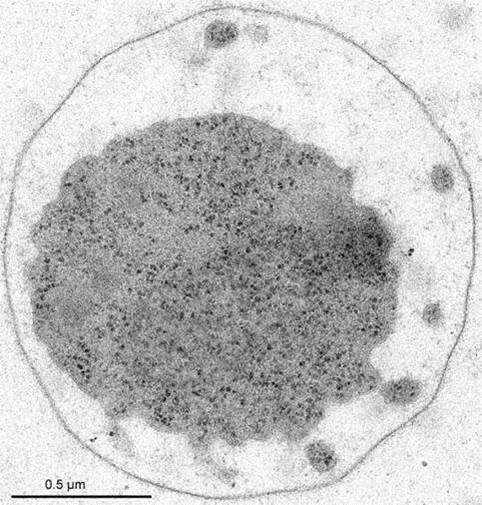
Ignicoccus
Ignicoccus is a genus of hyperthermophillic Archaea living in marine hydrothermal vents. They were discovered in samples taken at the Kolbeinsey Ridge north of Iceland, as well as at the East Pacific Rise (at 9 degrees N, 104 degrees W) in 2000.

Xenophyophorea
Xenophyophorea is a clade of foraminiferans. Xenophyophores are multinucleate unicellular organisms found on the ocean floor throughout the world's oceans, at depths of . They are a kind of foraminiferan that extract minerals from their surroundings and use them to form an exoskeleton known as a test.
thermostability
thumb|Crystal structure of β-[[glucosidase from Thermotoga neapolitana (PDB: 5IDI). Thermostable protein, active at 80°C and with unfolding temperature of 101°C.]]
abiogenic petroleum origin
theory about the origin of petroleum

Syntrichia caninervis
species of plant

Psammophile
alt=A close-up photo of a Jerboa standing on two legs in a desert in Saudi Arabia|thumb|Jerboa|Jerboas are well adapted to living in sandy areas
A psammophile ( ) is a plant or animal that prefers or thrives in sandy areas. Plant psammophiles are also known as psammophytes. They thrive in places such as the Arabian Peninsula, the Sahara and the dunes of coastal regions.
Tersicoccus phoenicis
species of bacterium
Methanothermus
Methanothermus is a genus of microbes within the family Methanothermaceae. The species within this genes are hyperthermophiles and strictly anaerobic. They produce energy through the reduction of carbon dioxide with hydrogen to produce methane. it is found in hydrothermal vents with temperatures as high as 85 °C and pH 6.5.
radiotrophic fungus
fungus which apparently metabolizes ionizing radiation
Monothalamea
Monothalamea is a grouping of foraminiferans, traditionally consisting of all foraminifera with single-chambered tests. Recent work has shown that the grouping is paraphyletic, and as such does not constitute a natural group; nonetheless, the name monothalamea continues to be used by foraminifera workers out of convenience.

Chroococcidiopsis
thumb|Chroococcidiopsis thermalis can photosynthesize in far-red light, and might be suitable for future Mars colonists.
Thermodesulfobacteriota
The Thermodesulfobacteriota, or Desulfobacterota, are a phylum of anaerobic Gram-negative bacteria. Many representatives are sulfate-reducing bacteria, others can grow by disproportionation of various sulphur species, reduction or iron, or even use external surfaces as electron acceptors (exoelectrogens). They have highly variable morphology: vibrio, rods, cocci, as well as filamentous cable bacteria. Individual members of Desulfobacterota are also studied for their bacterial nanowires or syntrophic relationships.left|thumb|Phylogenetic tree of prokaryotes based on ribosomal proteins and [[RNA
Eremobiotus
Eremobiotus is a genus of tardigrade in the class Eutardigrada.
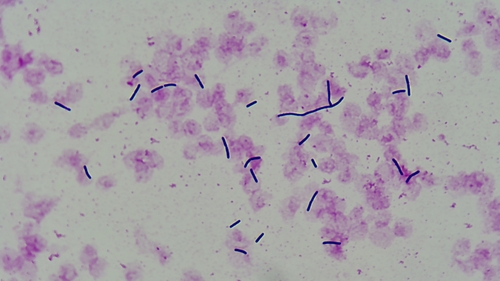
Bacillus pumilus
species of bacterium
Nanobdellati
Nanobdellati (syn. "DPANN") is a kingdom of archaea first proposed in 2013. Many members show novel signs of horizontal gene transfer from other domains of life. They are known as nanoarchaea or ultra-small archaea due to their smaller size (nanometric) compared to other archaea.
extreme environment
habitat considered hard to survive in
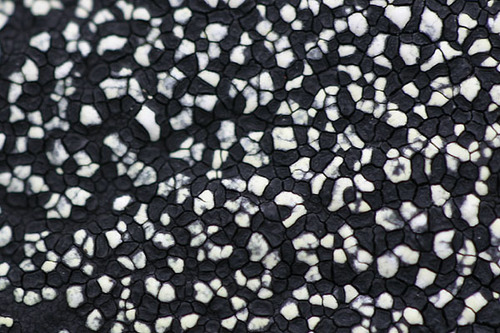
Buellia frigida
species of fungus
Hypolith
In Arctic and Antarctic ecology, a hypolith is a community of photosynthetic organisms, and extremophiles, that live
underneath rocks in climatically extreme deserts such as Cornwallis Island and Devon Island in the Canadian high Arctic. The community itself is the hypolithon.