Category
page 6Fabaceae genera

Leptoderris
Leptoderris is a genus of flowering plants in the family Fabaceae. It includes 22 species native to tropical Africa, ranging from Senegal to Tanzania, Malawi, Zambia, and Angola. It belongs to the subfamily Faboideae.
Eurypetalum
Eurypetalum is a genus of plants in the family Fabaceae. It includes two species of trees native to the Guineo-Congolian forest of southern Cameroon, Gabon, and mainland Equatorial Guinea.
Eurypetalum tessmannii Harms
Eurypetalum unijugum Harms

Hoffmannseggia
Hoffmannseggia is a genus of flowering plants in the pea family, Fabaceae, known generally as rushpeas. These are pod-bearing herbs and subshrubs native to the Americas. In North America they range from California and Nebraska to southern Mexico, and from Colombia, Ecuador, and Peru to southern Argentina and Chile in South America.
The generic name honors Johann Centurius, Count of Hoffmannsegg, a nineteenth-century German nobleman and botanist.
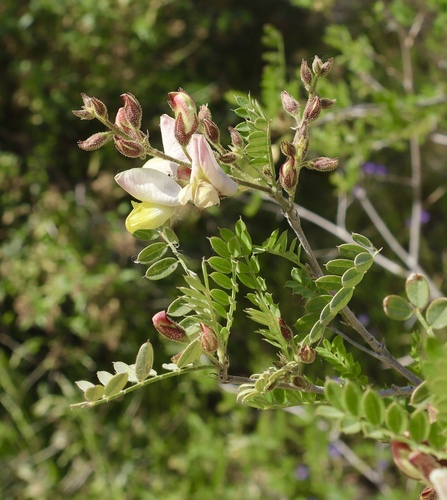
Coursetia
Coursetia is a genus of flowering plant in the pea family, Fabaceae. Members of the genus, commonly known as babybonnets, are shrubs and small trees native to the Southwestern United States, Mexico, the Caribbean, Central America, and South America as far south as Brazil and Peru. The genus is named for French botanist Georges Louis Marie Dumont de Courset (1746–1824).
Sinodolichos
Sinodolichos is a genus of flowering plants in the legume family, Fabaceae. It includes two species native to southern China, Assam, Myanmar, Thailand, Vietnam, and Borneo. It belongs to subfamily Faboideae.
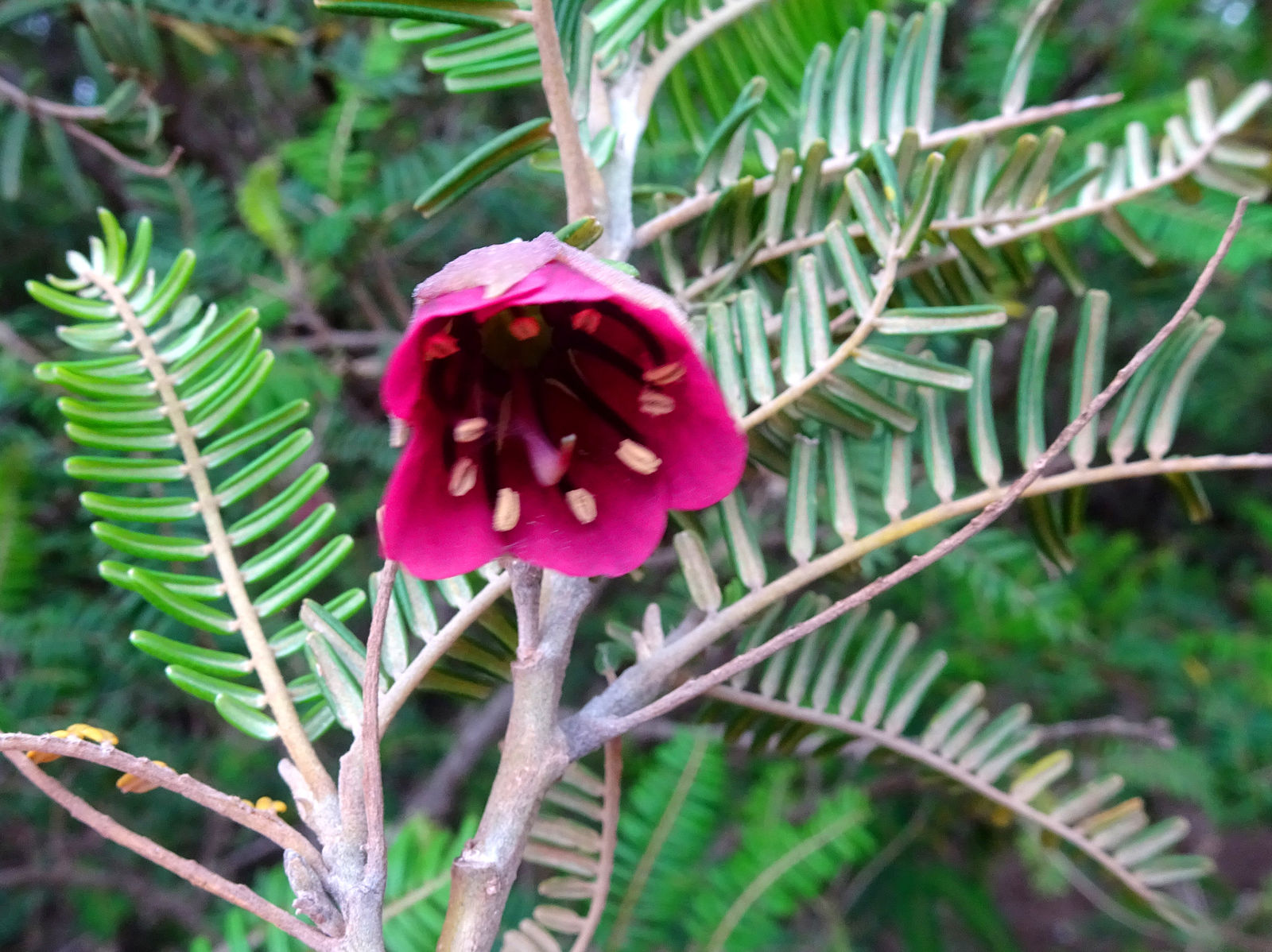
Cadia
genus of plants
Teyleria
Teyleria is a genus of flowering plants in the legume family, Fabaceae. It includes three species of twining herbs native to Indochina, southern China, Hainan, the Philippines, Java, and the Lesser Sunda Islands. Typical habitat is seasonally-dry tropical forest, often on hillsides. It belongs to subfamily Faboideae.

Dicorynia
thumb|left|Dicorynia guianensis wood
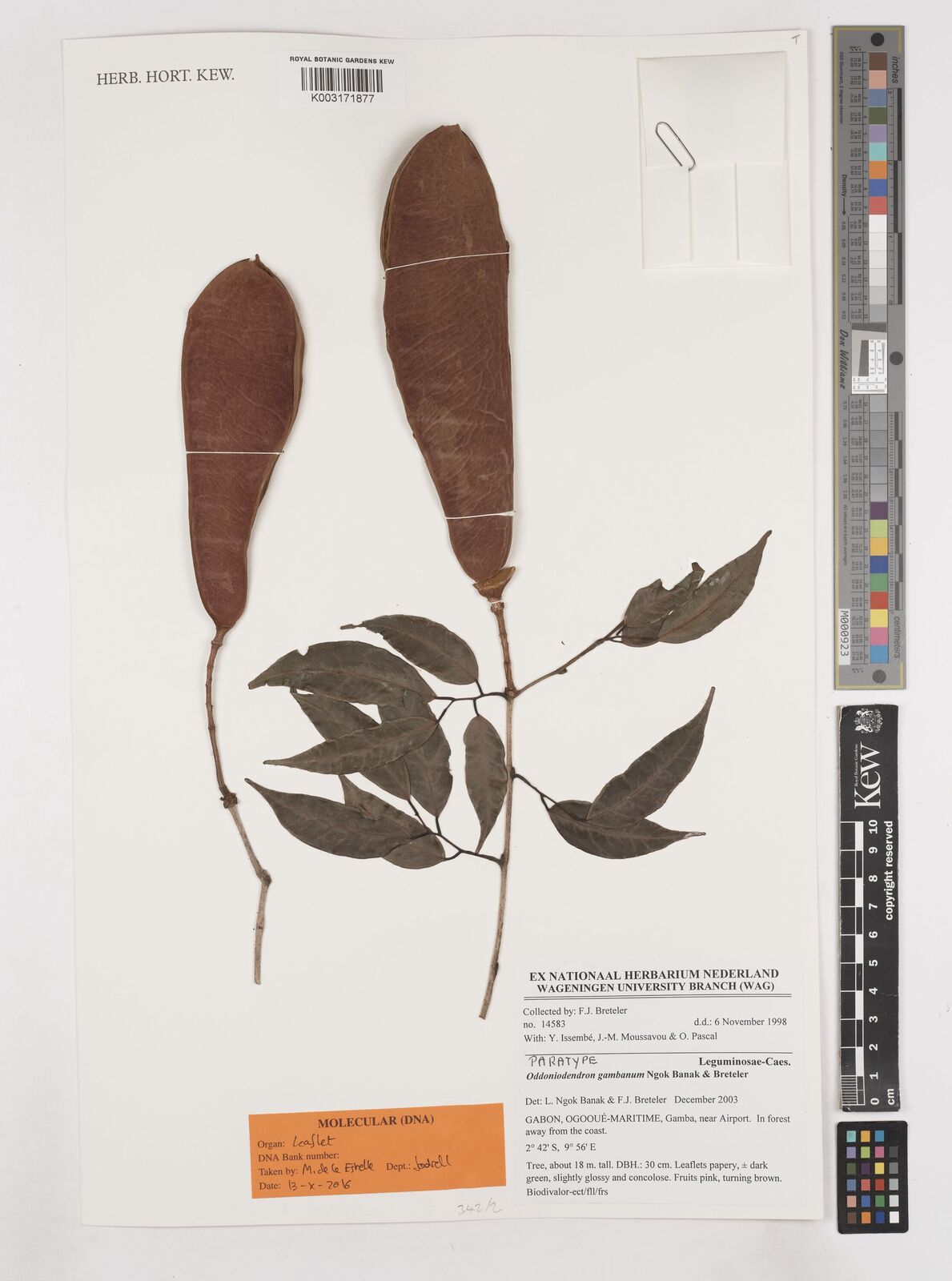
Oddoniodendron
Oddoniodendron is a genus of flowering plants in the family Fabaceae. It includes six species of trees native to west-central tropical Africa, including Cameroon, Gabon, Republic of the Congo, Cabinda, and Democratic Republic of the Congo. They grow in lowland tropical rain forest. It belongs to the subfamily Detarioideae.
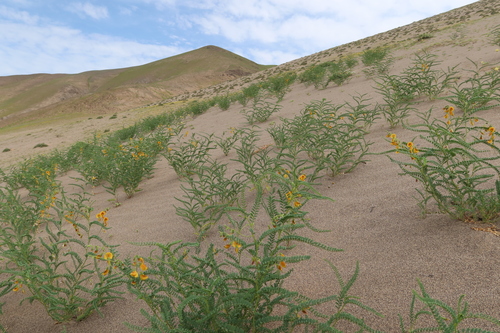
Weberbauerella
Weberbauerella is a South American genus of flowering plants in the legume family, Fabaceae. It includes three species of perennial herbs or subshrubs native to coastal Peru and northern Chile. They grow in seasonally-dry tropical coastal forest, on sand or sandy hills. It was recently assigned to the informal monophyletic Dalbergia clade of the Dalbergieae.

Phylacium
Phylacium is a genus of flowering plants in the legume family, Fabaceae. It includes two species of climbing herbs which range from southern China through Indochina, Malesia, and Papuasia to Queensland. Typical habitats include seasonally-dry tropical forest, thicket, wooded grassland, and scrub, often in disturbed areas. It belongs to subfamily Faboideae.
Phyllota
Phyllota is a genus of flowering plants in the legume family, Fabaceae. It includes 11 species of shrubs native to temperate southeastern and southwestern Australia, in the states of New South Wales, Queensland, South Australia, Victoria, and Western Australia. They inhabit open woodland and forest, mallee woodland, and heathland, from coastal to semi-arid and montane areas.
Schefflerodendron
Schefflerodendron is a genus of flowering plants in the family Fabaceae. It includes four species of trees native to tropical Africa, ranging from Cameroon to Tanzania and Angola. They grow in tropical rain forest and seasonally-dry forest, including disturbed areas. Three species are native to the Guineo-Congolian forests of west-central Africa, and one species (S. usambarense) also extends to the Zanzibar-Inhambane coastal forests of Tanzania.
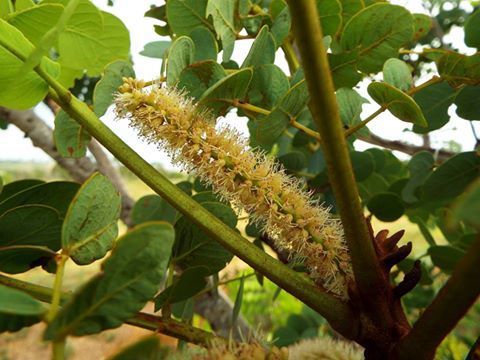
Stryphnodendron
Stryphnodendron is a genus of flowering plant in the legume family, Fabaceae. It includes 28 species of trees and suffrutices native to the tropical Americas, ranging from Nicaragua to Bolivia, Paraguay, and southern Brazil. Typical habitats include tropical rain forest and riparian forest, seasonally dry forest, cerrado (open woodland and savanna), and caatinga (thorn scrub). It belongs to the mimosoid clade of the subfamily Caesalpinioideae.

Poitea
Poitea is a genus of flowering plants in the family Fabaceae. It includes 15 species of trees and shrubs native to the Caribbean islands of Cuba, Hispaniola, Puerto Rico, the Virgin Islands, and Dominica. Typical habitats include seasonally-dry tropical lowland to montane forest, thicket, and thorn scrub, often in secondary vegetation and on steep slopes or roadsides. It belongs to the subfamily Faboideae.
Monopteryx
Monopteryx is a genus of flowering plants in the family Fabaceae. It includes three species of trees native to the Amazon rainforest of northern South America, ranging through parts of Colombia, Venezuela, northern Brazil, and French Guiana. They grow in non-inundated lowland tropical rain forest on sandy soil. The genus belongs to subfamily Faboideae. Members of this genus produce hydroxypipecolic acids in their leaves.
Scorodophloeus
Scorodophloeus is a genus of flowering plants in the family Fabaceae. It includes three species of trees native to tropical Africa, ranging from Cameroon to the Democratic Republic of the Congo, Kenya, and Mozambique. Habitats include tropical lowland rain forest and seasonally-dry forest, scrub forest, and wooded grassland, often along river banks. It belongs to the subfamily Detarioideae.
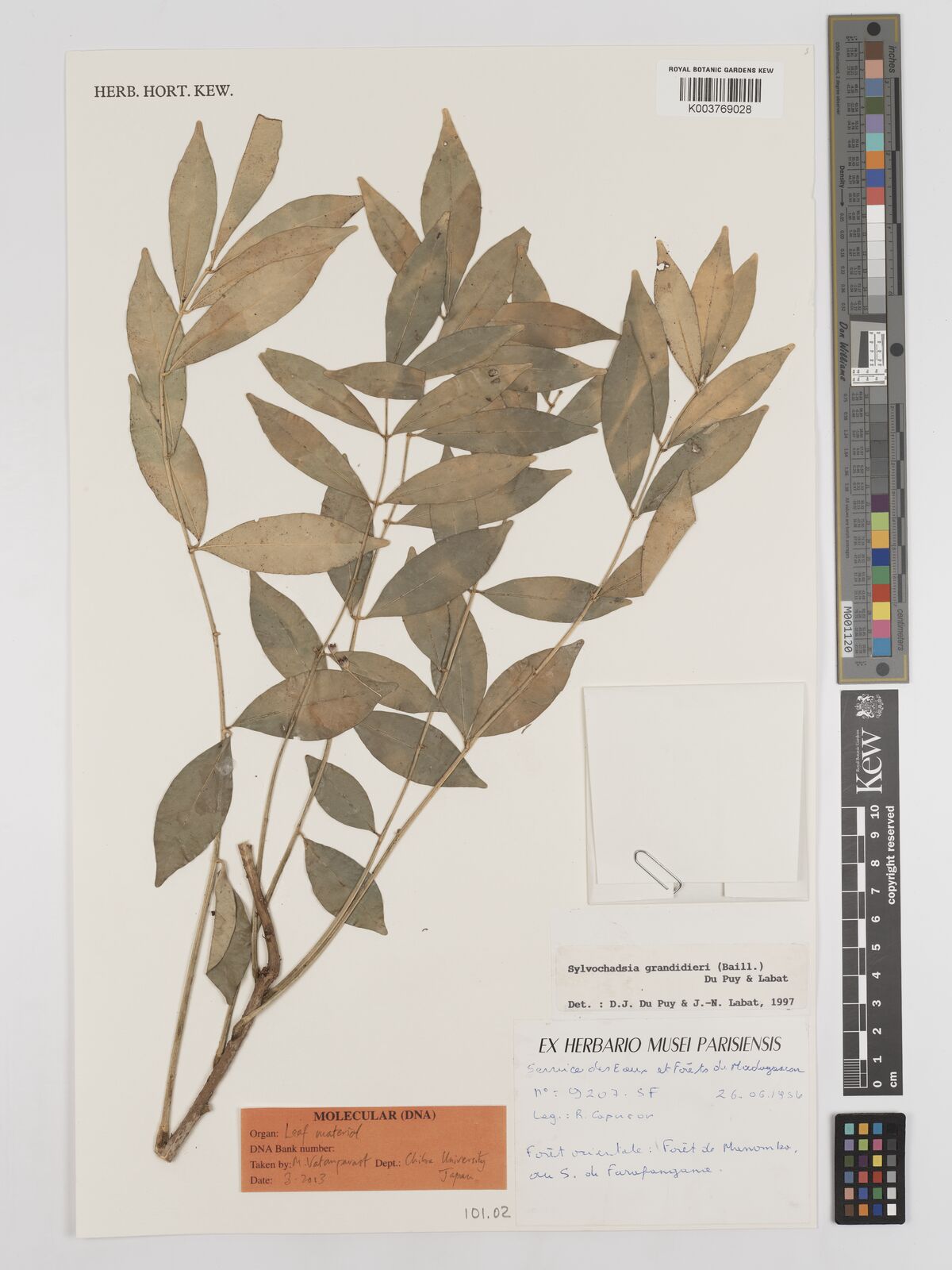
Sylvichadsia
Sylvichadsia is a genus of flowering plants in the family Fabaceae. It includes four species of trees, shrubs, or lianas endemic to Madagascar. They grow in humid tropical rain forest in eastern and northern Madagascar, often near rivers and streams. The genus belongs to subfamily Faboideae.

Bocoa
thumb|Bocoa prouacensis - MHNT

Decorsea
Decorsea is a genus of legume in the family Fabaceae. It comprises six species indigenous to East and Southern Africa, spanning from Tanzania to Namibia and South Africa, including Madagascar.
Cleobulia
Cleobulia is a genus of flowering plants in the family Fabaceae. It belongs to subfamily Faboideae. It includes four species of vines, lianas, or shrubs native to southwestern Mexico and Brazil. Habitats include Amazon rainforest, seasonally dry forest, and montane oak and pine forest.
Cleobulia coccinea – a climber native to eastern, southern, and west-central Brazil
Cleobulia crassistyla – a shrub native to southwestern Mexico (Guerrero)
Cleobulia diocleoides – a climber native to southeastern Brazil (Minas Gerais)
Cleobulia leiantha – a climber native to northern Brazil (Pará)
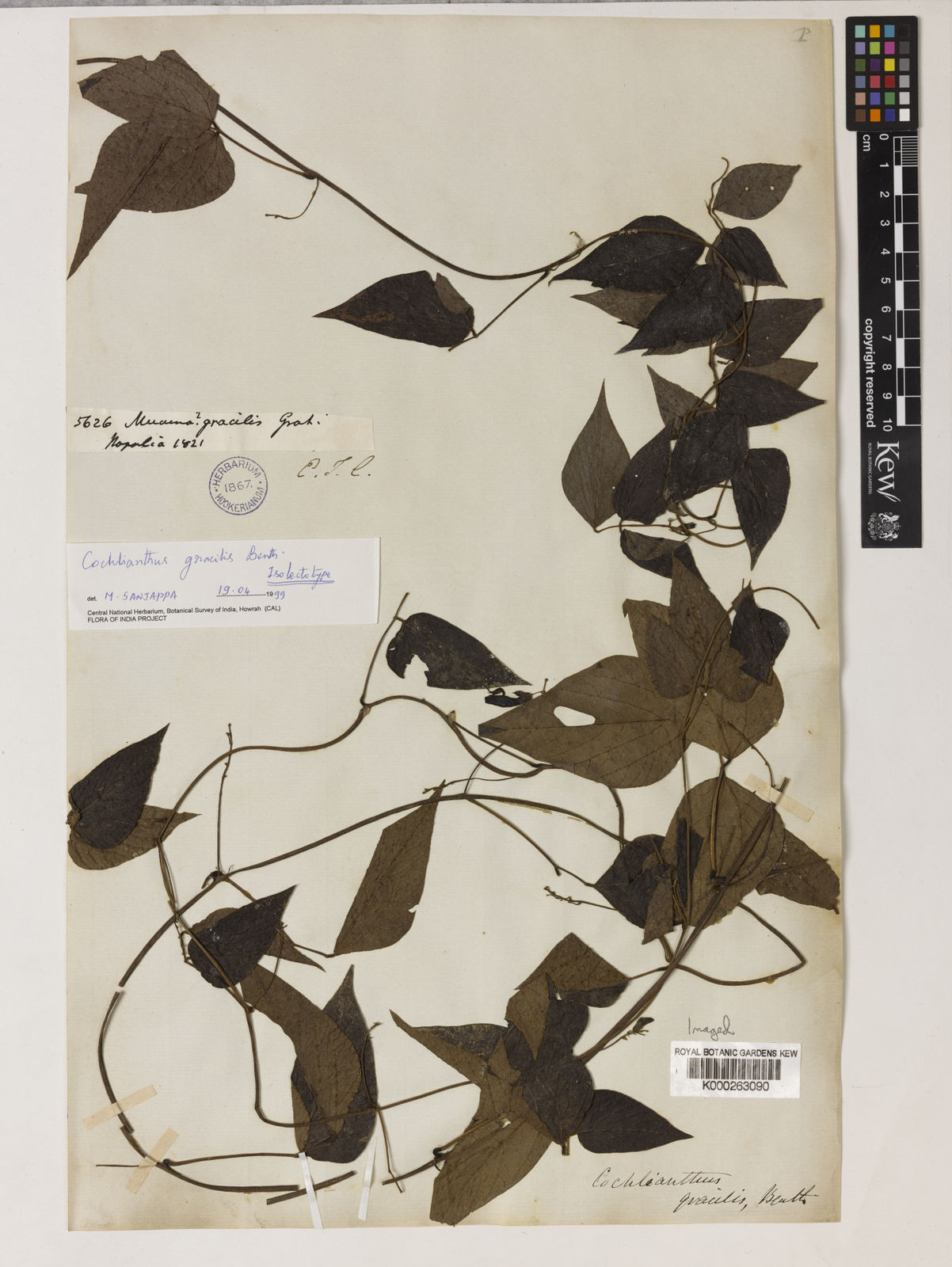
Cochlianthus
Cochlianthus is a genus of flowering plants in the family Fabaceae. It belongs to subfamily Faboideae.
It contains two species, native to the central and eastern Himalayas, Tibet, and south-central China.
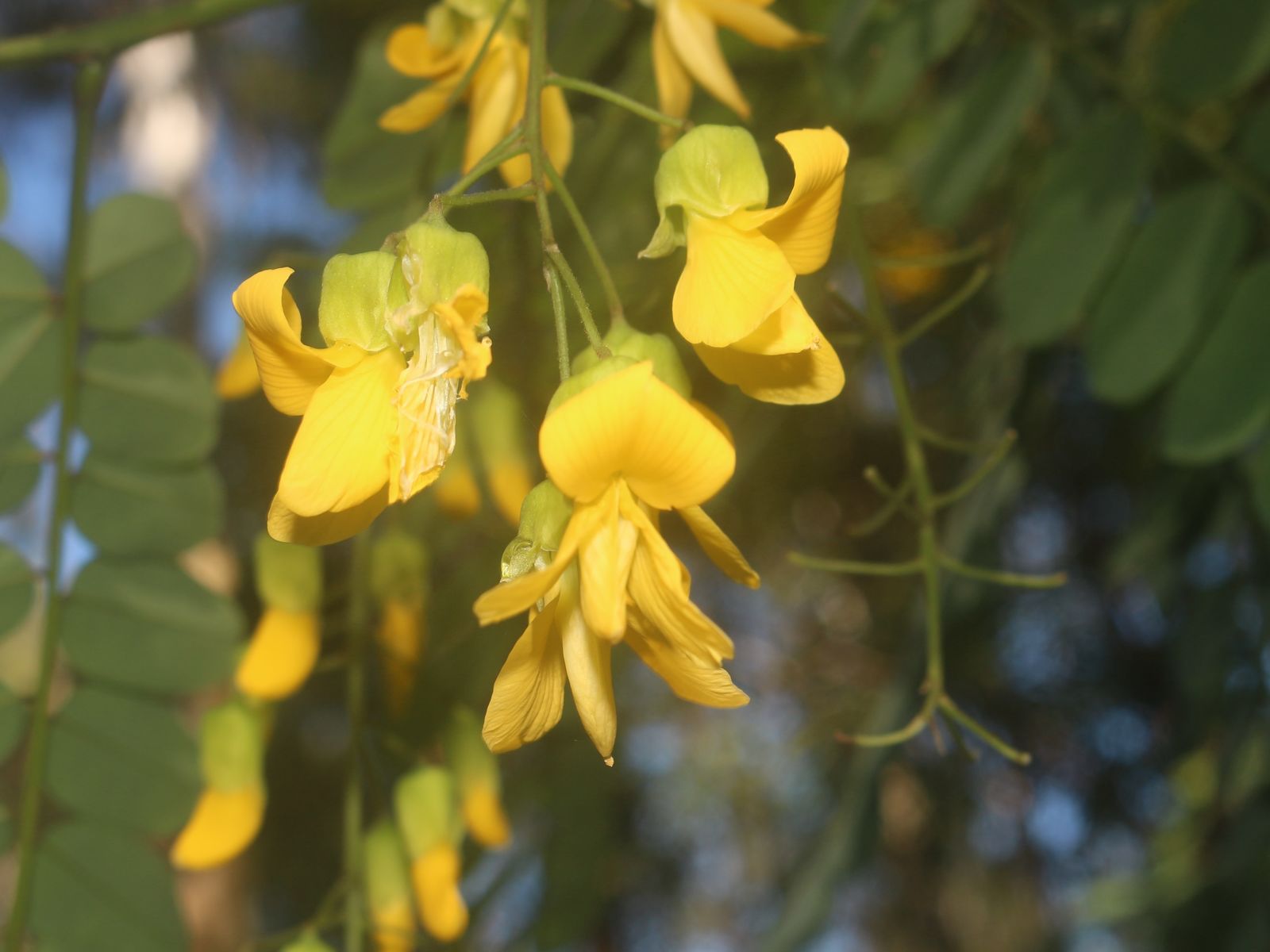
Calpurnia
genus of plants

Aphyllodium
Aphyllodium is a genus of flowering plants in the family Fabaceae. It belongs to the subfamily Faboideae. Members of the genus are found in various parts of Australia, South Asia, Southeastern Asia, and south China.
Ostryocarpus
Ostryocarpus is genus of flowering plants in the family Fabaceae. It belongs to the subfamily Faboideae. The name comes from ostryo- (Gk.: shell) and carpos (Gk.: fruit), referring to the shell-like pods.

Lysiphyllum
Lysiphyllum is a genus of flowering plants in the legume family, Fabaceae. It includes nine species of trees, semi-scandent shrubs, and lianas which range from India through Southeast Asia to Australasia. Typical habitats include seasonally-dry tropical forest and woodland, vine thickets, Brigalow and Gidgee scrubland, floodplains, alluvial flats, tidal forest, mangroves, river and stream banks, and occasionally dunes and coral islets. They can grow on diverse soils including calcareous, granitic, and basaltic.

Dysolobium
Dysolobium is a genus of flowering plants in the legume family, Fabaceae. It belongs to the subfamily Faboideae. It includes five species native to tropical Asia, ranging from the Himalayas through Indochina to southern China, Taiwan, the Philippines, Peninsular Malaysia, and Java. These plants are typically twining shrubs or woody vines, often found in wet tropical biomes, thriving in humid forests and along riverbanks.

Myrocarpus
Myrocarpus is a genus of flowering plants in the family Fabaceae. It includes five species of trees native to tropical South America, ranging from Venezuela to northern Argentina. Typical habitats include wet to seasonally-dry tropical lowland forest and woodland.
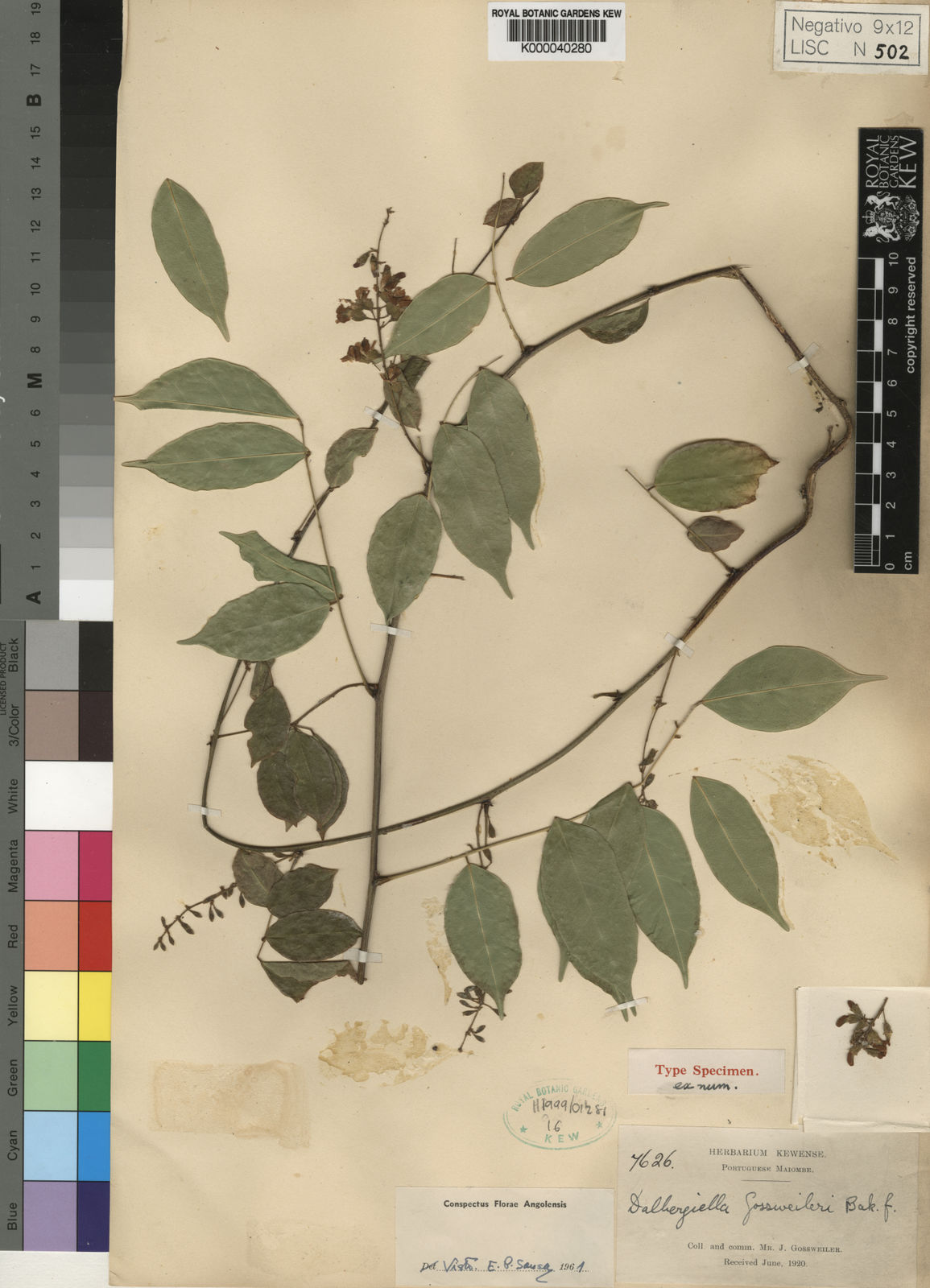
Dalbergiella
Dalbergiella is a genus of flowering plants in the family Fabaceae. It belongs to subfamily Faboideae. It includes three species native to sub-Saharan Africa, ranging from Guinea to Tanzania, Mozambique, and Angola.
Dalbergiella gossweileri
Dalbergiella nyasae
Dalbergiella welwitschii , also known as west African blackwood.
Chadsia
Chadsia is a genus of flowering plants in the family Fabaceae. It includes nine species native to Madagascar. It belongs to subfamily Faboideae.
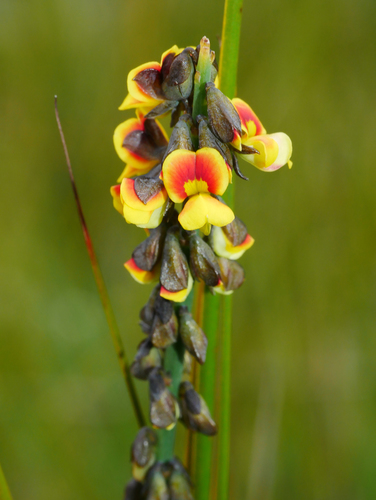
Sphaerolobium
Sphaerolobium is a genus of flowering plants in the family Fabaceae and is endemic to Australia, occurring in all states and territories except the Northern Territory. Species of Sphaerolobium are erect shrubs, usually with rush-like stems and yellow or red flowers similar to others in the family.

Browneopsis
Browneopsis is a genus of flowering plants in the family Fabaceae. There are about 8 species of trees native to South America, ranging from Panama through Colombia and Ecuador to Peru and northern Brazil. Species typically grow in lowland tropical rain forests, including inundated and terra firme forests, and in sub-montane forests in the foothills of the Andes.
Cytisopsis
Cytisopsis is a genus of flowering plants in the legume family, Fabaceae. It belongs to subfamily Faboideae. It contains two species, native to Morocco and the eastern Mediterranean.
Cytisopsis ahmedii – a shrub endemic to Morocco
Cytisopsis pseudocytisus – a subshrub native to the eastern Mediterranean, from southern and southeastern Turkey to Israel. It is an ingredient in the herbal tea, zahraa, in the Unani medicine tradition of Syria.

Polhillia
Polhillia is a genus of flowering plants in the family Fabaceae. It includes 11 species of shrubs and herbs native to the Cape Provinces of South Africa. They grow in Mediterranean-climate renosterveld (shrubland) and scrub-grassland, typically in heavy soils. The genus belongs to subfamily Faboideae.

Gigasiphon
Gigasiphon is a genus of plants in the family Fabaceae. The genus is circumscribed is defined by "a long-tubular hypanthium, an arborescent habit, and a calyx divided into two lobes". It includes five species native to eastern Africa, Madagascar, the Philippines, New Guinea, and Lesser Sunda Islands.[https://powo.science.kew.org/taxon/urn:lsid:ipni.org:names:22484-1 ].
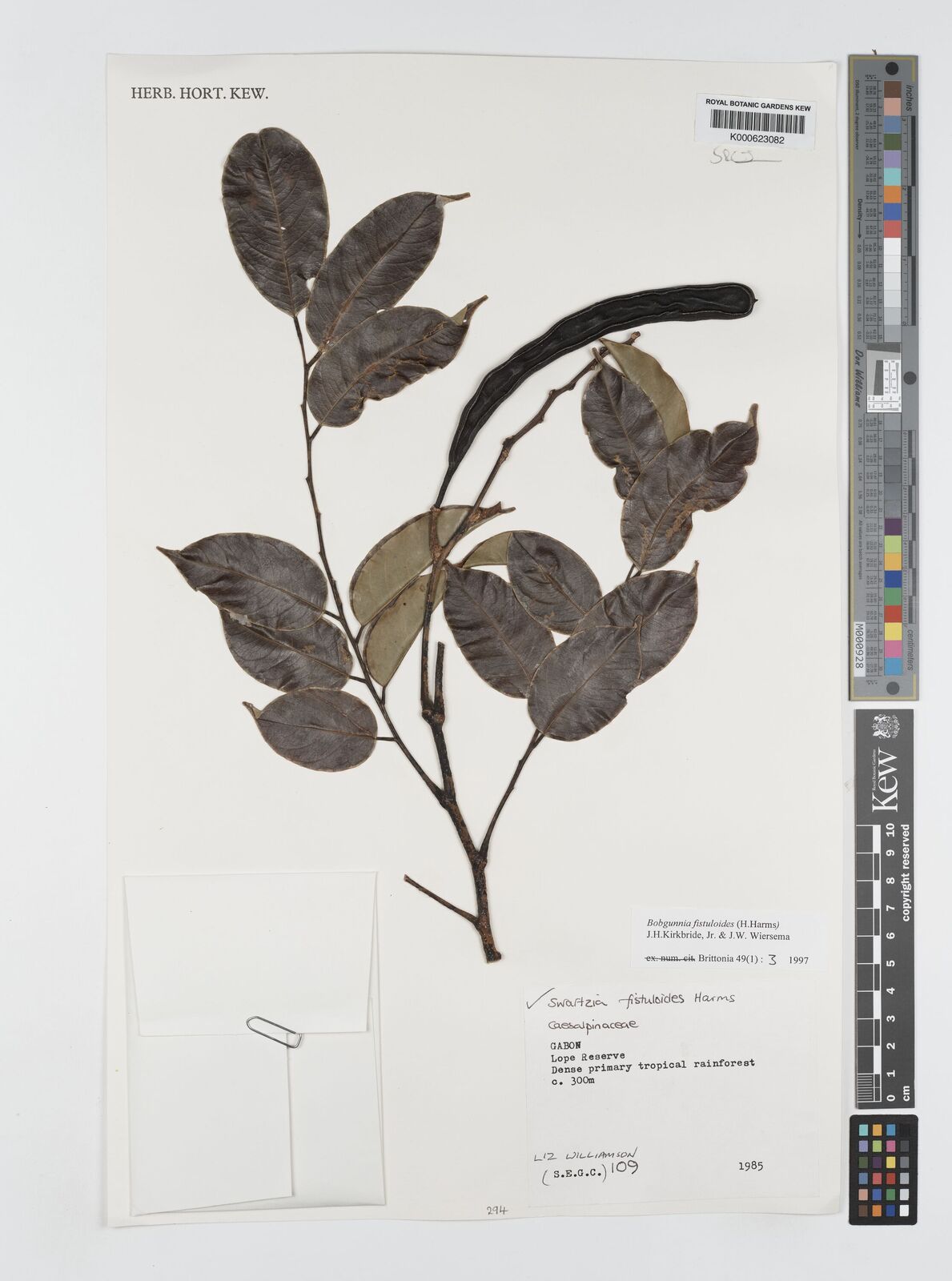
Bobgunnia
Bobgunnia is a genus of flowering plants in the legume family, Fabaceae. It belongs to the subfamily Faboideae. It includes two species native to sub-Saharan Africa. The genus is named for Charles R. Gunn who was the director of the U.S. National Seed Herbarium for many years before his retirement.
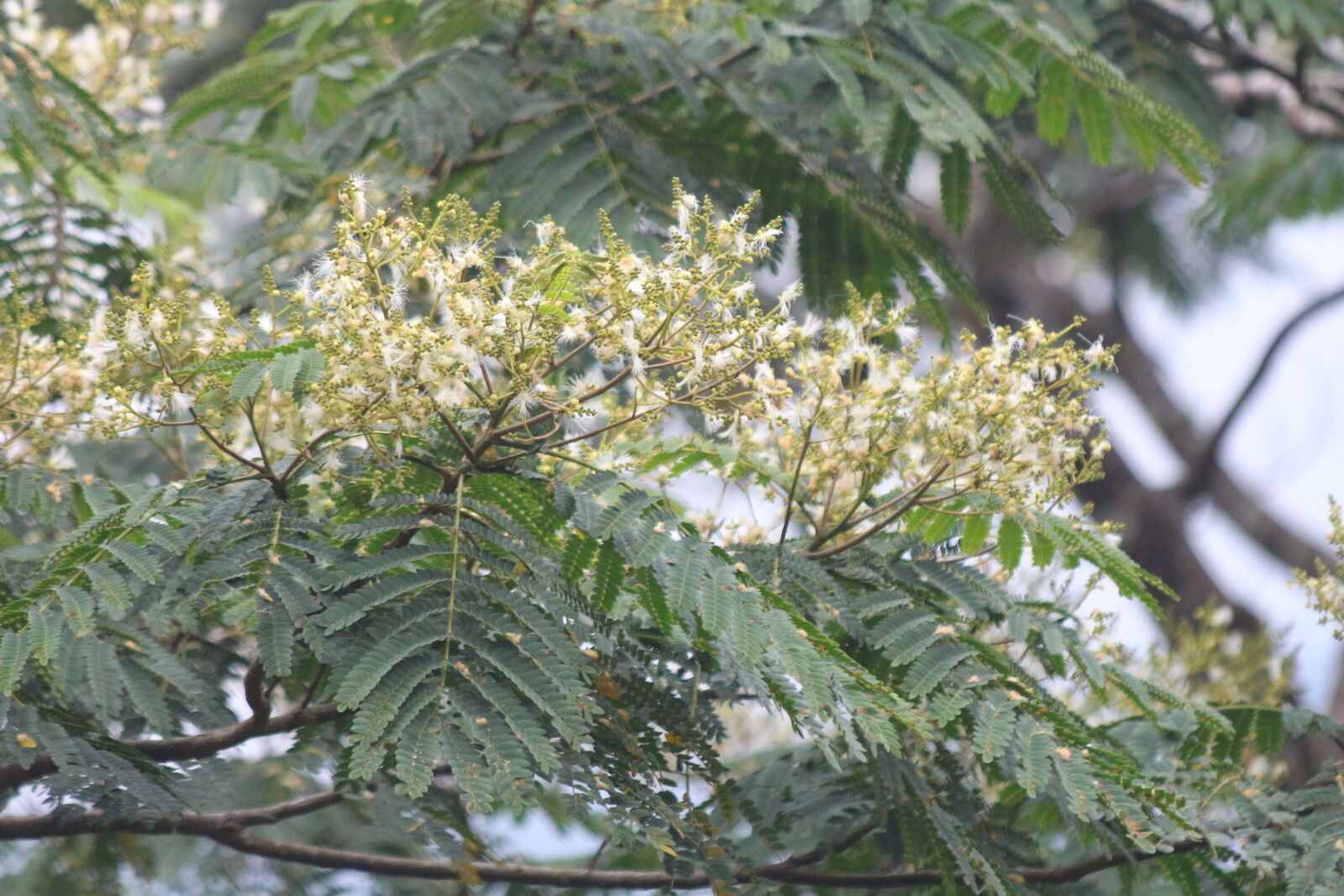
Falcataria
thumb|Japanese container made of Falcata
Falcataria is a genus of flowering plants in the family Fabaceae. It belongs to the monophyletic Mimosoid clade in the subfamily Caesalpinioideae. The genus has three species previously classified in the Falcataria section of the genus Paraserianthes by I.C. Neilsen. The distribution of these closely related species within the genus Falcataria links the wet tropics of north-east Australia to New Guinea, the Moluccas, Bismarck Archipelago, and the Solomon Islands east of Wallace's line similar to other plant taxa from the region.
Smithia
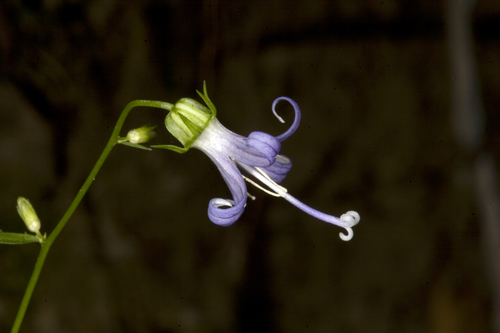
Smithia is a genus of flowering plants in the legume family, Fabaceae. It includes 20 species of herbs or subshrubs native to sub-Saharan Africa, the Indian subcontinent, Indochina, southern China, Japan, Malesia, and northern Australia. The greatest diversity of species is in the Indian subcontinent, with 11 endemic species. Six more are widespread in southern and eastern Asia, and two of these, S. conferta and S. sensitiva, range further to northern Australia. Two species are endemic to sub-Saharan Africa. S. elliotii is native to Madagascar as well as mainland Africa, and S. conferta is als
Humularia
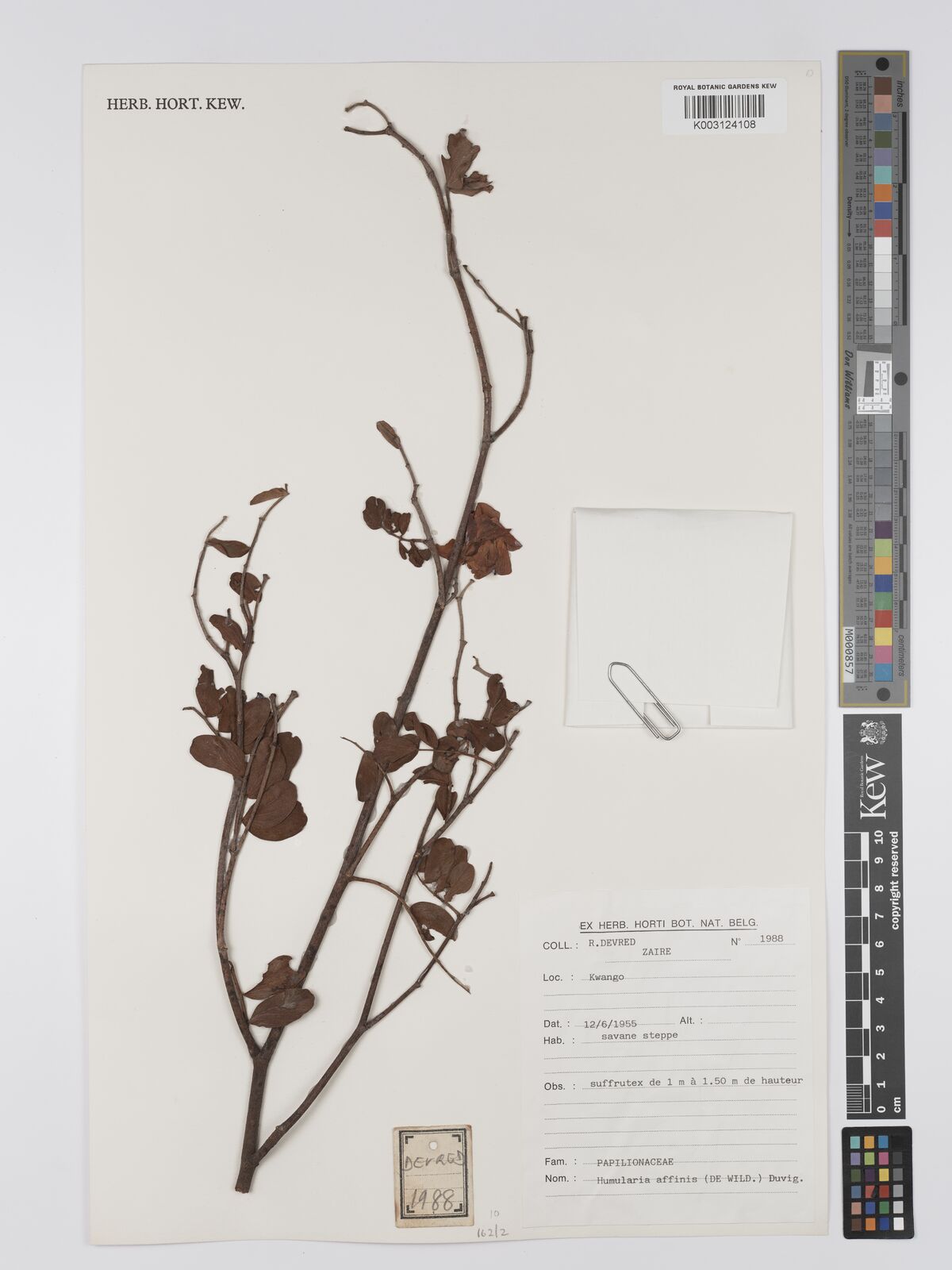
Humularia is a genus of flowering plants in the legume family, Fabaceae. It includes 34 species native to sub-Saharan Africa, ranging from South Sudan to Cameroon, Angola, Malawi, and Tanzania. Species include herbs with woody bases and occasionally small shrubs. Typical habitats include seasonally-dry tropical woodland, wooded grassland, scrub, and grassland, often along stream banks, swamp margins, floodplains, and sandy areas, and sometimes in montane areas. The genus belongs to the subfamily Faboideae, and was recently assigned to the informal monophyletic Dalbergia clade of the Dalbergiea
Nissolia
Nissolia, the yellowhoods, is a genus of lianas in the legume family, Fabaceae. It includes 32 species native to the tropical and subtropical Americas, ranging from Arizona and Texas through Mexico, Central America, and South America to northern Argentina. It belongs to the subfamily Faboideae, and was recently assigned to the informal monophyletic Adesmia clade of the Dalbergieae.

Droogmansia
Droogmansia is a genus of flowering plants in the legume family, Fabaceae. It belongs to the subfamily Faboideae. It includes 22 species which are native to tropical Africa, ranging from Guinea to Tanzania, Mozambique, Zimbabwe, and Angola.
Leptosema
Leptosema is a genus of thirteen species of flowering plants from the legume family Fabaceae, all endemic to Australia. They are shrubs with photosynthetic stems, the leaves reduced to scales, mostly red or green flowers arranged singly or in small groups, each with a reduced standard petal and usually ten stamens.
Martiodendron
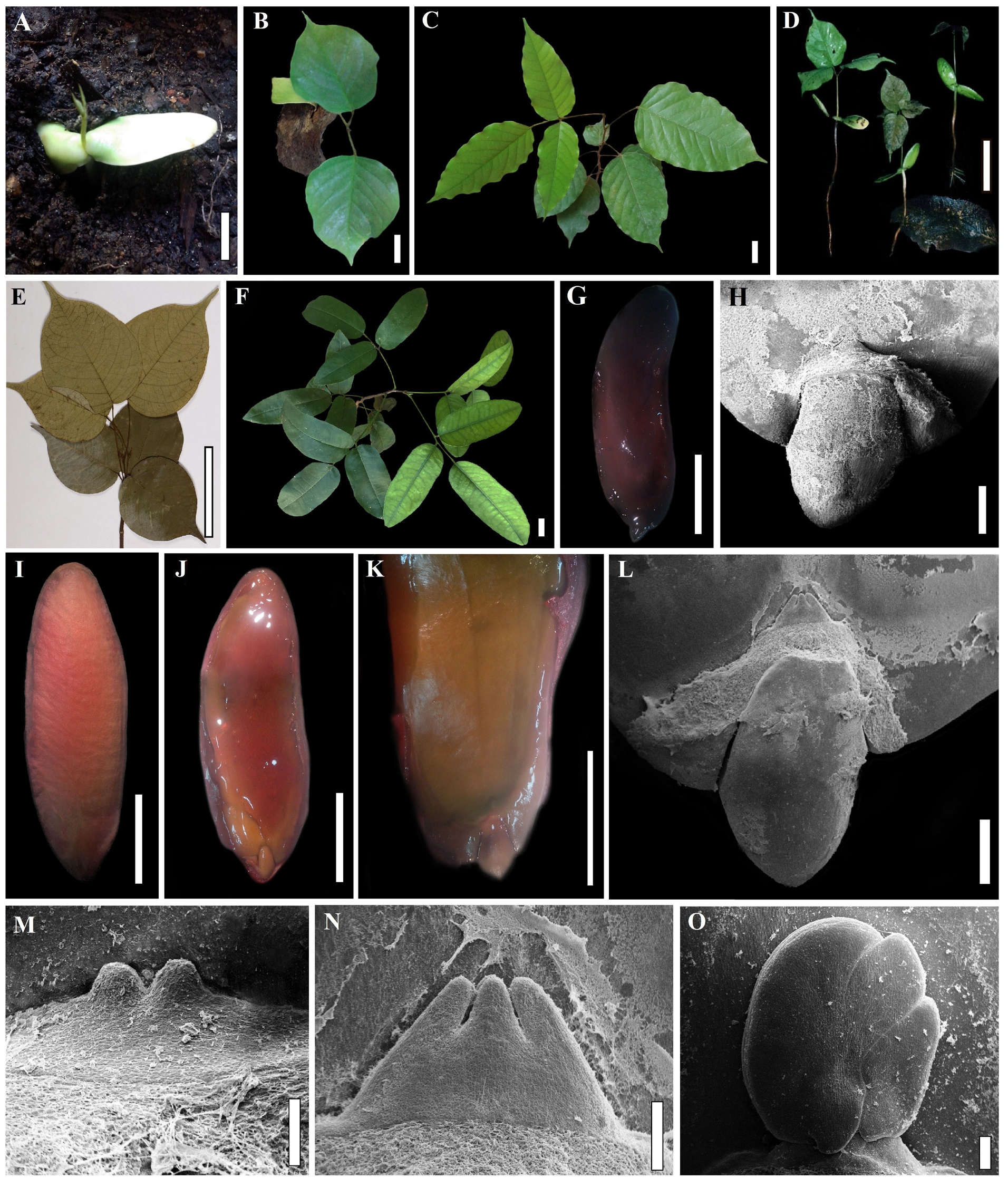
Martiodendron is a genus of flowering plants in the family Fabaceae. It includes five species of trees native to northern South America, from southern Venezuela, the Guianas, and Peru to Bolivia and southeastern Brazil. Typical habitats include tropical rain forest, often periodically inundated, in both the Amazon and Atlantic forests, as well as seasonally-dry forest and wooded grassland (savanna), up to 600 meters elevation. The genus belongs to the subfamily Dialioideae.
Dunbaria
Dunbaria is a genus of flowering plants in the family Fabaceae. It belongs to the subfamily Faboideae. It includes 19 species which range from India to Indochina, China, Korea, Japan, Malesia, New Guinea, and northern Australia.
Dumasia
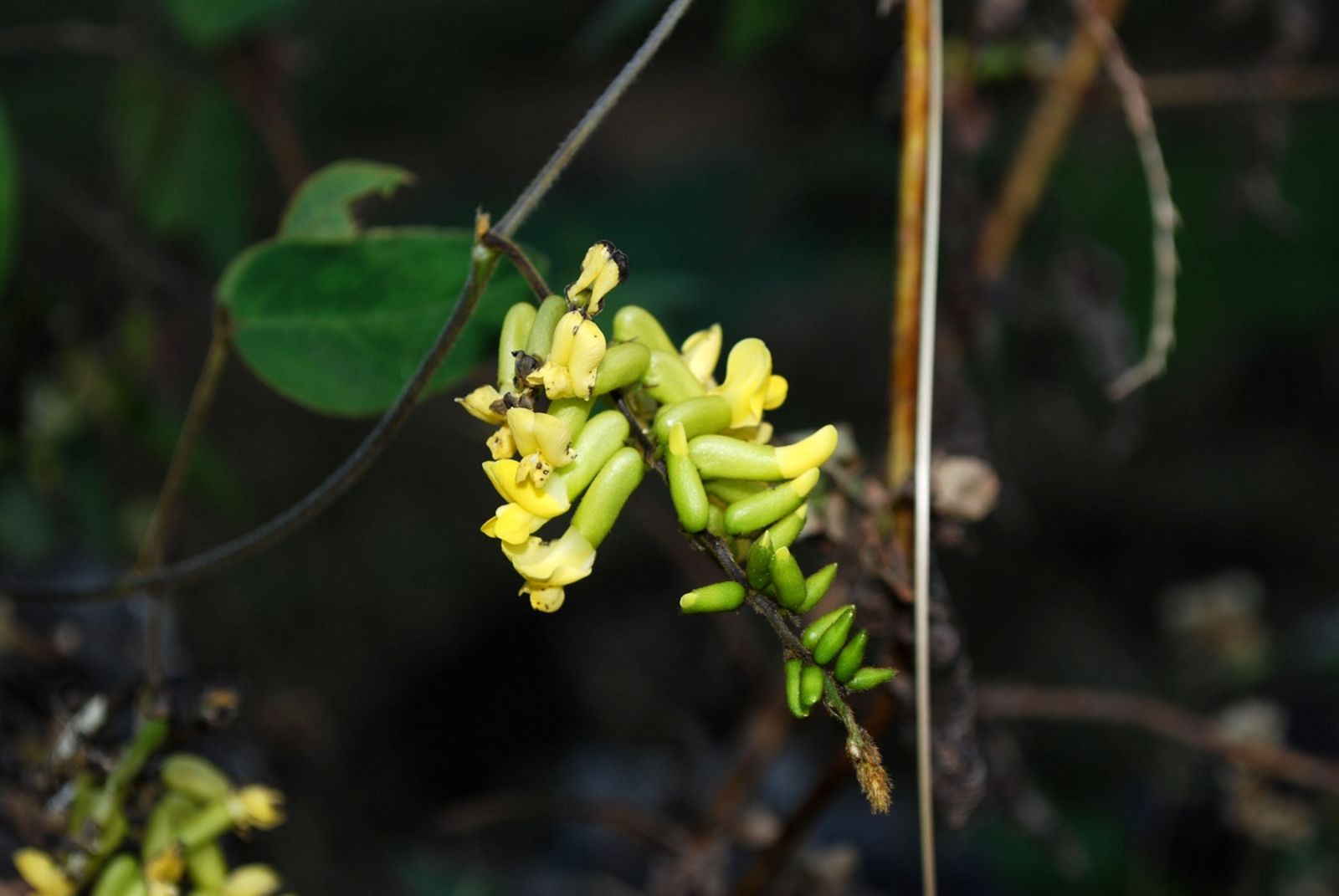
Dumasia is a genus of flowering plants in the legume family, Fabaceae. It belongs to the subfamily Faboideae. It includes ten species which range from sub-Saharan Africa to the Indian subcontinent, Indochina, China, Korea, Japan, Malesia, and New Guinea.
Dumasia cordifolia
Dumasia forrestii
Dumasia henryi
Dumasia hirsuta
Dumasia kurziana
Dumasia prazeri
Dumasia truncata
Dumasia villosa
Dumasia yunnanensis
Dumasia zhangjiajieensis

Hammatolobium
Hammatolobium is a genus of flowering plants in the legume family Fabaceae. It belongs to the subfamily Faboideae. It includes two species of herbaceous perennials native to the Mediterranean Basin.
Hammatolobium kremerianum – Morocco and Algeria
Hammatolobium lotoides – southern Greece, Turkey, Syria, and Lebanon
Collaea
Collaea is a genus of flowering plants in the legume family, Fabaceae. It belongs to subfamily Faboideae and tribe Diocleae. It includes five species native to the southern tropical South America, ranging from Peru to northeastern Brazil and northeastern Argentina.
Collaea aschersoniana – scrambling subshrub or shrub native to southern Brazil
Collaea cipoensis – a shrub native to southeastern Brazil
Collaea insignis – a shrub native to west-central Brazil (northeastern Goiás and Brasília)
Collaea speciosa – a shrub native to Peru, Bolivia, Paraguay, eastern and southern Brazil, and northeaster

Shuteria
Shuteria is a genus of flowering plants in the family Fabaceae. It includes four species of climbing herbs or lianas which range from the Indian subcontinent through Indochina, southern China, and Malesia to Papuasia. They grow in seasonally-dry tropical and subtropical forest margins, secondary forest, woodland, or scrub, often in open areas and on limestone. It belongs to the subfamily Faboideae. Some species of Shuteria are used in traditional medicines.
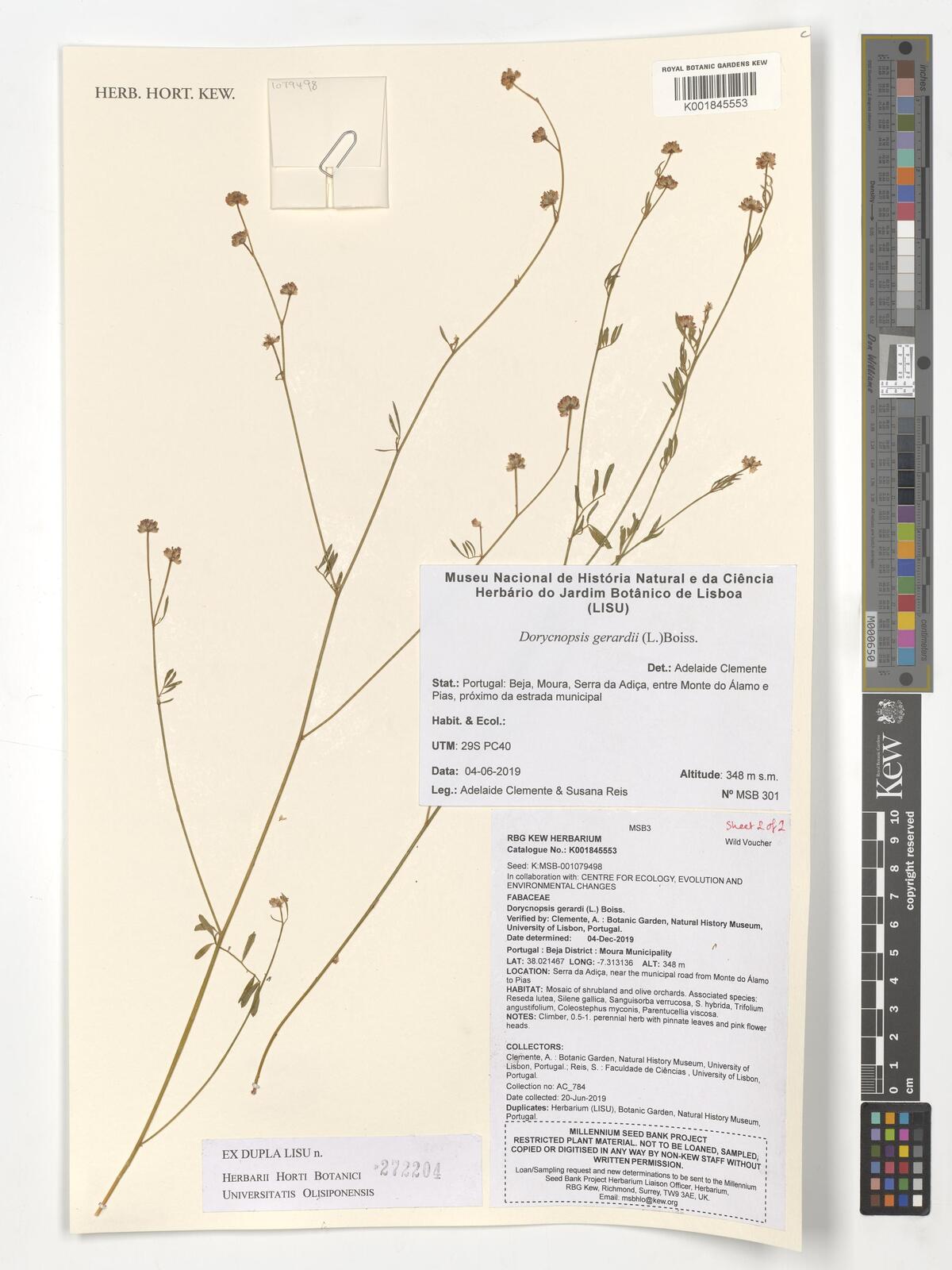
Dorycnopsis
Dorycnopsis is a genus of flowering plants in the legume family Fabaceae. It belongs to the subfamily Faboideae. It includes two species of subshrubs, one native to southwestern Europe and Morocco, and the other native to the Horn of Africa and Yemen.
Dorycnopsis abyssinica – northeastern tropical Africa (Eritrea, Ethiopia, Somalia, and Sudan) and Yemen
Dorycnopsis gerardi – southwestern Europe (Italy, Sardinia, France, Corsica, Spain, and Portugal) and Morocco

Eleiotis
Eleiotis is a genus of flowering plants in the legume family, Fabaceae. It belongs to subfamily Faboideae. It includes two species of annuals or perennials native to India, Sri Lanka and Myanmar.
Eleiotis rottleri
Eleiotis sororia
Hydrochorea
Hydrochorea is a genus of flowering plants in the family Fabaceae. It includes 11 species native to Central and South America and west and west-central Africa. It belongs to the mimosoid clade of the subfamily Caesalpinioideae.
Hydrochorea acreana
Hydrochorea corymbosa (Rich.) Barneby & J.W.Grimes
Hydrochorea elegans
Hydrochorea gonggrijpii (Kleinhoonte) Barneby & J.W.Grimes
Hydrochorea leucocalyx
Hydrochorea marginata (Benth.) Barneby & J.W.Grimes
Hydrochorea marginata
Hydrochorea obliquifoliolata
Hydrochorea panurensis
Hydrochorea pedicellaris
Hydrochorea rhombifolia
Hydr
Anthonotha
Anthonotha is a genus within the subfamily Detarioideae of the plant family Fabaceae.

Ormocarpum
Ormocarpum is a genus of flowering plants in the legume family, Fabaceae. It includes 17 species native to tropical and southern Africa and parts of India, Indochina, Malesia, Papuasia, and the South Pacific. The genus was recently assigned to the informal monophyletic Dalbergia clade of the Dalbergieae.
Melolobium
Melolobium is a genus of flowering plants belonging to the legume family, Fabaceae. It includes 14 species of small shrubs or perennial herbs native to southern Africa, which are found in southern and eastern Namibia, southwestern Botswana, and most of South Africa.
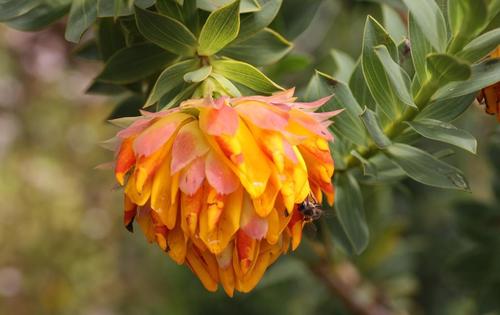
Liparia
genus of plants
Baudouinia
Baudouinia is a genus of flowering plants in the legume family, Fabaceae. It includes six species which are all endemic to Madagascar. It belongs to the subfamily Dialioideae.
Pterolobium
The genus, Pterolobium (from Gr. πτερόν pterón, meaning "wing", and λόβιον lóbion, meaning "pod" or "capsule", alluding to the winged fruit), consists of 10 species of perennial flowering plants in the family Fabaceae, subfamily Caesalpinioideae and tribe Caesalpinieae. They are sometimes called redwings and are native to the tropical to subtropical climes of Africa and Asia, including Indonesia and the Philippines. They are large scrambling or climbing shrubs that grow in riverside thickets, on rocky slopes or at forest margins. They bear colourful samara fruit, and have pairs of thorns below

Zollernia
Zollernia is a genus of flowering plants in the legume family, Fabaceae. It includes 10 species native to South America, ranging from Venezuela and the Guianas to southern Brazil. Zollernia are trees or shrubs that flower annually. Species are most commonly found in dense moist forests, but also grow in seasonally-dry cerrado (savanna and open woodland) and caatinga (deciduous thorn woodland and scrub).
Ptycholobium
Ptycholobium is a genus of flowering plants in the family Fabaceae. It includes three species of shrubs and herbs native to sub-Saharan Africa and the southern Arabian Peninsula. Typical habitats include tropical seasonally-dry woodland, wooded grassland, and shrubland, usually in sandy soil. The genus belongs to the subfamily Faboideae. It may be synonymous with Tephrosia.
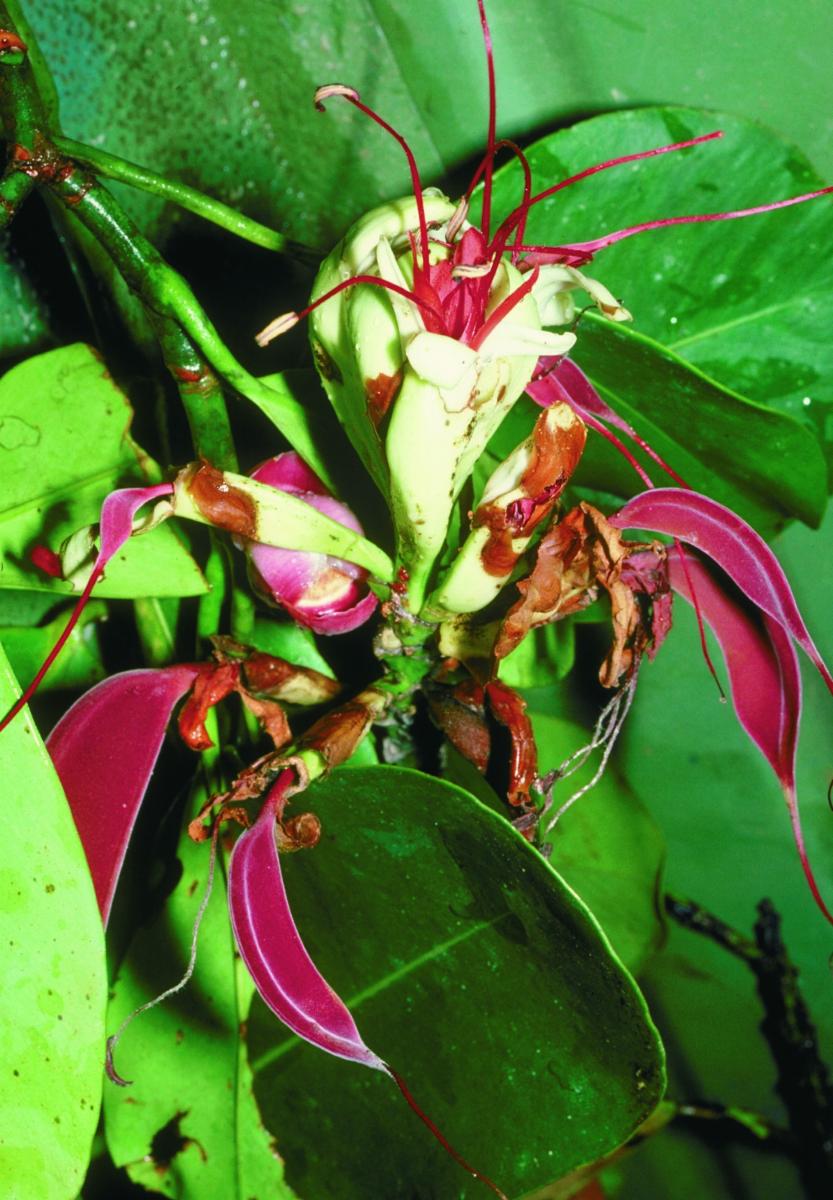
Paloue
Paloue is a genus of flowering plants in the family Fabaceae. It belongs to the subfamily Detarioideae. The genera was first created with the description of Paloue guianensis by Aublet in 1775.