Category
page 5Fabaceae genera

Parapiptadenia
Parapiptadenia is a genus of flowering plants in the family Fabaceae. It includes six species of trees and shrubs native to eastern and southern Brazil, Bolivia, Paraguay, Uruguay, and northern Argentina. Typical habitats include tropical coastal and dune forest (restinga), woodland, scrub, and secondary growth forest. It belongs to the mimosoid clade of the subfamily Caesalpinioideae.
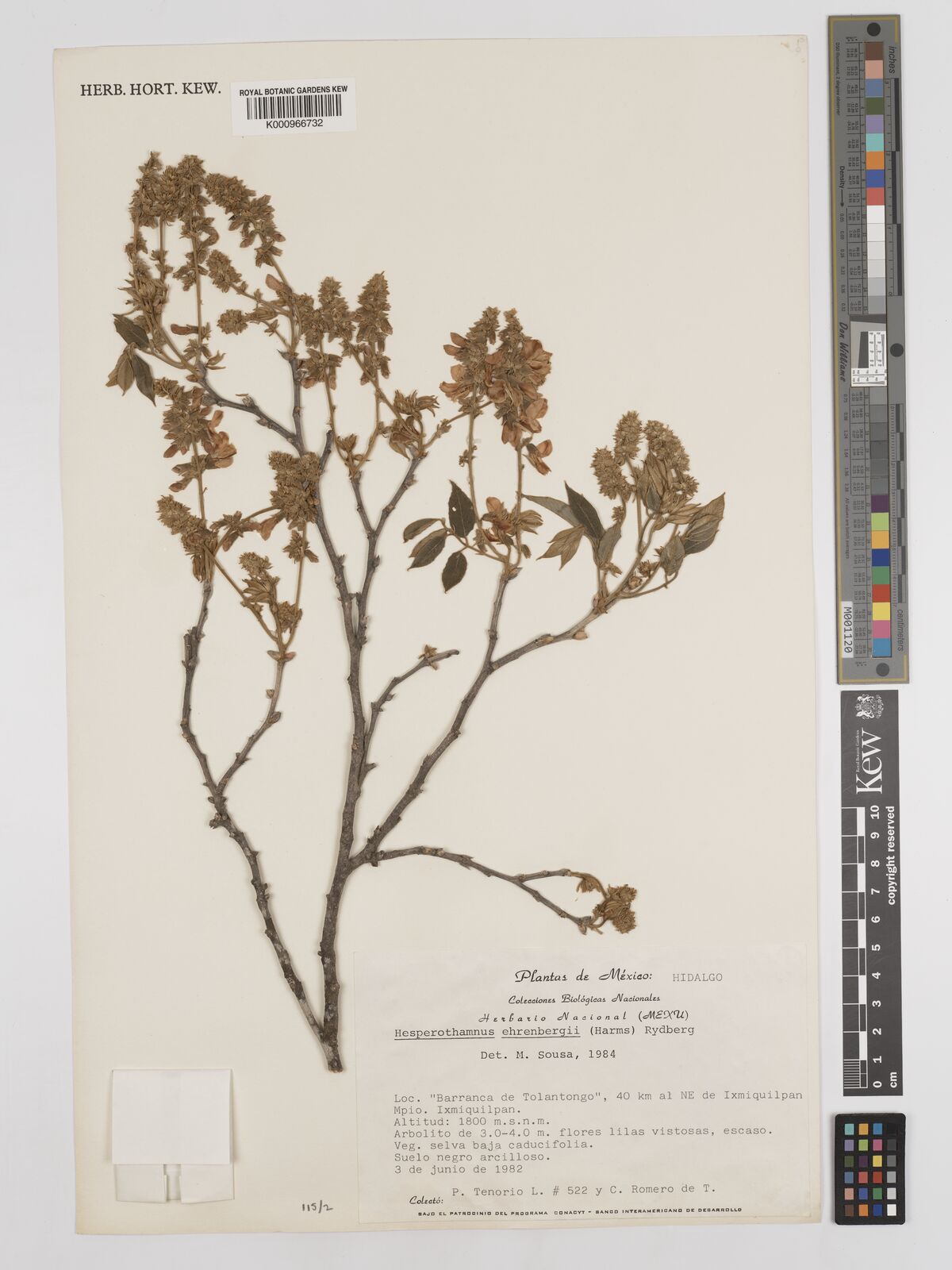
Hesperothamnus
Hesperothamnus is a genus of flowering plants belonging to the family Fabaceae. It includes five species native to Mexico.
Hesperothamnus brachycalyx
Hesperothamnus ehrenbergii
Hesperothamnus littoralis
Hesperothamnus pentaphyllus
Hesperothamnus purpusii
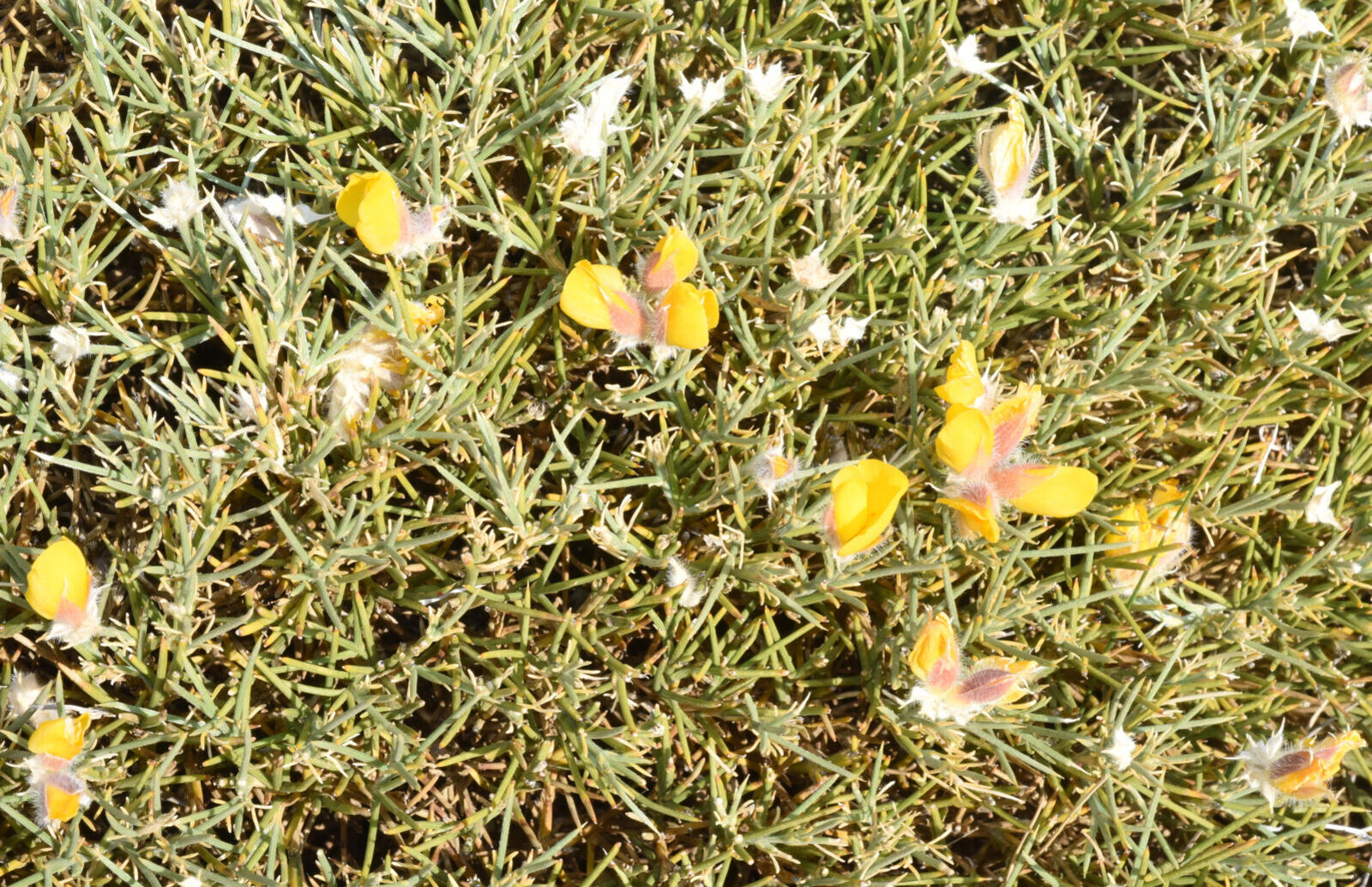
Echinospartum
Echinospartum is a genus of flowering plants in the family Fabaceae. It contains five species of shrubs and subshrubs native to France, Spain, and Portugal. Plants typically grow on open and exposed mountain slopes and in rocky areas.

Airyantha
Airyantha is a small genus of flowering plants in the legume family, Fabaceae. It belongs to the subfamily Faboideae. It was named after the botanist Herbert Kenneth Airy Shaw. It was traditionally assigned to the tribe Sophoreae; however, recent molecular phylogenetic analyses reassigned Airyantha into the Baphieae tribe.
Pentaclethra
Pentaclethra is a small genus of trees from the tropics. They are flowering plants in the family Fabaceae. They belong to the mimosoid clade of the subfamily Caesalpinioideae.
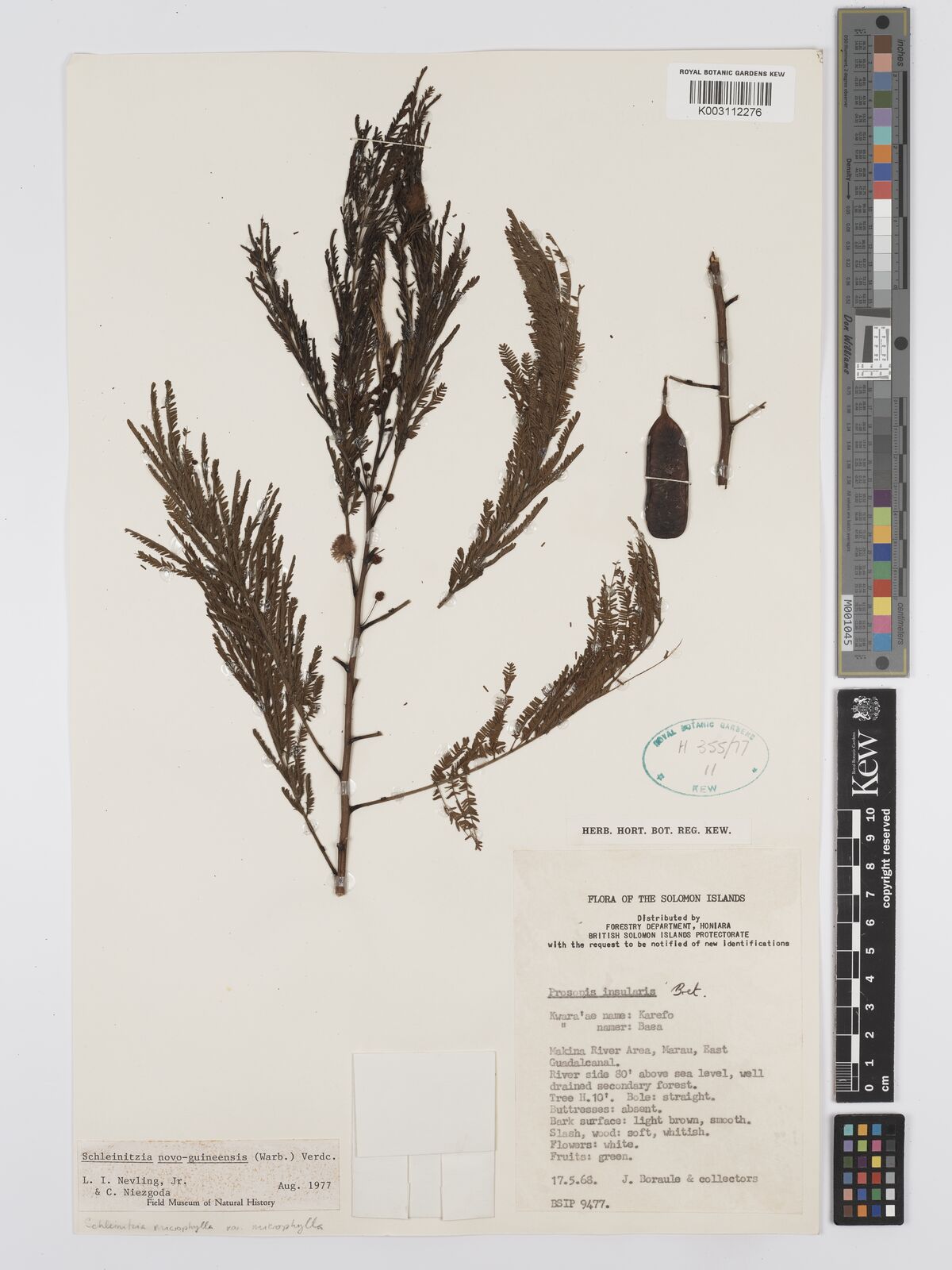
Schleinitzia
Schleinitzia is a genus of flowering plants in the family Fabaceae. It includes four species of trees and shrubs native to the Philippines, New Guinea, and the South Pacific. Typical habitats include tropical secondary rain forest, woodland, wooded grassland, coastal plain, and beaches. It belongs to the mimosoid clade of the subfamily Caesalpinioideae.

Rafnia
Rafnia is a genus of flowering plants in the family Fabaceae. It includes 29 species of shrubs and subshrubs native to South Africa. They grow in Mediterranean-climate fynbos (shrubland) and grassland, mostly on rocky and sandy soils. Most are native to the Cape Provinces, with some extending eastwards into KwaZulu-Natal. It belongs to subfamily Faboideae.

Pterodon
genus of plants

Petalostylis
Petalostylis is a genus of flowering plants in the legume family Fabaceae. It is endemic to Australia, and includes two species of shrubs native to arid tropical areas of Queensland, New South Wales, South Australia, the Northern Territory, and Western Australia, where it grows on sand plains, stony ridges and rocky outcrops, creek beds, and scree slopes. It belongs to the subfamily Dialioideae.

Eperua
Eperua is a genus of flowering plants in the legume family, Fabaceae. It belongs to subfamily Detarioideae. It includes 16 species native to northern South America, in Colombia, Venezuela, the Guianas, and northern Brazil. They live in the jungles, often along rivers or streams. The leaves are compound pinnate, with smooth margins, and the fruits are long pods. The wood of E. falcata is called wallaba and is often used in construction.
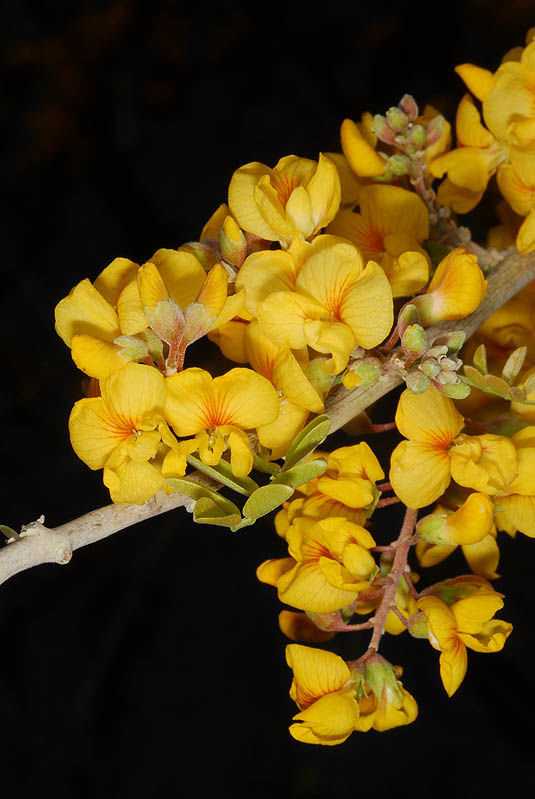
Geoffroea
Geoffroea is a rather small genus of wild spiny shrubs or small trees of tropical and subtropical South America. Although it gathers few species, they are highly extended geographically throughout the subcontinent. Each species is well known in its local area, as seen from the varied (and mostly domestic) usage of these trees as food, timber, or fuel. It was recently assigned to the informal monophyletic Pterocarpus clade within the Dalbergieae.
Aldina
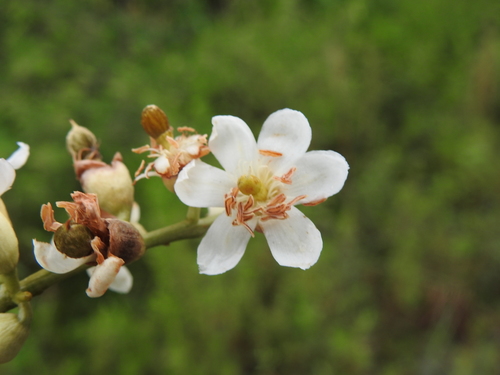
Aldina is a genus of trees in the Fabaceae native to the Guiana Shield and northern Amazonia. It is found in lowland humid forests. It is included in the Andira clade.

Psorothamnus
Psorothamnus is a genus of plants in the legume family. These are shrubs and small trees. Many are known by the general common name indigo bush. Some are referred to as daleas, as this genus was once included in genus Dalea. These are generally thorny, thickly branched, strongly scented bushes. Most species bear lupinlike raceme inflorescences of bright purple legume flowers and gland-rich pods. Psorothamnus species are native to the southwestern United States and northern Mexico.
Fordia
Fordia is a genus of flowering plants in the family Fabaceae, native from south China and Thailand to west and central Malesia. The genus was established by William Hemsley in 1886.

Paracalyx
Paracalyx is a genus of flowering plants in the legume family, Fabaceae. It includes five species of herbs native to northeastern Africa (Ethiopia and Somalia) and Socotra, and the Indian subcontinent and Indochina. Typical habitats are seasonally-dry tropical forest, woodland, thicket, bushland and scrub, often along watercourses and in rocky areas.

Cryptosepalum
Cryptosepalum is a genus of flowering plants in the family Fabaceae. There are 12 species, mostly trees. They are native to sub-Saharan Africa, ranging from Guinea to Tanzania, Mozambique, and Angola.

Kotschya
Kotschya is a genus of legumes in the family Fabaceae. It includes 30 species native to sub-Saharan Africa. The genus was recently assigned to the informal monophyletic Dalbergia clade of the Dalbergieae. It contains the following species:

Orbexilum
Orbexilum, commonly called leather-root, is a genus of flowering plants in the legume family (Fabaceae). They are native to North America, where they are found in the United States and Mexico, south to Chiapas.
Zapoteca
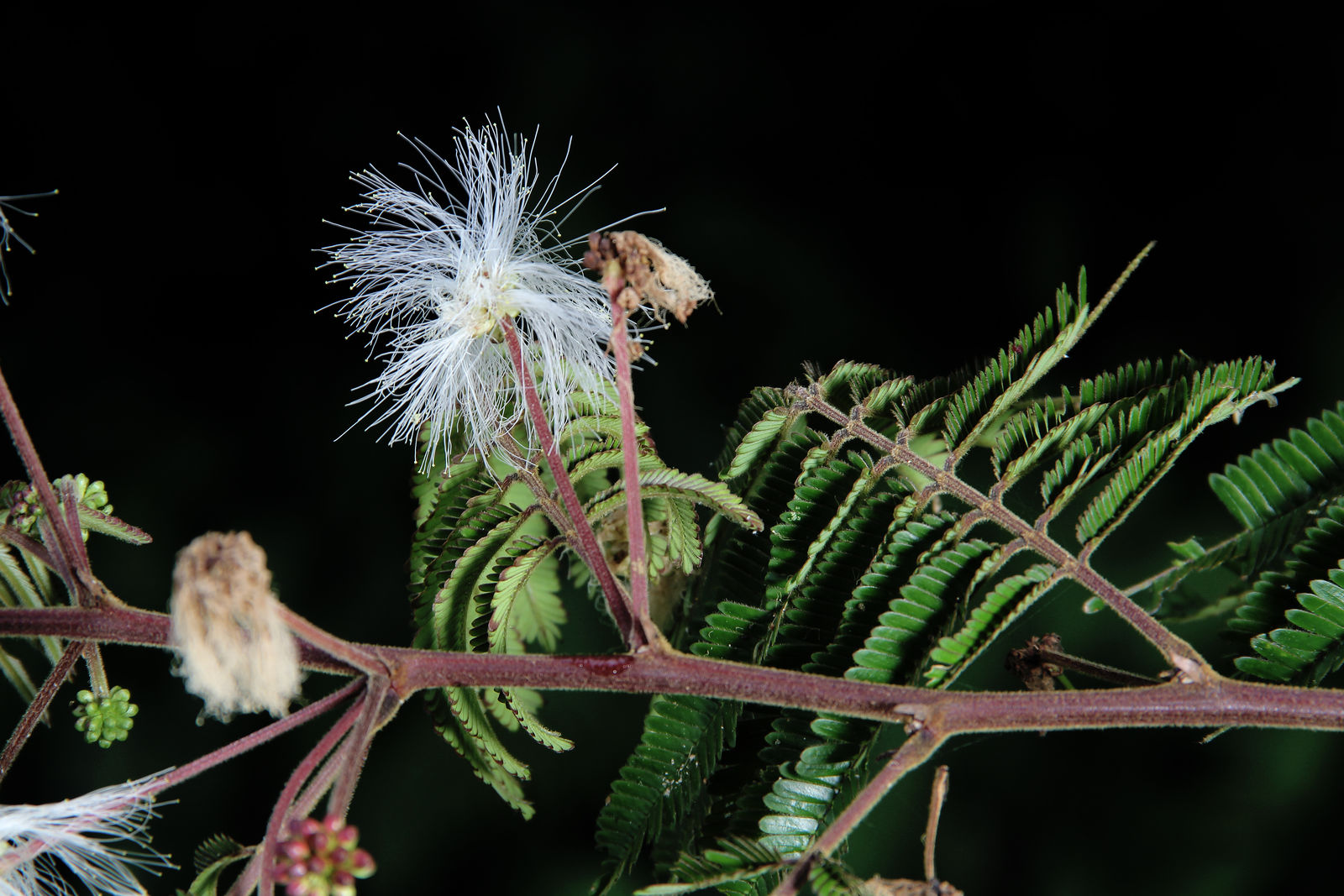
genus of plants
Peteria
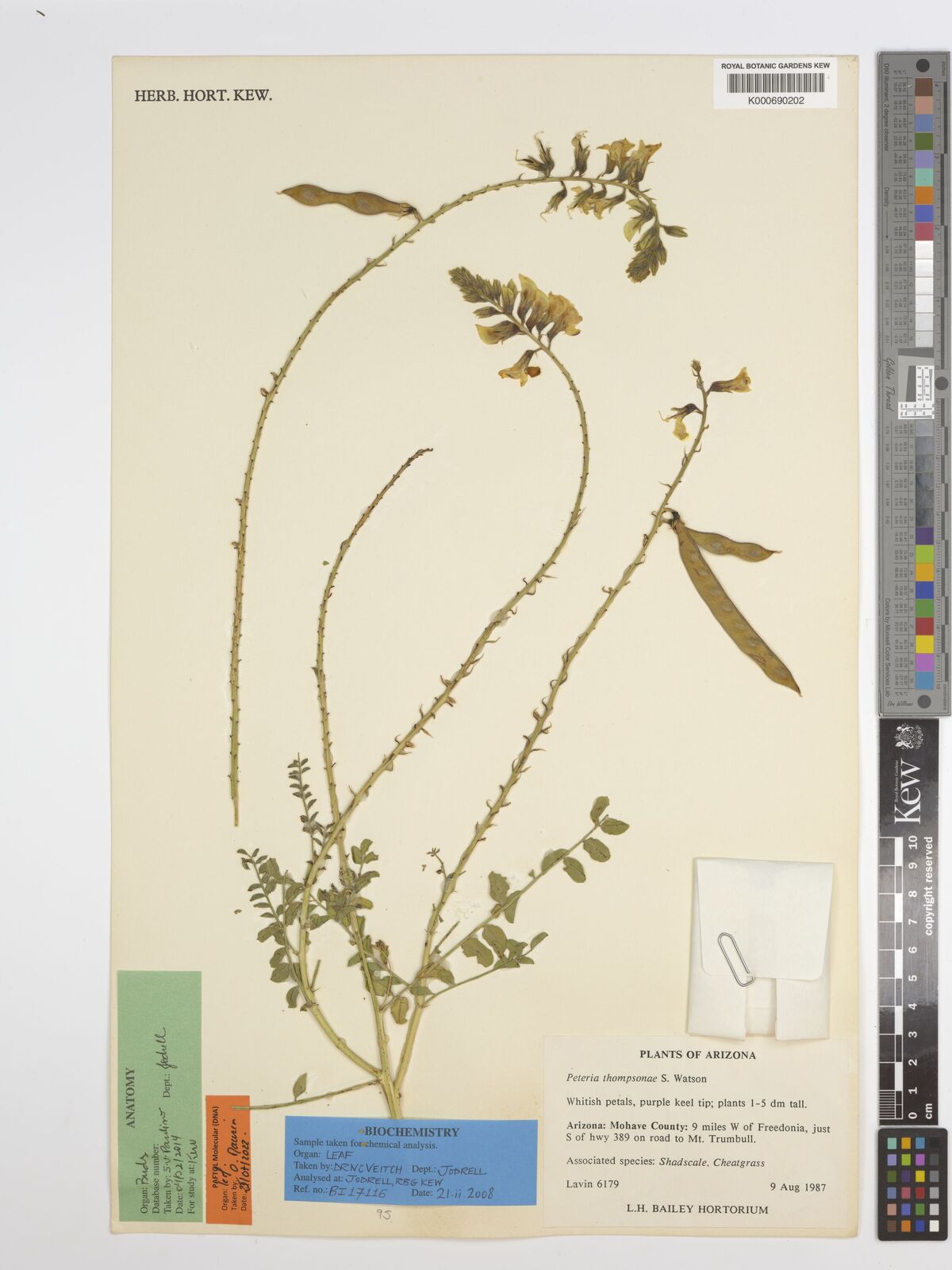
Peteria is a genus of flowering plants in the legume family, Fabaceae. It belongs to the subfamily Faboideae. It is native to USA and Mexico.

Labichea
Labichea is a genus of flowering plants in the family Fabaceae. It includes 16 species of shrubs native to northern Australia – Queensland, the Northern Territory, and Western Australia. Typical habitats are tropical and seasonally-dry, and include rocky sandstone ravines, coastal sand dunes, desert, and semi-arid woodland and dry scrub, generally on granite or sandstone substrates. It belongs to the subfamily Dialioideae.
Alistilus
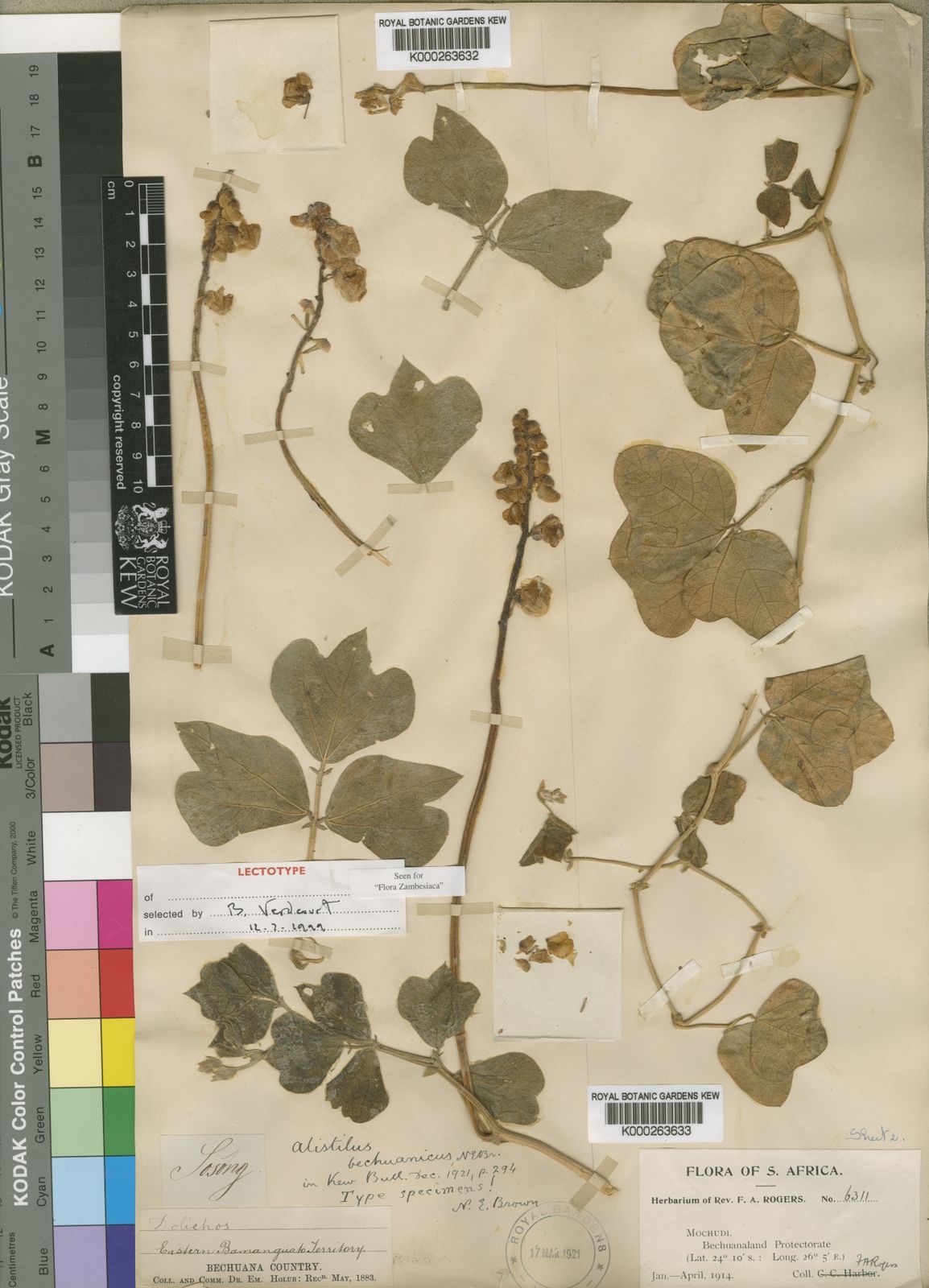
Alistilus is a genus of flowering plants in the legume family, Fabaceae. It belongs to the subfamily Faboideae. It includes three species native to southern Africa and Madagascar.
Alistilus bechuanicus – Namibia, Botswana, South Africa (Northern Provinces)
Alistilus jumellei – south-central and southern Madagascar
Alistilus magnificus – south-central Madagascar
Dendrolobium
Dendrolobium is a genus of flowering plants in the legume family, Fabaceae. It belongs to the subfamily Faboideae. It includes 21 species of mostly trees and shrubs and rarely herbs. Species range from eastern Africa (Kenya and Tanzania) to Madagascar, India, Indochina, southern China, Malesia, Papuasia, northern and western Australia, and the southwestern Pacific. Typical habitats include seasonally-dry tropical forest and woodland, bamboo thickets, and grassland.

Hoita
Hoita is a small genus of legumes containing three species. They bear attractive purple or fuchsia flowers in large inflorescences similar to those of kudzu. They are known commonly as scurfpeas or leather-roots and are closely related to the psoraleas. They are found almost exclusively in California.
Oxylobium
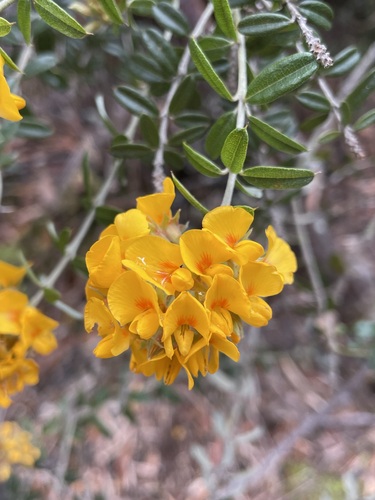
Oxylobium, commonly known as shaggy-peas, is a genus of flowering plants in the family Fabaceae, all of which are endemic to Australia. Plants in the genus Oxylobium are prostrate or erect shrubs with simple leaves with the edges turned down, flowers in racemes, clusters or corymbs with 5 sepals, the standard petal longer than the wings and keel, and inflated oval or oblong pods.
Wiborgia
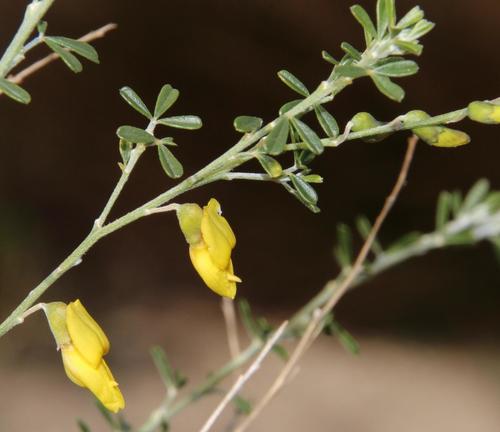
Wiborgia is a genus of plants in the legume family, Fabaceae. It includes nine species of shrubs endemic to the Cape Provinces of South Africa. They grow in fynbos or renosterveld (Mediterranean-climate shrubland), mostly in sandy flats and rocky areas. The genus was named for Erik Viborg by Carl Peter Thunberg.

Aotus
genus of plants

Dimorphandra
Dimorphandra is a genus of legume in the family Fabaceae, subfamily Caesalpinioideae. It includes 26 species native to northern South America, ranging from Colombia and Venezuela to Bolivia, Paraguay, and southeastern Brazil.
Sphenostylis
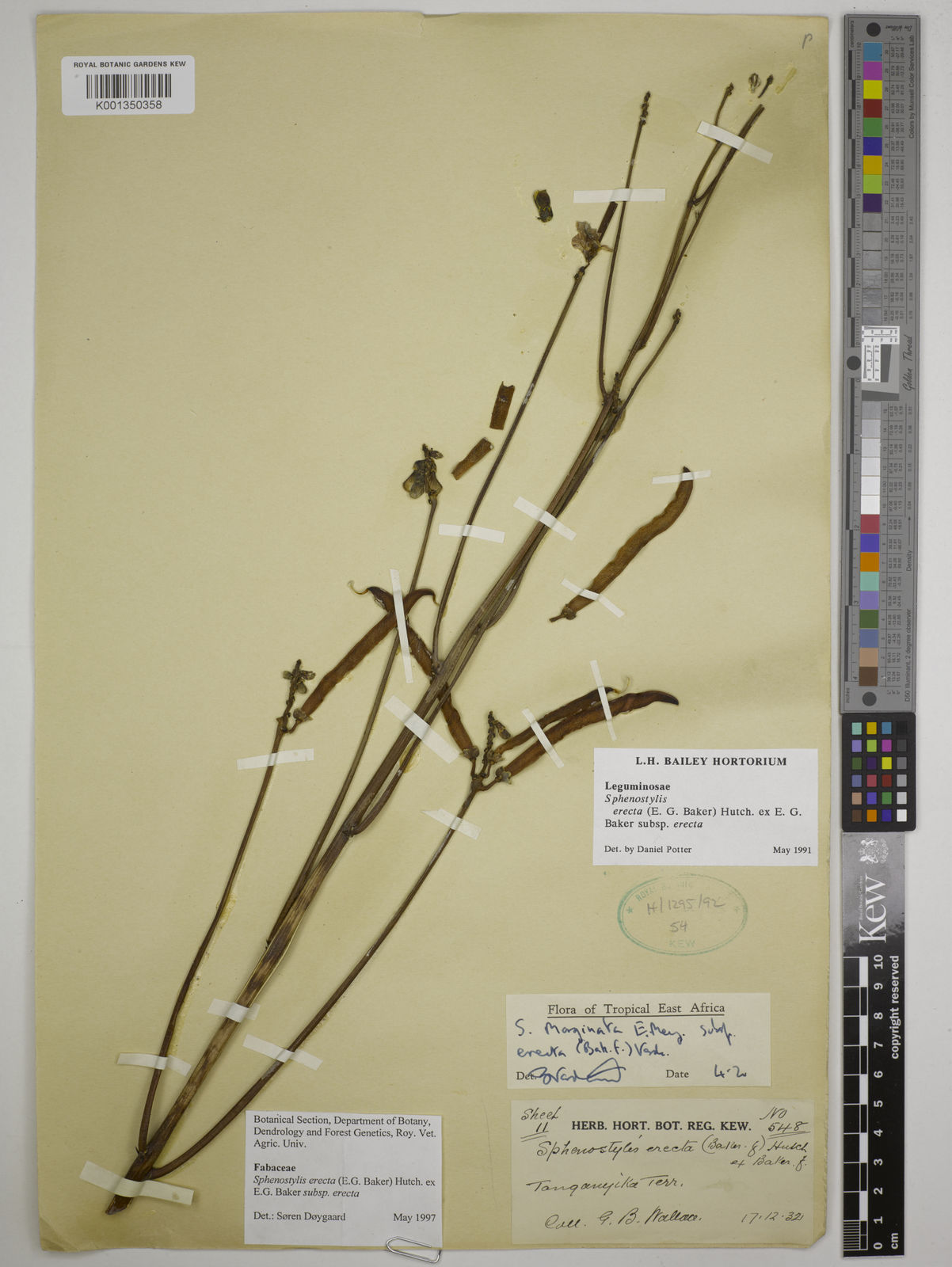
Sphenostylis is a genus of flowering plants in the legume family, Fabaceae. It includes seven species of prostrate, climbing or erect herbs or subshrubs. They are native to sub-Saharan Africa, where they grow in seasonally-dry tropical and subtropical open forest, woodland, bushland and thicket, wooded grassland, and grassland, mainly in the Zambezian and Sudanian regions. It belongs to the subfamily Faboideae. Sphenostylis contains several species useful as food sources including Sphenostylis stenocarpa. Sphenostylis stenocarpa is characterized by its fruit (legume) and stipulated leaves.
Tadehagi
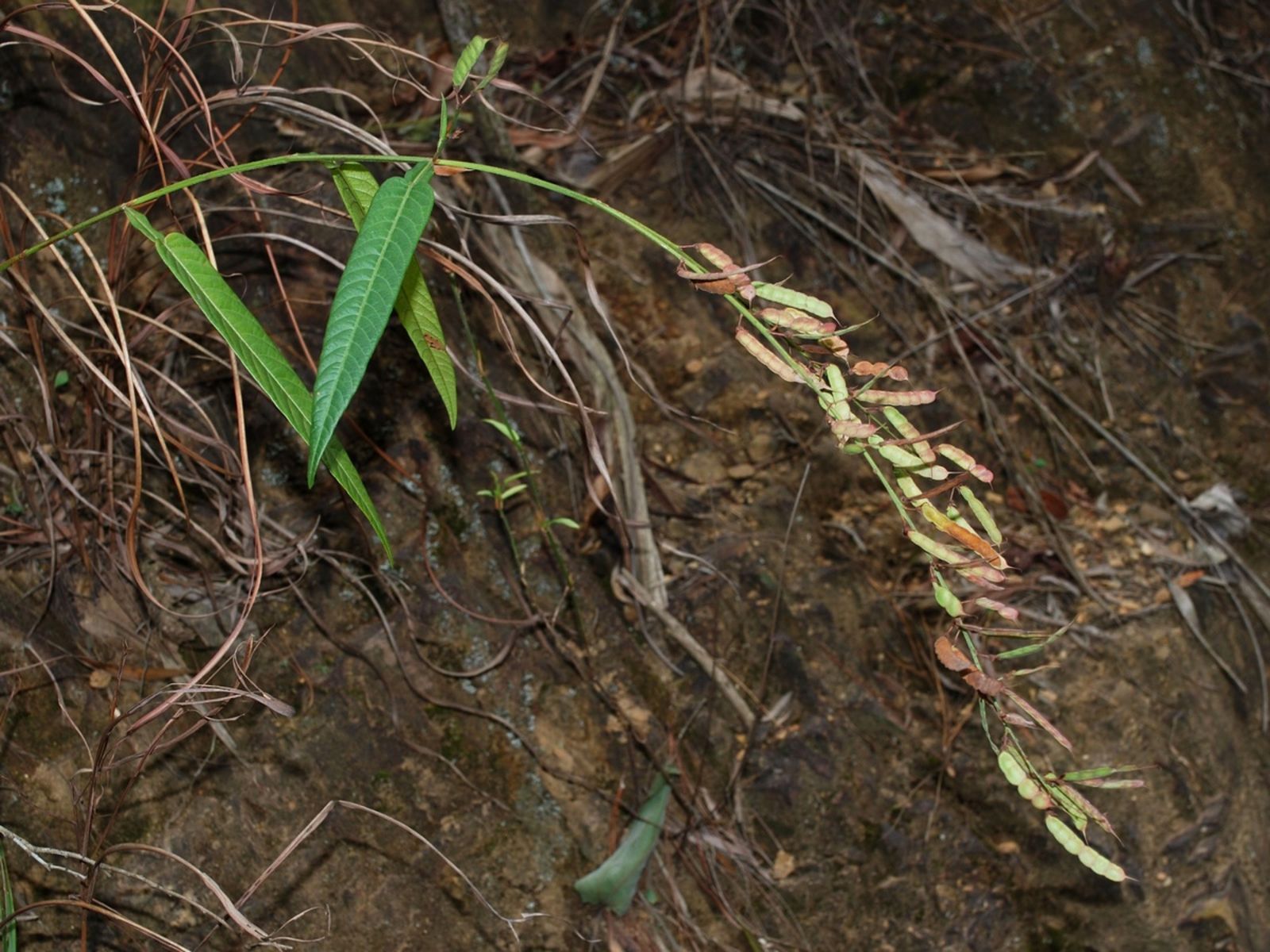
thumb | right | Tadehagi triquetrum
Tadehagi is a genus of flowering plants in the legume family, Fabaceae. It includes six species of subshrubs and shrubs native to the Indian subcontinent, Indochina, southern China, the Philippines, New Guinea, and Western Australia. Five of the six species are native to India and Indochina, and one (T. robustum) is endemic to Western Australia. Typical habitats include seasonally-dry tropical and subtropical forest, scrub, and grassland, including rocky and riparian areas. It belongs to the subfamily Faboideae.
Havardia
Havardia is a genus of flowering plants in the family Fabaceae. It belongs to the mimosoid clade of the subfamily Caesalpinioideae. It includes five species of trees native to the Americas, ranging from Texas and northern Mexico through Central America to Colombia and Venezuela. Typical habitats include warm-temperate and tropical seasonally-dry woodland, wooded grassland, and desert thorn scrub, typically below 450 meters elevation.

Lessertia
genus of plants
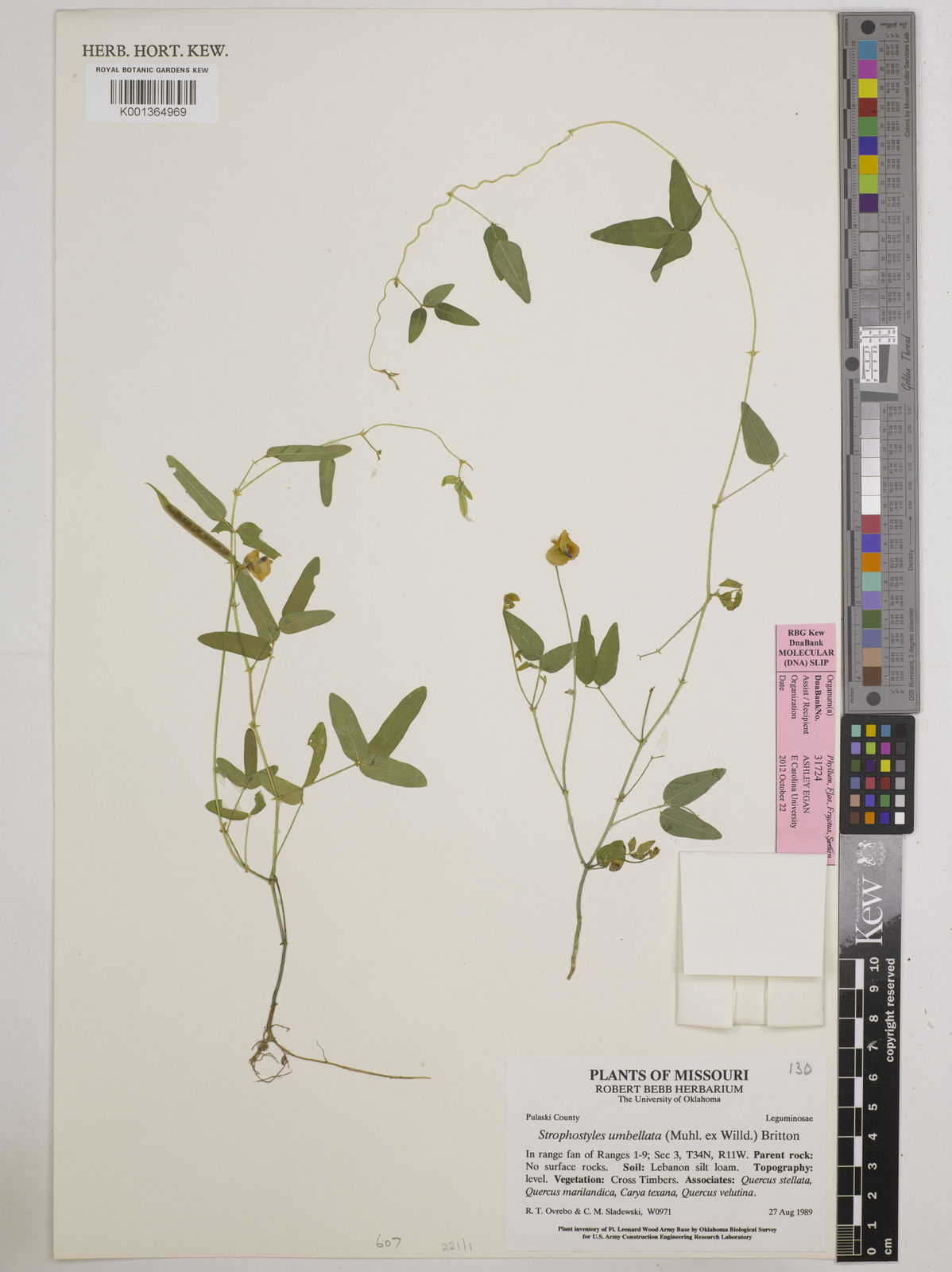
Strophostyles
Strophostyles is monophyletic three-species genus of flowering plants in the family Fabaceae, subfamily Faboideae. Common names for the genus include wild bean and fuzzybean (due to their pubescent pods and seed coverings). It consists of annual and perennial herbaceous vines, ranging in their native distribution from Nevada, east to Florida, and north to the Great Lakes and eastern Canada. The etymology of the name is strophe (turning) + stylos (style), referring to the curve of the style within the keel petal.

Cenostigma
Cenostigma is a genus of flowering plants in the family Fabaceae. It includes 15 species native to the tropical Americas, ranging from Mexico to northwestern Argentina and southern Brazil. It belongs to the subfamily Caesalpinioideae and tribe Caesalpinieae. Cenostigma pluviosa is being investigated as a possible antimalarial medication.

Gueldenstaedtia
Gueldenstaedtia is a genus of flowering plants in the family Fabaceae. It belongs to the subfamily Faboideae. It includes four species native to Asia, ranging from India and Pakistan to Myanmar, Laos, China, Mongolia, and central Siberia.
Gueldenstaedtia guangxiensis
Gueldenstaedtia henryi
Gueldenstaedtia monophylla
Gueldenstaedtia verna
Adenopodia
Adenopodia is a genus of legume in the family Fabaceae, that occurs in the northern Neotropics and Africa. They may grow as lianas, shrubs or trees. The petioles have a distinct gland above their base, hence the Greek name which is a combination of "gland-" and "foot".

Talbotiella
Talbotiella is a genus of flowering plants in the family Fabaceae. It includes 9 species native to west-central and west tropical Africa. Most species ranges from Ghana to the Republic of the Congo. Five are endemic to Cameroon. T. cheekii is endemic to Guinea.
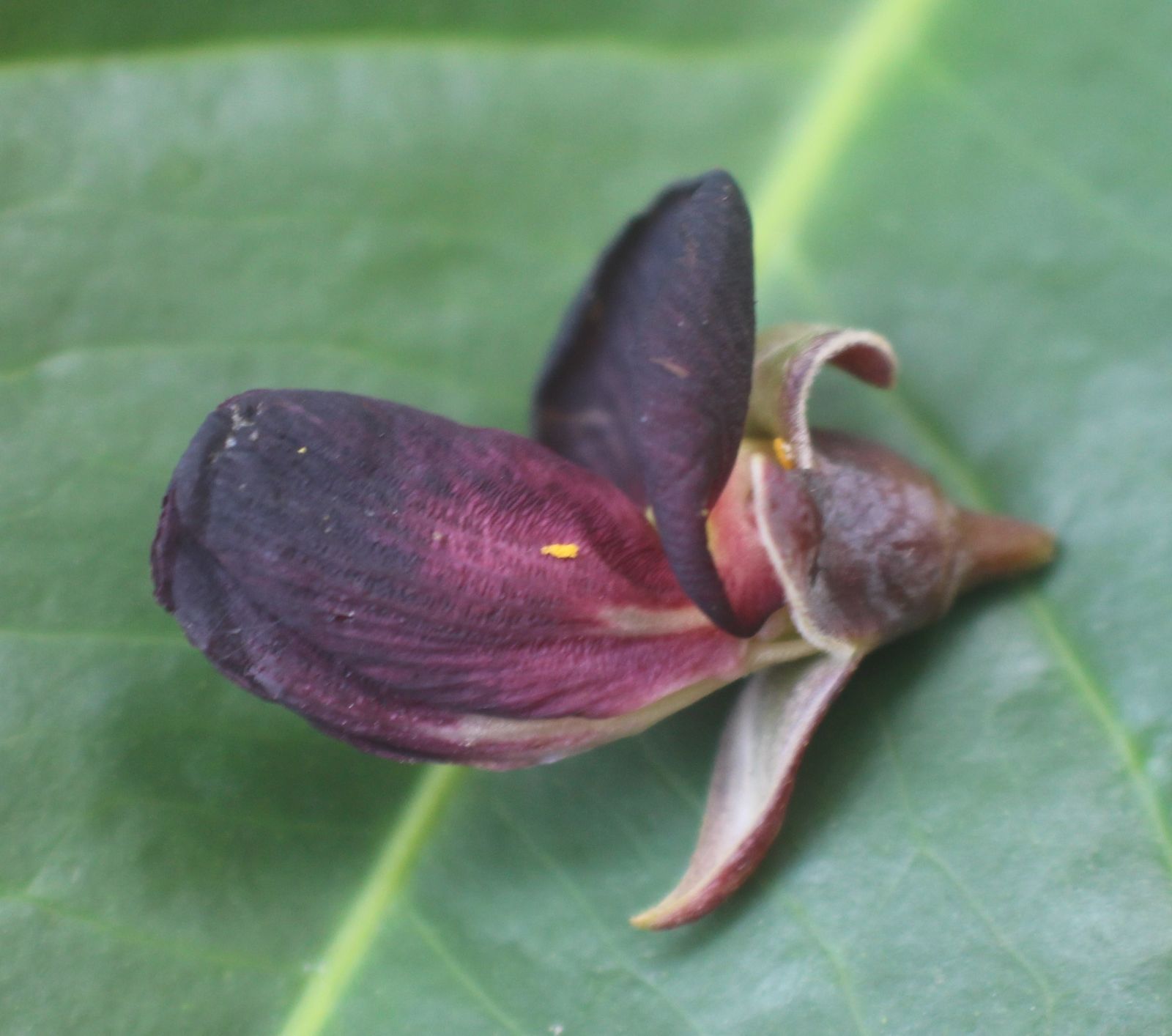
Pericopsis
Pericopsis is a genus of flowering plants in the legume family, Fabaceae. It includes four species of trees and shrubs, three native to sub-Saharan Africa and one to Sri Lanka, Malesia, New Guinea, and the Caroline Islands. Typical habitats include tropical lowland forest (including riverine or mangrove forests for the Asian species) and seasonally-dry woodland and wooded grassland.
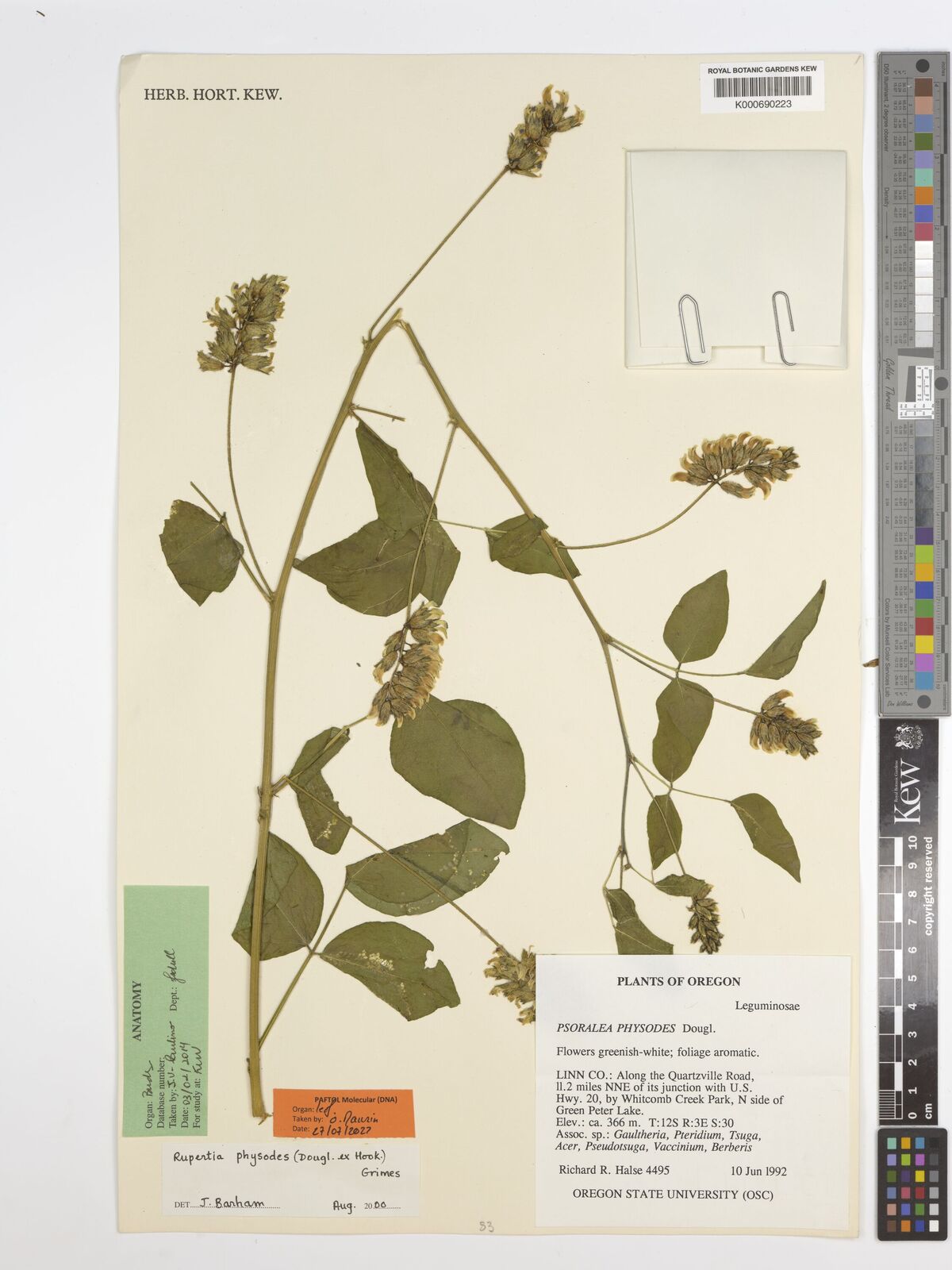
Rupertia
Rupertia is a small genus of flowering plants in the legume family, Fabaceae. It belongs to the subfamily Faboideae. There are three species native to western North America, especially California. Two of the species are quite rare.
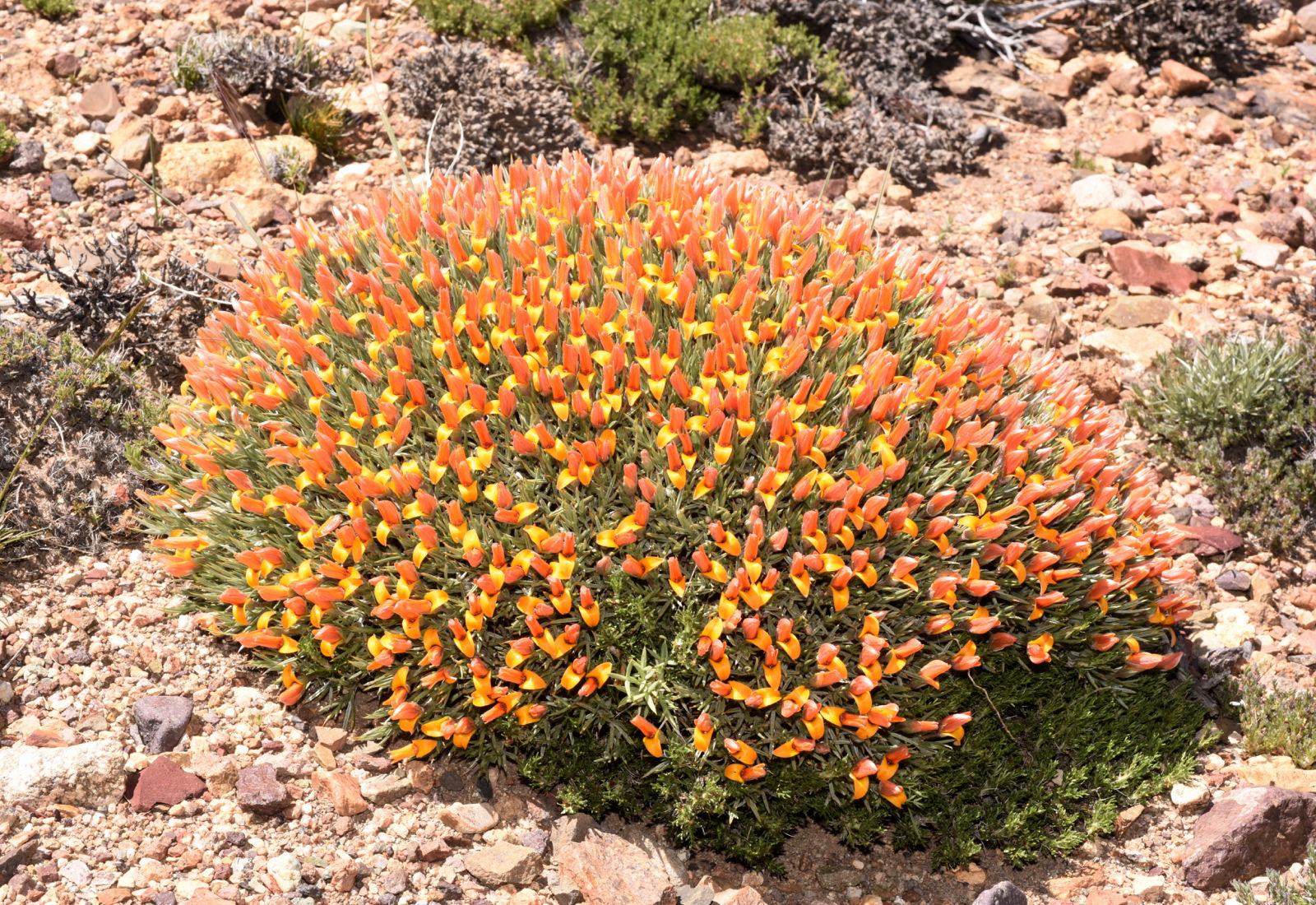
Anarthrophyllum
Anarthrophyllum is a genus of flowering plants in the family Fabaceae. It belongs to the subfamily Faboideae.
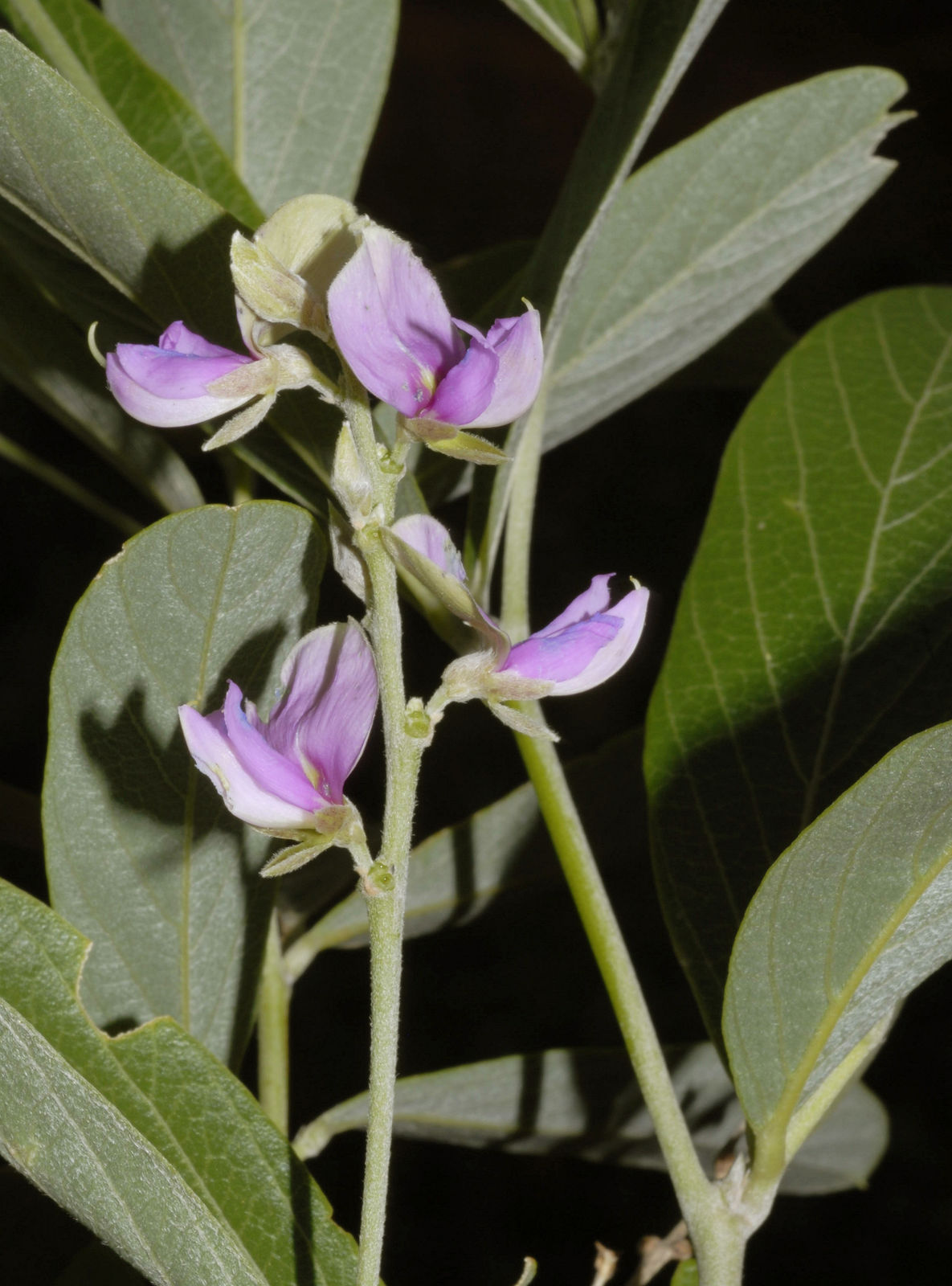
Galactia
Galactia is a genus of plants in the legume family (Fabaceae). It belongs to the subfamily Faboideae and tribe Diocleae They do not have an unambiguous common name, being commonly called milk peas, beach peas or wild peas. They are perennial herbs or subshrubs with prostrate, climbing, or erect forms.

Nogra
Nogra is a genus of flowering plants in the legume family, Fabaceae. It includes four species of herbs native to Asia, ranging from India to Myanmar, Thailand, Laos, and southern China. They typically grow in seasonally-dry tropical forest, often in open grassy areas. The genus belongs to subfamily Faboideae.

Errazurizia
Errazurizia (dunebroom) is a genus of flowering plants in the family Fabaceae. It belongs to subfamily Faboideae. It includes four species of subshrubs native to northwestern Mexico and Chile.
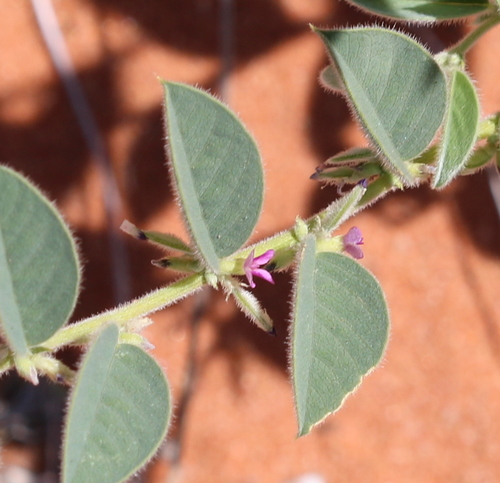
Requienia
genus of plants

Ophrestia
Ophrestia is a genus of flowering plants in the family Fabaceae. It belongs to the subfamily Faboideae. It includes 14 species native to tropical and southern Africa, Madagascar, and India. At least six species have been described from Zambia.
Ophrestia antsingyensis
Ophrestia breviracemosa
Ophrestia digitata
Ophrestia hedysaroides
Ophrestia humbertii
Ophrestia lyallii
Ophrestia madagascariensis
Ophrestia oblongifolia
Ophrestia pentaphylla
Ophrestia radicosa
Ophrestia torrei
Ophrestia unicostata
Ophrestia unifoliolata
Ophrestia upembae

Taralea
Taralea is a genus of flowering plants in the family Fabaceae. It includes five species of trees and shrubs native to northern South America, ranging from Colombia and Peru to Venezuela, the Guianas, and northern and northeastern Brazil. Habitats include riverine and inundated tropical lowland rain forest, seasonally dry forest (sometimes on white sand), woodland, and marsh. One or two species are also found in montane forest and in open moist woodland and scrub on sandstone-derived soils. It belongs to subfamily Faboideae.

Bolusia
Bolusia is a genus of flowering plants in the family Fabaceae. It belongs to the subfamily Faboideae. It includes six species native to southern Africa.
Bolusia acuminata (DC.) Polhill – southeastern Botswana to northern Cape Province of South Africa
Bolusia amboensis (Schinz) Harms – southern Democratic Republic of the Congo through Angola, Zambia, Malawi, Zimbabwe, Namibia, and Botswana
Bolusia ervoides (Welw. ex Baker) Torre – Angola (Huíla)
Bolusia grandis B.-E. Van Wyk – southern Democratic Republic of the Congo and Zambia
Bolusia polhilliana – southern Democratic Republic of the Con

Apurimacia
Apurimacia is a genus of flowering plants in the family Fabaceae. It belongs to the subfamily Faboideae. It includes two species native to South America. The species Apurimacia dolichocarpa is a shrub endemic to the Sierras de Córdoba in Argentina. The species Apurimacia boliviana is a tree native to Peru and Bolivia. It is used as an insecticide in Peru.
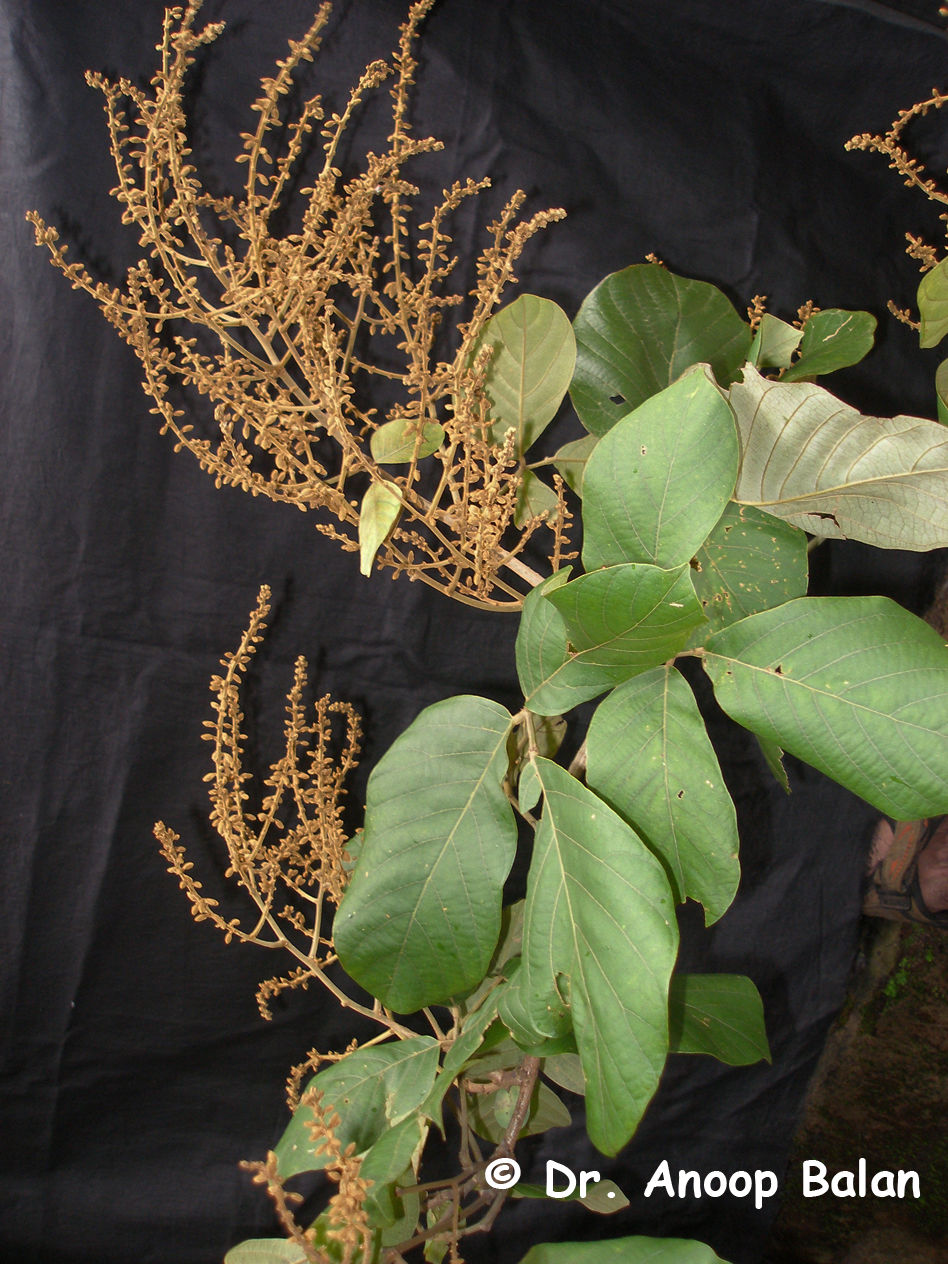
Spatholobus
Spatholobus is a genus of flowering plants in the legume family Fabaceae. It includes 35 species of lianas which range from the Indian subcontinent to Indochina, southern China, and western Malesia (Peninsular Malaysia, Sumatra, Java, Borneo, and the Philippines). It grows in seasonally-dry to evergreen tropical forest and thicket, often on rocky slopes and in disturbed areas. It belongs to subfamily Faboideae.
Spatholobus acuminatus
Spatholobus albus
Spatholobus apoensis
Spatholobus auricomus
Spatholobus auritus
Spatholobus biauritus
Spatholobus bracteolatus
Spatholobus crassifolius
S
Tetraberlinia
Tetraberlinia is a genus of plants in the legume family, Fabaceae. It includes species of trees native to west and west-central tropical Africa, including Liberia, Cameroon, Equatorial Guinea, Gabon, Republic of the Congo, Cabinda, and DR Congo. They grow in tropical lowland rain forest and riverine forest, often forming monodominant stands.
Sympetalandra
Sympetalandra is a genus of legume in the family Fabaceae. It includes five species of trees native to Malesia (Peninsular Malaysia, Sumatra, Borneo, the Lesser Sunda Islands, and the Philippines, where they grow in lowland tropical forest. It belongs subfamily Caesalpinioideae.
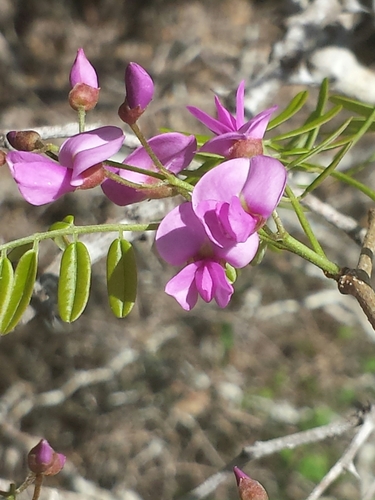
Pongamiopsis
Pongamiopsis is a genus of flowering plants in the family Fabaceae. It includes three species of trees and shrubs endemic to Madagascar. They grow in seasonally-dry tropical woodland and xerophytic shrubland in northern, western, and southern Madagascar, often on limestone outcrops.
Pongamiopsis amygdalina
Pongamiopsis pervilleana
Pongamiopsis viguieri

Camptosema
Camptosema is a genus of flowering plants in the legume family, Fabaceae. It includes five species native to South America, ranging from northeastern Brazil to Bolivia and northeastern Argentina. It belongs to the subfamily Faboideae and tribe Diocleae.
Camptosema goiasana – eastern Bolivia and west-central Brazil
Camptosema nobile – west-central Brazil (Mato Grosso)
Camptosema rubicundum – eastern Bolivia, Paraguay, west-central and southern Brazil, northeastern Argentina, and Uruguay
Camptosema sanctae-barbarae – west-central Brazil (Goiás)
Camptosema spectabile – eastern Brazil

Dussia
Dussia is a genus of flowering plants in the family Fabaceae. It includes 11 species native to the tropical Americas, ranging from central Mexico to Bolivia and west-central Brazil.

Kunstleria
Kunstleria is a genus of flowering plants in the family Fabaceae. It belongs to the subfamily Faboideae. It grows as a woody climber or liana. It includes eight species native to India, Thailand, Peninsular Malaysia, Sumatra, Borneo, and the Philippines. Species Kunstleria keralensis is found in the southern Western Ghats of India.
Kunstleria curtisii
Kunstleria forbesii
Kunstleria geesinkii
Kunstleria keralensis
Kunstleria kingii
Kunstleria philippinensis
Kunstleria ridleyi
Kunstleria sarawakensis

Humboldtia
Humboldtia is a genus of flowering plants in the family Fabaceae. It includes eight species of trees and shrubs native to India and Sri Lanka. Most species are endemic to the Western Ghats of southwestern India, with one species ranging southwards to Sri Lanka. Typical habitats include tropical lowland and montane rain forest, often along rivers.
Humboldtia bourdillonii
Humboldtia brunonis
Humboldtia decurrens
Humboldtia laurifolia
Humboldtia ponmudiana
Humboldtia sanjappae
Humboldtia unijuga
Humboldtia vahliana
Pearsonia
Pearsonia is a genus of 12 species of plants belonging to the family Fabaceae and occurring in Africa south of the equator with 1 species found on Madagascar. The species are usually herbs or shrublets with woody rootstocks. Leaves are usually sessile and 3-foliolate. The inflorescence is a congested or lax terminal raceme. The name of this genus commemorates the South African botanist Henry Harold Welch Pearson.
Sarcodum
Sarcodum is a genus of flowering plants in the legume family, Fabaceae. It belongs to the subfamily Faboideae, tribe Wisterieae. Its three species are twining vines growing over shrubs, and are native from southeast mainland China to the Solomon Islands.
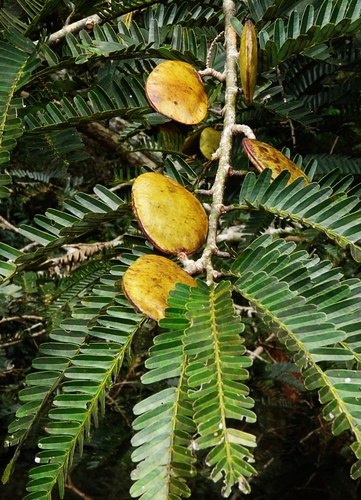
Macrolobium
Macrolobium is a legume genus in the subfamily Detarioideae. It is a tropical genus with about 80 species. Half occur in Brazil, where they are common in the floodplains of the Amazonian Basin. Members of the genus are used as ornamentals and for their wood.

Cologania
Cologania is a genus of flowering plants in the legume family, Fabaceae. It belongs to subfamily Faboideae. It includes 13 species of perennial climbing herbs which range from the southwestern United States through Mexico, Central America, and western (Andean) South America to northern Argentina. Most species are montane, and habitats include tropical to warm temperate montane forest, woodland, thicket, wooded grassland, and open bushland on mountain slopes.