Category
page 1Film noir
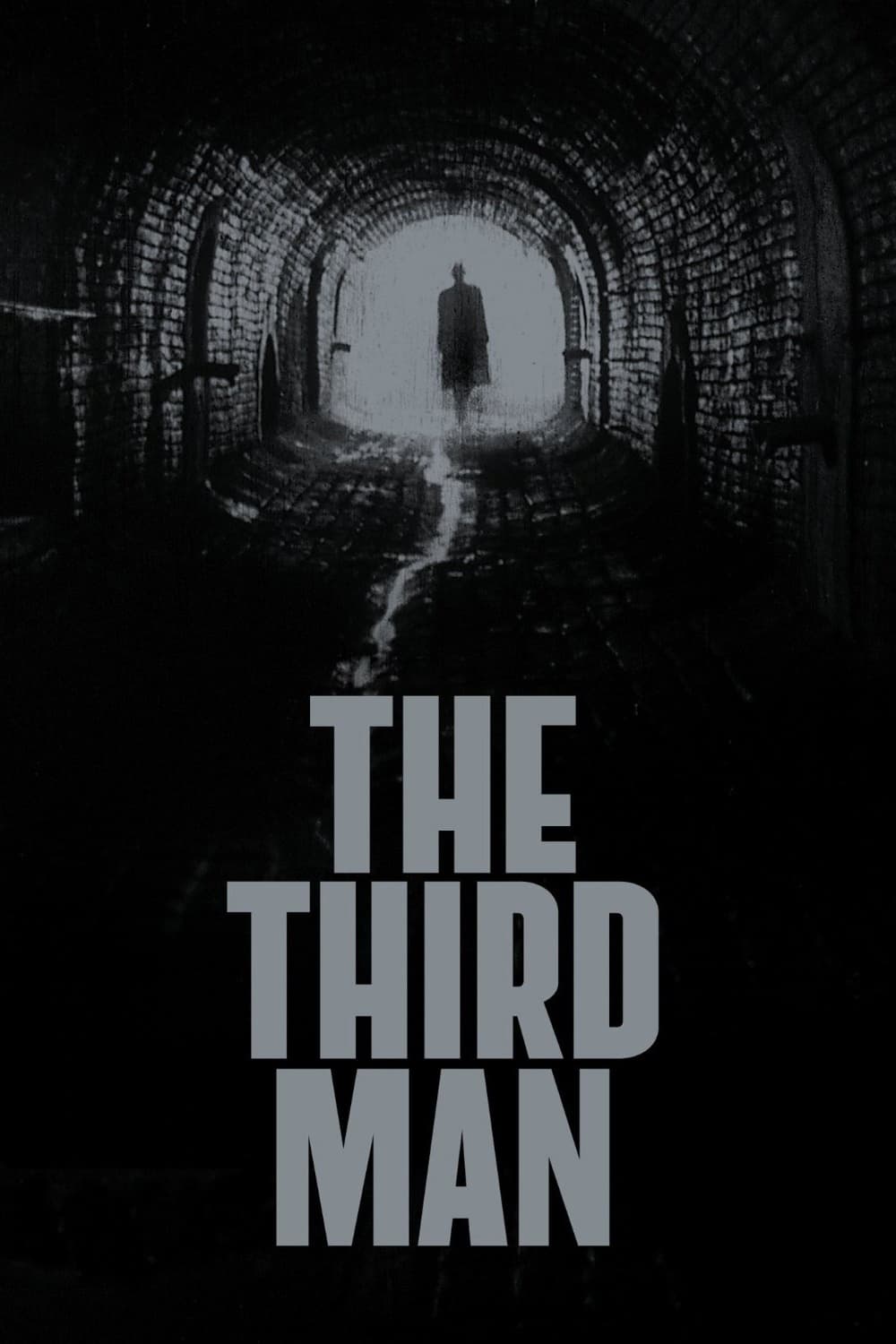
The Third Man
1949 film directed by Carol Reed

Sunset Boulevard
1950 film by Billy Wilder

film noir
film genre/style usually deployed in mystery and police procedural detective crime films
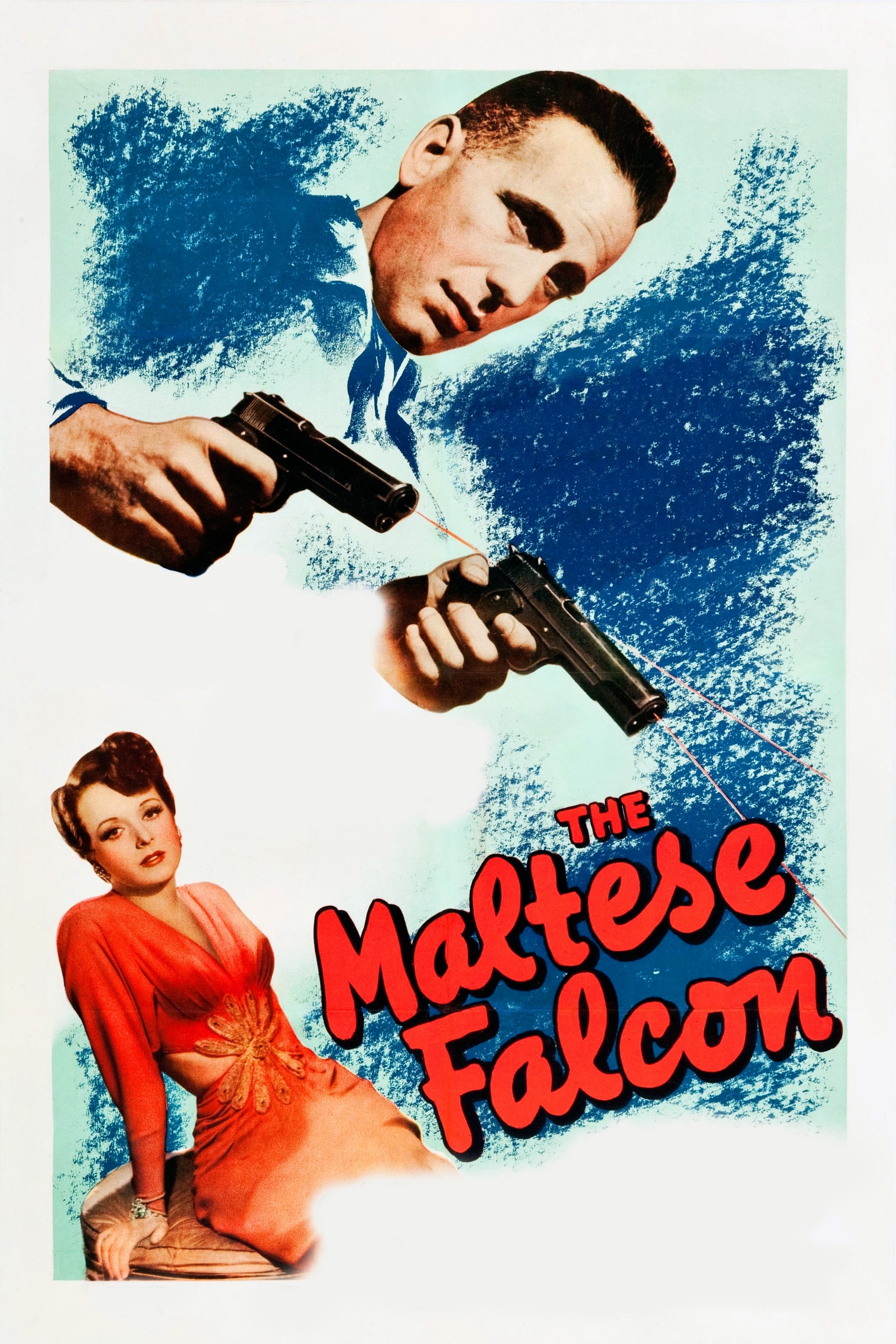
The Maltese Falcon
1941 film by John Huston
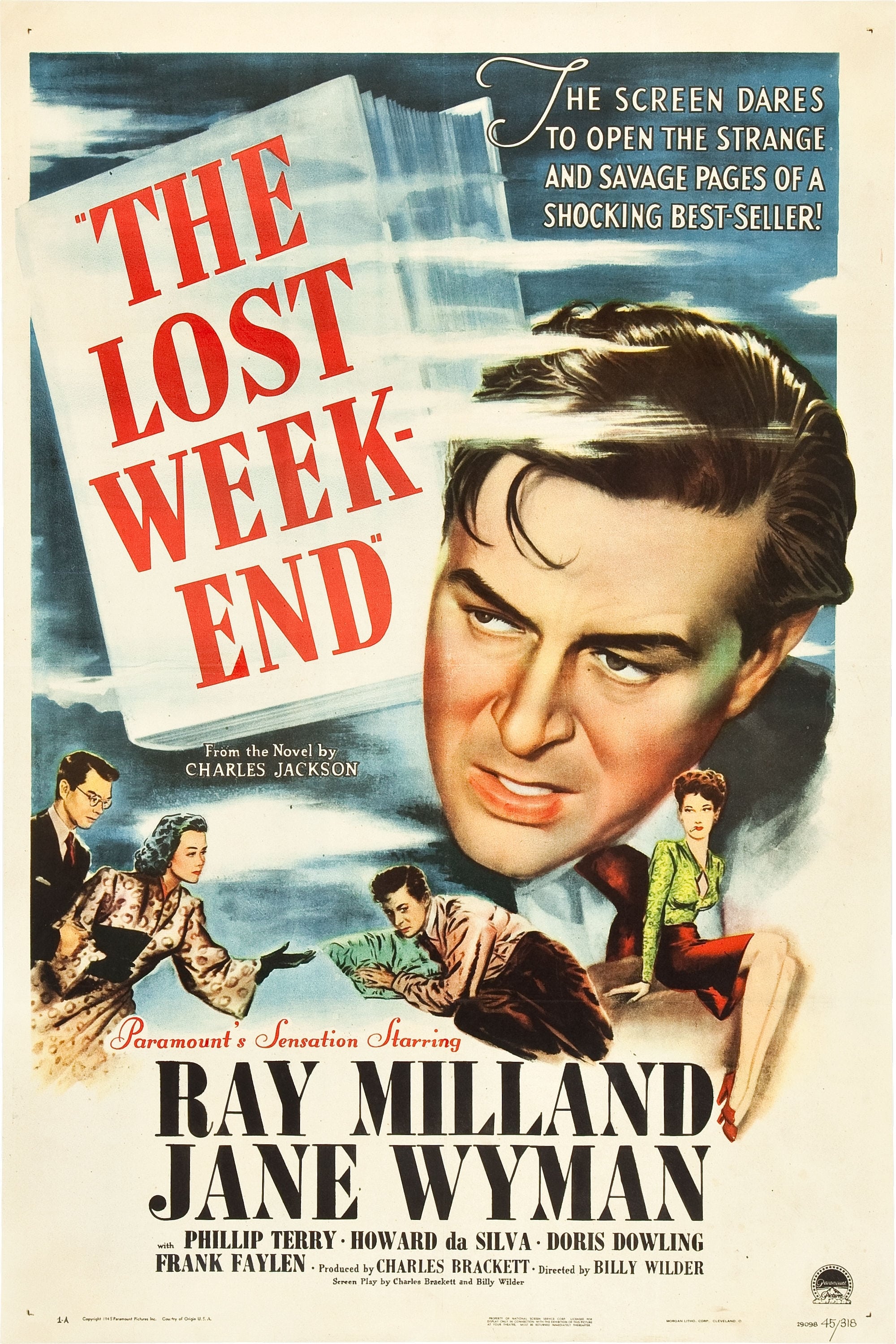
The Lost Weekend
1945 film by Billy Wilder
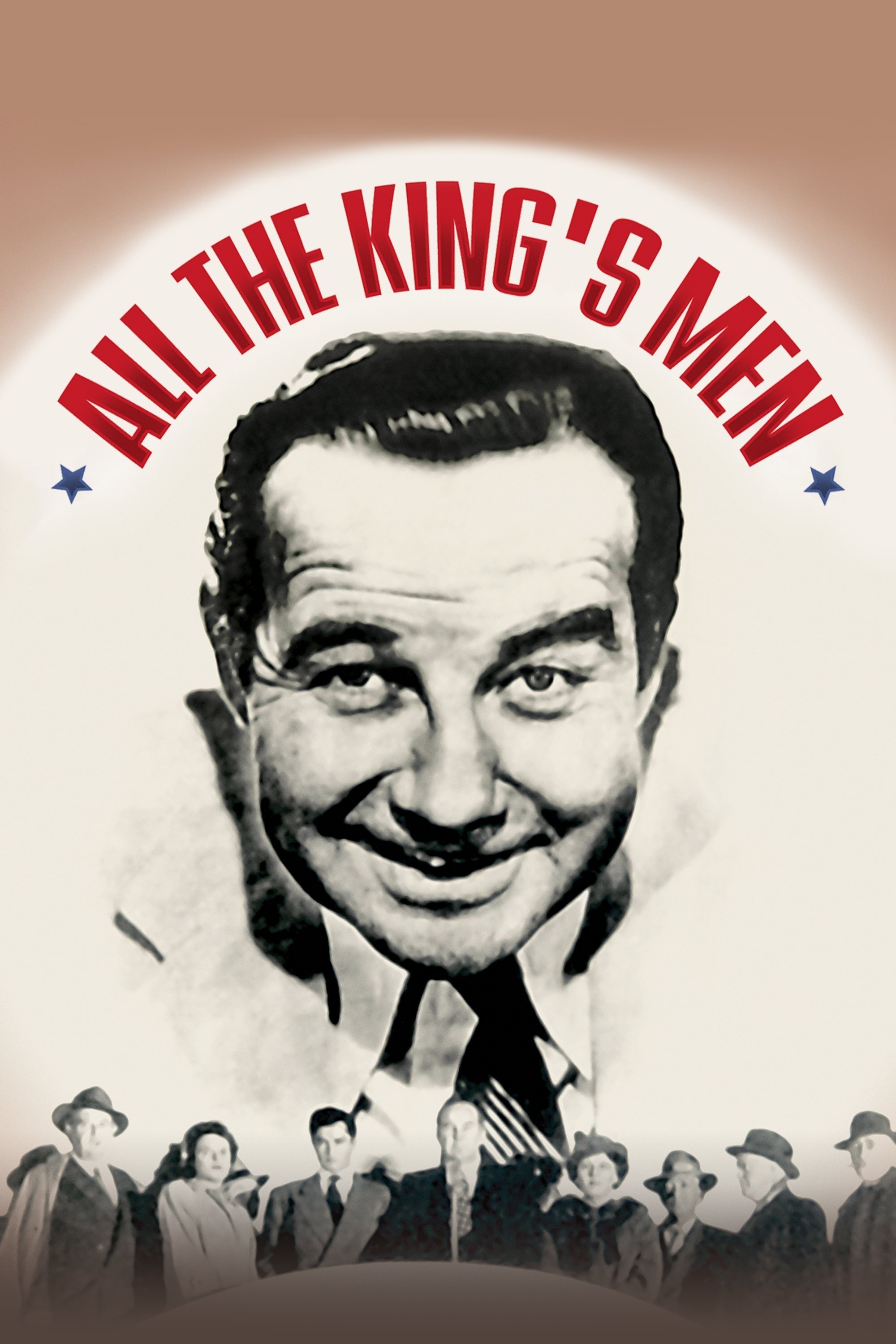
All the King's Men
1949 film by Robert Rossen
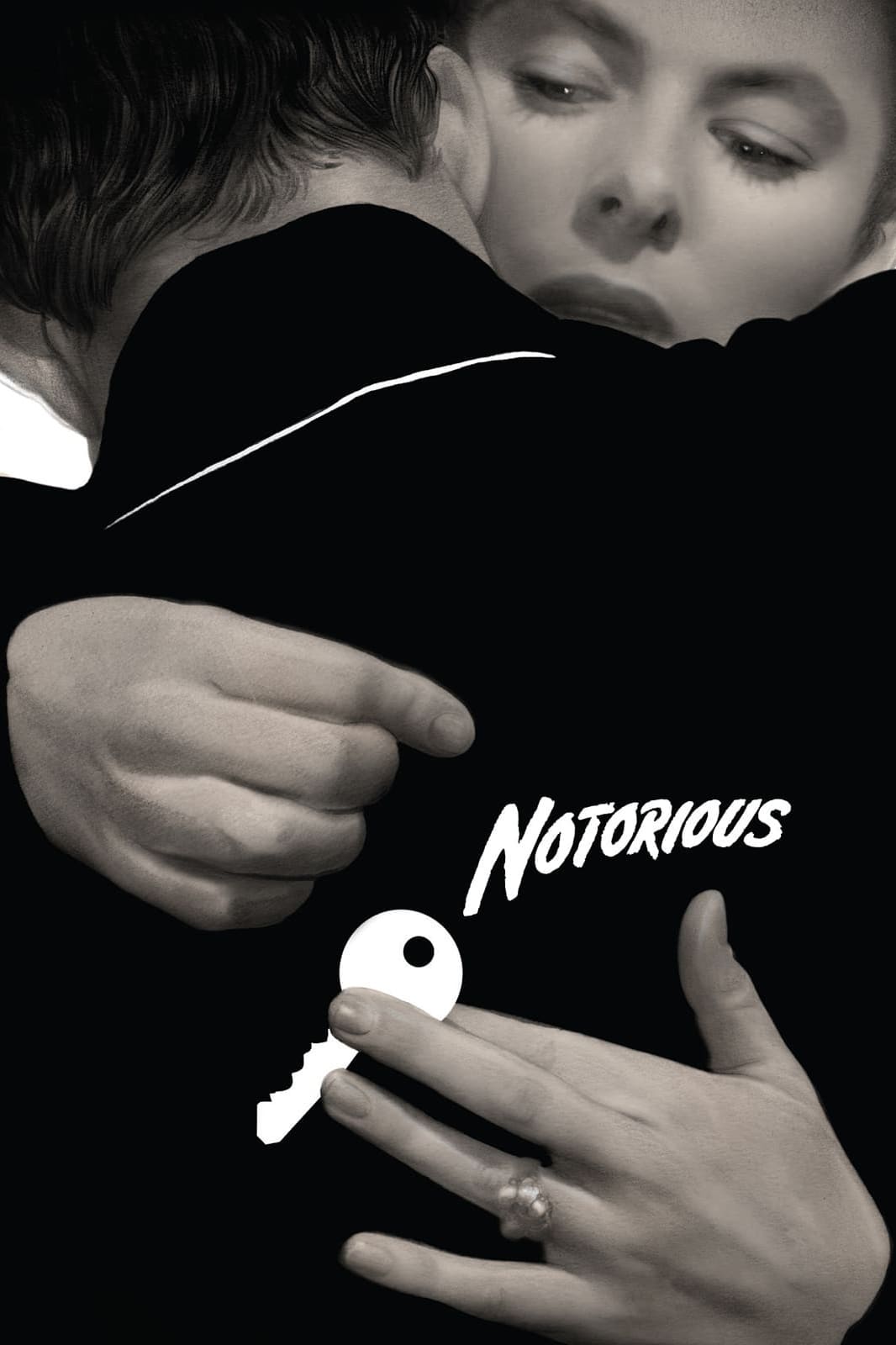
Notorious
1946 film by Alfred Hitchcock
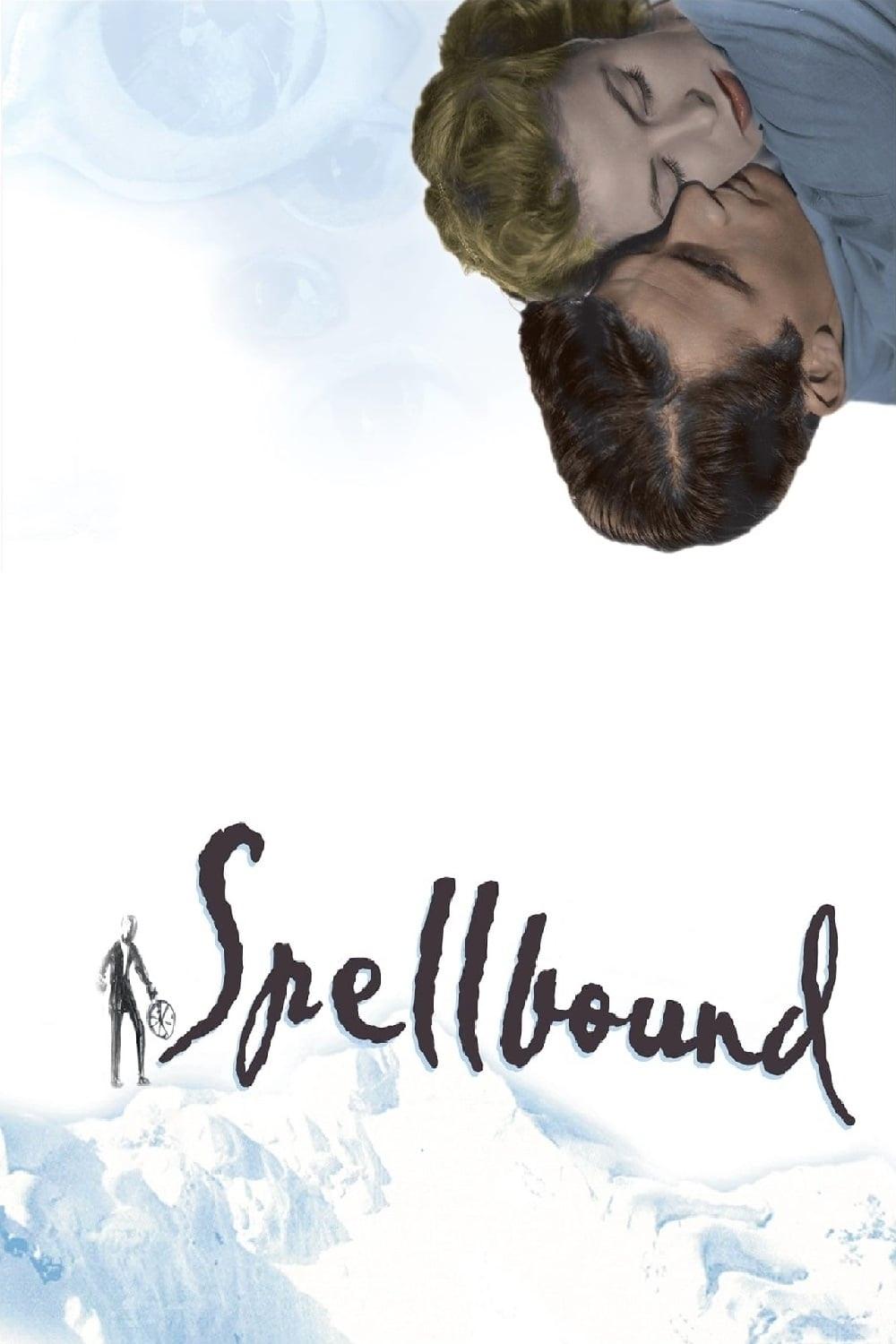
Spellbound
1945 film directed by Alfred Hitchcock
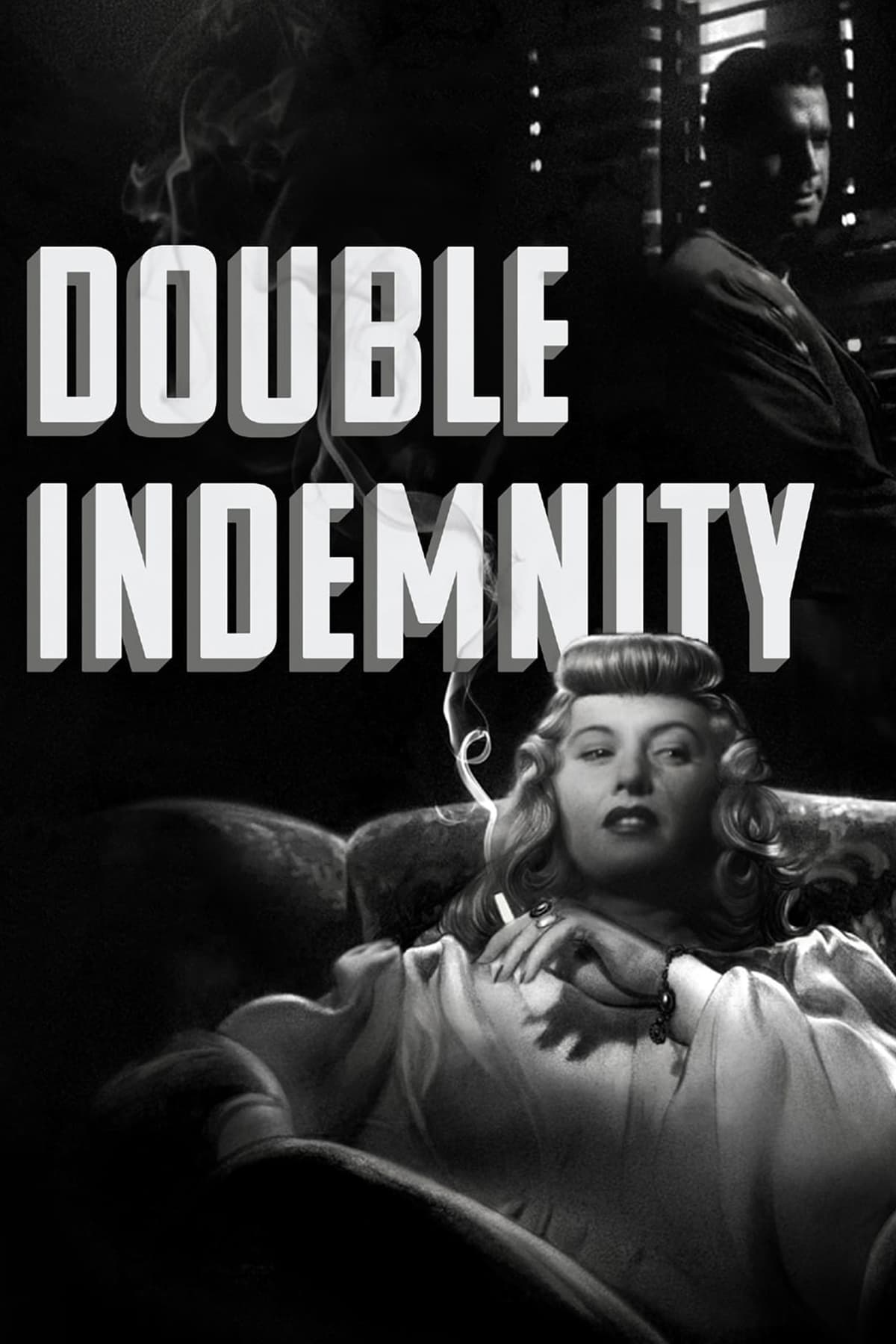
Double Indemnity
1944 US film by Billy Wilder
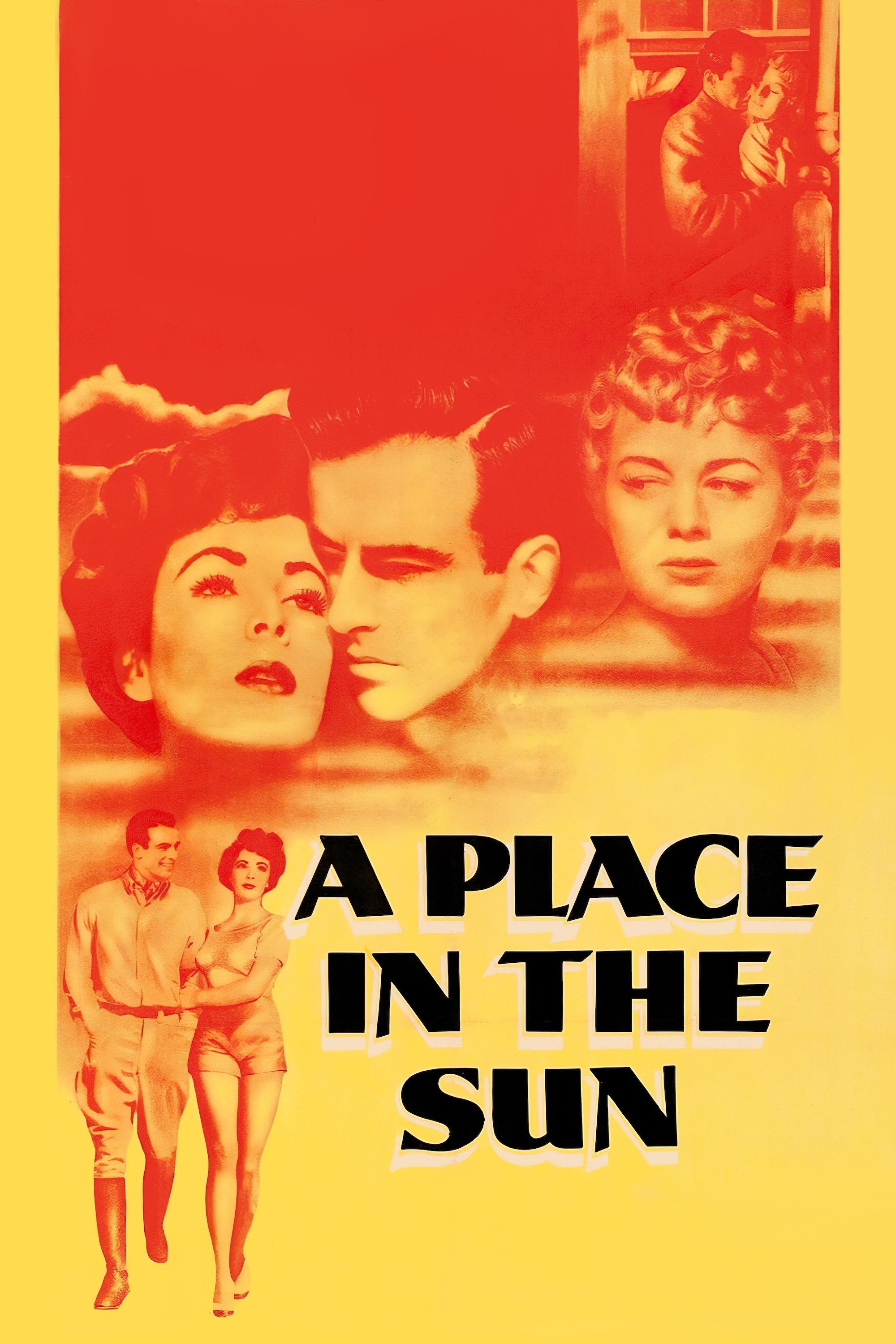
A Place in the Sun
1951 film by George Stevens
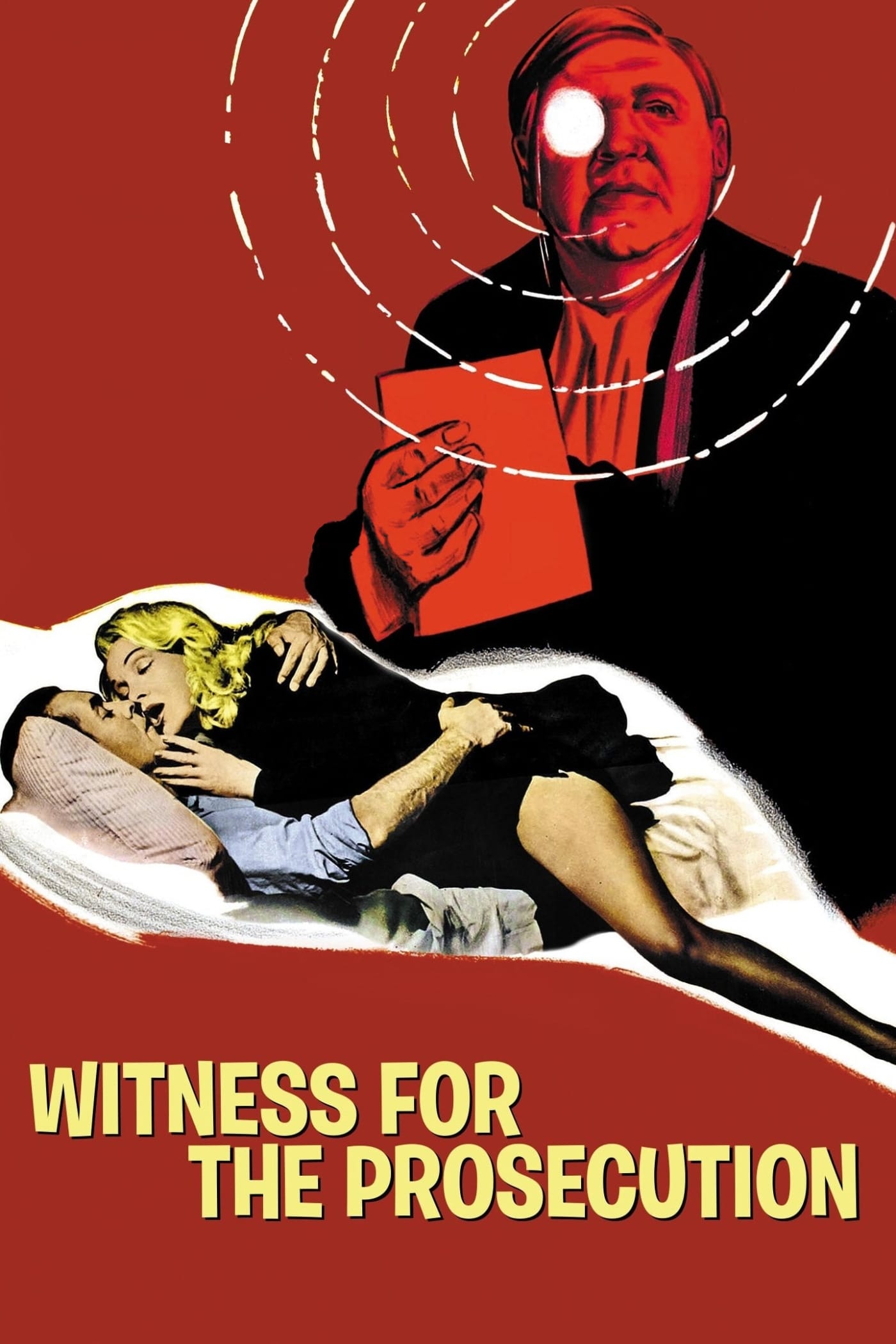
Witness for the Prosecution
1957 American film directed by Billy Wilder
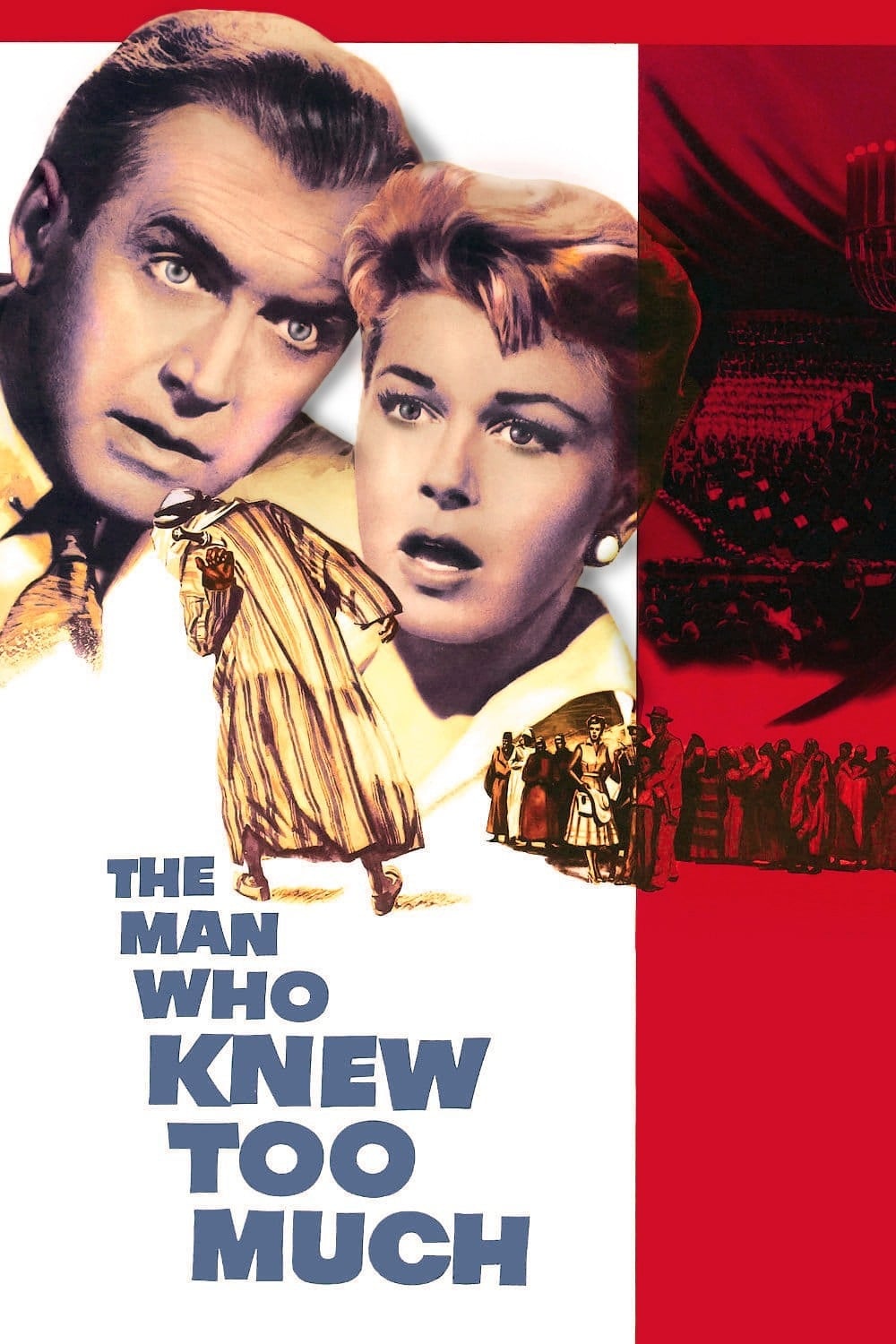
The Man Who Knew Too Much
1956 film by Alfred Hitchcock
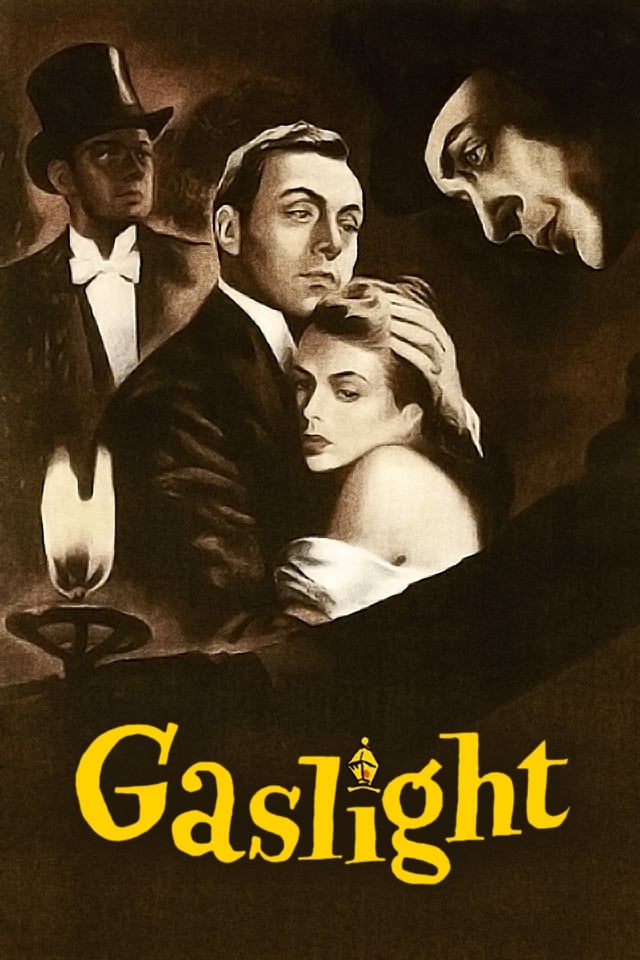
Gaslight
1944 film by George Cukor
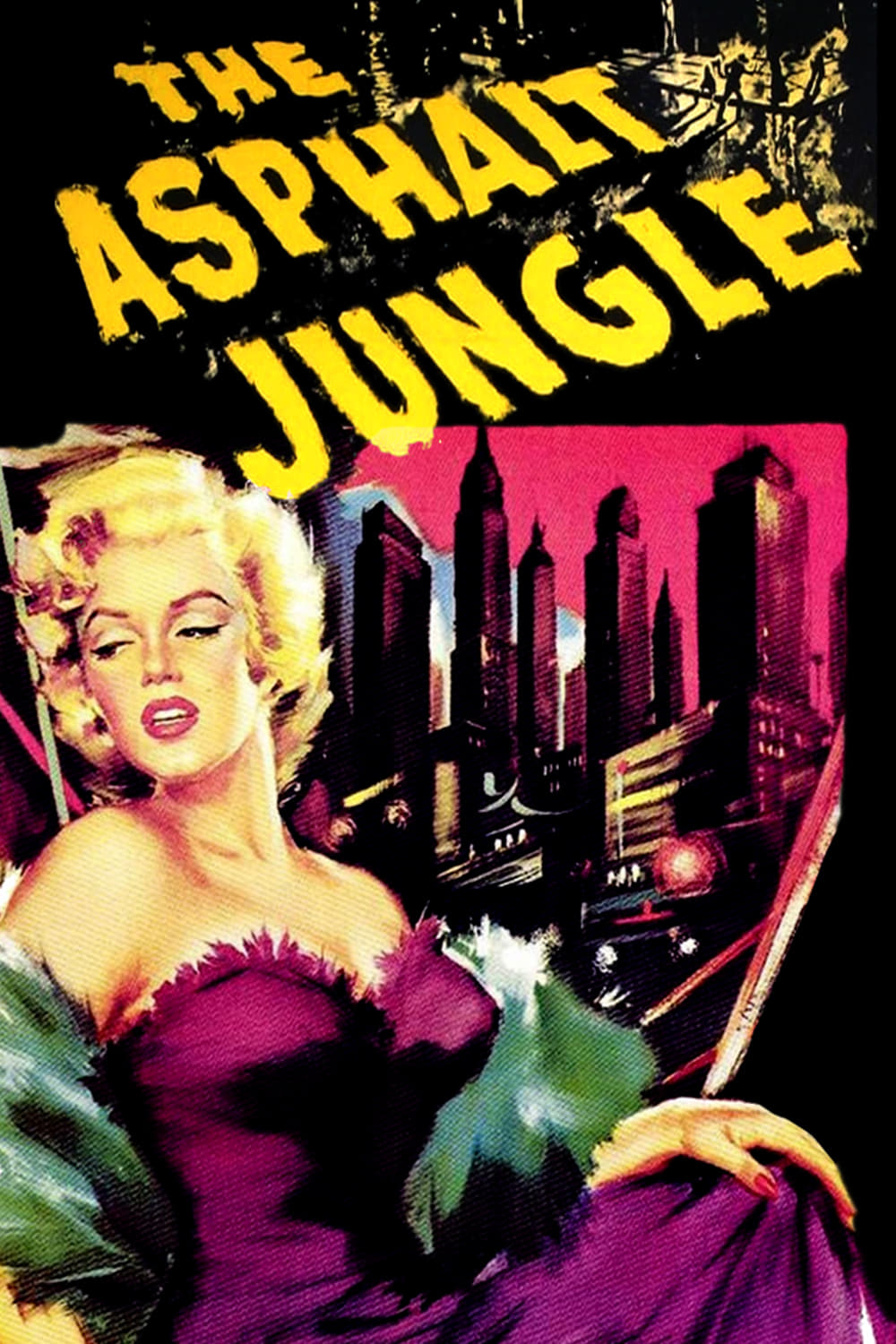
The Asphalt Jungle
1950 film by John Huston
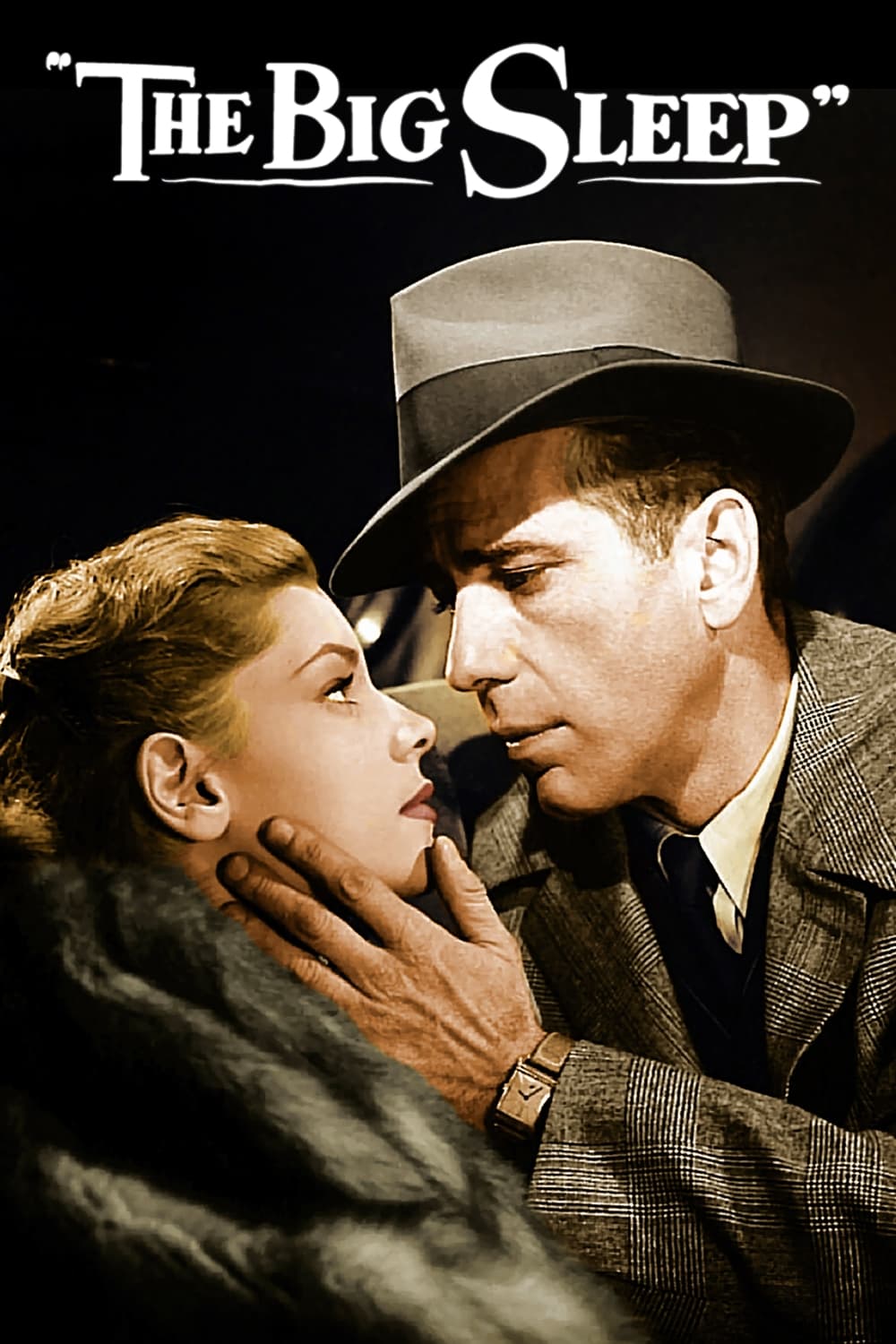
The Big Sleep
1946 film by Howard Hawks
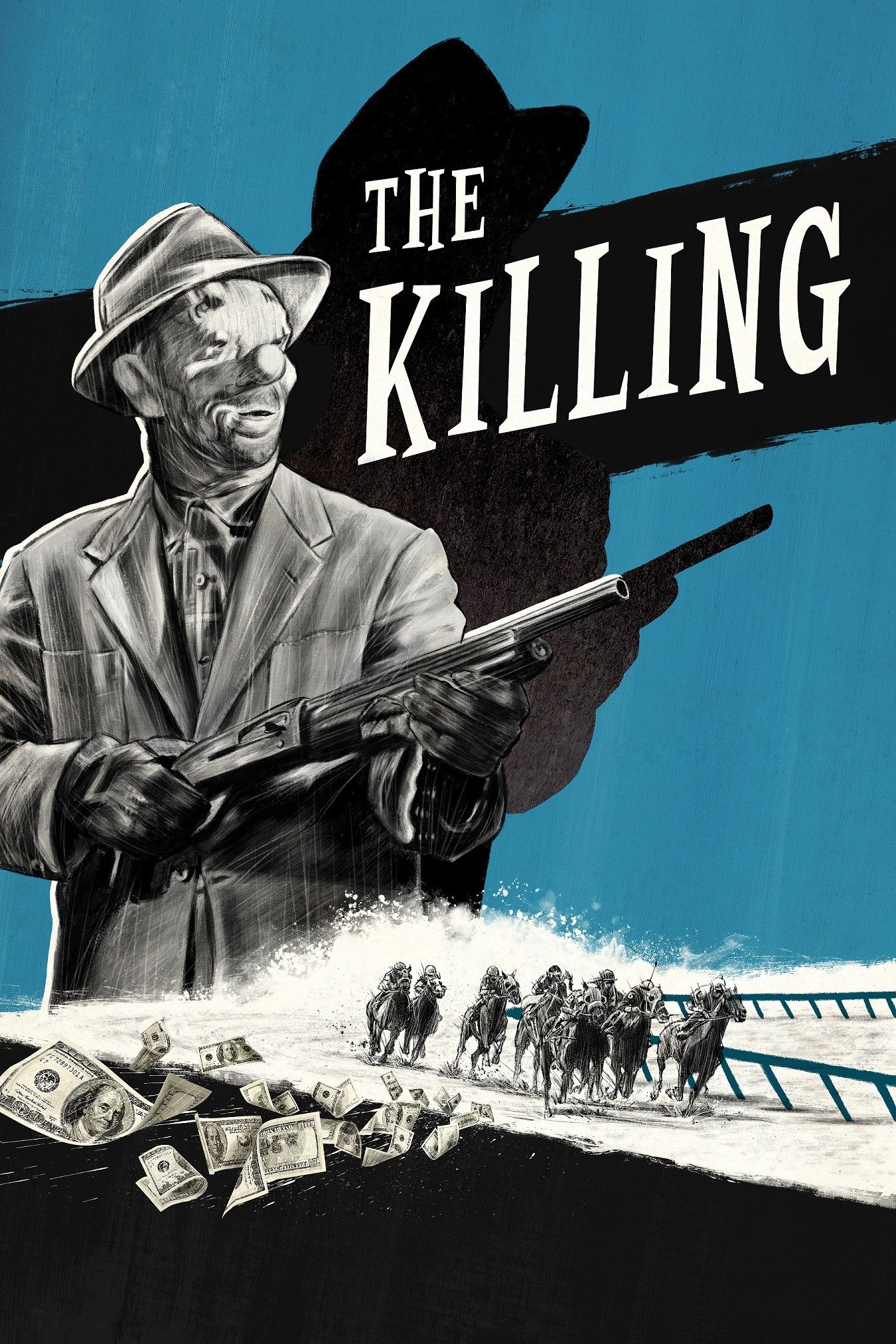
The Killing
1956 film by Stanley Kubrick

Gilda
1946 film by Charles Vidor

The Wages of Fear
1953 film directed by Henri-Georges Clouzot
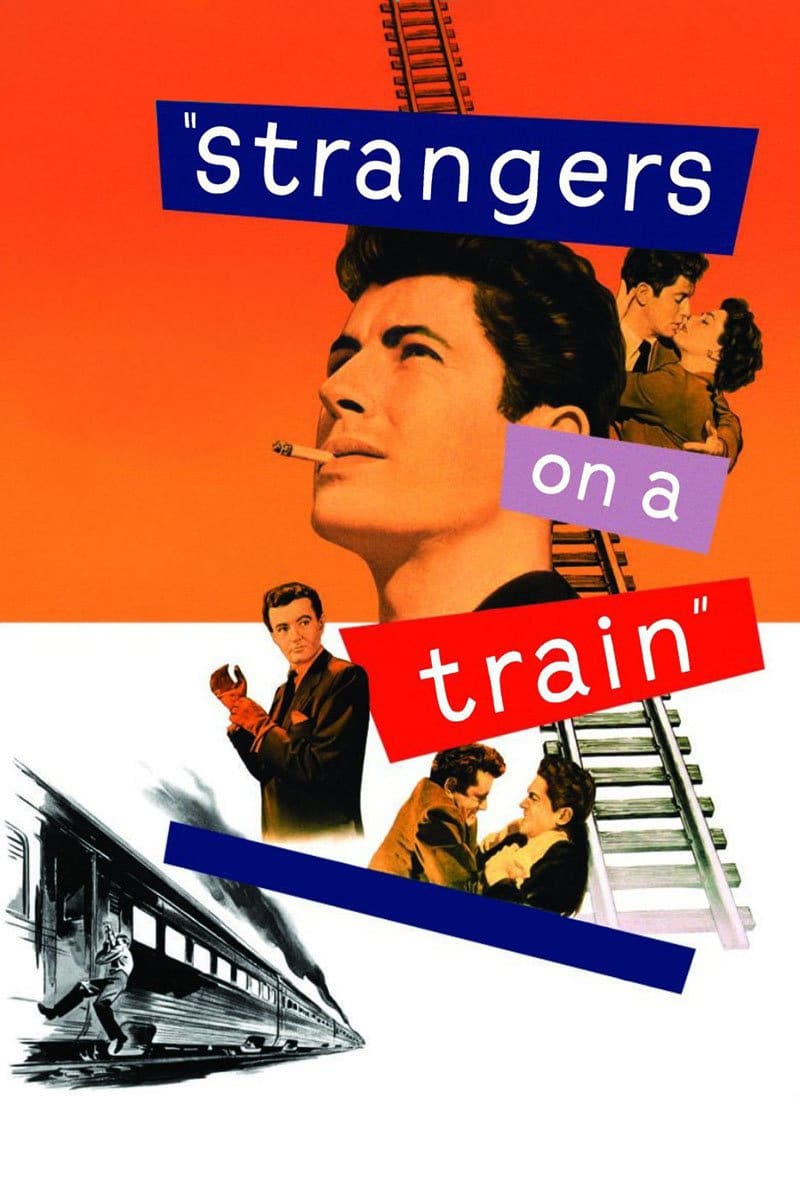
Strangers on a Train
1951 film by Alfred Hitchcock

Mildred Pierce
1945 film by Michael Curtiz
%20-%20Lobby%20Card.jpg)
neo-noir
thumb|upright=1.1|Lobby card for David Lynch's Blue Velvet (1986), an example of neo-noir.
Neo-noir is a film genre from the 1970s, in the era of New Hollywood, which is primarily associated with the subversion and visual style of classic film noir tropes, adapting the themes of 1940s and 1950s American film noir for contemporary audiences, often with vibrant colors and high-contrast, more graphic depictions of violence or sexuality, thematic motifs, and nonlinear narrative or editing.
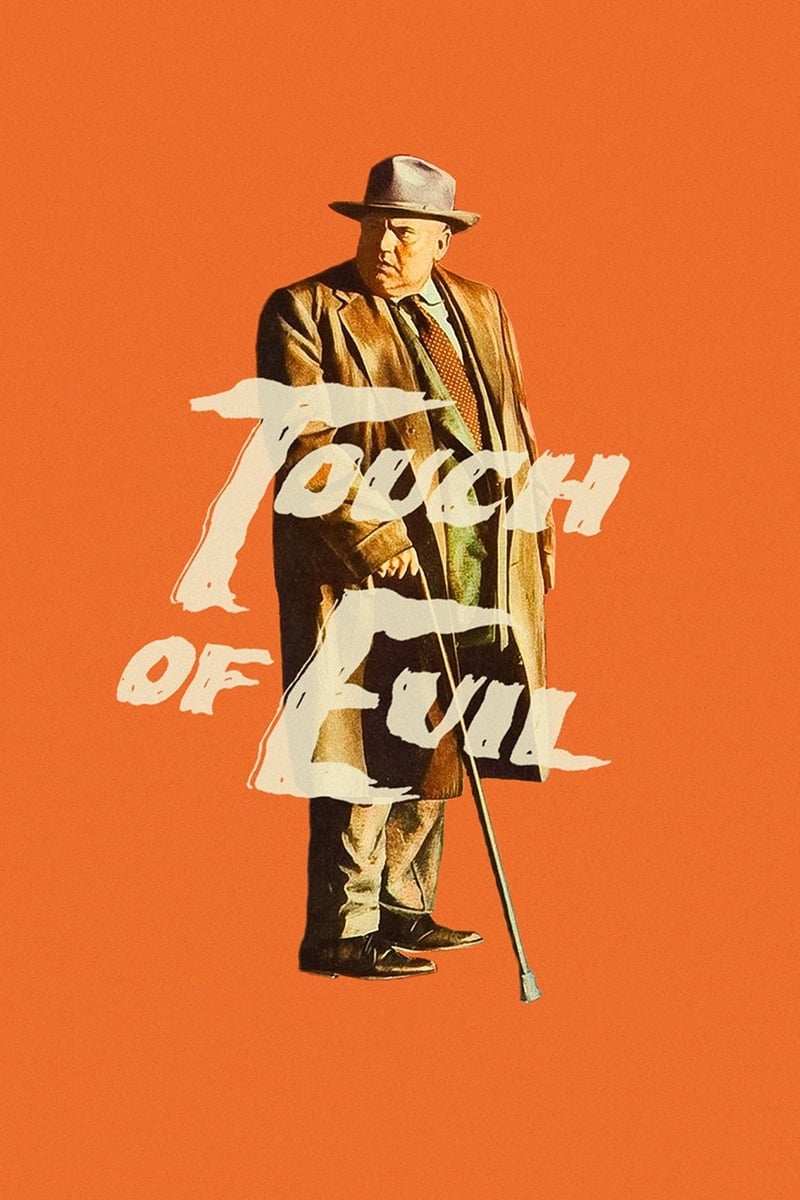
Touch of Evil
1958 film by Orson Welles
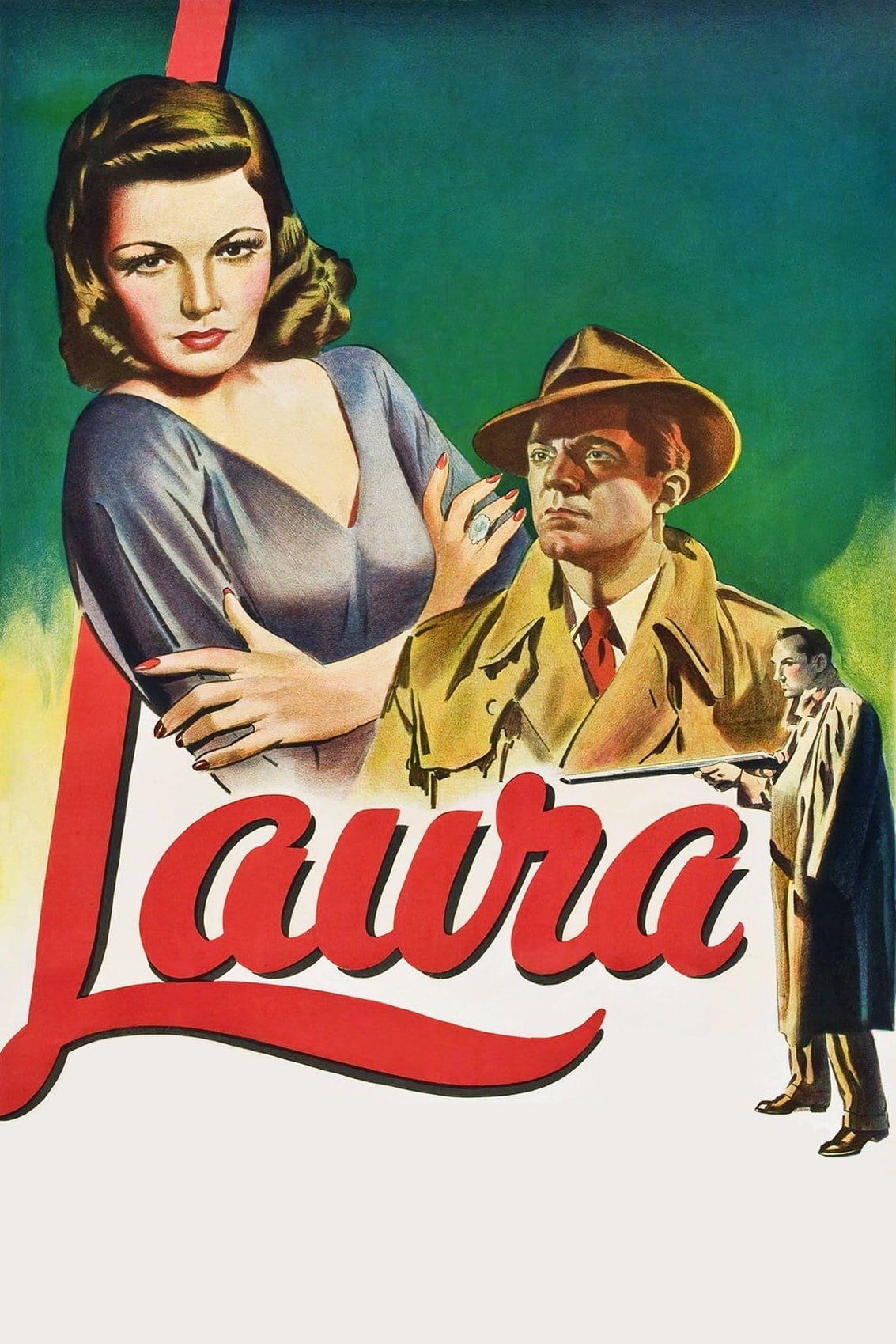
Laura
1944 film directed by Otto Preminger
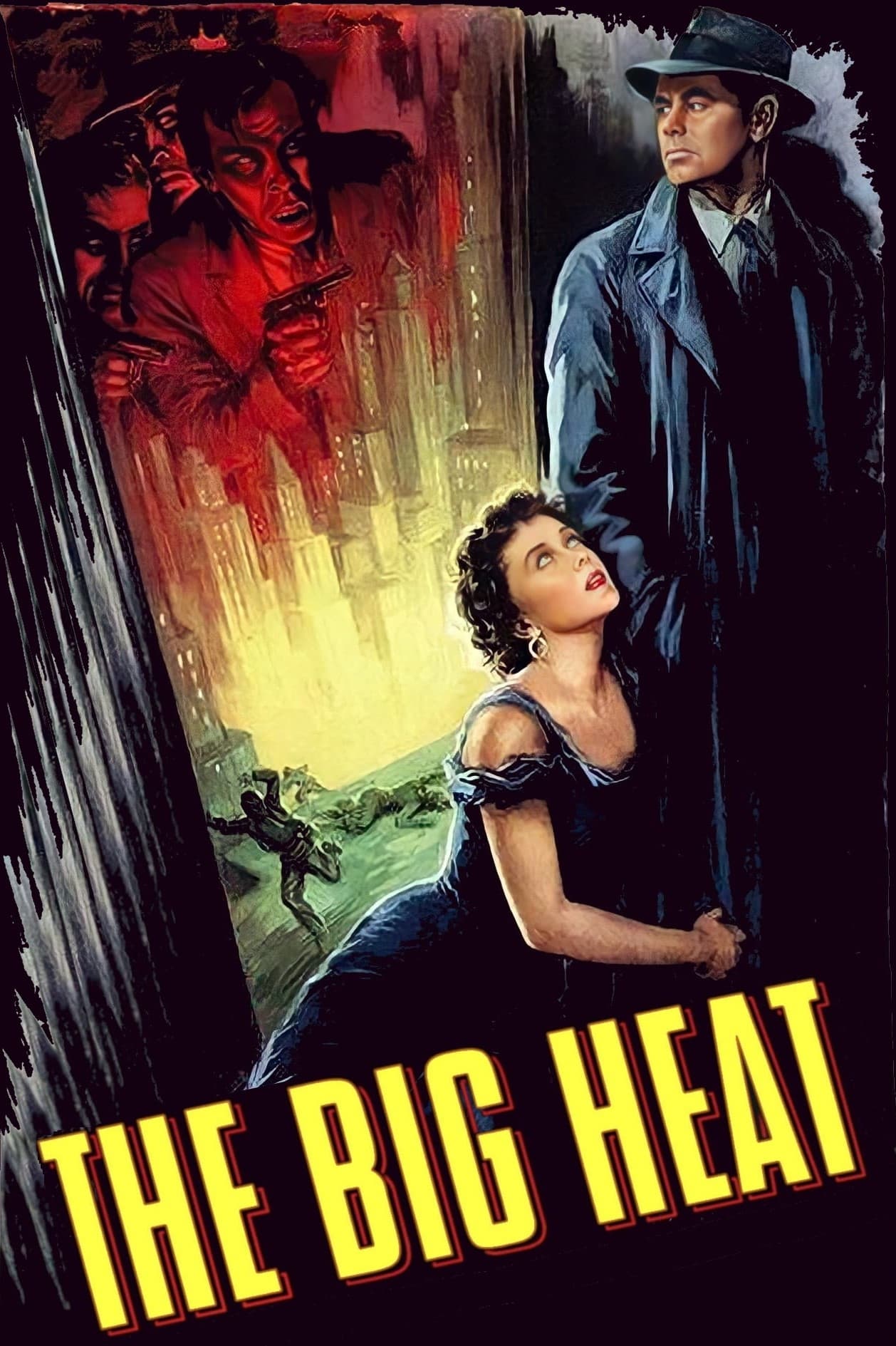
The Big Heat
1953 film by Fritz Lang
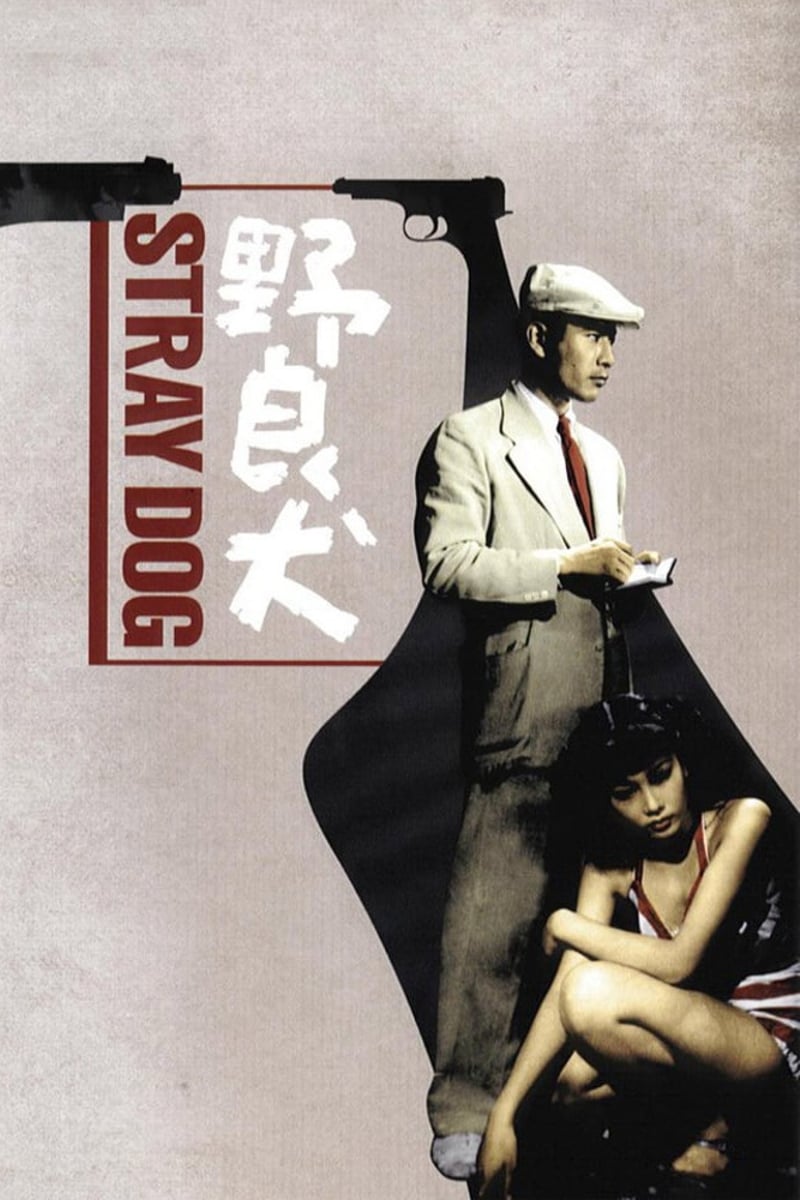
Stray Dog
1949 film by Akira Kurosawa
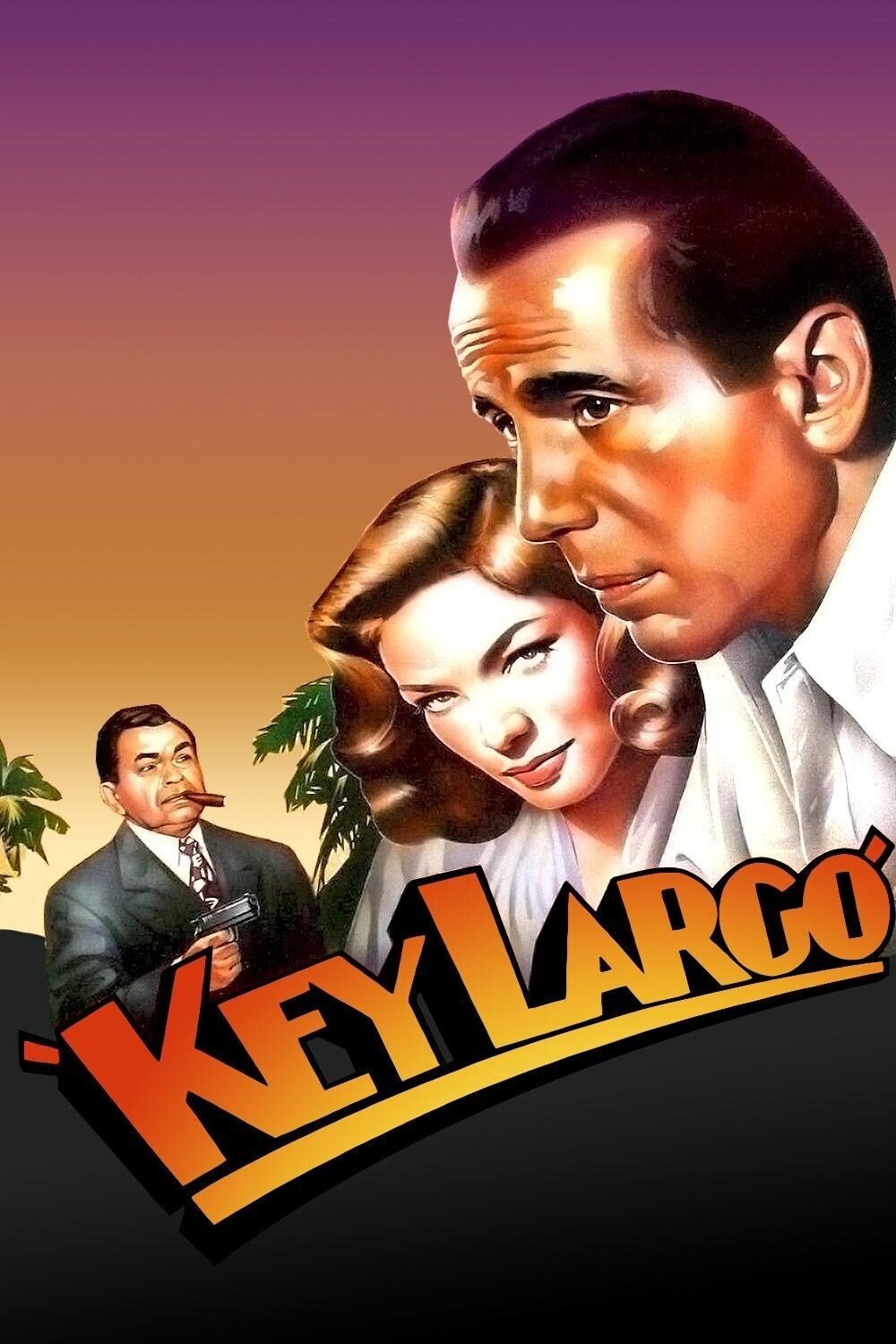
Key Largo
1948 film by John Huston
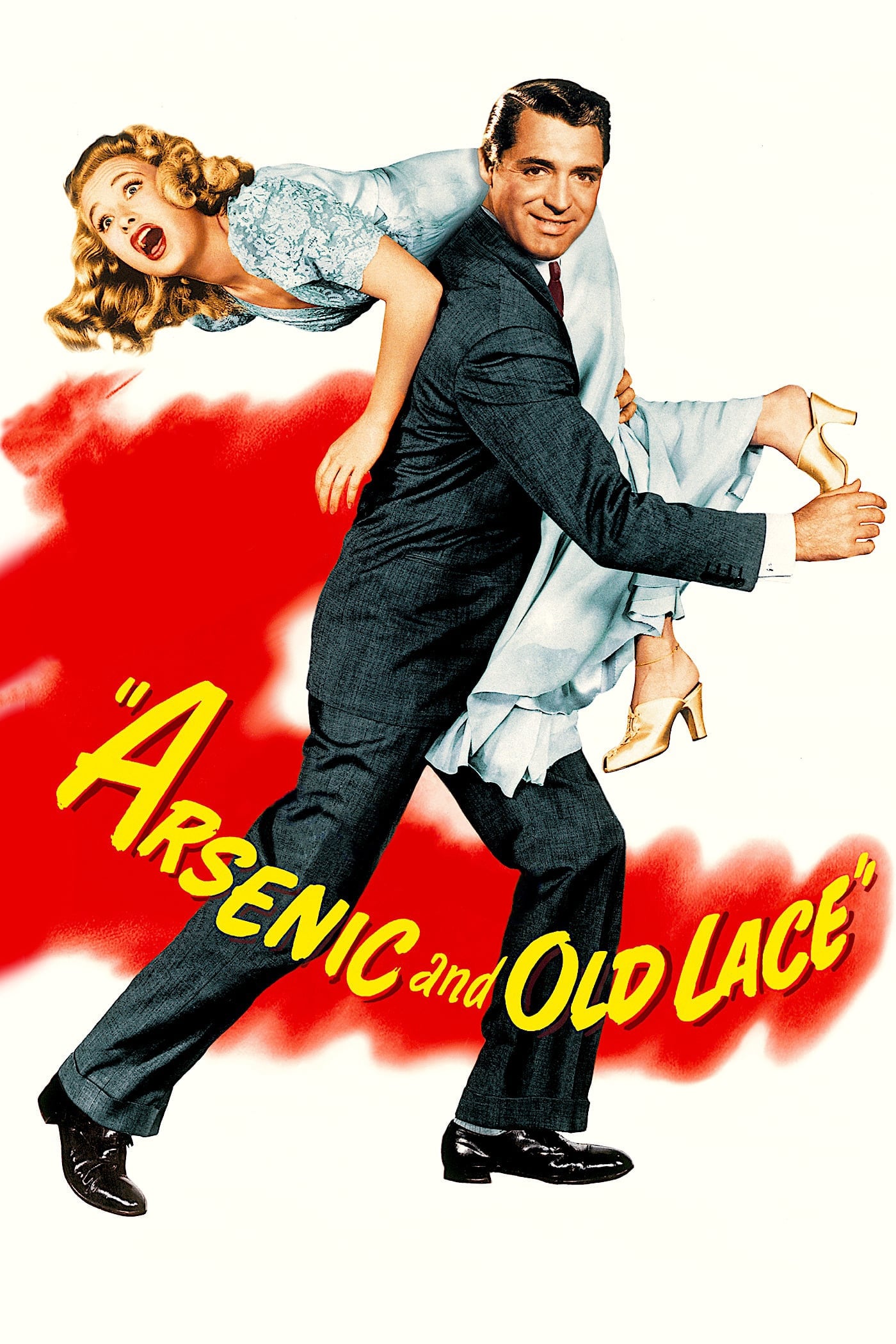
Arsenic and Old Lace
1944 film by Frank Capra
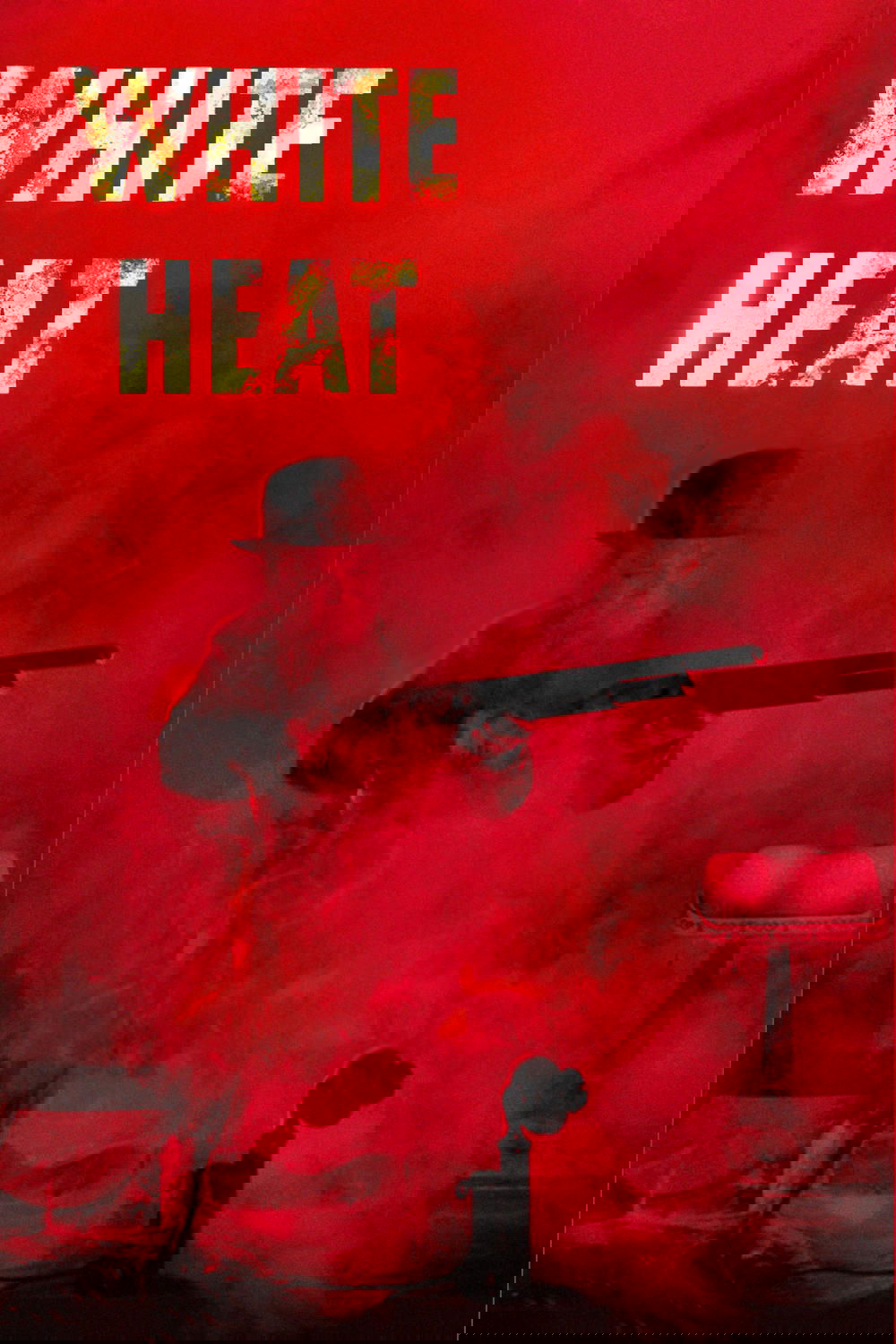
White Heat
1949 film by Raoul Walsh

The Lady from Shanghai
1947 film by Orson Welles
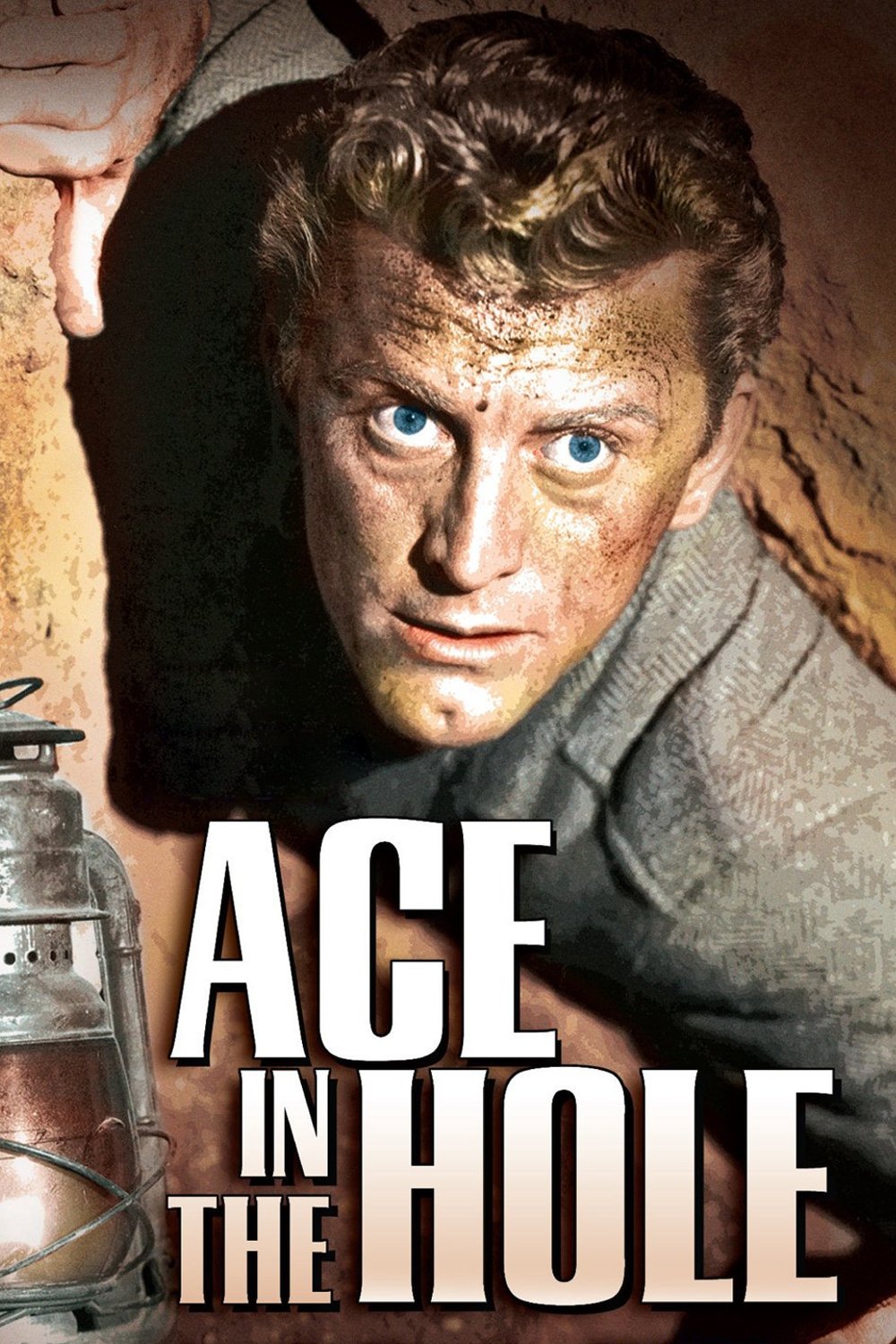
Ace in the Hole
1951 film directed by Billy Wilder
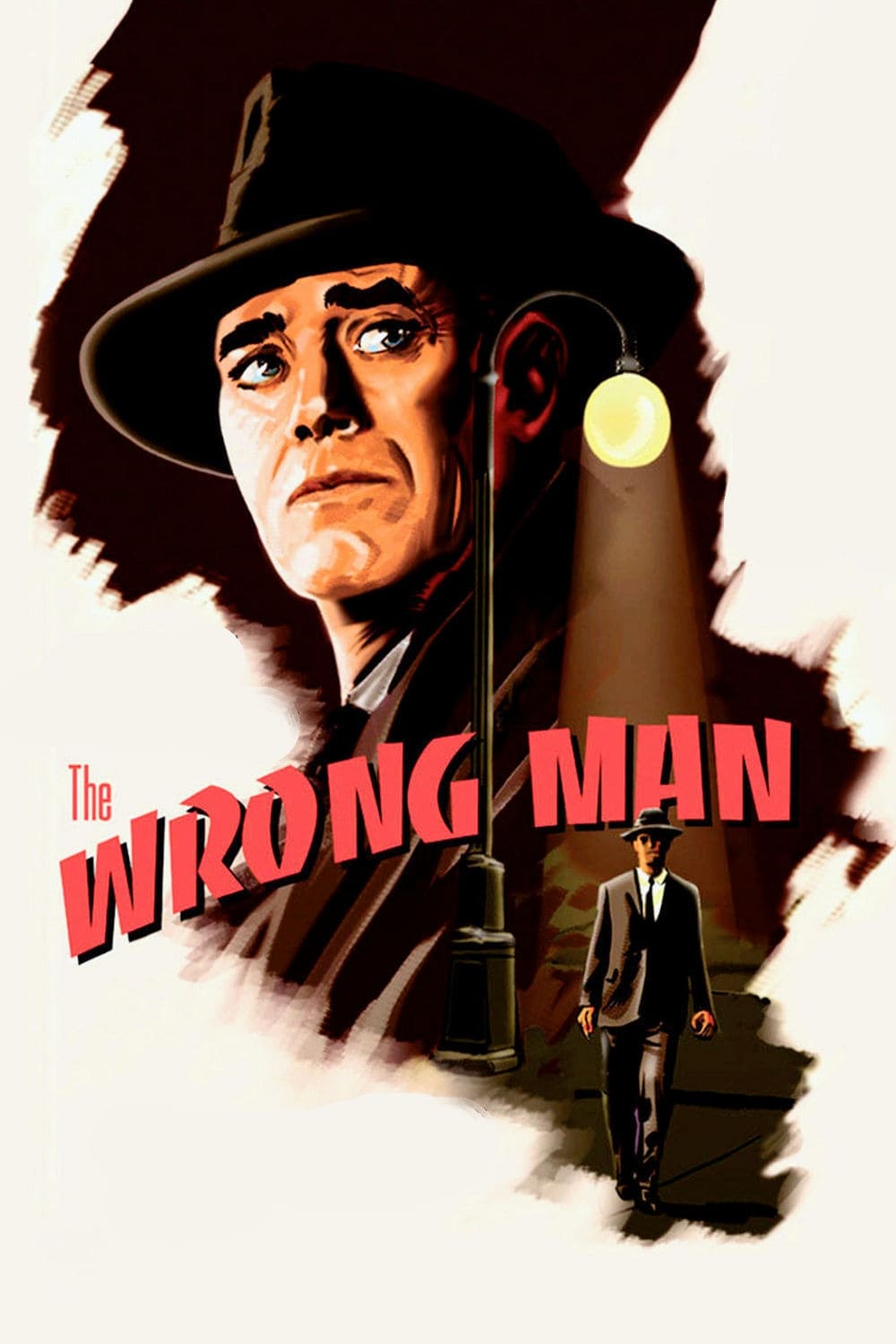
The Wrong Man
1956 film by Alfred Hitchcock
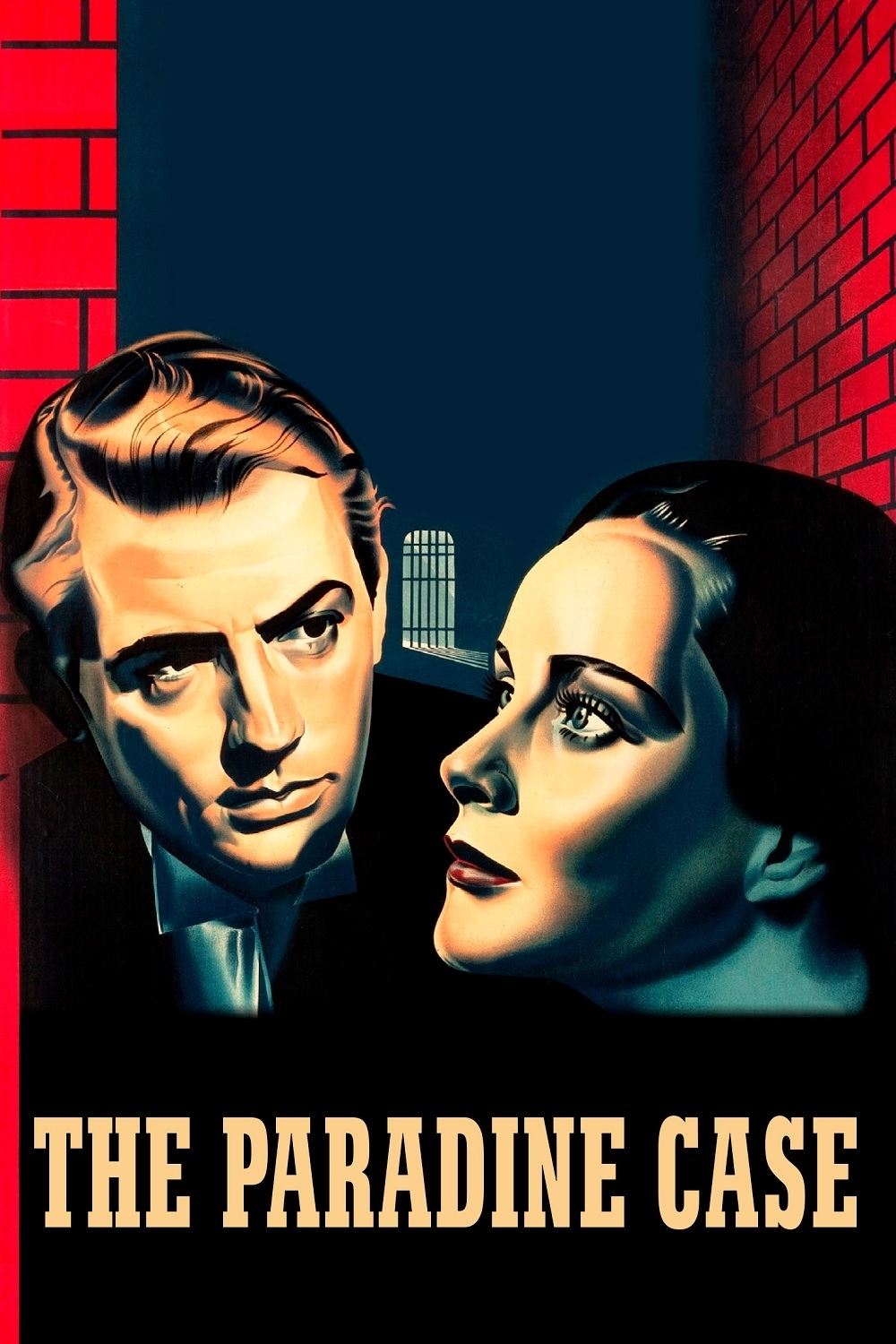
The Paradine Case
1947 film directed by Alfred Hitchcock
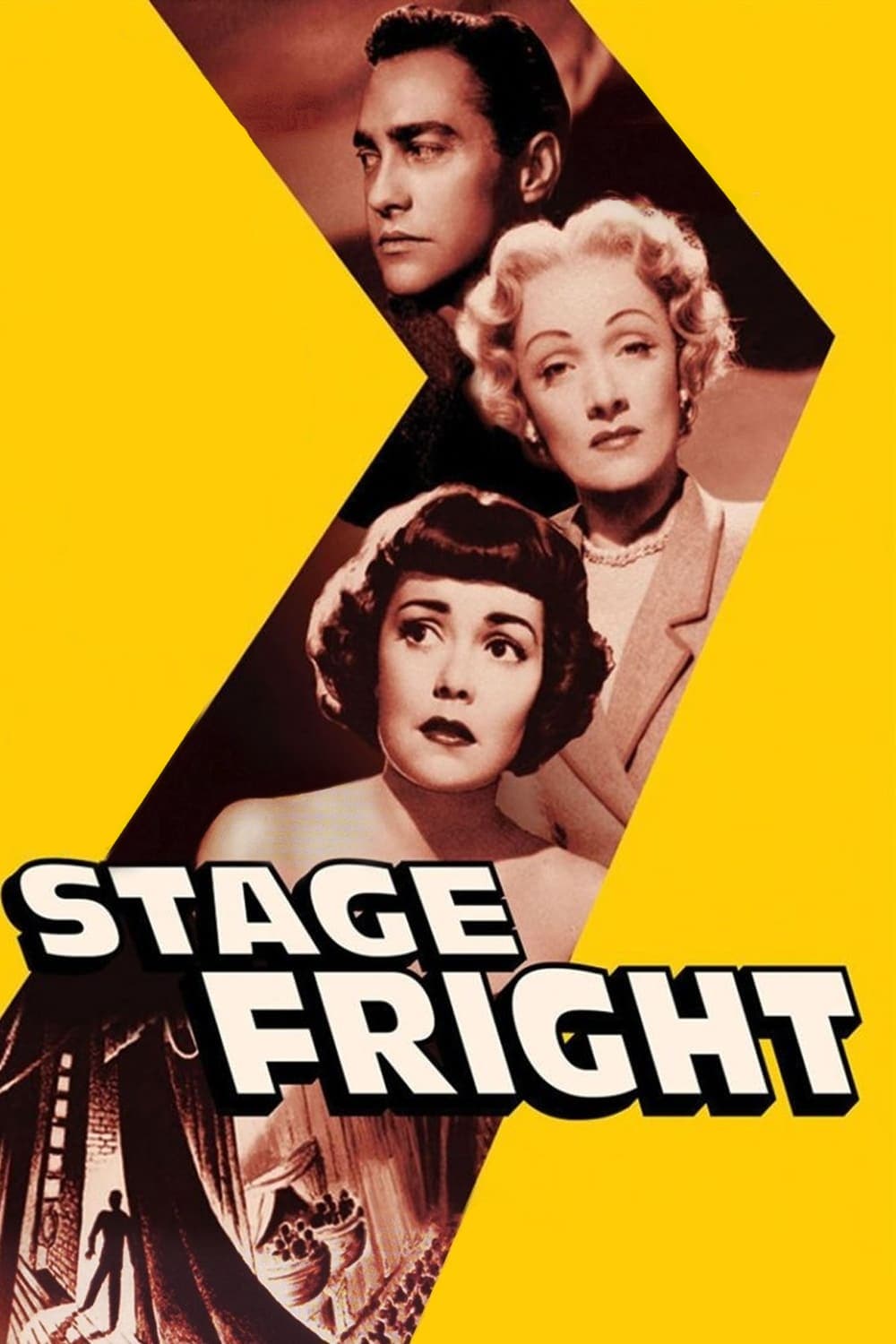
Stage Fright
1950 film by Alfred Hitchcock
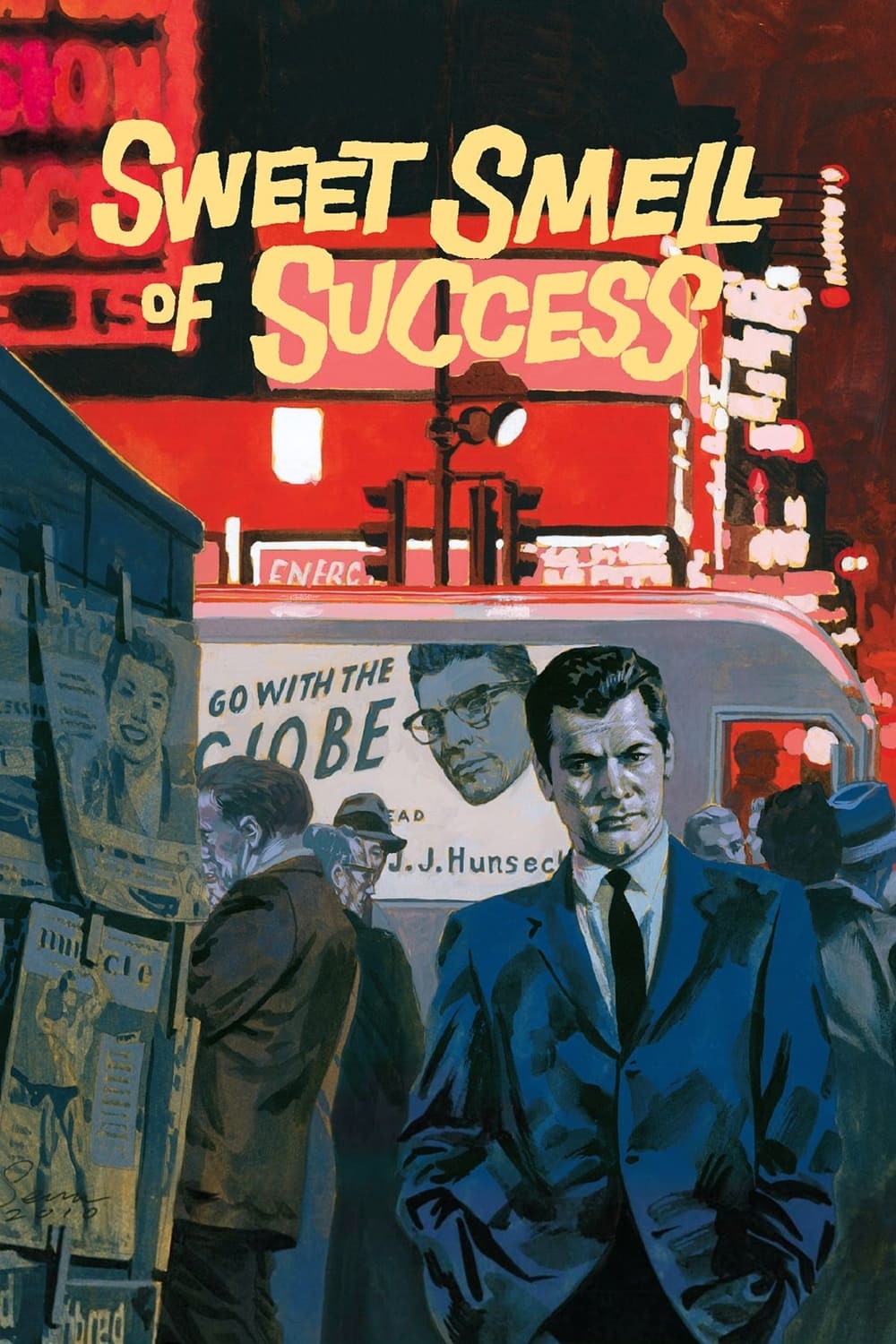
Sweet Smell of Success
1957 film by Alexander Mackendrick
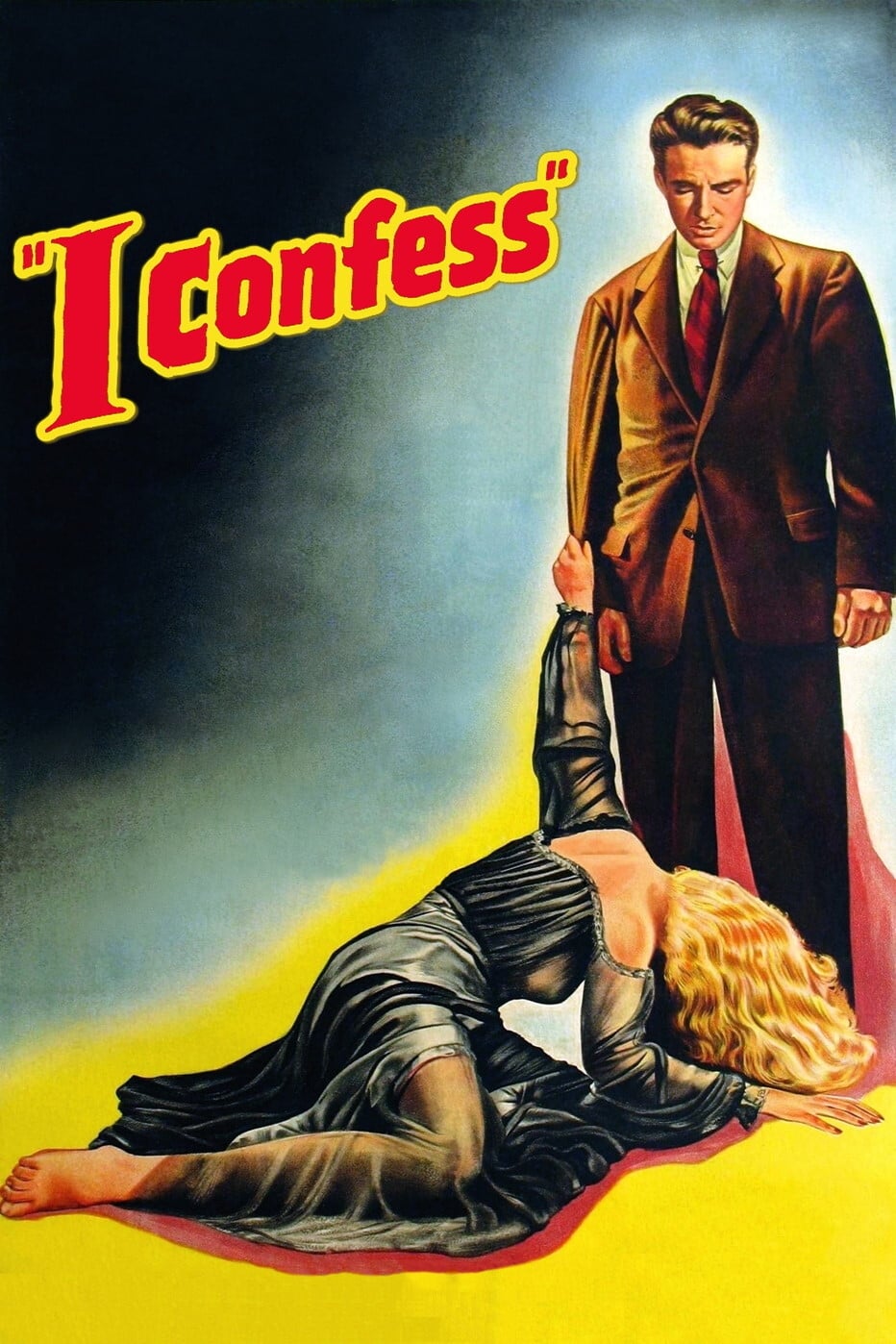
I Confess
1953 film by Alfred Hitchcock
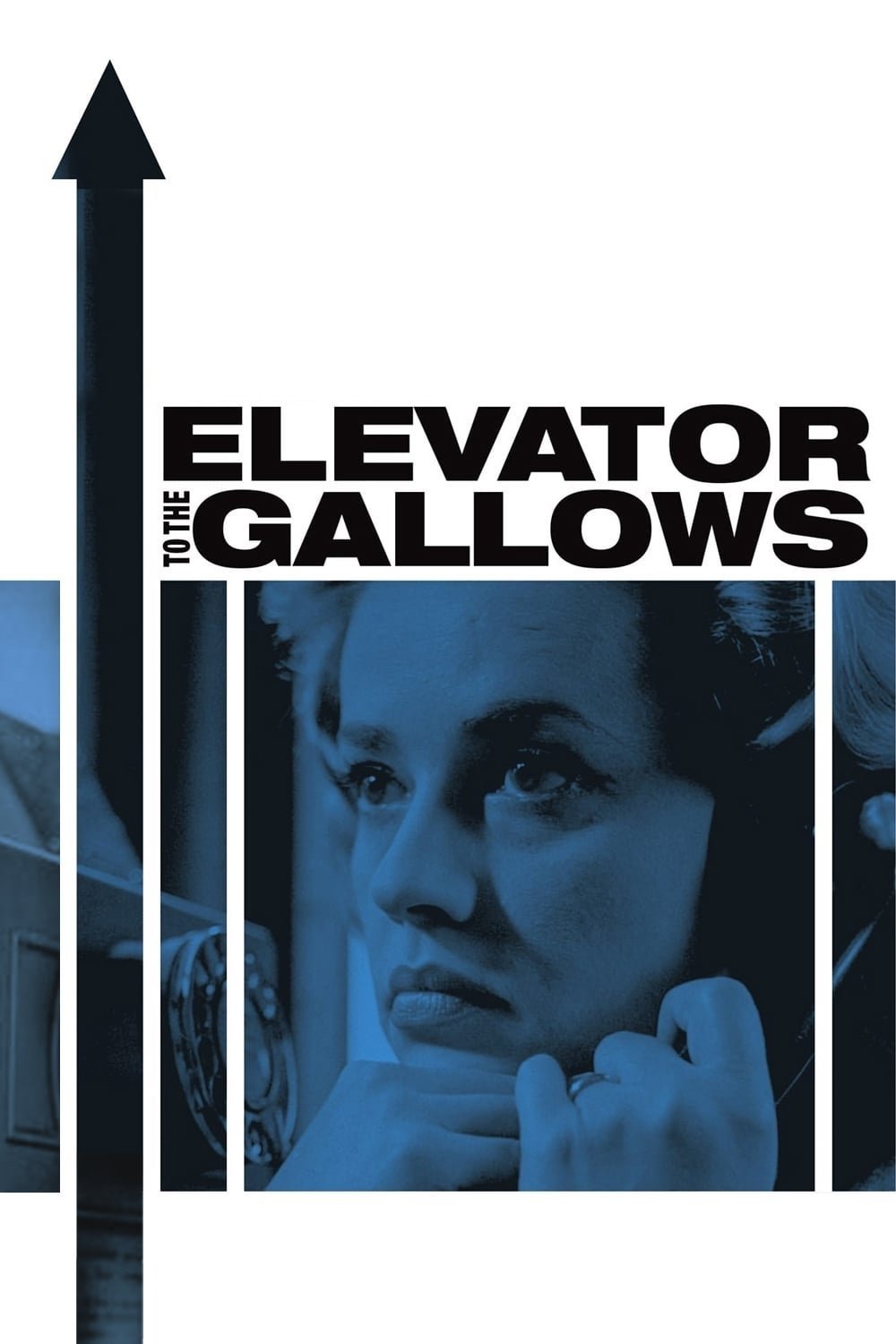
Elevator to the Gallows
1958 French film by Louis Malle
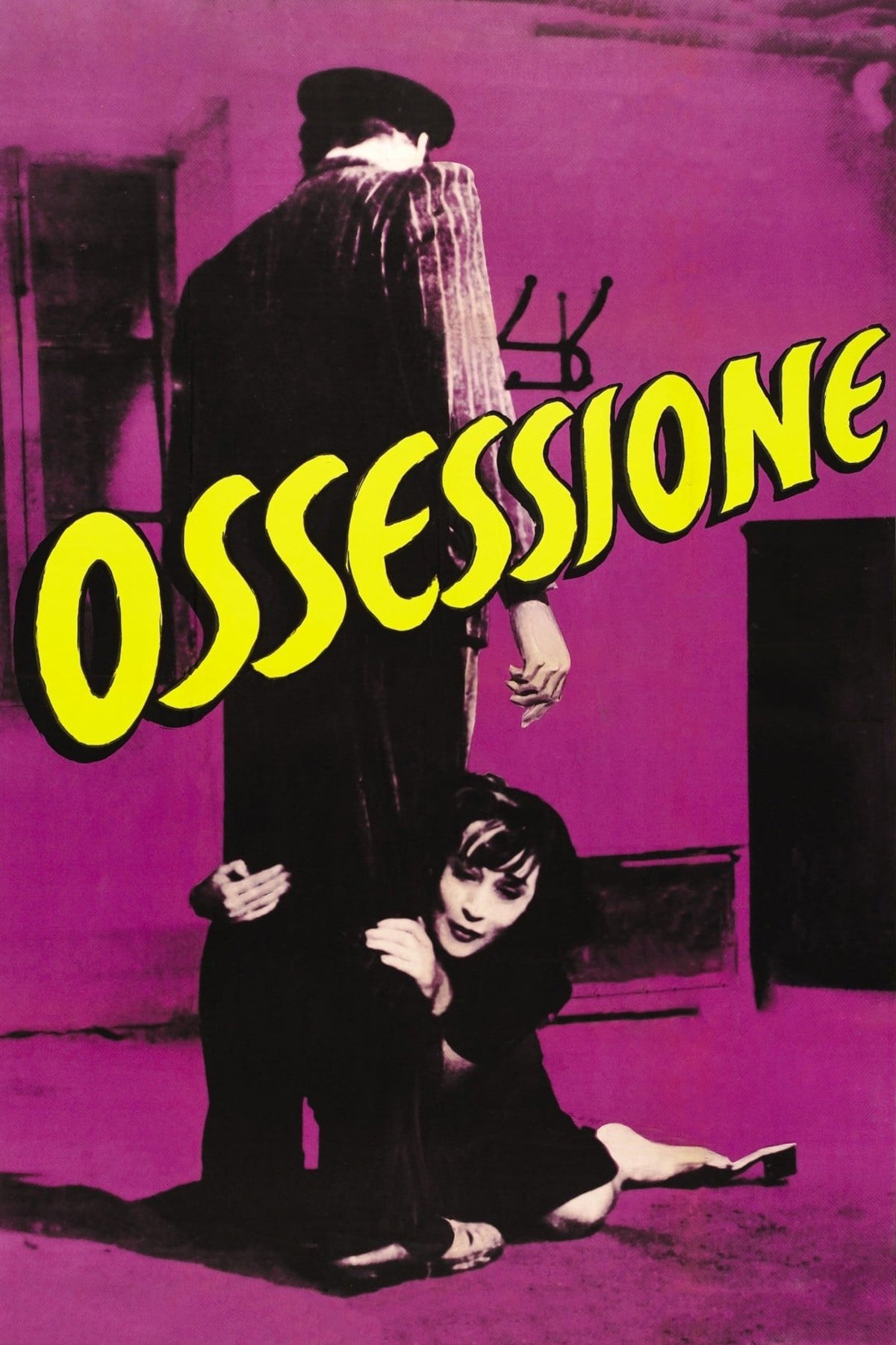
Ossessione
'''' (; "Obsession") is a 1943 Italian crime drama film directed and co-written by Luchino Visconti, in his directorial debut. It is an unauthorized and uncredited adaptation of the 1934 novel The Postman Always Rings Twice'' by American author James M. Cain, and stars Clara Calamai, Massimo Girotti, and Juan de Landa in the leading roles. It is often considered to be the first Italian neorealist film, though there is some debate about whether such a categorization is accurate.
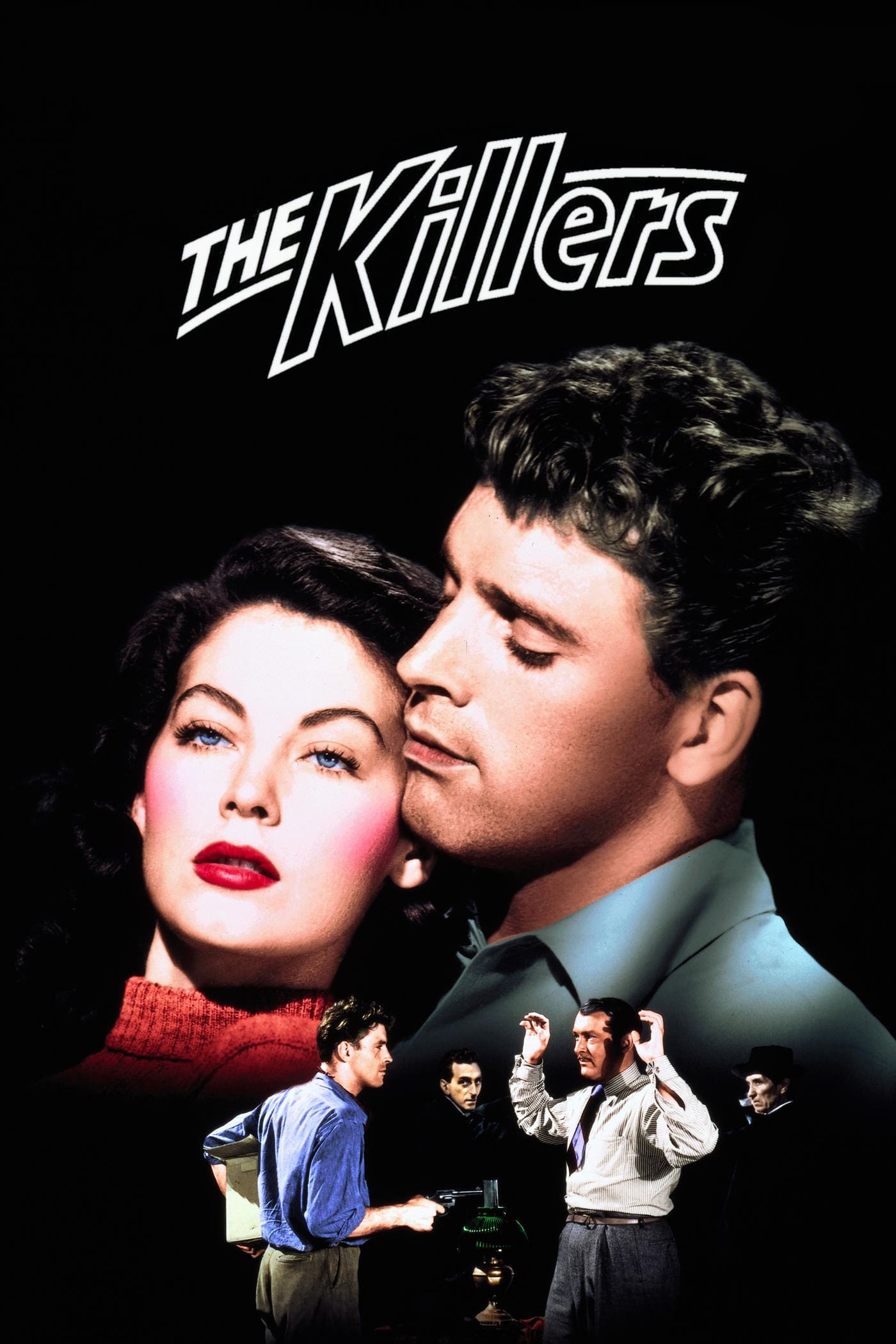
The Killers
1946 film by Robert Siodmak
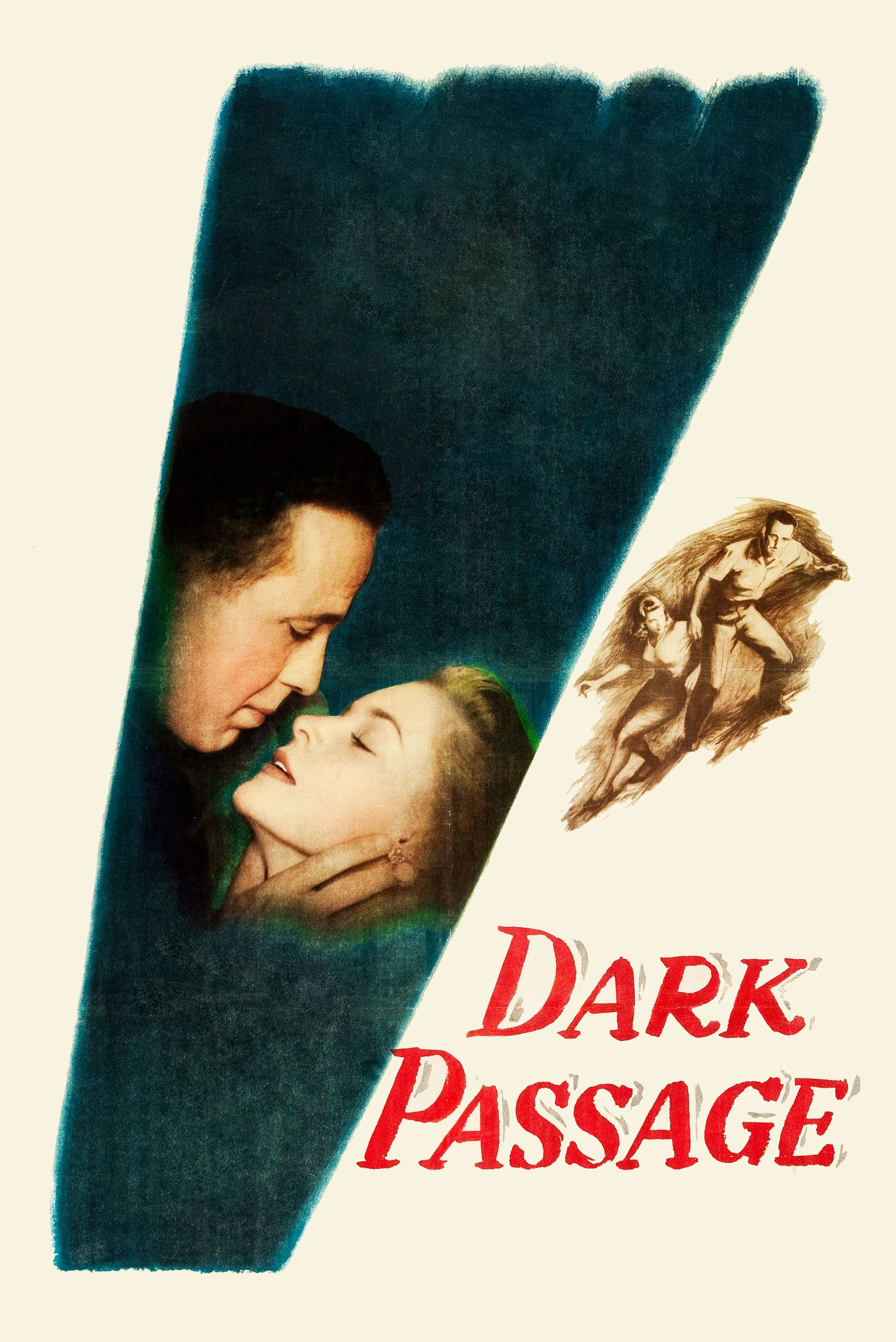
Dark Passage
1947 film by Delmer Daves

Killer's Kiss
1955 film by Stanley Kubrick
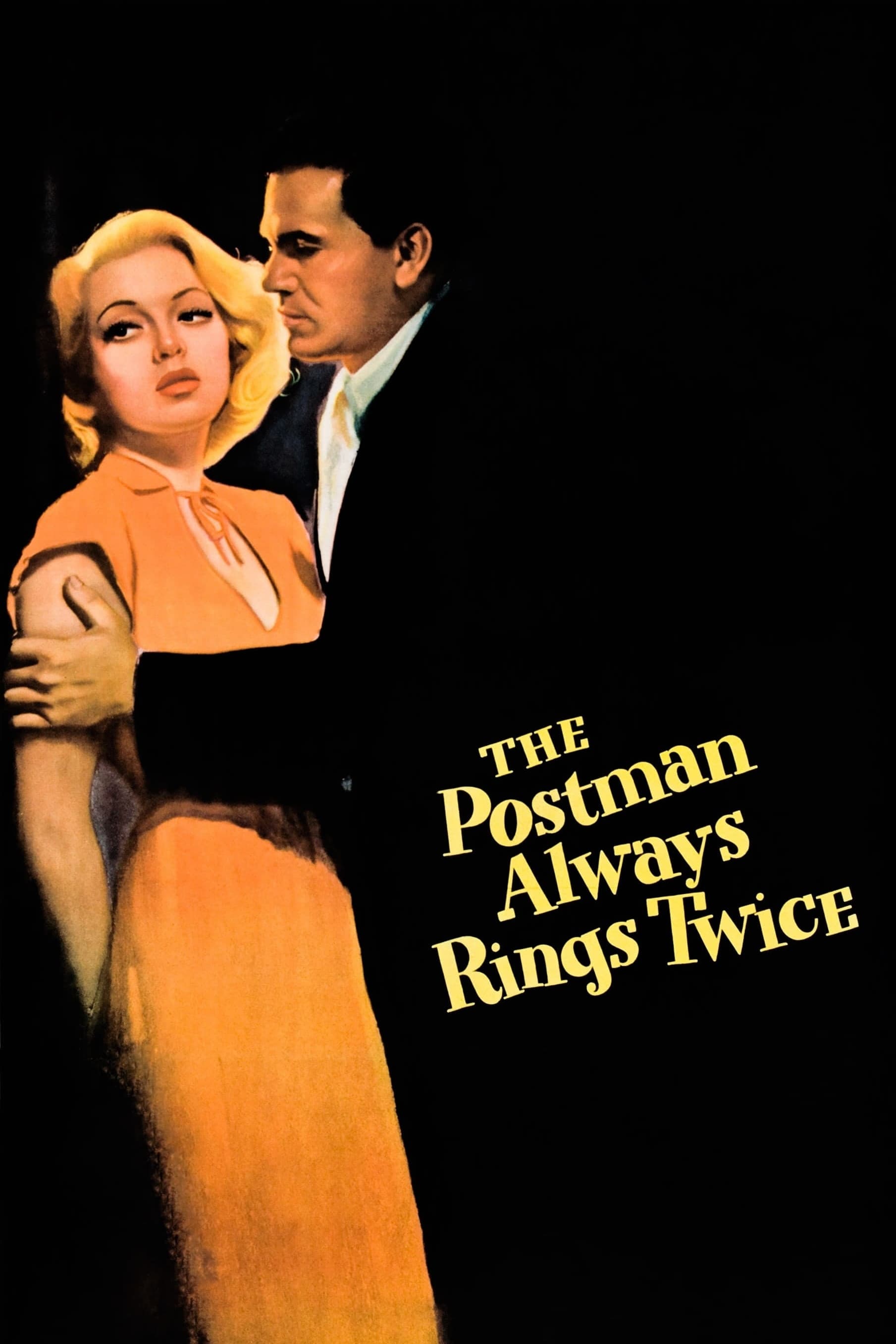
The Postman Always Rings Twice
1946 film by Tay Garnett
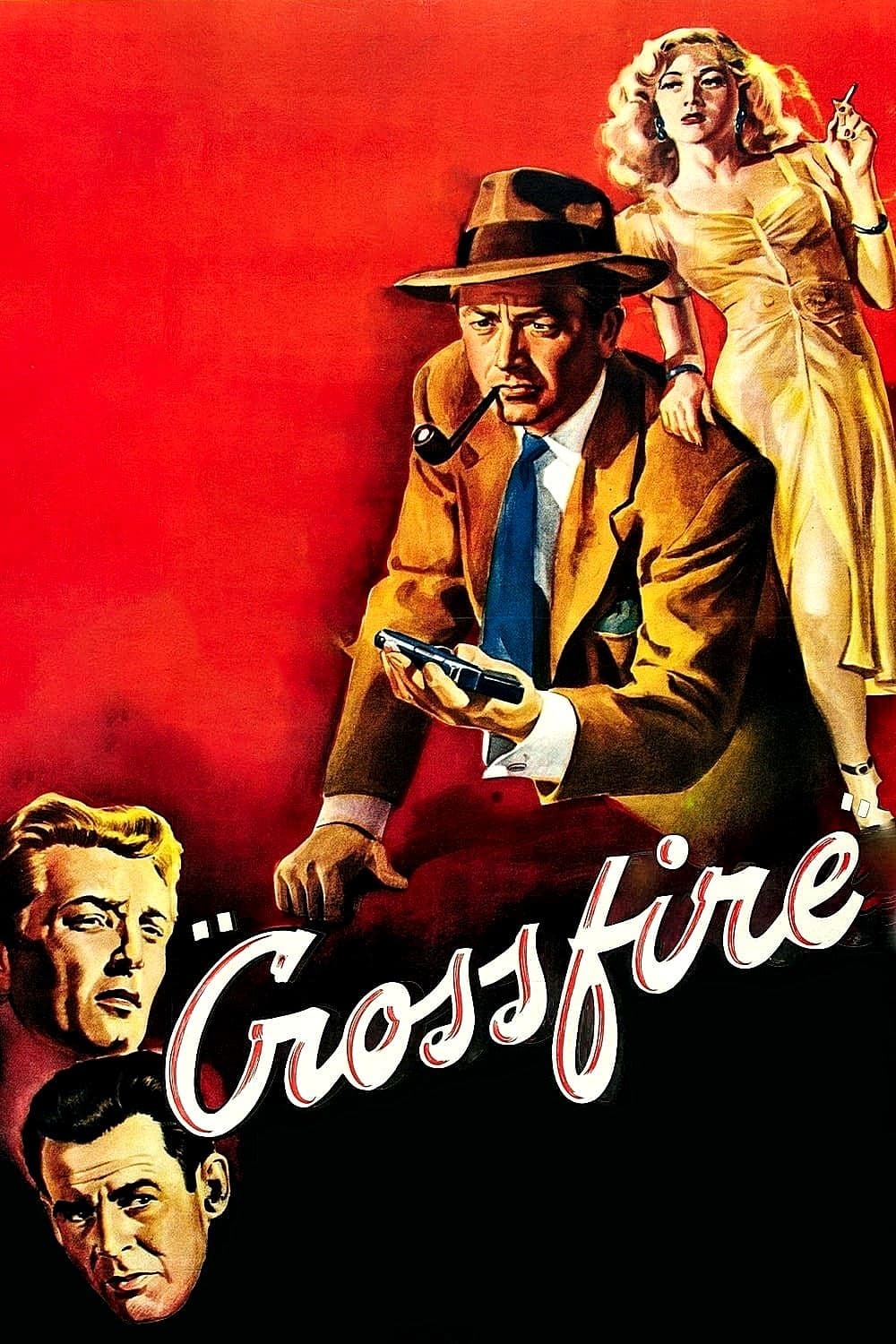
Crossfire
1947 film directed by Edward Dmytryk
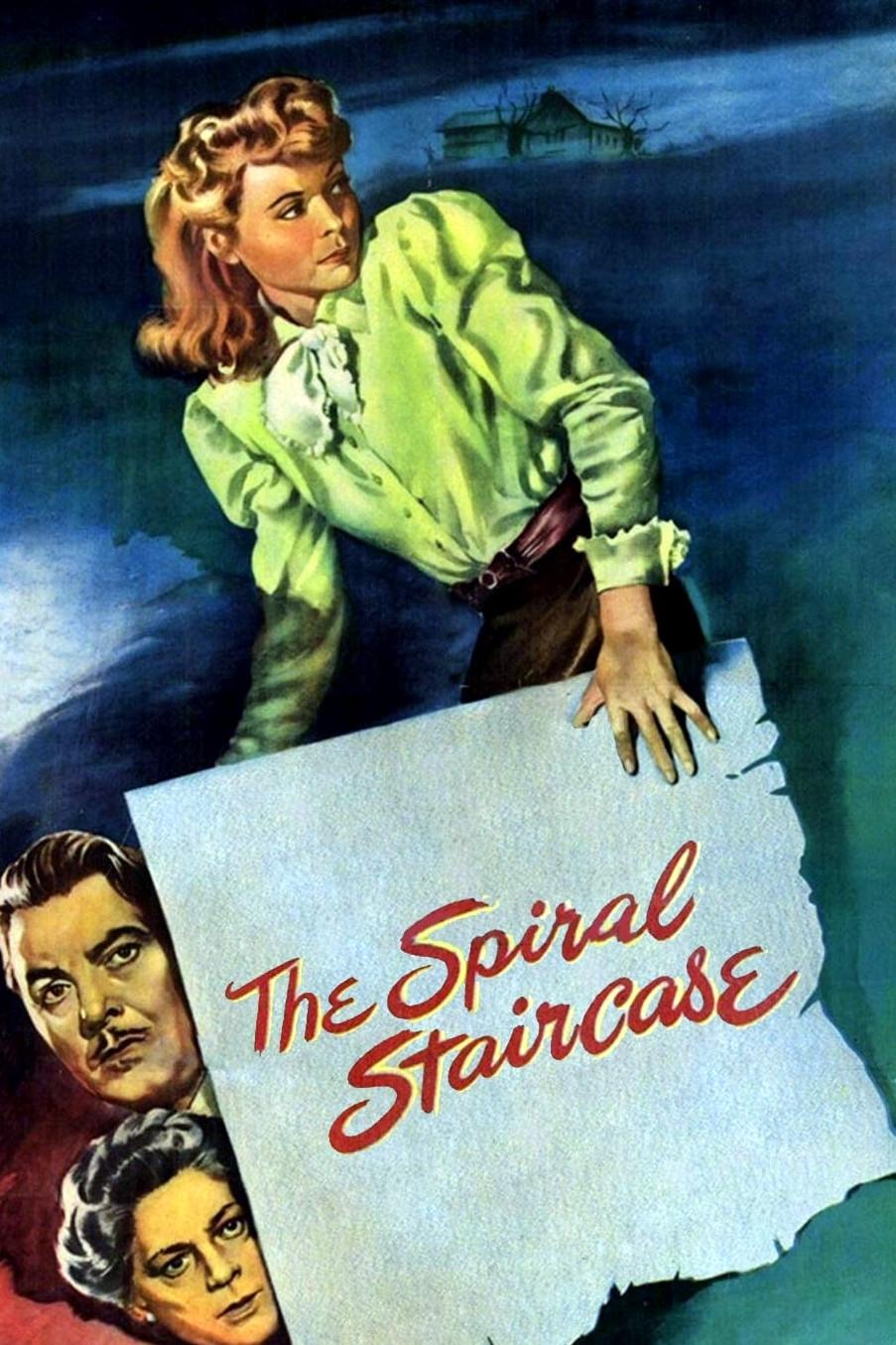
The Spiral Staircase
1946 film by Robert Siodmak
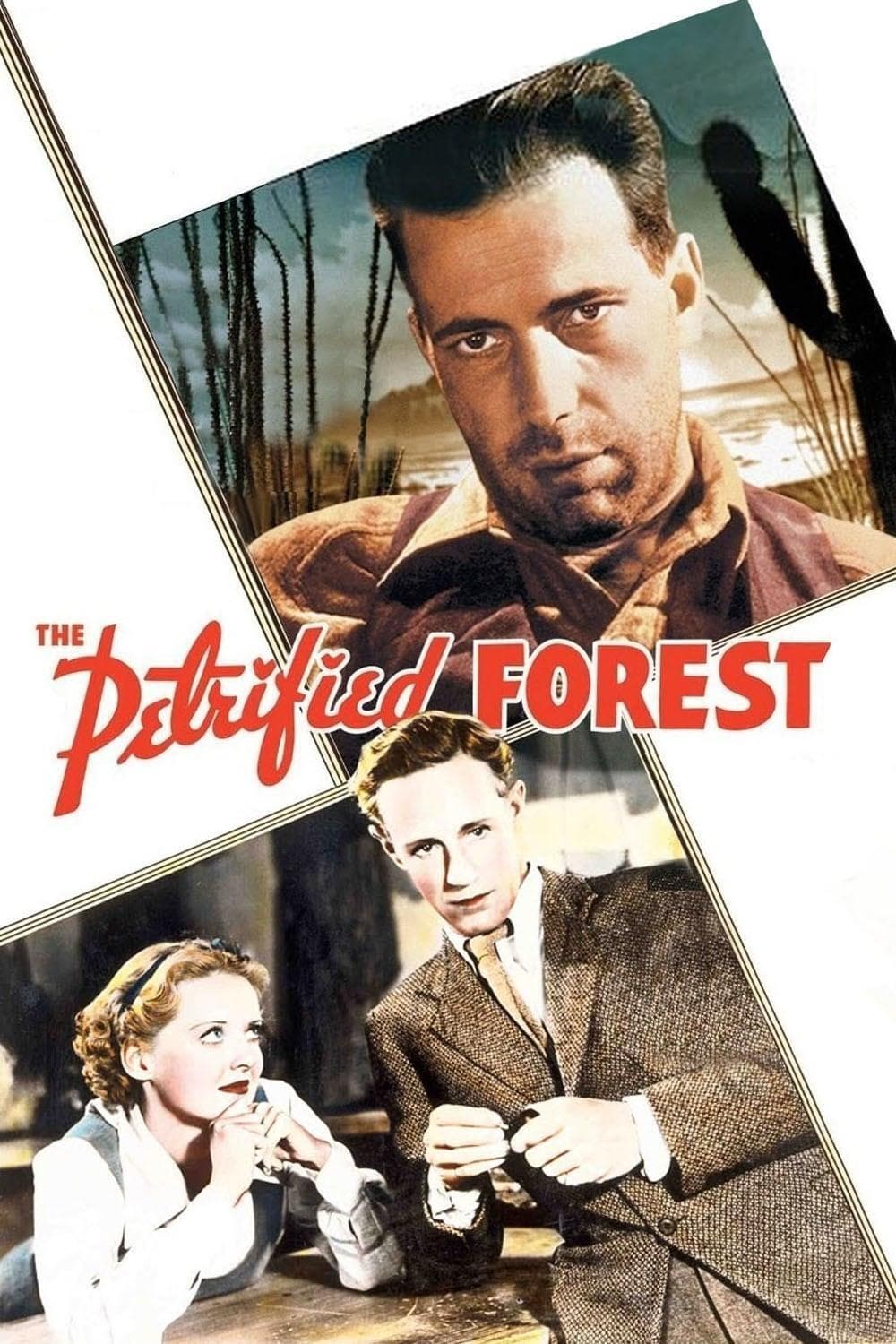
The Petrified Forest
1936 film by Archie Mayo
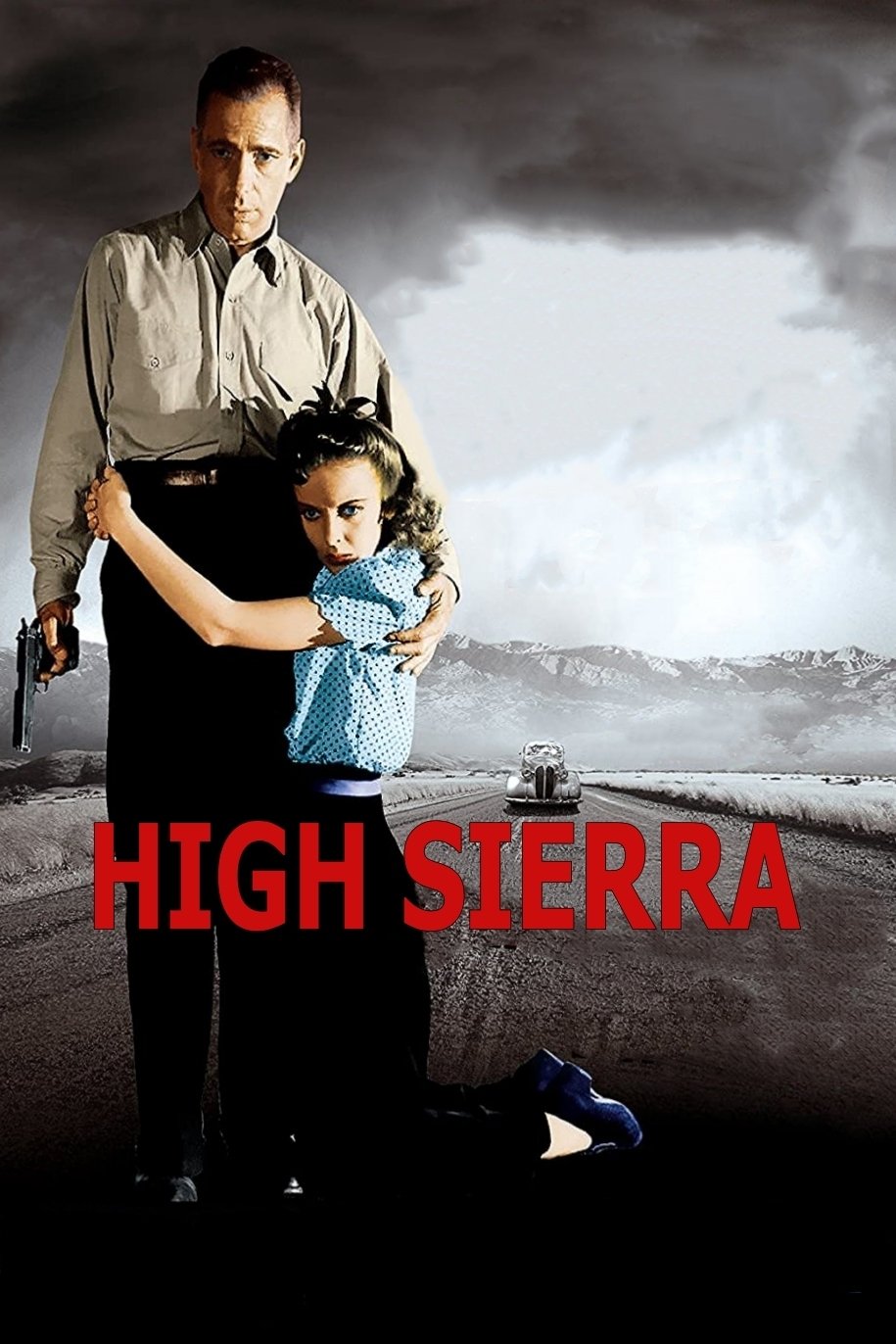
High Sierra
1941 film by Raoul Walsh
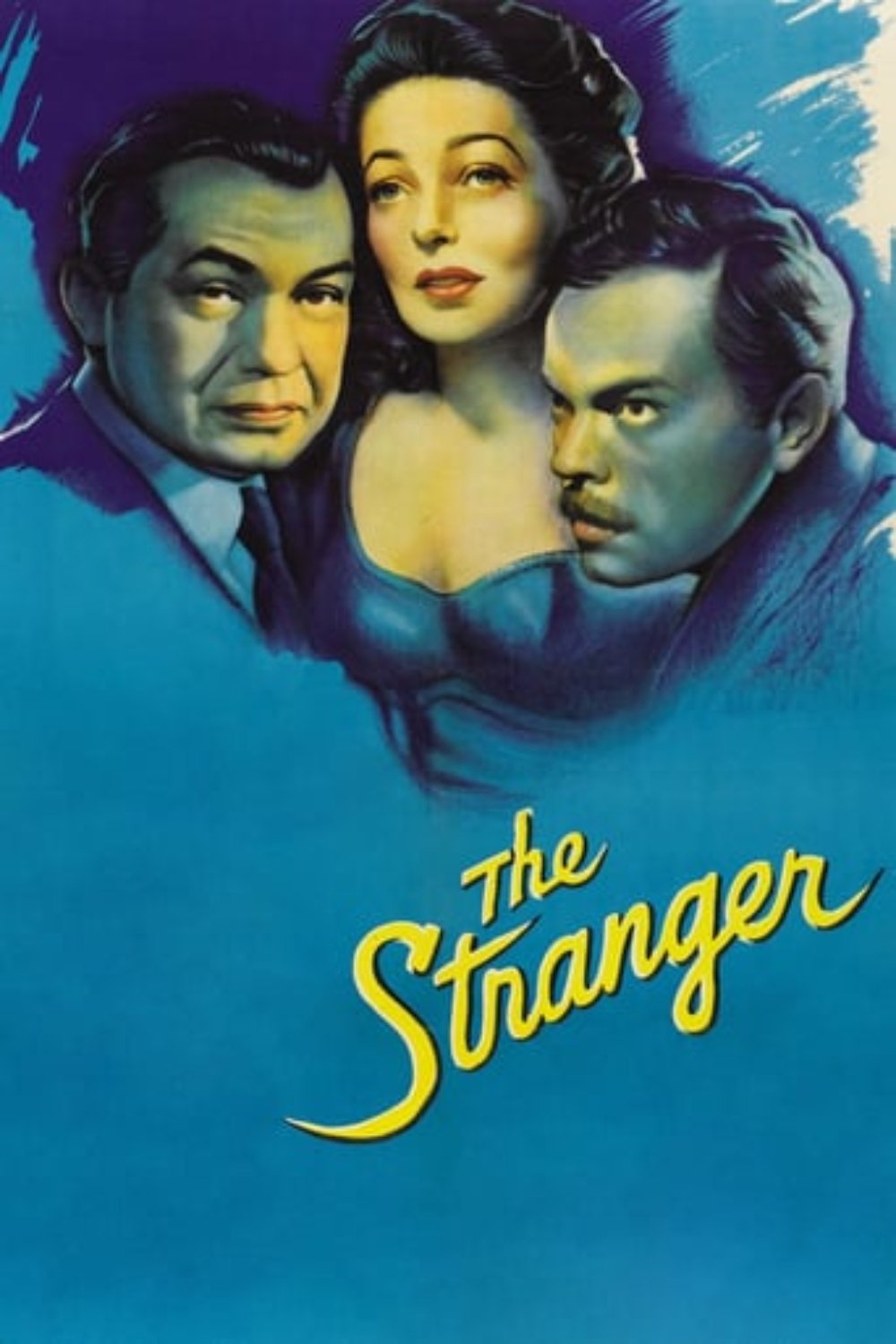
The Stranger
1946 film by Orson Welles
Sin City
comic books series by Frank Miller
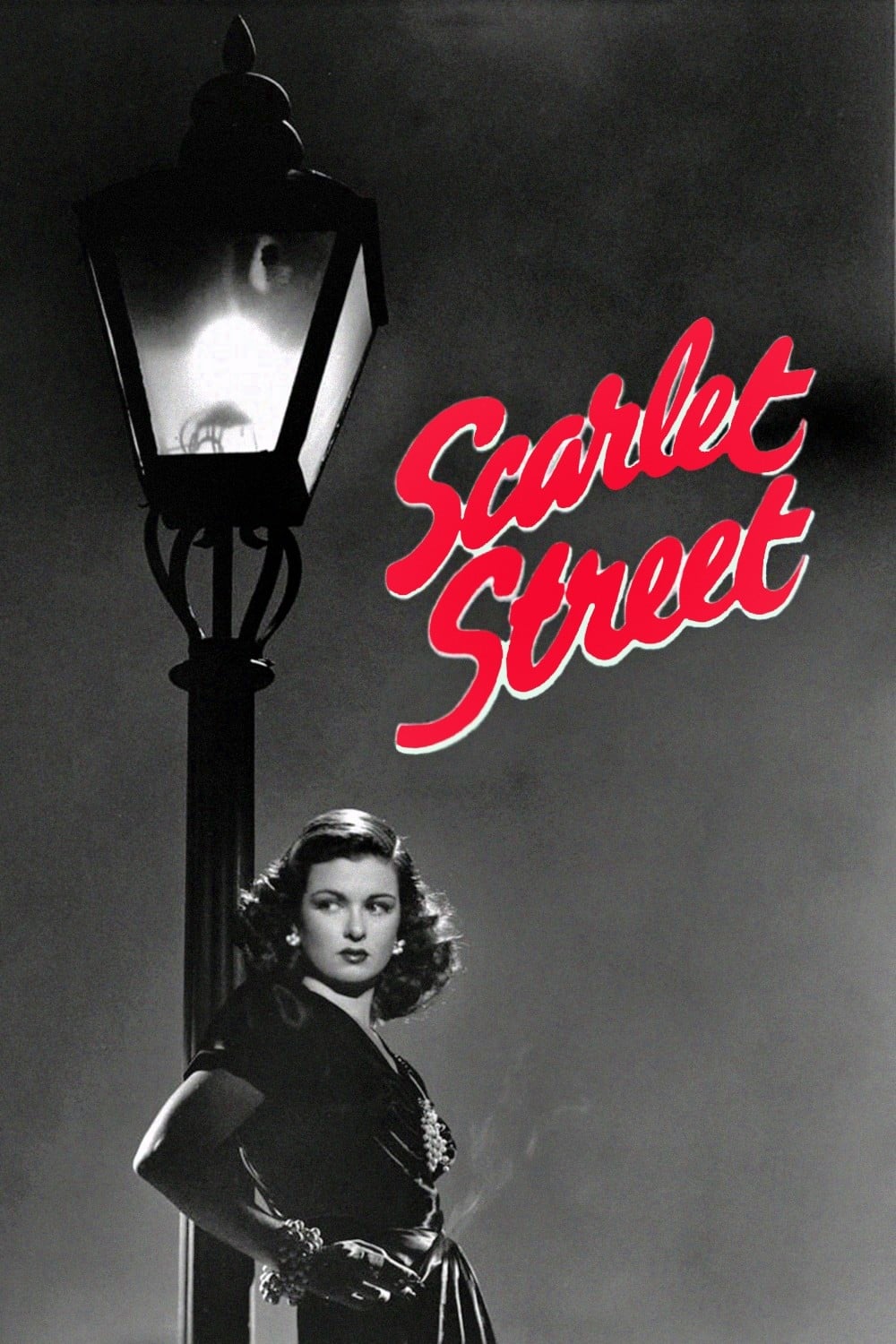
Scarlet Street
1945 film by Fritz Lang
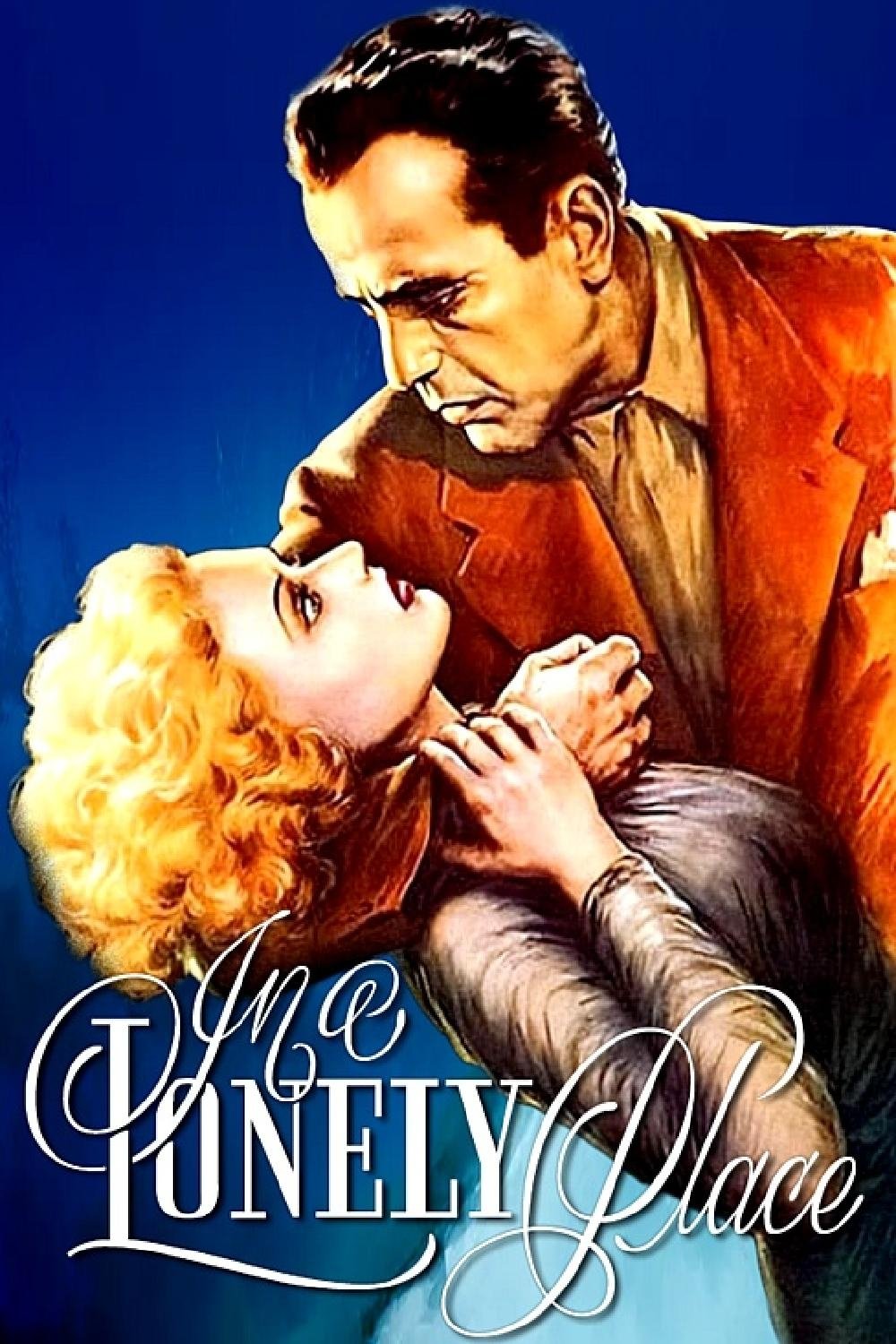
In a Lonely Place
1950 film by Nicholas Ray
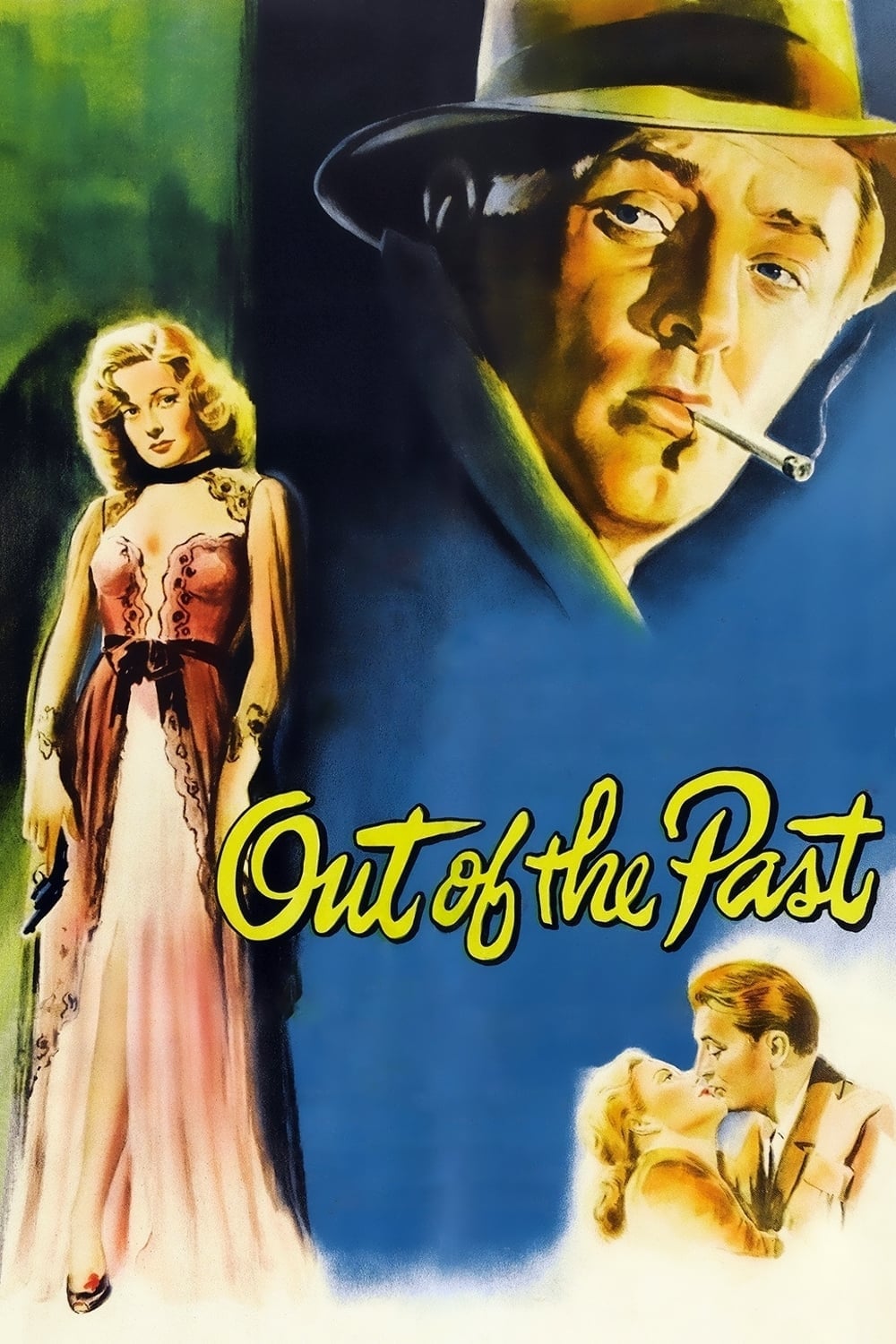
Out of the Past
1947 film by Jacques Tourneur
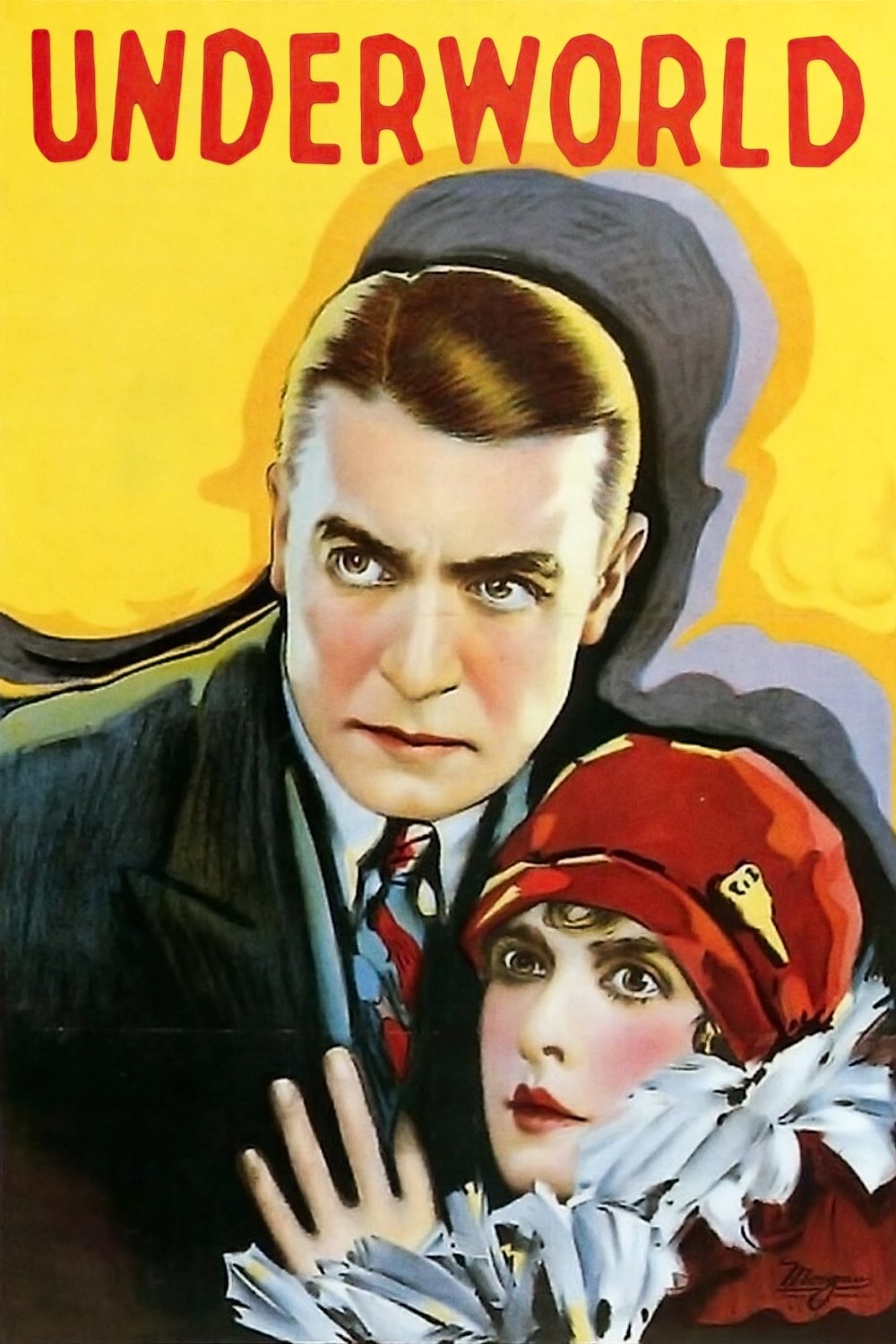
Underworld
1927 film by Josef von Sternberg
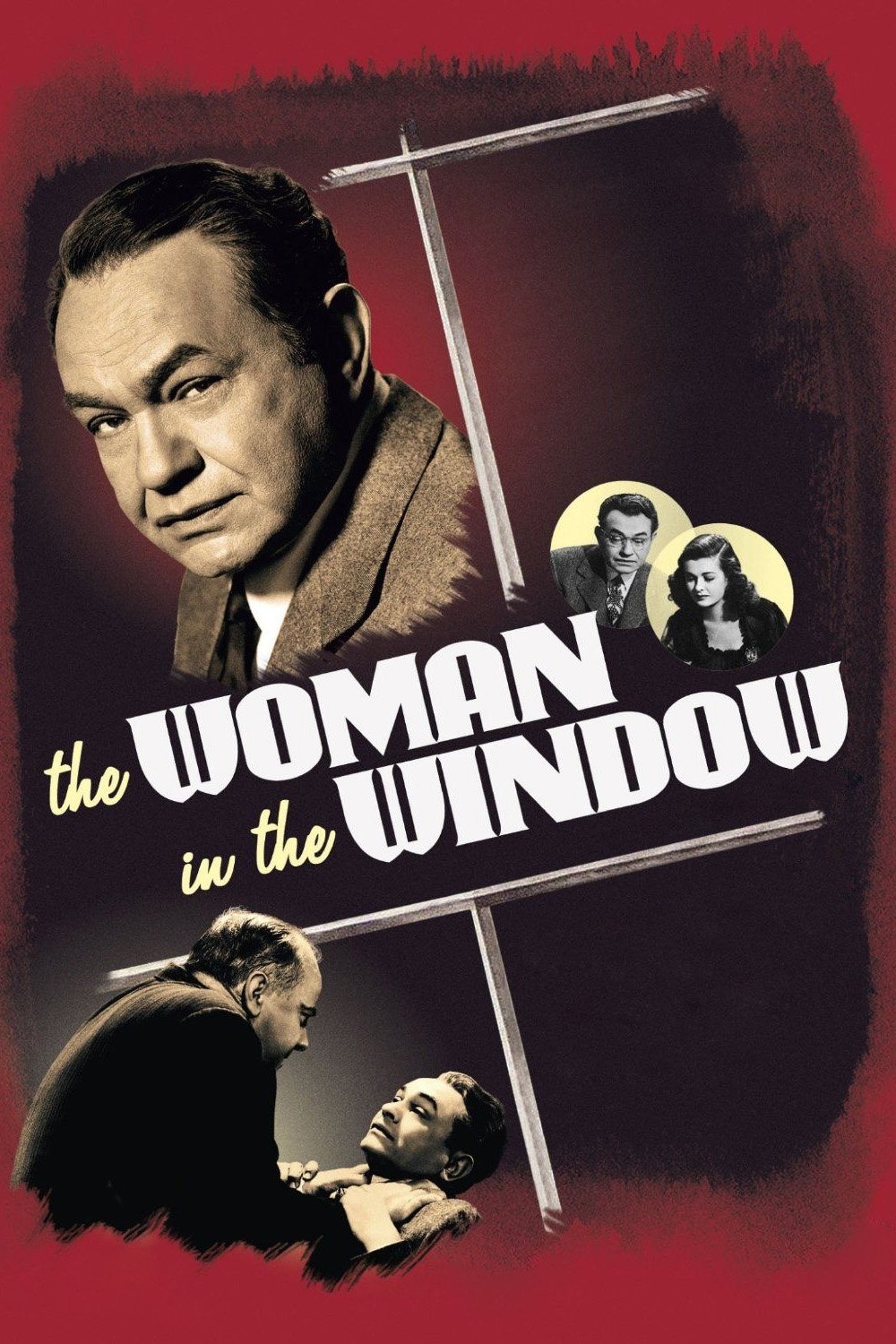
The Woman in the Window
1944 film by Fritz Lang
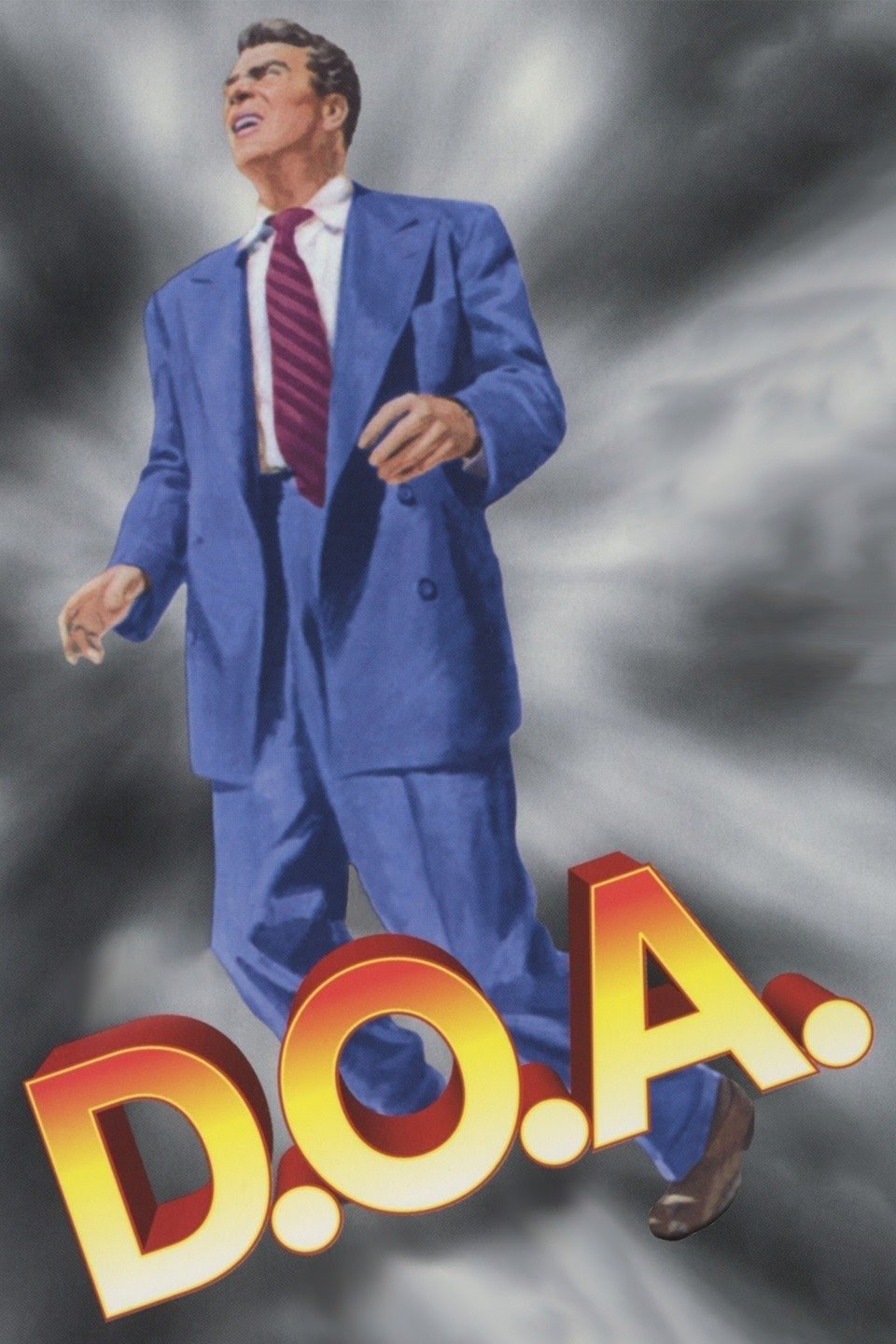
D.O.A.
1950 film by Rudolph Maté
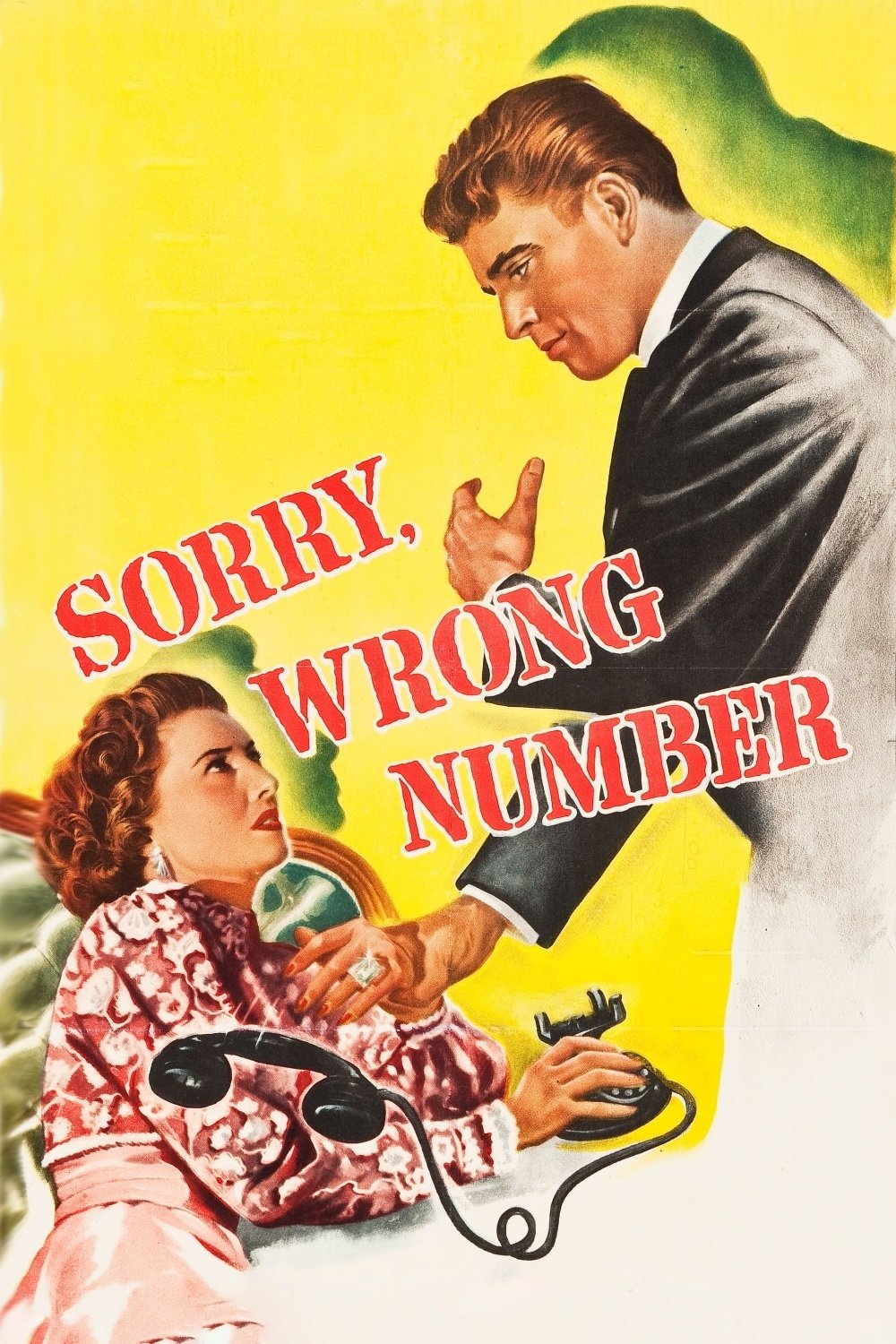
Sorry, Wrong Number
1948 film by Anatole Litvak
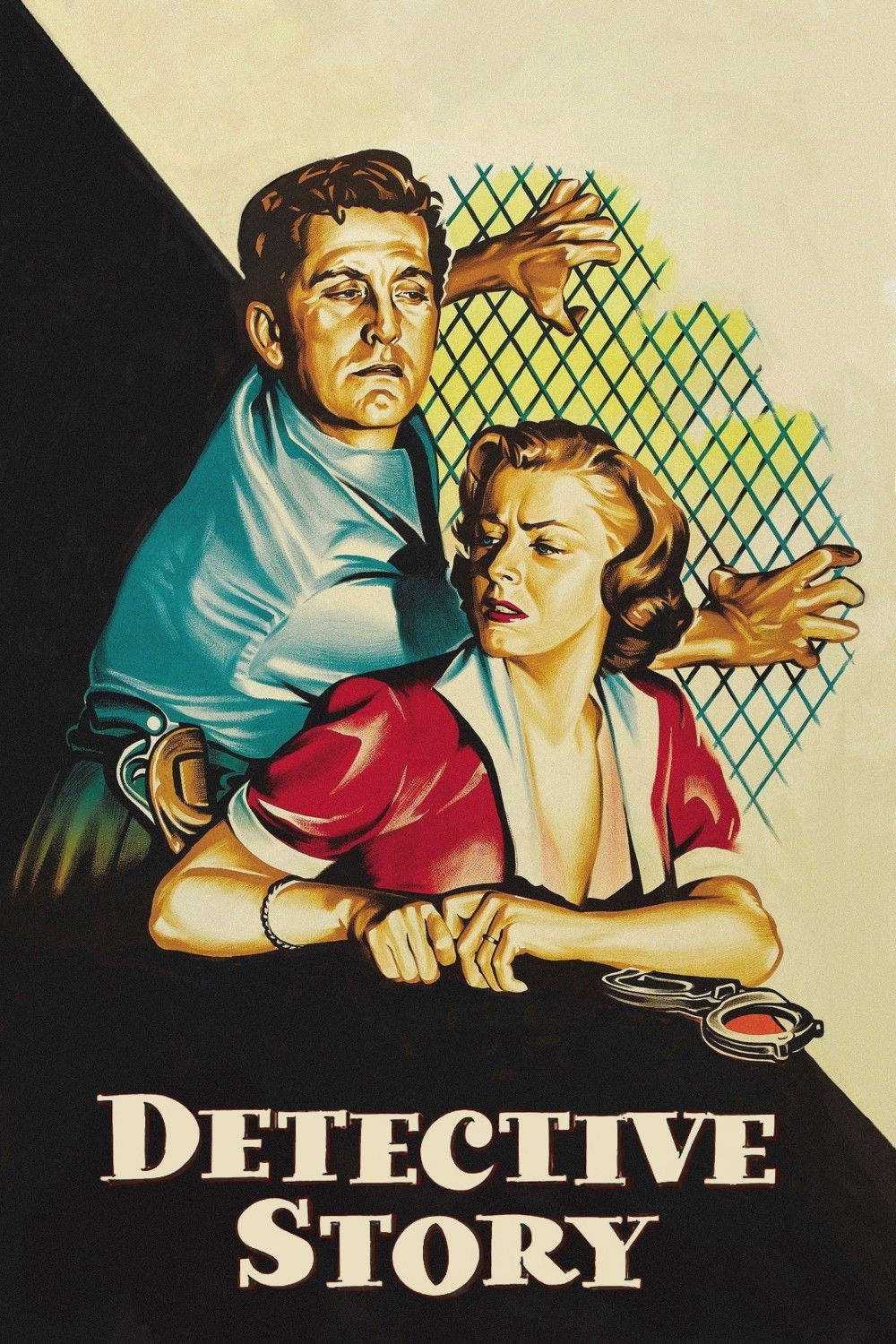
Detective Story
1951 film by William Wyler
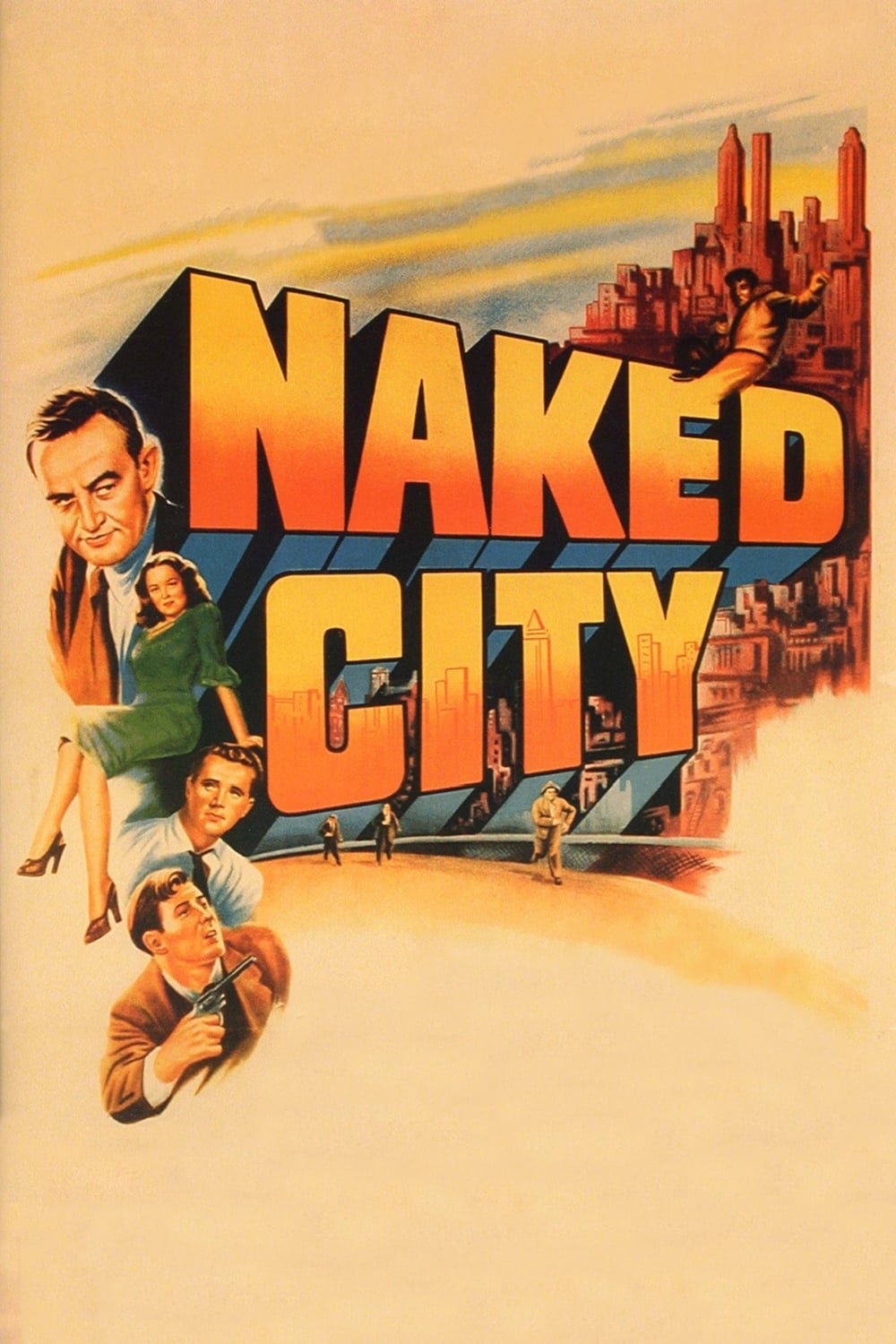
The Naked City
1948 film by Jules Dassin
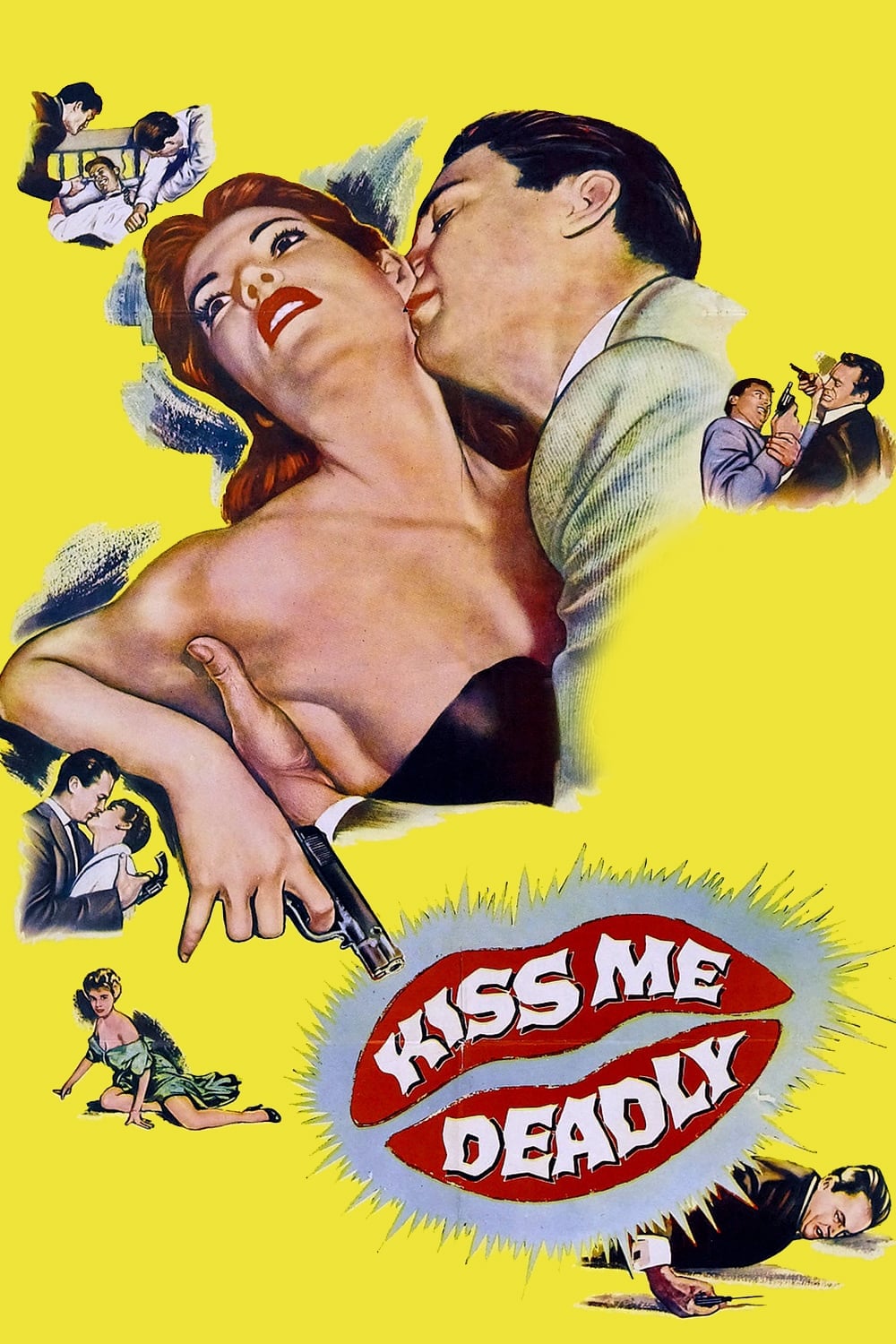
Kiss Me Deadly
1955 film by Robert Aldrich
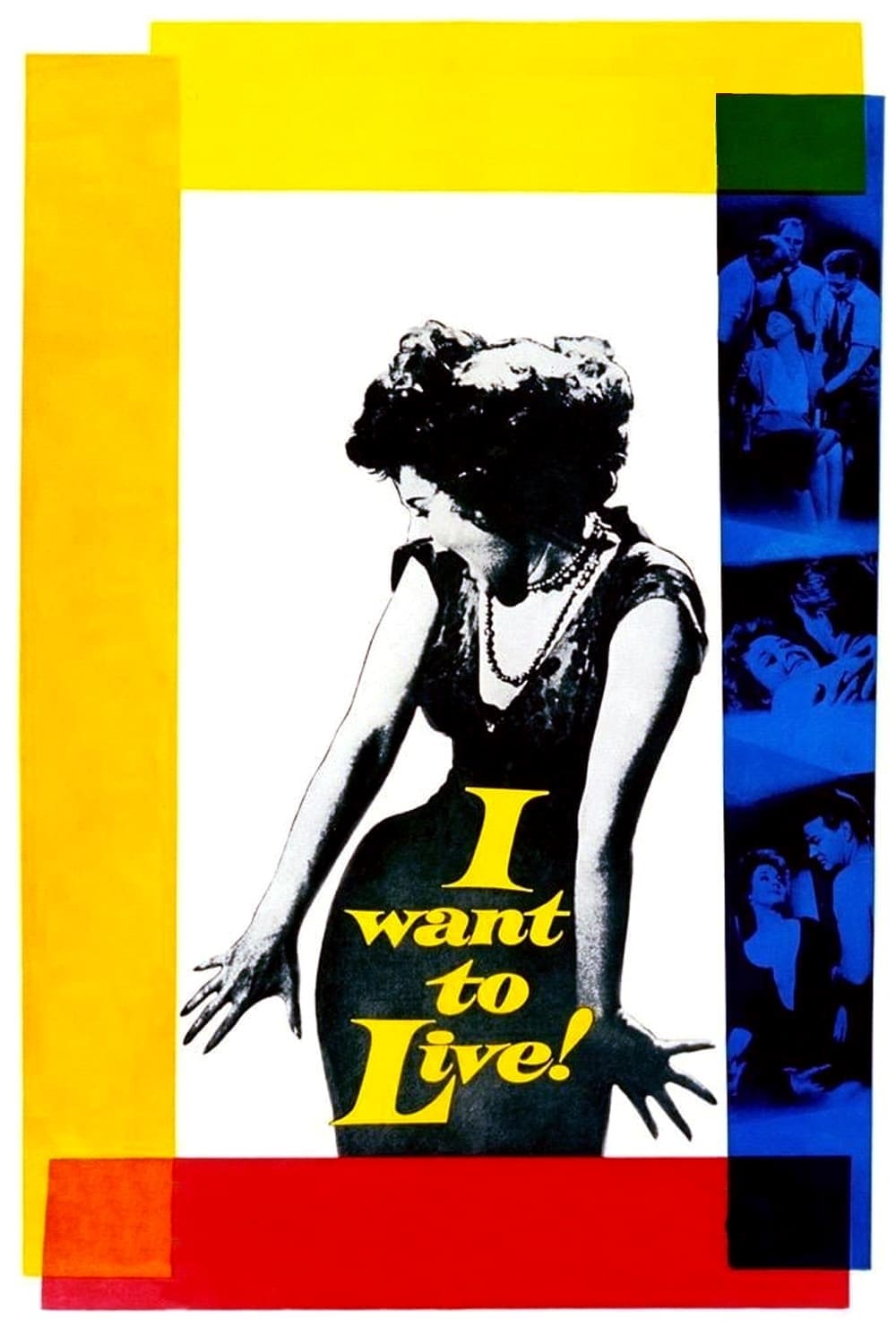
I Want to Live!
1958 film by Robert Wise
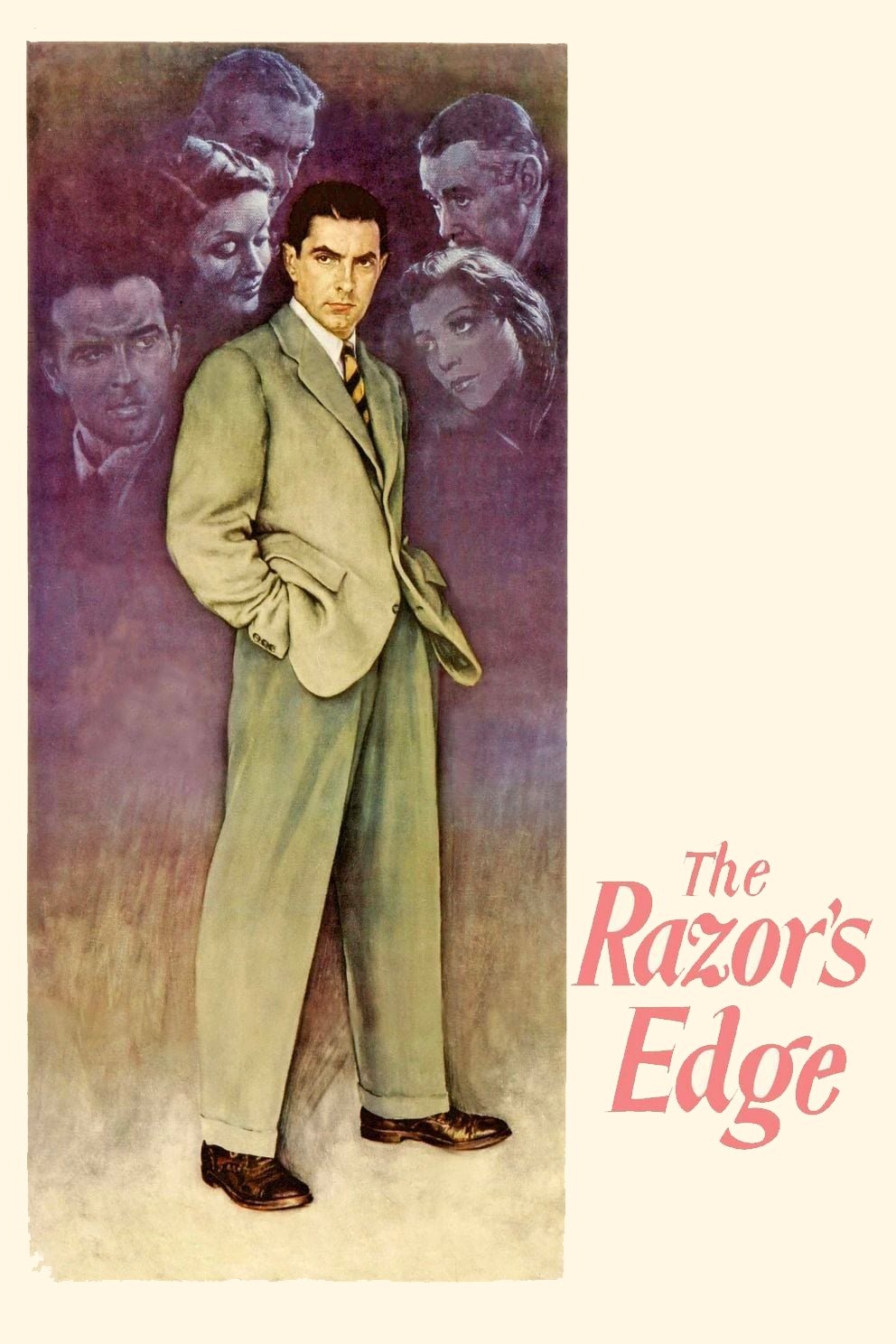
The Razor's Edge
1946 film by Edmund Goulding
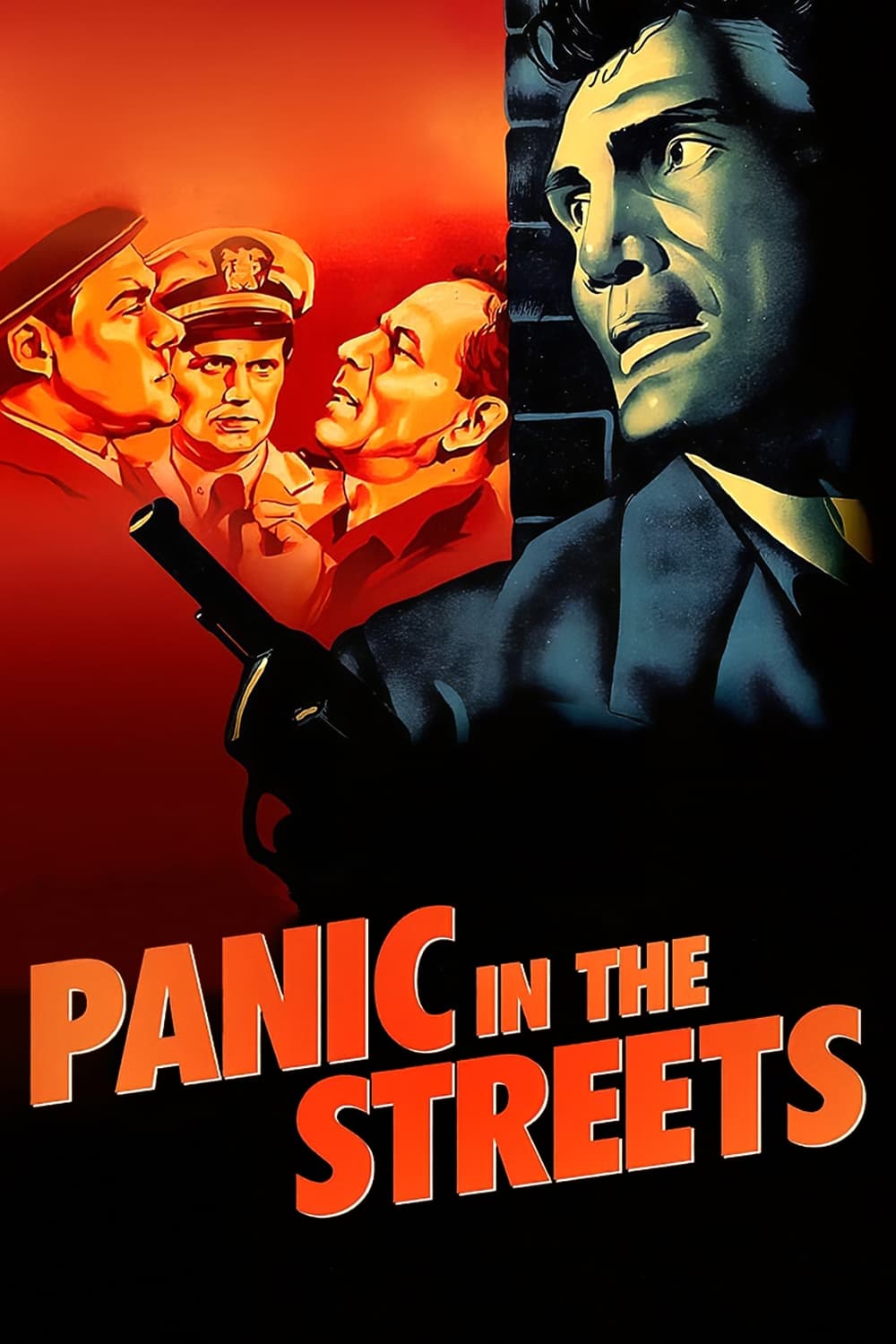
Panic in the Streets
1950 film by Elia Kazan