Category
page 1Financial crises

Great Depression
worldwide economic depression (1929–1939)

hyperinflation
thumb|upright=1.8|100 quintillion (1020) Hungarian pengő|pengő, the largest denomination bill ever issued, Hungary, 1946. 1 sextillion pengő notes were printed but never issued.
thumb|upright=1.8|Hyperinflation in Venezuela represented by the time it would take for money to lose 90% of its value (301-day [[rolling average, inverted logarithmic scale)]]

financial crisis
situation in which financial assets suddenly lose a large part of their nominal value
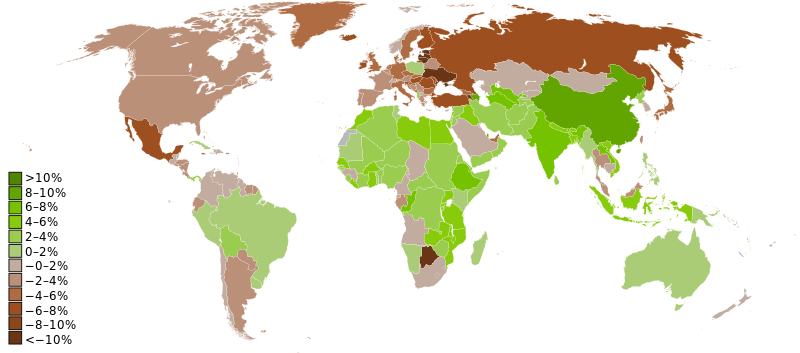
Great Recession
2007–2009 international economic decline
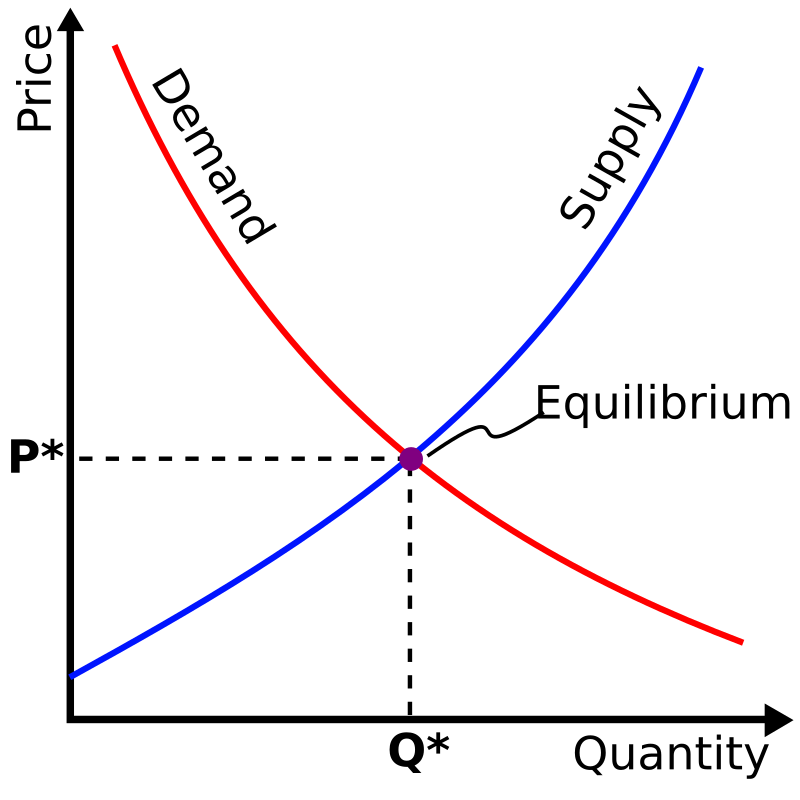
economic bubble
economic phenomenon of very high prices driven by speculation

bank run
banking crisis when many clients withdraw their money from a bank, because they believe the bank may cease to function in the near future
currency crisis
situation in which grave doubt exists as to whether a central bank has enough forex reserves to maintain an exchange rate, often with a speculative attack in forex markets
bad bank
banks meant to manage illiquid resources
systemic risk
risk of disruption in the financial system with the potential to have serious negative consequences for the financial system and the real economy, as opposed to specific risk associated with any one individual entity, group or component of a system
credit crunch
sudden reduction in the general availability of loans or credit or a sudden tightening of the conditions required to obtain a loan from banks
Minsky moment
sudden, major collapse of asset values which generates a credit cycle or business cycle
debt crisis
situation in which a government loses the ability of paying back its governmental debt
zombie bank
financial institution below zero net worth
liquidity crisis
acute shortage of liquidity
Financial contagion
scenario in which financial shocks spread to other financial sectors
Diamond–Dybvig model
economic model of bank runs and financial crises
galloping inflation
Inflation that develops at a rapid pace