Category
page 1First French Empire
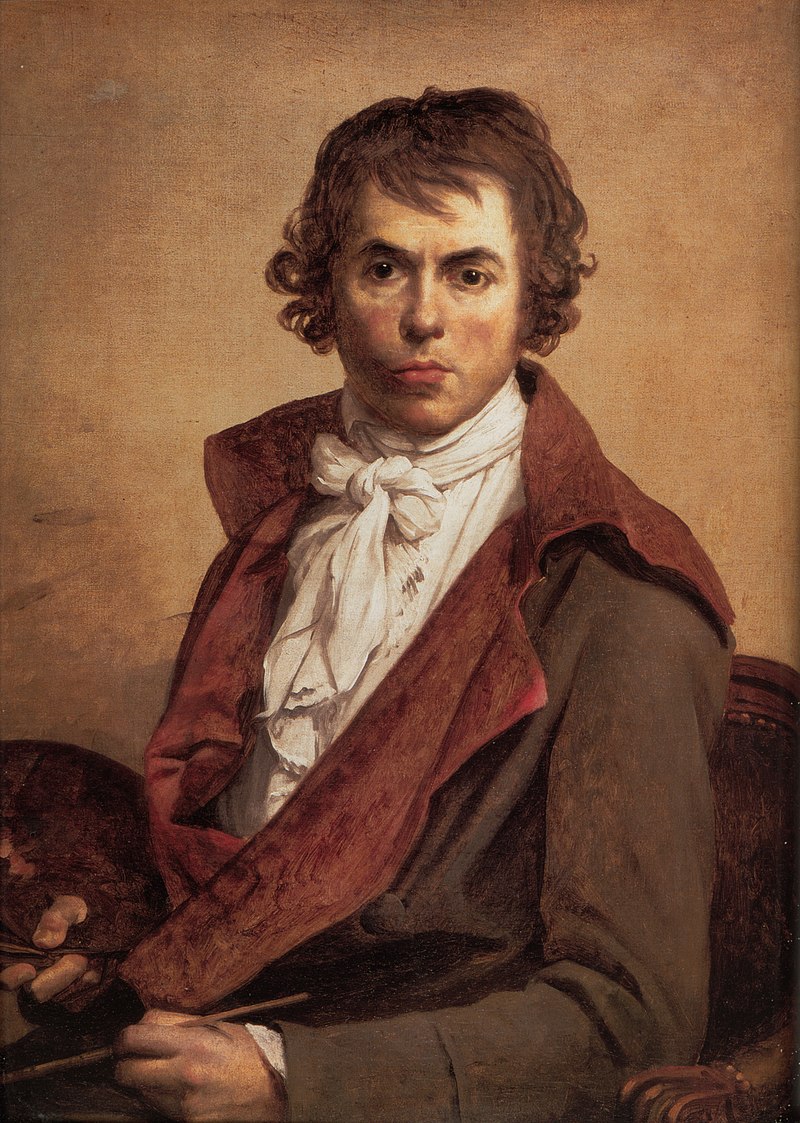
Jacques-Louis David
French painter (1748–1825)

First French Empire
empire of Napoleon I of France, from 1804 to 1815

Napoleon II
The second Emperor of the French (1815)

Pierre Choderlos de Laclos
French novelist, official and army general (1741–1803)

French Consulate
former government of France
Illyrian Provinces
province of the First French Empire
Roger Ducos
French revolutionary (1747-1816)
Joseph Fesch
French cardinal, diplomat, art collector and Prince of France (1763-1839)
Treaty of San Ildefonso
treaty between France and Spain involving the colonial territory of Louisiana
Jean-Nicolas Corvisart
French physician (1755-1821)
Roustam Raza
bodyguard of Napoleon
Jean Baptiste Treilhard
French judge and diplomat (1742-1810)
Jean-Étienne-Marie Portalis
French lawyer (1746-1807)
Pierre Claude François Daunou
French statesman and historian of the French Revolution and Empire (1761-1840)
coronation of Napoleon I
French royal event
place de Clichy
square in Paris, France
Constitution of the Year XII
expired national constitution of the First French Empire
Napoleonic era
era in the history of Europe and France

Afrancesado
thumb|200px|Portrait of Joseph Bonaparte by [[François Gérard. Bonaparte was King of Spain from 1808 to 1814]]
Afrancesado (, ; "Francophile" or "turned-French", lit. "Frenchified" or "French-alike") refers to the Spanish and Portuguese supporters of Enlightenment ideas, Liberalism, or the French Revolution, that supported Napoleon's occupation as a means to implant these ideas in Spain.
Antoine Christophe Saliceti
French politician (1757-1809)
Pierre-François Percy
French doctor and surgeon (1754-1825)
Second White Terror
movement against the French Revolution
Sénat conservateur
French Constitutional Assembly of the Consulate and Empire (1800-1815)
French period
Late 19th-century term for the era between 1794 and 1815, during which most of Europe were directly or indirectly under French rule or within the French sphere of influence
Étienne-François Letourneur
French general and politician (1751-1817)
Berlin Decree
1806 degree by Napoleon in Berlin blockading Britain

Tribunat
thumb | right | alt=Painting of four men near and on a staircase. A man on the right shows some paper to the man on the left (Napoleon) who’s hand gesture indicates that he rejects this document | Napoleon’s visit to the Palais-Royal on 19 August 1807; the Palais-Royal was the seat of the Tribunat, a consultative assembly that was abolished in 1907. The man in the blue coat is Jean-Claude Fabre, known as Fabre de l’Aude, the president of the Tribunat. Napoleon, angered by his presence, leaves the palace while rejecting the redevelopment plans proposed by the two. (Painting by Merry-Joseph Blon
Musée Fesch
art museum in Ajaccio on Corsica
Charles Malo François Lameth
French general and politician (1757-1832)
Jean Tulard
French historian
French Imperial Eagle
Battle standard of Napoleon's Grande Armee
Erik Magnus Staël von Holstein
Swedish diplomat (1749-1802)
Charles-Frédéric Reinhard
French politician (1761-1837)
French Penal Code of 1810
napoleonic-era French penal code
Napoleon and the Jews
rights of Jews under Napoleonic reforms
Corps législatif
lower house of the Parliament under Napoleonic France
Empire silhouette
woman's dress style with a high waist and narrow skirt
constitutional bishop
Office of Revolutionary France
Milan Decree
1807 decree by Napoleon I of France

Georges Antoine Chabot
French jurist and statesman
Grand Dignitaries of the French Empire
seven Grand Dignitaries of the French Empire
Louis Joseph Marchand
Napolean's valet
France in the 19th century
history of France from 1789 to 1914