Category
page 1Fodder

Avena sativa
The oat (Avena sativa), sometimes called the common oat, is a species of cereal grass (Avena) grown for fodder and for its seed, which is known by the same name (usually in the plural). Oats appear to have been domesticated as a secondary crop, as their seeds resembled those of other cereals closely enough for them to be included by early cultivators. Oats tolerate cold winters less well than cereals such as wheat, barley, and rye, but need less summer heat and more rain, making them important in areas such as Northwest Europe that have cool, wet summers. They can tolerate low-nutrient and aci
soybean
The soybean, soy bean, or soya bean (Glycine max) is a species of legume native to East Asia, widely grown for its edible bean. Soy is a staple crop, the world's most grown legume, and an important animal feed.
.jpg)
Brassica napus
Rapeseed ('''Brassica napus subsp. napus), also known as rape and oilseed rape and canola''', is a yellow-flowered member of the Brassicaceae family.

hay
Hay is grass, legumes, or other herbaceous plants that have been cut and dried to be stored for use as animal fodder, either for large grazing animals raised as livestock, such as cattle, horses, goats, and sheep, or for smaller domesticated animals such as rabbits and guinea pigs. Pigs can eat hay, but they do not digest it as efficiently as herbivores do.

Gossypium
Gossypium () is a genus of flowering plants in the tribe Gossypieae of the mallow family, Malvaceae, from which cotton is harvested. It is native to tropical and subtropical regions of the Old and New Worlds. There are about 50 Gossypium species, making it the largest genus in the tribe Gossypieae, and new species continue to be discovered. The name of the genus is derived from the Arabic word goz, which refers to a soft substance.

fodder
thumb|upright=1.1|right|A fodder factory set up by an individual farmer to produce customised cattle feed

Chrysopogon zizanioides
species of plant

Cenchrus americanus
species of plant
.jpg)
silage
thumb|Silage underneath plastic sheeting is held down by scrap tires. Concrete beneath the silage prevents fermented juice from leaching out.thumb|right|Cattle eating silage
Silage is fodder made from green foliage crops which have been preserved by fermentation to the point of souring. It is fed to cattle, sheep and other ruminants. The fermentation and storage process is called ensilage, ensiling, or silaging. The exact methods vary, depending on available technology, local tradition and prevailing climate.

Albizia julibrissin
species of plant

Festuca ovina
species of plant

chaff
300px|thumb|Rice chaff
Chaff (; ) is dry, scale-like plant material such as the protective seed casings of cereal grains, the scale-like parts of flowers, or finely chopped straw. Chaff cannot be digested by humans, but it may be fed to livestock, ploughed into soil, or burned.

Trifolium fragiferum
species of plant
diatomaceous earth
soft diatomite variety

Hermetia illucens
species of insect
press cake
solid block remaining after pressing to extract liquids

Trifolium alexandrinum
species of plant

Canavalia ensiformis
species of plant

Desmostachya bipinnata
species of plant

Mangelwurzel
Mangelwurzel or mangold wurzel (from German Mangel/Mangold, "chard" and Wurzel, "root"), also called mangold, mangel beet, field beet, fodder beet and (archaic) root of scarcity, is a cultivated root vegetable. It is a variety of Beta vulgaris, the same species that also contains the red beet (beetroot) and sugar beet varieties. The cultivar group is named Crassa Group. Their large white, yellow or orange-yellow swollen roots were developed in the 18th century as a fodder crop for feeding livestock.

Trifolium hirtum
species of plant

stover
thumb|right|Stover with some snow cover
thumb|right|Stover (foreground), unharvested corn (background)
Stover are the leaves and stalks of field crops, such as corn (maize), sorghum or soybean that are commonly left in a field after harvesting the grain. It is similar to straw, the residue left after any cereal grain or grass has been harvested at maturity for its seed. It can be directly grazed by cattle or dried for use as fodder. Stover has attracted some attention as a potential fuel source, and as biomass for fermentation or as a feedstock for cellulosic ethanol production. Stover from va

Galega orientalis
species of plant

Olea capensis
species of plant

Desmanthus
Desmanthus is a genus of flowering plants in the mimosoid clade of the subfamily Caesalpinioideae of the pea family, Fabaceae. The name is derived from the Greek words δεσμός (desmos), meaning "bundle", and ἄνθος (anthos), meaning "flower". It contains about 24 species of herbs and shrubs that are sometimes described as being suffruticose and have bipinnate leaves. Desmanthus is closely related to Leucaena and in appearance is similar to Neptunia. Like Mimosa and Neptunia, Desmanthus species fold their leaves in the evening. They are native to Mexico and North, Central and South America. Membe

Albizia chinensis
species of plant
browsing
type of herbivory

Prosopis pallida
species of legume
meat and bone meal
type of animal product

Chamaecytisus proliferus
species of plant

Stipa ichu
species of plant

Desmanthus virgatus
species of plant
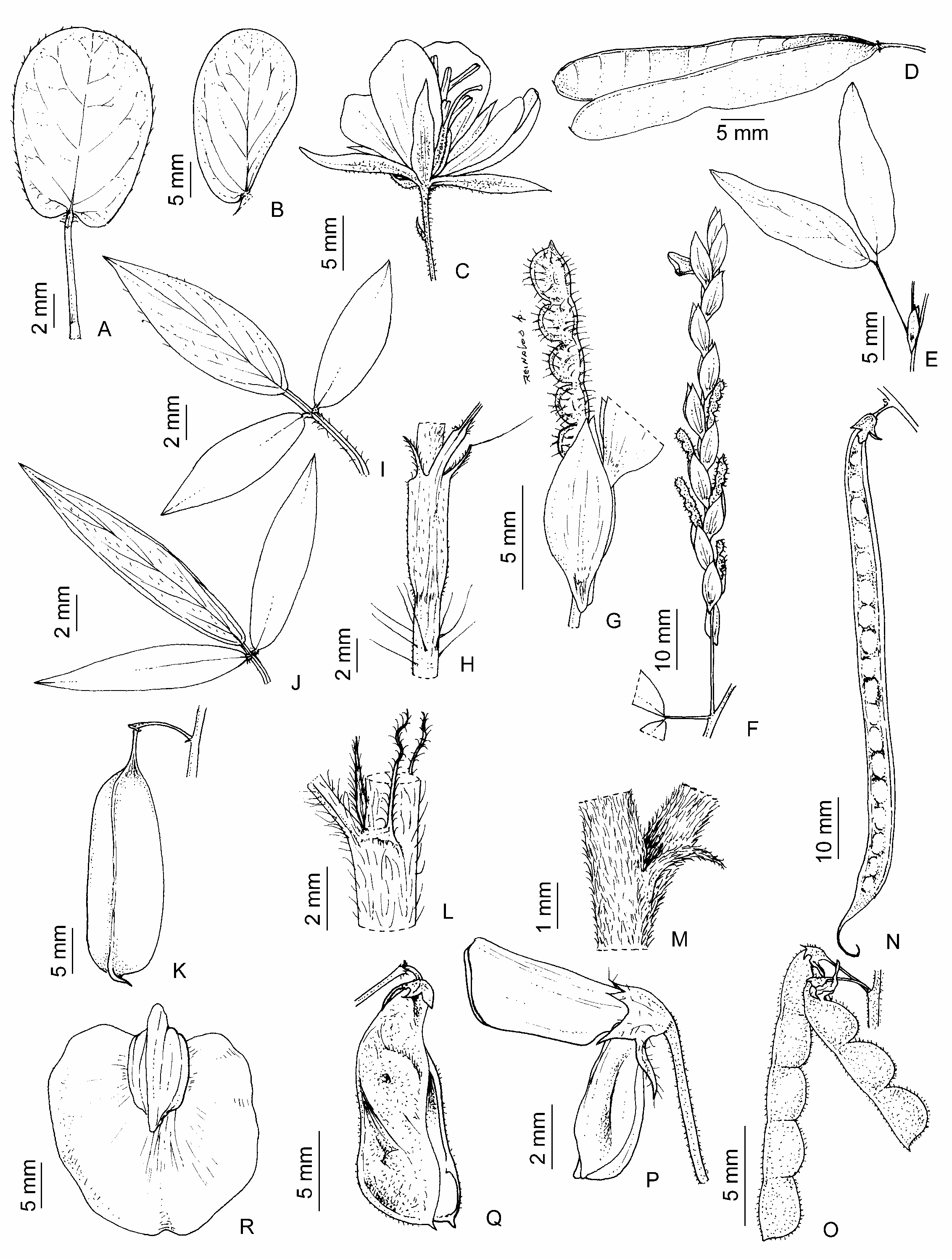
Alysicarpus vaginalis
species of plant

Ficus sarmentosa
species of plant

Stylosanthes guianensis
species of plant
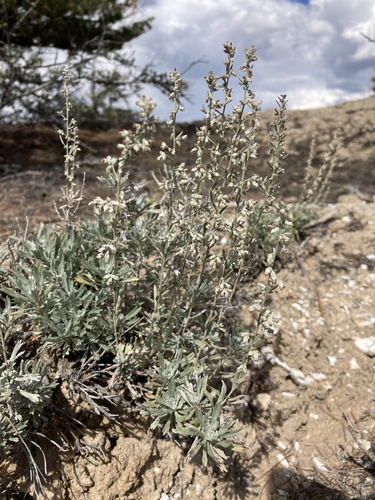
Artemisia bigelovii
species of plant
distillers grains
cereal residues from alcohol production

Desmodium uncinatum
species of plant
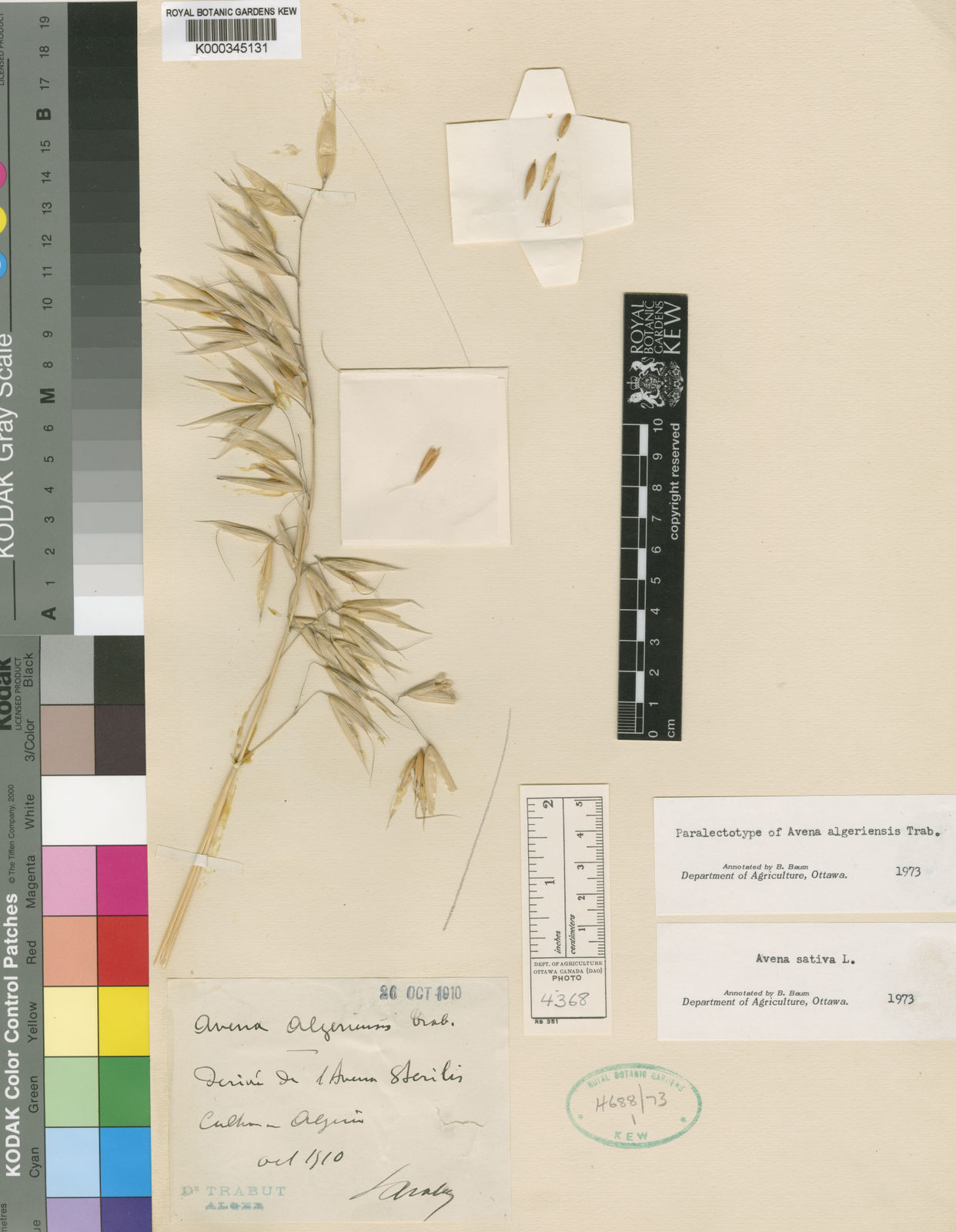
Avena byzantina
species of plant
beet pulp
byproduct of beet processing used as fodder for livestock
Lactobacillus buchneri
species of bacterium
AIV fodder
type of silage