Category
page 1Forced suicides
.jpg)
Socrates
Socrates (; ; – 399 BC) was an ancient Greek philosopher from Classical Athens, perhaps the first Western moral philosopher, and a major inspiration on his student Plato, who largely founded the tradition of Western philosophy. An enigmatic figure, Socrates authored no texts and is known mainly through the posthumous accounts of classical writers, particularly his students Plato and Xenophon. These accounts are written as dialogues, in which Socrates and his interlocutors examine a subject in the style of question and answer; they gave rise to the Socratic dialogue literary genre. Contrad

Seneca
Roman Stoic philosopher, statesman and dramatist (c. 4 BCE–65 CE)

Erwin Rommel
German field marshal (1891-1944)

Lucan
Marcus Annaeus Lucanus (3 November AD 39 – 30 April AD 65), better known in English as Lucan (), was a Roman poet, born in Corduba, Hispania Baetica (present-day Córdoba, Spain). He is regarded as one of the outstanding figures of the Imperial Latin period, known in particular for his epic Pharsalia. His youth and speed of composition set him apart from other poets.
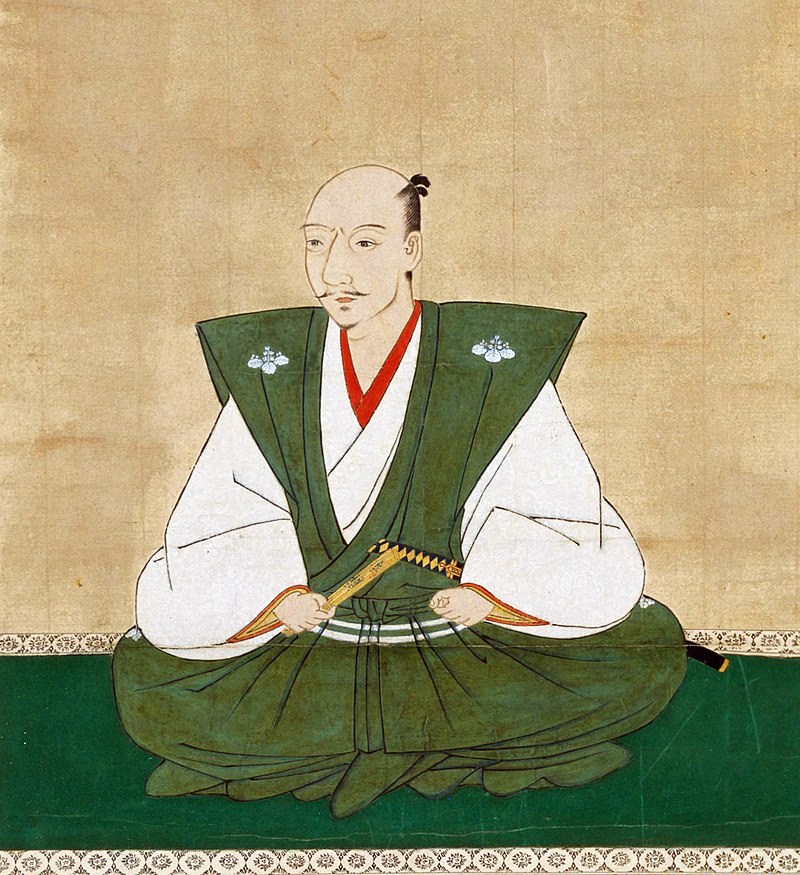
Oda Nobunaga
Japanese samurai and warlord (1534–1582)

Gnaeus Domitius Corbulo
Roman general, father of empress Domitia Longina
Sen no Rikyū
Japanese tea master
Eurydice II of Macedon
Macedonian queen (c. 337–317 BC)

Theramenes
Theramenes (; ; died 404/403 BC) was an Athenian military leader and statesman, prominent in the final decade of the Peloponnesian War. He was active during the two periods of oligarchic government at Athens, the 400 and later the Thirty Tyrants, as well as in the trial of the generals who had commanded at Arginusae in 406 BC. A moderate oligarch, he often found himself caught between the democrats on the one hand and the extremist oligarchs on the other. Successful in replacing a narrow oligarchy with a broader one in 411 BC, he failed to achieve the same end in 404 BC, and was executed by th
Gaius Calpurnius Piso
Roman senator and conspirator against Nero (died 65 AD)

Pentawer
Pentawer (also Pentawere and Pentaweret) was an ancient Egyptian prince of the 20th Dynasty, a son of Pharaoh Ramesses III and his secondary wife, Tiye. He was involved in the so-called "harem conspiracy", a plot to kill his father and place him on the throne. The details of his trial are recorded in the Judicial Papyrus of Turin; he was compelled to commit suicide following his trial. A candidate for his body is a mummy known as "Unknown Man E", discovered in the Deir el-Bahari cache in 1881. This mummy is unusual as it was found wrapped in a sheep or goat skin and was improperly mummified, b
Hōjō Ujimasa
Japanese daimyo of the Sengoku period
Cho Kwangjo
Korean philosopher (1482-1520)
Adolf Opálka
Czech soldier (1915-1942)
Asano Naganori
Daimyō of the Akō Domain; immortalized in Chūshingura
forced suicide
method of execution where the victim is coerced into killing themself
Akamatsu Mitsusuke
samurai
Hōjō Ujiteru
Japanese samurai of the Sengoku period; son of daimyo Hōjō Ujiyasu
Xinyou Coup
1861 palace coup in Qing empire
Publius Anteius Rufus
friend of Agrippina the Younger
Lucius Annius Vinicianus
Roman suffect consul in 39 or 40 AD