Category
page 1Foreign relations of the United States
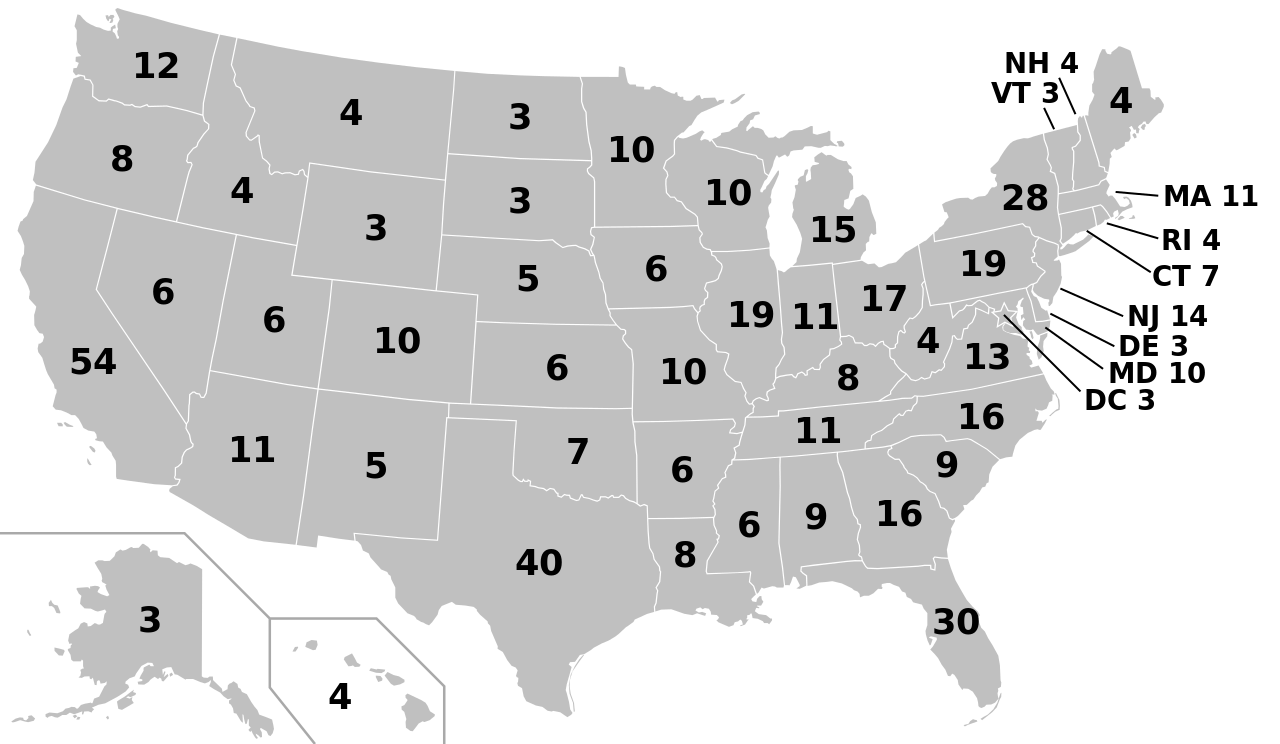
2024 United States presidential election
Presidential elections were held in the United States on November 5, 2024. The Republican ticket of former president Donald Trump and Ohio junior senator JD Vance defeated the Democratic ticket of incumbent vice president Kamala Harris and Minnesota governor Tim Walz.

United States Department of State
executive department of the U.S. federal government

neoconservatism
Neoconservatism (colloquially neocon) is a political movement that combines features of traditional political and social conservatism with individualism and a qualified endorsement of free markets along with the assertive promotion of democracy and national interest, including through military means.
Second Cold War
term referring to heightened tensions in the 21st century
Strategic Defense Initiative
defunct American missile defense system (1984-1993)
Abraham Accords
2020 normalization of Israeli relations with some Arab countries
American exceptionalism
ideology holding the United States as unique among nations; facet of nationalism in the United States
major non-NATO ally
designation given by the United States government to close allies
United States diplomatic cables leak
2010–2011 release of 251,287 exchanges by WikiLeaks
2017 Women's March
worldwide political rallies for women's rights
Turkish Straits crisis
Cold War territorial conflict between USSR & Turkey
United States Senate Committee on Foreign Relations
Standing committee of the United States Senate
North American Union
theoretical economic and political continental union of Canada, Mexico, and the United States
Arctic Ocean Conference
was held in Ilulissat (Greenland) on 27-29 May 2008.
2022–2023 Pentagon document leaks
documents leak
foreign relations of the United States
overview of American international relations
liberal internationalism
foreign policy doctrine promoting the spread of liberal values
American decline
term describing the diminished power of the United States
Special Relationship
unofficial term often used to describe the political, diplomatic, cultural, economic, military, and historical relations between the United Kingdom and the United States
National Security Study Memorandum 200
1974 American memo on population control
Jackson–Vanik amendment
1974 trade provision in US federal law
visa requirements for United States citizens
Visa requirements for United States citizens and non-citizen nationals

Nuclear Security Summit
a world summit aimed at preventing nuclear terrorism around the globe

United States color-coded war plans
color-coded war plans that outlined potential U.S. strategies for a variety of hypothetical war scenarios

nuclear umbrella
type of international nuclear weapons policy
United States House Committee on Foreign Affairs
standing committee of the United States House of Representatives
Millennium Challenge Corporation
government agency
The Fellowship
U.S.-based religious and political organization
United States government sanctions
trade restrictions levied by the United States government
Vietnam Syndrome
Public Opinion Phenomenon in the US
United States and state terrorism
terrorism allegations against the U.S.
United States and state-sponsored terrorism
U.S. support given to terrorist and paramilitary organizations
AfPak
thumb|Afghanistan and Pakistan
AfPak (also spelled Af-Pak) was a neologism used within United States foreign policy circles to designate Afghanistan and Pakistan as a single theater of operations. Introduced in 2008, the neologism reflected the policy approach that was introduced by the Obama administration, which regarded the region comprising the Asian countries of Afghanistan and Pakistan as having a singular dominant political and military situation that required a joint policy in their global war on terrorism.
America's Backyard
Political science and international relations concept
C5+1
thumb|right|John Kerry (far left) with the Central Asian foreign ministers during the 70th Regular Session of the UN General Assembly in New York on September 26, 2015.
The C5+1 is a diplomatic summit that has been held every year since 2015 between the foreign ministers of the five Central Asian countries of Kazakhstan, Kyrgyzstan, Tajikistan, Turkmenistan, and Uzbekistan, with the United States Secretary of State to discuss and work on common issues of concern to improve and strengthen the U.S. relationship with the five Central Asian states, but to also enhance the relations between the ind
Ilulissat Declaration
Arctic inter-governmental conference

After the Empire : The Breakdown of the American Order
essay by Emmanuel Todd
UNITAS
thumb|right|UNITAS emblem
history of the United States foreign policy
aspect of history
Free and Open Indo-Pacific
umbrella term that encompasses Indo-Pacific specific strategies of countries with similar interests in the region
United States Foreign Service
primary personnel system used by the diplomatic service of the United States federal government
1959 Khrushchev visit to the United States
state visit of Nikita Khrushchev to the United States in 1959
American civil religion
sociological theory that a nonsectarian quasi-religious faith exists within the United States with sacred symbols drawn from national history
United States and the United Nations
history of America's participation in the UN
National security directive
United States President directive
Commission on Security and Cooperation in Europe
independent agency of the United States government
Apollo 11 lunar sample display
1970 commemorative gifts
Countering Foreign Propaganda and Disinformation Act
2016 American anti-propaganda legislation