Category
page 1Former empires

Ottoman Empire
The Ottoman Empire, historically also known as the Turkish Empire, was a state that spanned much of Southeast Europe, West Asia, and North Africa from the 14th century to the early 20th century, centered in modern-day Turkey. It also controlled parts of southeastern Central Europe between the early 16th and early 18th centuries.

Roman Empire
period of ancient Rome following the Republic

Byzantine Empire
Roman Empire during Late Antiquity and the Middle Ages

Holy Roman Empire
multi-ethnic complex of territories in Western and Central Europe (800/962–1806)

Nazi Germany
Nazi Germany, officially the German Reich and later the Greater German Reich, was the German state between 1933 and 1945, when Adolf Hitler and the Nazi Party controlled the country, transforming it into a totalitarian dictatorship. The Third Reich, meaning "Third Realm" or "Third Empire", referred to the Nazi claim that Nazi Germany was the successor to the Holy Roman Empire (800–1806) and the German Empire (1871–1918). The Third Reich, which the Nazis referred to as the Thousand-Year Reich, ended in May 1945, after 12 years, when the Allies defeated Germany and entered the capital, Berlin, ending World War II in Europe.
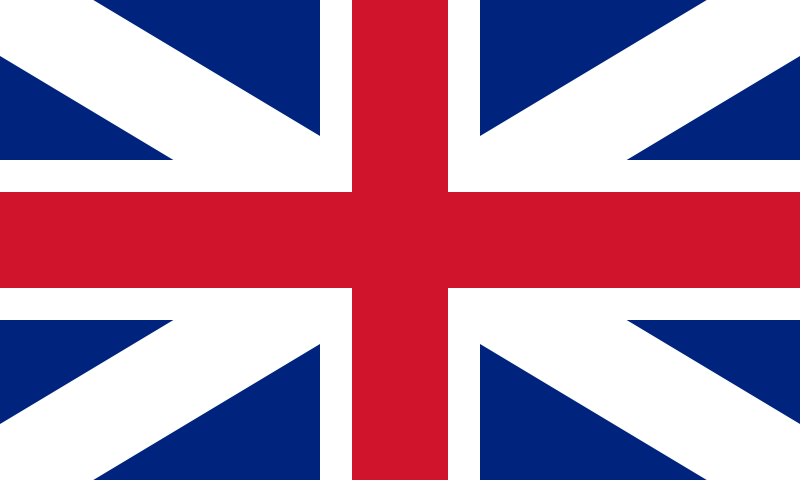
British Empire
overseas possessions of England and later the United Kingdom (1607–1997)

Ancient Rome
country that began growing on the Italian Peninsula from the 8th century BC
.png)
Austria–Hungary
Austria-Hungary, also referred to as the Austro-Hungarian Empire and officially as the Austro-Hungarian Monarchy, was a multi-national constitutional dual empire in Central Europe between 1867 and 1918. A military and diplomatic alliance, it consisted of two sovereign states with a single monarch who was titled both the Emperor of Austria and the Apostolic King of Hungary. Austria-Hungary constituted the last phase in the constitutional evolution of the Habsburg monarchy: it was formed with the Austro-Hungarian Compromise of 1867 in the aftermath of the Austro-Prussian War, following wars of i

Mongol Empire
13th- and 14th-century empire originating in Mongolia
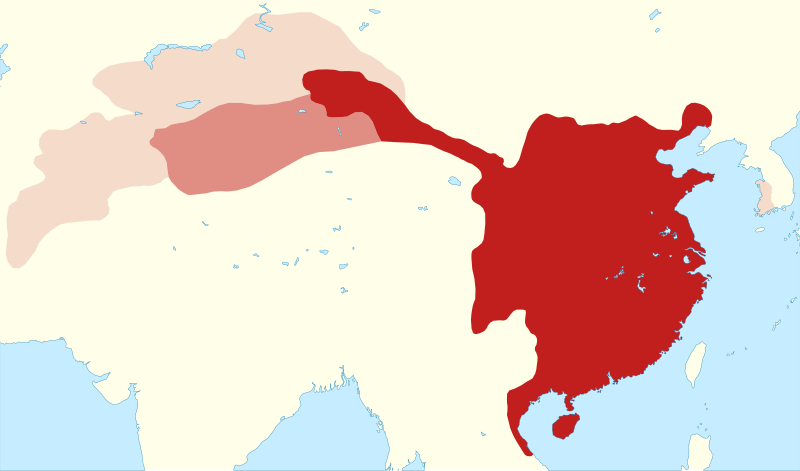
Tang dynasty
empire in the China proper between 618 and 907 AD

German Empire
German nation-state in Central Europe from 1871 to 1918
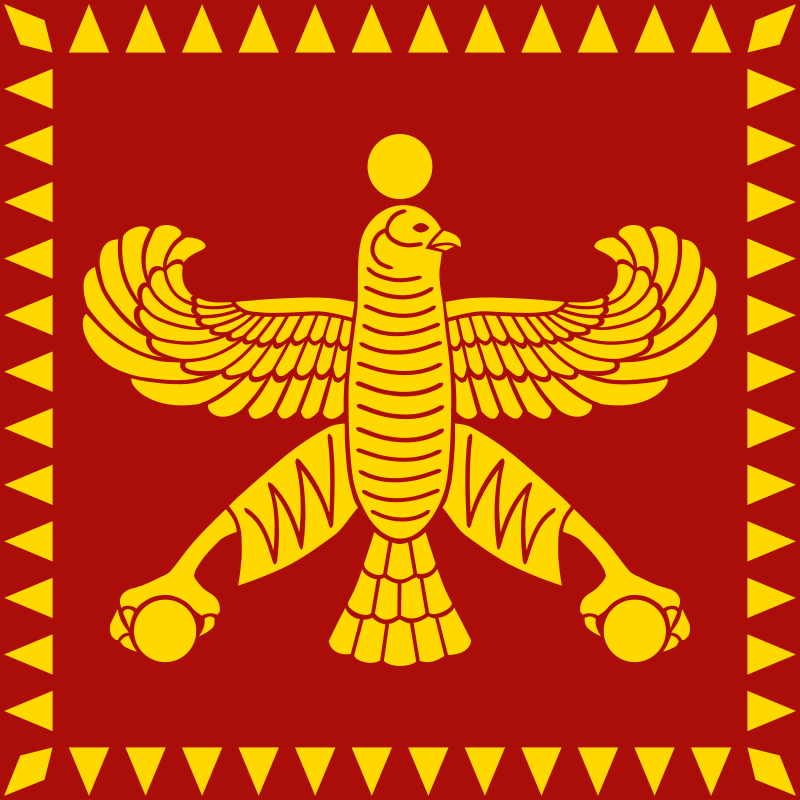
Achaemenid Empire
Iranian (Persian) empire (550–330 BC)

Sasanian Empire
last pre-Islamic Iranian empire (224–651 AD)
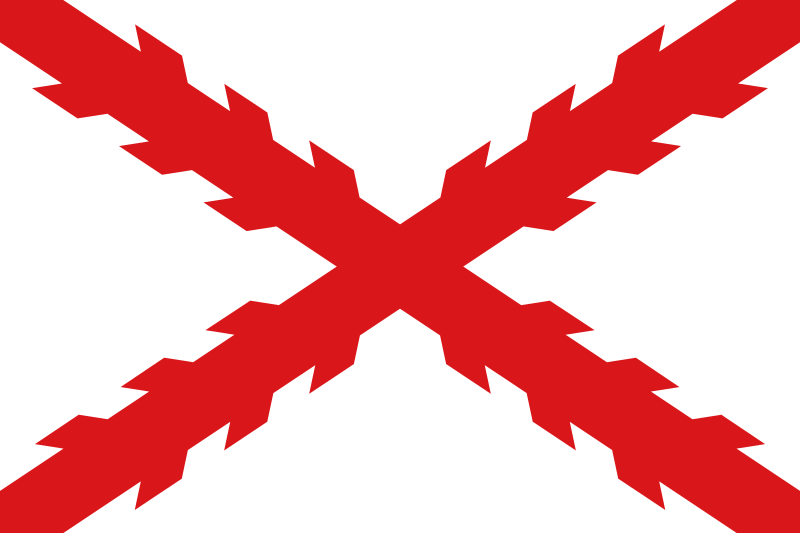
Spanish Empire
colonial empire governed by Spain between 1492 and 1976

Macedonia
ancient Hellenic kingdom

Austrian Empire
Central European multinational Empire from 1804 to 1867

Huns
The Huns were a nomadic people who lived in Central Asia, the Caucasus, and Eastern Europe between the 4th and 6th centuries CE. According to European tradition, they were first reported living east of the Volga River, in an area that was part of Scythia at the time. By 370 CE, the Huns had arrived on the Volga, causing the westwards movement of Goths and Alans. By 430, they had established a vast, but short-lived, empire on the Danubian frontier of the Roman empire in Europe. Either under Hunnic hegemony, or fleeing from it, several central and eastern European peoples established kingdoms in
Qin dynasty
dynasty that ruled in China from 221 to 206 BC

Babylonia
Babylonia (; , ) was an ancient Akkadian-speaking state and cultural area based on the city of Babylon in central-southern Mesopotamia (present-day Iraq and parts of Syria). It emerged as an Akkadian-populated but Amorite-ruled state . During the reign of Hammurabi and afterwards, Babylonia was retrospectively called "the country of Akkad" ( in Akkadian), a deliberate archaism in reference to the previous glory of the Akkadian Empire. It was often involved in rivalry with the linguistically related state of Assyria in Upper Mesopotamia, and with Elam to the east. Babylonia briefly became the m

Hittites
right|thumb|Sphinx Gate entrance to the city
thumb|The Great Temple in the inner city of Hattusa

Maurya empire
ancient Indian empire (322–184 BCE)

Akkadian Empire
ancient empire in the Mesopotamia (2334–2154 BC)

Portuguese Empire
global empire centered in Portugal (1415–1999)

Kingdom of France
kingdom in Western Europe (987–1792; 1815–1848)

First French Empire
empire of Napoleon I of France, from 1804 to 1815

Francia
The Kingdom of the Franks (), also known as the Frankish Kingdom or Francia, was the largest post-Roman kingdom in Western Europe. It was established by the Franks, one of the Germanic peoples. Its founder was King Clovis I who united Frankish tribes and expanded the Frankish realm into the Roman Gaul. During the Early Middle Ages, the kingdom was ruled by the Merovingian and Carolingian dynasties. In 800, it evolved into the Carolingian Empire, thus becoming the longest lasting Germanic kingdom from the era of Great Migrations.

Manchukuo
Manchukuo or Manchoukuo, officially the Manchou Empire after 1934 and State of Manchoukuo prior, was a puppet state of the Empire of Japan in Manchuria that existed from 1932 until its dissolution in 1945. It was ostensibly founded as a republic, its territory consisting of the lands seized in the Japanese invasion of Manchuria; it was later declared to be a constitutional monarchy in 1934, though very little changed in the actual functioning of government. Manchukuo received limited diplomatic recognition, primarily from states aligned with the Axis powers, with its existence widely regarded

Latin Empire
feudal Crusader state founded by the leaders of the Fourth Crusade on lands captured from the Byzantine Empire

French colonial empire
set of territories that were under French rule primarily from the 17th century to the late 1960s
Habsburg monarchy
monarchy in Europe (1282–1918)
Second French Empire
government of France under Napoleon III, from 1852 to 1870

Mamluk Sultanate of Egypt
state in Egypt, Hejaz and the Levant (1250–1517)

First Bulgarian Empire
medieval Bulgar-Slavic and later Bulgarian state that existed in Southeastern Europe between the 7th and 11th centuries AD.

Vijayanagara Empire
Hindu kingdom in Southern India (14th-17th century)

Crown of Aragon
composite monarchy which existed between 1162–1716

Carolingian Empire
800–843 final stage in the history of the early medieval realm of the Franks, ruled by the Carolingian dynasty
Empire of Nicaea
successor state of the Byzantine Empire when the crusaders conquered Constantinople at Fourth Crusade of 1204

Kingdom of Kush
c. 1070 BCE – c. CE 350 / kingdom in Nubia (modern-day Sudan), northeast Africa

Western Xia
kingdom or empire in ancient China (1038–1227)

Ancient Carthage
Phoenician city-state and empire

Kassites
The Kassites (; Neo-Assyrian: 𒂵𒅆𒄿, ka₃-ši-i, kašši) were a people of the ancient Near East, originating from the Zagros Mountains. They controlled Babylonia under the Kassite Dynasty after the fall of the Old Babylonian Empire from until (short chronology).

Liao dynasty
Khitan imperial dynasty in East Asia (916-1125), controlling northern and northeastern China, Mongolia, Russian Far East and North Korea

Second Bulgarian Empire
Medieval Bulgarian state (1185–1396)

German colonial empire
colonial empire of Germany

Uyghur Khaganate
former country
Spanish colonization of the Americas
overseas expansion under the Crown of Castile
Italian Empire
colonial policies undertaken by the Kingdom of Italy (1882-1946)

Gallic Empire
mid-3rd century breakaway state from the Roman Empire

Rouran Khaganate
state established by proto-Mongols, from the late 4th century until the middle 6th century
Kingdom of Georgia
medieval state in Eastern Europe

Dzungar Khanate
Oirat Mongolian Khanate based in Dzungaria from 1634–1758, referred as the Last great Nomadic empire
Turkic Khaganate
khaganate established by the Ashina clan of the Göktürks in medieval Inner Asia

Qara Khitai
former country in Central Asia

Ashanti Empire
former Akan empire centered around modern day Ghana

Kingdom of Pontus
Hellenistic-era kingdom centred in northern Anatolia (281 BC-62 AD)

Xianbei
The Xianbei (Mongolian:Сүнбэ; ; ) were an ancient nomadic people in northern East Asia who developed a distinct cultural and political identity by the 1st century BC. They inhabited regions spanning parts of present-day northeastern China, Inner Mongolia, and the eastern Eurasian steppe. Several Xianbei groups formed ruling regimes, with early political center around present-day Datong in Shanxi. The Xianbei were likely not of a single ethnicity, but rather a multilingual, multi-ethnic confederation consisting of mainly Proto-Mongols (who spoke either pre-Proto-Mongolic, or Para-Mongolic langu

Angevin Empire
former collection of states in north-western Europe during the High Middle Ages
Serbian Empire
1346–1371 empire in the Balkan Peninsula

list of largest empires
Wikimedia list article

Belgian Empire
overseas possessions of Belgium (1841–1962)