Category
page 2Former kingdoms

East Francia
country in Western Europe from 843 to 962; predecessor to the Kingdom of Germany

Kish
Ancient Sumerian city

Mari
ancient Sumerian and Amorite city

Kingdom of Bulgaria
state on the Balkan Peninsula between 1908 and 1946

Kingdom of Holland
French client states in Netherlands (1806-1810)

Ebla
Ebla (Sumerian: eb₂-la, , modern: , Tell Mardikh) was one of the earliest kingdoms in Syria. Its remains constitute a tell located about southwest of Aleppo near the village of Mardikh. Ebla was an important center throughout the and in the first half of the Its discovery proved the Levant was a center of ancient, centralized civilization equal to Egypt and Mesopotamia and ruled out the view that the latter two were the only important centers in the Near East during the Early Bronze Age.

Kingdom of Hawaiʻi
historical kingdom in the Hawaiian Islands (1778–1893)

Ayutthaya Kingdom
1350–1767 Siamese kingdom in Southeast Asia

Kingdom of Saxony
former German state (1806-1918)

Ryukyu Kingdom
historical kingdom in parts of present-day Japan

Greco-Bactrian Kingdom
Hellenistic-era Greek kingdom (256–120 BCE)

Sixteen Kingdoms
period of Chinese history from 304 to 439

Atropatene
Atropatene (; ; ), also known as Atropatia or Atropatian Media (; ), was an ancient Iranian kingdom established in by the Persian satrap Atropates (). The kingdom, mostly centered around the present-day Azerbaijan region in northwestern Iran, was ruled by Atropates' descendants until the early 1st-century AD, when the Parthian Arsacid dynasty supplanted them. It was conquered by the Sasanians in 226, and turned into a province governed by a marzban ("margrave"). Atropatene was the only Iranian region to remain under Zoroastrian authority from the Achaemenids to the Arab conquest without interr

Kingdom of Cyprus
Mediaeval kingdom
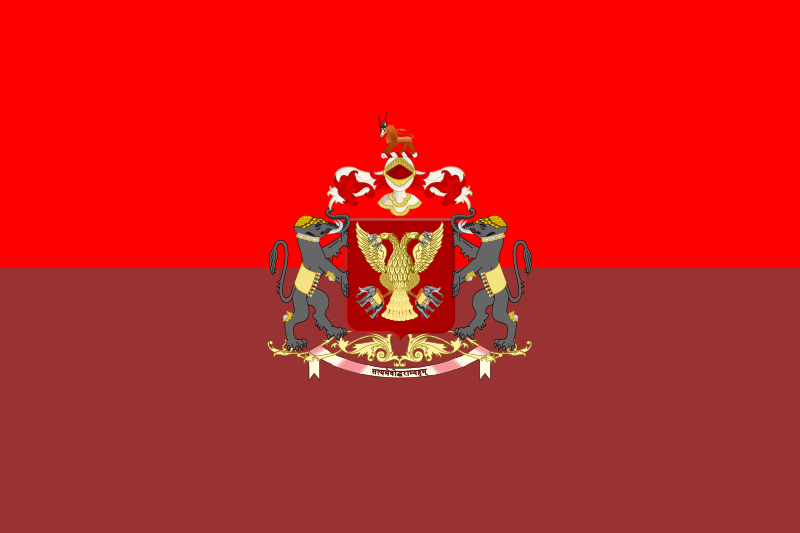
Kingdom of Mysore
Monarchy in India (1399–1947)

Land of Punt
ancient kingdom on the northern coast of the Horn of Africa

Kingdom of Georgia
medieval state in Eastern Europe
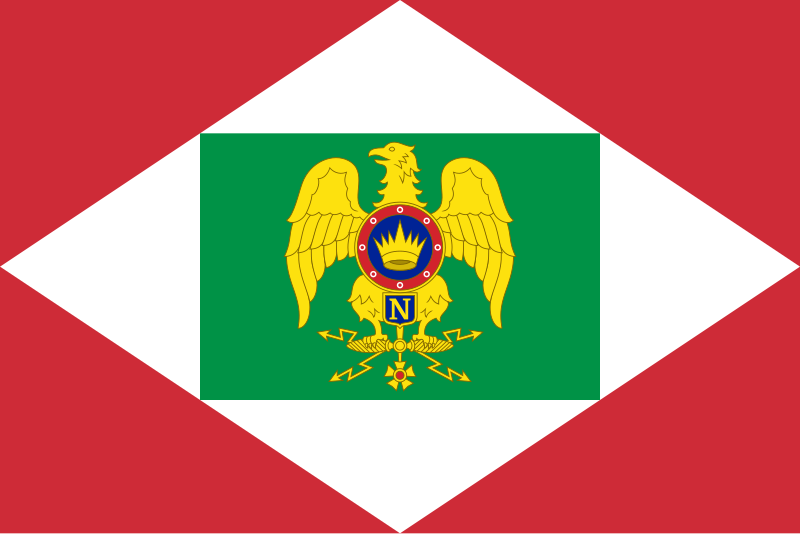
Kingdom of Italy
kingdom in southern Europe between 1805 and 1814

Bosporan Kingdom
Greco-Scythian state near Sea of Azov (c.438 BC–c.527 AD)

Mauretania
Mauretania (; ) is the Latin name for a region in the ancient Maghreb. It extended from central present-day Algeria to the Atlantic, encompassing northern present-day Morocco, and from the Mediterranean in the north to the Atlas Mountains. Its native inhabitants, of Berber ancestry, were known to the Romans as the Mauri and the Masaesyli.
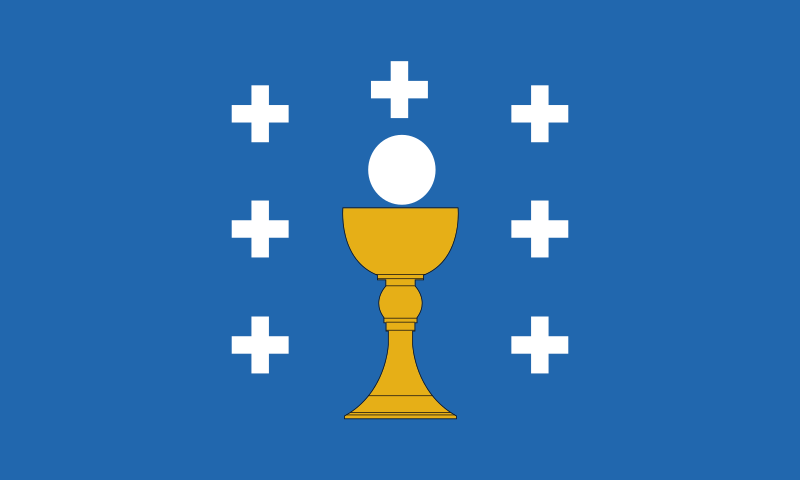
Kingdom of Galicia
kingdom in Iberia

Kingdom of Hungary
Central European state between 1920 and 1946

Kingdom of Kent
Early medieval kingdom in England (c.455-871)

Himyarite kingdom
Himyar was a polity in the southern highlands of Yemen, as well as the name of the region which it claimed. Until 110 BCE, it was integrated into the Qatabanian kingdom; afterward, it was recognized as an independent kingdom. According to classical sources, their capital was the ancient city of Zafar, relatively near the modern-day city of Sanaa. Himyarite power eventually shifted to Sanaa as the population increased in the fifth century. After the establishment of their kingdom, it was ruled by kings from the dhū-Raydān tribe. The kingdom was named Raydān.

Kingdom of Egypt
20th century North African kingdom

Kingdom of Afghanistan
kingdom in Central Asia between 1926–1973

Kingdom of Iraq
independent Iraqi monarchy (1932–1958)

Kingdom of Sussex
former Saxon kingdom on the island of Britain
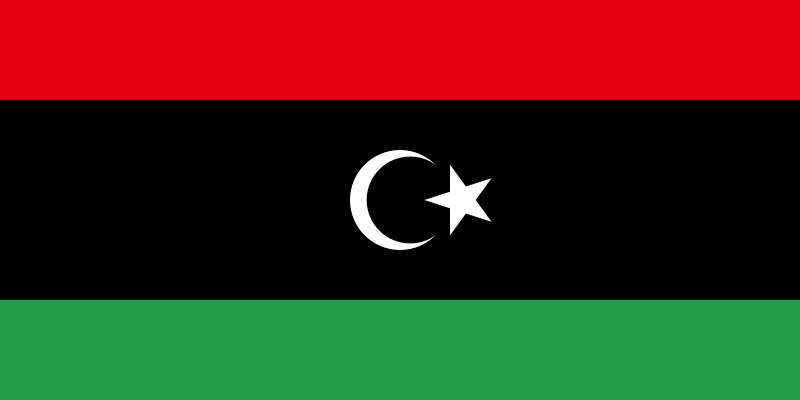
Kingdom of Libya
kingdom in Northern Africa

Isin
Isin (, modern Arabic: Ishan al-Bahriyat) is an archaeological site in Al-Qādisiyyah Governorate, Iraq which was the location of the Ancient Near East city of Isin, occupied from the late 4th millennium Uruk period up until at least the late 1st millennium BC Neo-Babylonian period. It lies about southeast of the modern city of Al Diwaniyah.

Pagan kingdom
former country

Osroene
Osroene or Osrhoene (; ) was an ancient kingdom and region in Upper Mesopotamia. The Kingdom of Osroene, also known as the "Kingdom of Edessa" ( / "Kingdom of Urhay"), according to the name of its capital city (now Şanlıurfa, Turkey), existed from the 2nd century BC up to the 3rd century AD, and was ruled by the Nabataean Arab Abgarid dynasty. They were generally allied with the Parthians.

Arwad
thumb|A satellite image of Arwad, with Tartus on the [[Syrian coast to the east]]

Kingdom of Bosnia
1377–1463 Bosnian medieval state, evolved from the Banate of Bosnia

Sheba
Sheba, or Saba, was an ancient South Arabian kingdom that existed in Yemen before 275 CE. It likely began to exist between c. 1000 BCE and c. 800 BCE. Its inhabitants were the Sabaeans, who, as a people, were indissociable from the kingdom itself for much of the 1st millennium BCE. Modern historians agree that the heartland of the Sabaean civilization was located in the region around Marib and Sirwah. In some periods, they expanded to much of modern Yemen and even parts of the Horn of Africa, particularly Eritrea and Ethiopia. The kingdom's native language was Sabaic, which was a variety of Ol

Arab Kingdom of Syria
former country
Kingdom of Valencia
kingdom at the Iberian Peninsula existing between 1238-1707
Kingdom of Galicia and Lodomeria
crownland of the Habsburg monarchy in Central Europe (1772–1918)

Gutian people
The Guti (), also known by the derived exonyms Gutians or Guteans, were a people of the ancient Near East who both appeared and disappeared during the Bronze Age. Their homeland was known as Gutium (Sumerian: , GutūmKI or , GutiumKI).
Conflict between people from Gutium and the Akkadian Empire has been linked to the collapse of the empire, towards the end of the although economic factors, climate change and internal strife also played a part. The Guti subsequently overran southern Mesopotamia and formed the short-lived Gutian dynasty of Sumer, overseeing a period of economic and cultural decli

Kingdom of East Anglia
Anglo-Saxon kingdom in southeast Britain

Ambohimanga
Ambohimanga is a hill and traditional fortified royal settlement (rova) in Madagascar, located approximately northeast of the capital city of Antananarivo. It is situated in the commune of Ambohimanga Rova.

Sippar
Sippar (Sumerian: , Zimbir) (also Sippir or Sippara) was an ancient Near Eastern Sumerian and later Babylonian city on the east bank of the Euphrates river. Its tell is located at the site of modern Tell Abu Habbah near Yusufiyah in Iraq's Baghdad Governorate, some north of Babylon and southwest of Baghdad. The city's ancient name, Sippar, could also refer to its sister city, Sippar-Amnanum (located at the modern site of Tell ed-Der); a more specific designation for the city here referred to as Sippar was Sippar-Yaḫrurum (Sippar-Jaḫrurum). The name comes from the Amorite Yaḫrurum tribe that li

Kingdom of Bernicia
Bernicia () was an Anglo-Saxon kingdom established by Anglian settlers of the 6th century in what is now southeastern Scotland and North East England.

Kingdom of Etruria
Italian kingdom between 1801 and 1807 that made up a large part of modern Tuscany
Kingdom of Finland
historical unrecognized state

Kingdom of Tungning
former country
Kingdom of Germany
10th-century kingdom of Germany

Umma

Eshnunna
Eshnunna (Ešnunna, also Ašnunna, Išnun, Ašnun, Ašnunnak, and Ešnunak.) (modern Tell Asmar in Diyala Governorate, Iraq) was an ancient Sumerian (and later Akkadian) city and city-state in central Mesopotamia 12.6 miles northwest of Tell Agrab and 15 miles northwest of Tell Ishchali. Although situated in the Diyala Valley northwest of Sumer proper, the city nonetheless belonged securely within the Sumerian cultural milieu. It is sometimes, in very early archaeological papers, called Ashnunnak or Tupliaš.
Kingdom of Thessalonica
13th Century short-lived Crusader state founded after the Fourth Crusade, 1204-1224
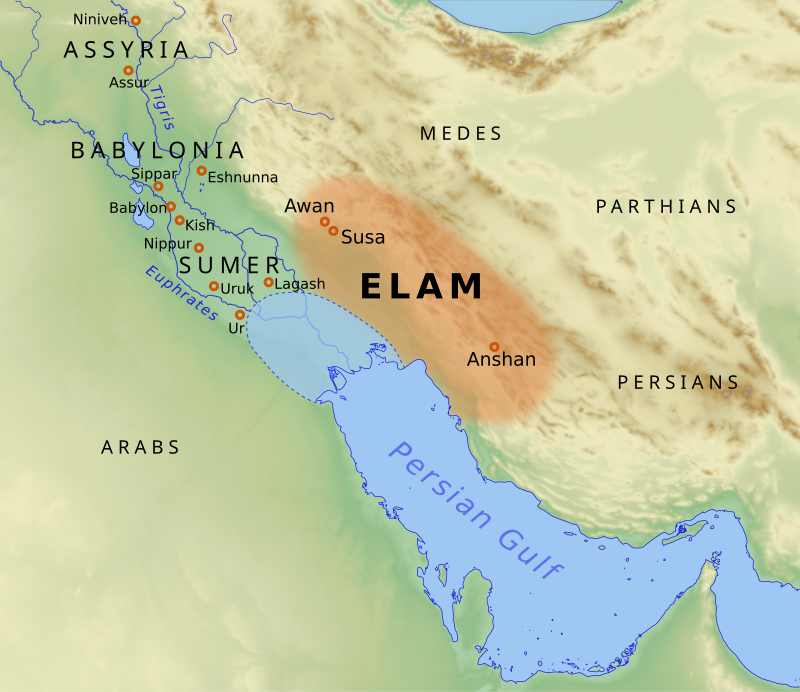
Anshan Persia
ancient city of Elam
Kingdom of Dalmatia
second kingdom, crown land of the Austrian Empire (1815-1867) and the Cisleithanian half of Austria-Hungary (1867-1918)

Kuru Kingdom
ancient South Asian kingdom

Kingdom of Iceland
former country

Kingdom of Majorca
constitutional monarchy which existed between 1229–1715

Merina Kingdom
former country
Kingdom of Italy
(962 – 1801) constituent kingdom of the Holy Roman Empire
Kingdom of Thiruvithamkoor
The Kingdom of Travancore (), also known as the Thiruvithamkoor Kingdom () and Travancore State, was a kingdom that lasted from until 1949. It was ruled by the Travancore royal family from Padmanabhapuram, and later Thiruvananthapuram. At its zenith, the kingdom covered most of the south of modern-day Kerala (Idukki, Kottayam, Alappuzha, Pathanamthitta, Kollam, and Thiruvananthapuram districts, major portions of Ernakulam district, Puthenchira village of Thrissur district) and the southernmost part of modern-day Tamil Nadu (Kanyakumari district and some parts of Tenkasi district) with the Thac
Monpa people
ethnic group lives in Northeastern India and Southwestern China
Nabataean kingdom
ancient Arab Kingdom (3rd century BC - 106 AD)