Category
page 1Fuel gas

methane
Methane ( , ) is a chemical compound that has the chemical formula (one carbon atom bonded to four hydrogen atoms). It is a group-14 hydride, the simplest alkane, and the main constituent of natural gas. The abundance of methane on Earth makes it an economically attractive fuel, although capturing and storing it is difficult because it is a gas at standard temperature and pressure. In the Earth's atmosphere methane is transparent to visible light but absorbs infrared radiation, acting as a greenhouse gas. Methane is an organic hydrocarbon, and among the simplest of organic compounds.

natural gas
fossil fuel

biogas
thumb|270px|Simple sketch of household biogas plant

acetylene
Acetylene (systematic name: ethyne) is a chemical compound with the formula and structure . It is a hydrocarbon and the simplest alkyne. This colorless gas is widely used as a fuel and a chemical building block. It is unstable in its pure form and thus is usually handled as a solution. Pure acetylene is odorless, but commercial grades usually have a marked odor due to impurities such as divinyl sulfide and phosphine.

butane
Butane () is an alkane with the formula C4H10. Butane exists as two isomers, n-butane, and iso-butane, . Both isomers are highly flammable, colorless, easily liquefied gases that quickly vaporize at room temperature and pressure. Butanes are a trace component of natural gases, which contain higher concentrations of other hydrocarbons such as propane, ethane, and especially methane. Liquefied petroleum gas is a mixture of propane and some butanes.

propane
thumb|A 20 lb () steel propane cylinder. This cylinder is fitted with an overfill prevention device (OPD) valve, as evidenced by the trilobular handwheel.
Propane () is a three-carbon chain alkane with the molecular formula . It is a gas at standard temperature and pressure, but becomes liquid when compressed for transportation and storage. A by-product of natural gas processing and petroleum refining, it is often a constituent of liquefied petroleum gas (LPG), which is commonly used as a fuel in domestic and industrial applications and in low-emissions public transportation; other constituent
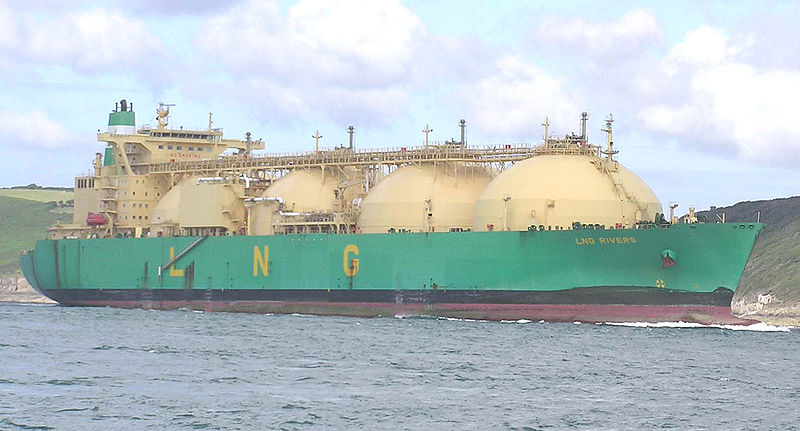
liquefied natural gas
natural gas converted to liquid form for storage or transport
propyne
Propyne (methylacetylene) is an alkyne with the chemical formula . It is a component of MAPD gas—along with its isomer propadiene (allene), which was commonly used in gas welding. Unlike acetylene, propyne can be safely condensed.
syngas
Syngas, or synthesis gas, is a mixture of hydrogen and carbon monoxide in various ratios. The gas often contains some carbon dioxide and methane. It is principally used for producing ammonia or methanol. Syngas is combustible and can be used as a fuel. Historically, it has been used as a replacement for gasoline when gasoline supply has been limited; for example, wood gas was used to power cars in Europe during WWII (in Germany alone, half a million cars were built or rebuilt to run on wood gas).
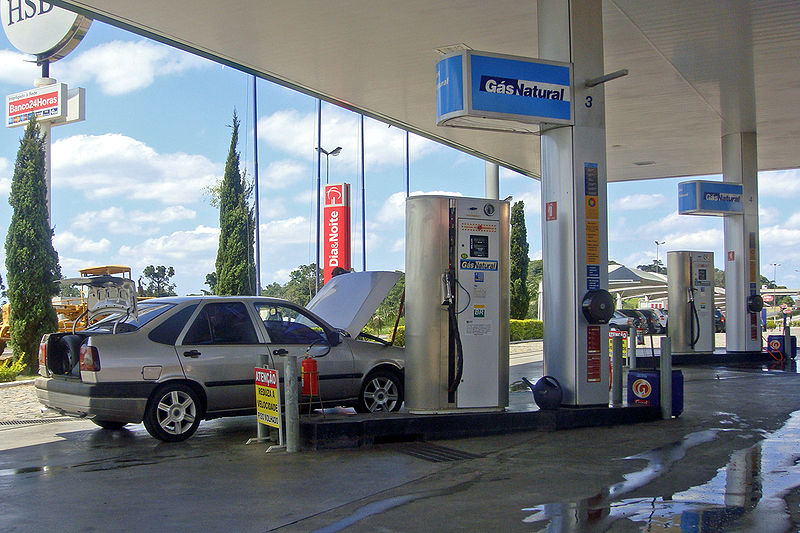
compressed natural gas
CNG, fuel which can be used in place of gasoline, diesel fuel and propane/LPG
propadiene
Propadiene () or allene () is the organic compound with the formula . It is the simplest allene, i.e. a compound with two adjacent carbon double bonds. As a constituent of MAPP gas, it has been used as a fuel for specialized welding.
town gas
fuel

gasification
Gasification is a process that converts biomass- or fossil fuel-based carbonaceous materials into gases, including as the largest fractions: dinitrogen (N2), carbon monoxide (CO), dihydrogen (H2), and carbon dioxide (). This is achieved by reacting the feedstock material at high temperatures (typically >700 °C), without combustion, via controlling the amount of oxygen and/or steam present in the reaction. The resulting gas mixture is called syngas (from synthesis gas) or producer gas and is itself a fuel due to the flammability of the H2 and CO of which the gas is largely composed. Power

firedamp
Firedamp is any flammable gas found in coal mines, typically coalbed methane. It is particularly found in areas where the coal is bituminous. The gas accumulates in pockets in the coal and adjacent strata and, when they are penetrated, the release of the gas can cause explosions. Historically, if such a pocket was highly pressurized, it was termed a "bag of foulness".
fuel gas
combustible in gas form
water gas
mixture of carbon monoxide and hydrogen
wood gas
syngas fuel created by gasification of biomass
Blast furnace gas
gasmixture as by-product of steelworks
steam reforming
method for producing hydrogen, carbon monoxide, or other useful products from hydrocarbon fuels

biohydrogen
thumb|Microbial hydrogen production.
Biohydrogen is H2 that is produced biologically. Interest is high in this technology because H2 is a clean fuel and can be readily produced from certain kinds of biomass, including biological waste. Furthermore some photosynthetic microorganisms are capable of producing H2 directly from water splitting using light as energy source.

autogas
thumb|A Shell Oil|Shell autogas refuelling station
Wobbe index
indicator of the interchangeability of fuel gases
Gas to liquids
conversion of natural gas to liquid petroleum products

gasworks
thumb|250px|Municipal gasworks in Poznań that produced coal gas between 1856 and 1973. Currently used for distribution of [[natural gas.]]
thumb|250px|Disused gasworks that has become a Gas Works Park|public park located at in [[Seattle, Washington.]]
A gasworks or gas house is fundamentally a scalable (by output quantity) flammable Gas Producer/generator whose size depends on the scale of the gas distribution system it supports.
wood gas generator
device for producing combustible gas from timber or charcoal
producer gas
obsolete form of gas fuel
Associated petroleum gas
gaseous by-product of the petroleum production
compressed hydrogen
gaseous state of the element hydrogen kept under pressure

Blau gas
artificial illuminating gas similar to propane
gas burner
device producing controlled flame produced by combusting a fuel gas

Campingaz
Campingaz, formerly Camping Gaz, is a brand of products with compressed, mixed butane/propane gas supplied in small, lightweight, disposable canisters and larger, refillable cylinders designed for use as a fuel while camping and caravanning. The fuel gas is compressed to a liquid and sold in characteristic blue metal containers. The brand name is also used on appliances manufactured for use with the gas, namely cookers, lanterns, heaters, grills, refrigerators, etc., as well as more general camping equipment, such as sleeping bags.
thumb|upright=1.1|Historic name Camping Gaz on a butane gas bo
HCNG
thumb|HCNG -CNG emission
HCNG or H2CNG (hydrogen compressed natural gas) is a mixture of compressed natural gas and 4–9 percent hydrogen by energy. It may be used as a fuel gas for internal combustion engines and home appliances.
mond gas
cheap form of Coal gas
MAPP gas
mixture
regasification
220px|thumb|right|Regasification terminal of Tokyo Gas in Yokohama
Regasification is a process of converting liquefied natural gas (LNG) at −162 °C (−260 °F) temperature back to natural gas at atmospheric temperature. LNG gasification plants can be located on land as well as on floating barges, i.e. a Floating Storage and Regasification Unit (FSRU). Floating barge mounted plants have the advantage that they can be towed to new offshore locations for better usage in response to changes in the business environment. In a conventional regasification plant, LNG is heated by sea water to convert it
Pintsch gas
flammable gas distilled from heavy hydrocarbons