Category
page 1Fusional languages

English language
English is a West Germanic language of the Indo-European language family. It emerged in early medieval England and has since become a global lingua franca. The namesake of the language is the Angles, one of the Germanic peoples who migrated to Britain after the end of Roman rule. English is the most spoken language in the world, primarily due to the global influences of the former British Empire and the United States. It is the most widely learned second language in the world, with more second-language speakers than native speakers. However, English is only the third-most spoken native language, after Mandarin Chinese and Spanish.

German
West Germanic language native to Central Europe

Spanish
Romance language originating in the Iberian Peninsula

French
Romance language

Arabic
Arabic is a Central Semitic language of the Afroasiatic language family spoken primarily in the Arab world. The International Organization for Standardization (ISO) assigns language codes to 32 varieties of Arabic, including its standard form of Literary Arabic, known as Modern Standard Arabic, which is derived from Classical Arabic. This distinction exists primarily among Western linguists; Arabic speakers themselves generally do not distinguish between Modern Standard Arabic and Classical Arabic, but rather refer to both as ( "the eloquent Arabic") or simply '''' ().

Latin
Latin ( or ) is a classical language belonging to the Italic branch of the Indo-European languages. Latin was originally spoken by the Latins in Latium (now known as Lazio), the lower Tiber area around Rome, Italy. Through the expansion of the Roman Republic, it became the dominant language in the Italian Peninsula and subsequently throughout the Roman Empire. It has greatly influenced many languages, including English, having contributed many words to the English lexicon, particularly after the Christianisation of the Anglo-Saxons and the Norman Conquest. Latin roots appear frequently in the
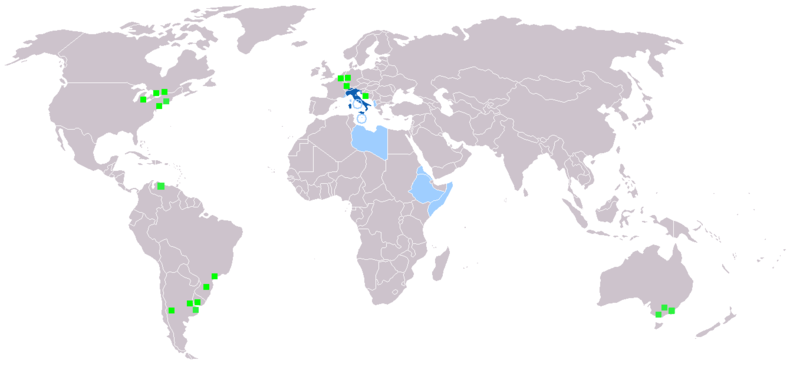
Italian
Romance language

Portuguese
Western Romance language

Greek
Indo-European language

Hebrew
Northwest Semitic language

Hindi
Modern Standard Hindi (), commonly referred to as Hindi, is an Indo-Aryan language written in the Devanagari script. It is an official language of the government of India, and is the lingua franca for most of the northern half of India.

Urdu
Urdu (, , ) is an Indo-Aryan language spoken primarily in South Asia. It is the national language and lingua franca of Pakistan. It is also an official Eighth Schedule language in India, the status and cultural heritage of which are recognised by the Constitution of India — alongside having official status in several Indian states (Uttar Pradesh, Bihar, Jharkhand, West Bengal, and both Telugu states).

Danish
North Germanic language spoken in Northern Europe
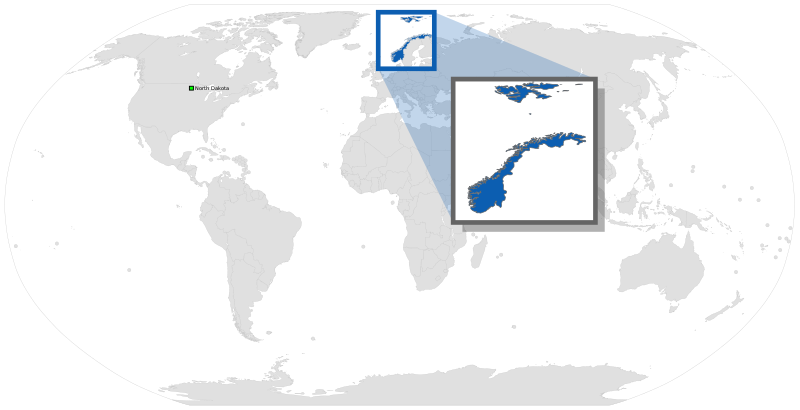
Norwegian
North Germanic language spoken in Norway
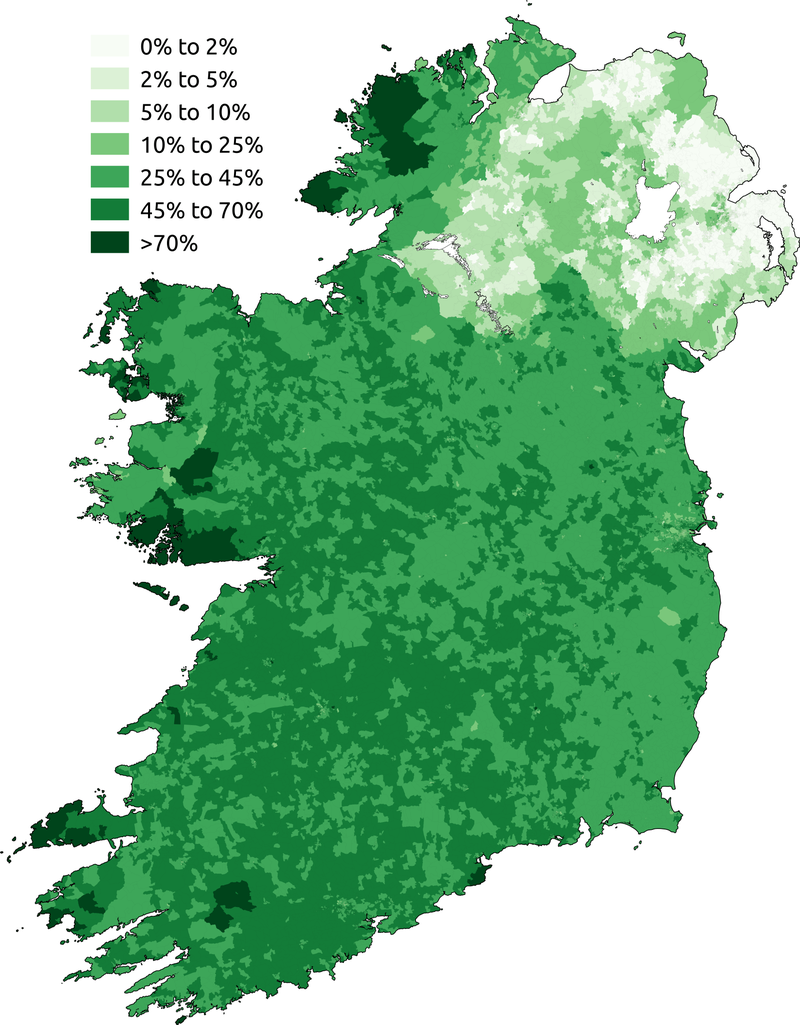
Irish
language native to Ireland

Welsh
Brittonic language spoken natively in Wales
Interlingua
Interlingua (, ) is an international auxiliary language (IAL) developed between 1937 and 1951 by the American International Auxiliary Language Association (IALA). It is a constructed language of the "naturalistic" variety, whose vocabulary, grammar, and other characteristics are derived from natural languages. Interlingua literature maintains that (written) Interlingua is comprehensible to the billions of people who speak Romance languages, though it is actively spoken by only a few hundred.

Slavic
subfamily of Indo-European languages

Pashto
Pashto (, ; , ) is an Eastern Iranian language in the Indo-European language family, natively spoken in northwestern Pakistan and southern and eastern Afghanistan. It has official status in Afghanistan. It was also known in historical Persian literature as Afghani ().

Punjabi
Indo-Aryan language spoken in the Punjab region of Pakistan and India

Nepali
official language of Nepal

Scottish Gaelic
Goidelic Celtic language of Scotland
%20in%20amharic.jpg)
Amharic
Amharic is an Ethio-Semitic language, which is a subgrouping within the Semitic branch of the Afroasiatic languages. It is spoken as a first language by the Amhara people, and also serves as a lingua franca for all other metropolitan populations in Ethiopia.

Hausa
Chadic language native to the Hausa people

Coptic
latest stage of the Egyptian language

Sinhala
Indo-Aryan language native to Sri Lanka

Tigrinya
Semitic language spoken in Ethiopia and Eritrea

Fiji Hindi
language spoken by most Fijian citizens of Indian descent
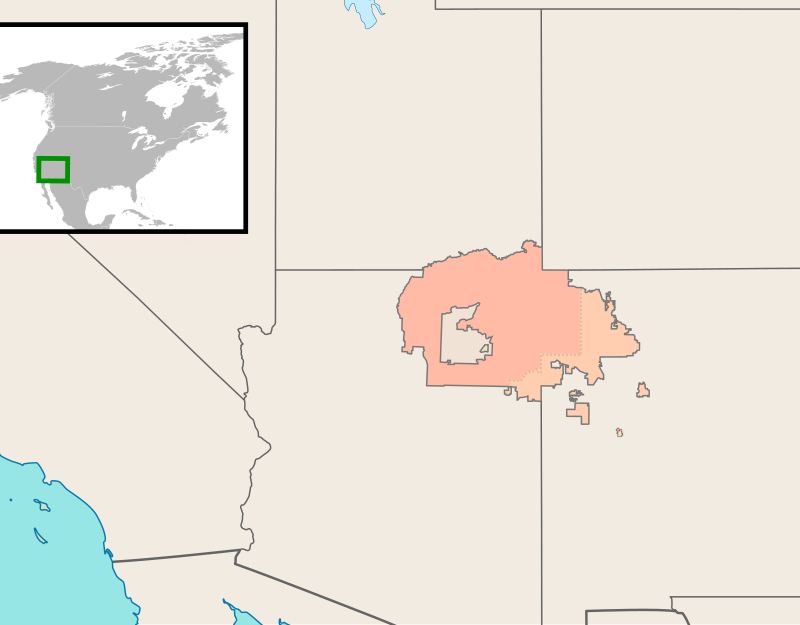
Navajo
Athabaskan language of Na-Dené stock spoken in the southwestern United States

Pennsylvania German
variety of West Central German

American Sign Language
sign language used predominately in the United States
fusional language
language where one kind of inflection indicates multiple changes of aspect

Sindarin
Sindarin is one of the constructed languages devised by J. R. R. Tolkien for use in his fantasy stories set in Arda, primarily in Middle-earth. Sindarin is one of the many languages spoken by the Elves.
Assyrian Neo-Aramaic
Neo-Aramaic dialect
Standard High German
written and formal spoken German
Venedic
naturalistic constructed language
Caribbean Hindustani
Bhojpuri-based koiné language
Sarnámi Hindustáni
language