Category
page 1Glass compositions
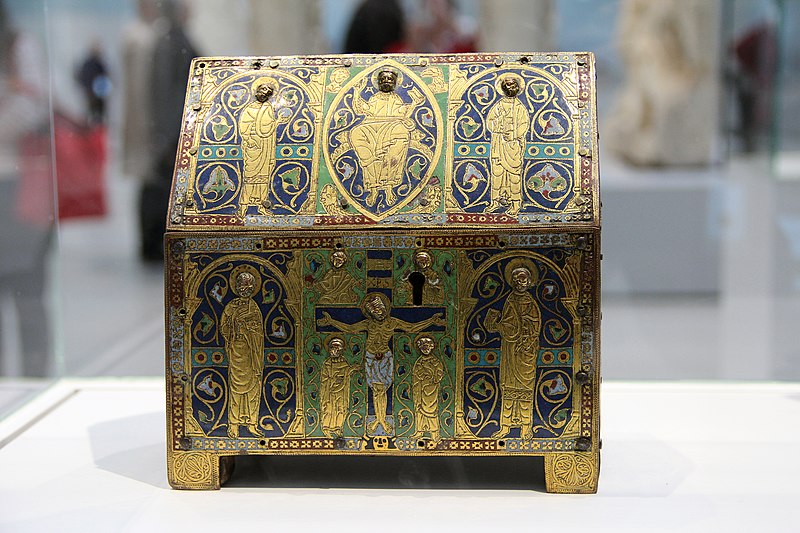
vitreous enamel
material made by fusing powdered glass to a substrate by firing

lead glass
variety of glass in which lead replaces the calcium content of a typical potash glass
phosphorus pentoxide
chemical compound

ceramic glaze
layer or coating of vitreous substance fused to a ceramic object
diboron trioxide
chemical compound

aluminosilicate
Aluminosilicate refers to materials containing anionic Si-O-Al linkages. Commonly, the associate cations are sodium (Na+), potassium (K+) and protons (H+). Such materials occur as minerals, coal combustion products and as synthetic materials, often in the form of zeolites. Both synthetic and natural aluminosilicates are of technical significance as structural materials, catalysts, and reagents.
germanium dioxide
chemical compound
borosilicate glass
type of glass with silica and boron trioxide as the main glass-forming constituents
crown glass
type of glass
uranium glass
glass colored with uranium oxide
flint glass
optical glass that has relatively high refractive index and low Abbe number (high dispersion)

Trinitite
thumb|upright=1.2|Trinitite
Trinitite, also known as atomsite or Alamogordo glass, is the glassy residue left on the desert floor after the plutonium-based Trinity nuclear bomb test on July 16, 1945, near Alamogordo, New Mexico. The glass is primarily made of arkosic sand composed of quartz grains and feldspar (both microcline and smaller amount of plagioclase with small amount of calcite, hornblende and augite in a matrix of sandy clay) that was melted by the atomic blast. It was first academically described in American Mineralogist in 1948.
lead(II) fluoride
chemical compound
fused quartz
glass consisting of pure silica
waterglass
aqueous solution of sodium, potassium and lithium silicates
potassium silicate
chemical compound
hexasodium hexametaphosphate
chemical compound
milk glass
opaque or translucent, milk white or colored glass
Egyptian faience
type of Ancient Egyptian sintered-quartz ceramic
sodium silicates
hygroscopic chemical compound of variable Na2O/SiO2 ratio precursor of waterglass
photochromic lens
optical lenses that darken on exposure to certain wavelengths of light
cranberry glass
red-colored glass made by adding gold to molten glass
soda-lime glass
most common type of glass
enamelled glass
glass which has been decorated with vitreous enamel
ground granulated blast-furnace slag
Granular slag by-product of iron and steel-making used as supplementary cementitious material
salt glaze
ceramic glaze
bioactive glass
surface reactive glass-ceramic biomaterial
cobalt glass
deep blue colored glass with cobalt
glass-to-metal seal
airtight seal which joins glass and metal surfaces
dichroic glass
glass which displays two different colors by undergoing a color change in certain lighting conditions
reagent bottle
laboratory storage container
Wood's glass
filter allows ultraviolet light to pass
retroreflective sheeting
reflective material
Low dispersion glass
lens glass material with reduced refractive index shift with wavelength
Phosphate glass
Phosphor oxide based glass in which SiO2 is replaced by P2O5 as network former
underglazing
thumb|Japanese porcelain Hirado ware paperweight with [[chrysanthemums and plum blossoms, underglaze blue and brown, 19th-century]]
thumb|Dish with cypress, Turkey, İznik, , underglaze-painted stonepaste – Royal Ontario Museum – DSC04735