Category
page 1Google software

Android
operating system created by Google for use on mobile devices

Google Chrome
Google Chrome is a cross-platform web browser developed by Google. It was launched in 2008 for Microsoft Windows and was built with free software components from Apple WebKit and Mozilla Firefox. Versions were later released for Linux, macOS, iOS, iPadOS, and Android, where it is currently the default browser. The browser is also the main component of ChromeOS, on which it serves as the platform for web applications.

Google Maps
Google's web mapping service (launched 2005)

Google Earth
virtual map program developed by Google

Google Play
digital software distribution platform from Google

Gemini
artificial intelligence chatbot developed by Google

Google Drive
cloud storage and file synchronization service from Google

Go
programming language developed by Google and the open-source community

Chromium
free and open-source cross-platform web browser

Google News
news aggregator and app developed by Google

Google Docs
office application suite from Google
Google Assistant
intelligent personal assistant

Google Pay
Mobile payments platform developed by Google

Google Meet
video-communication app
Google Photos
photo storage service developed by Google

Android Studio
integrated development environment for the Android platform

Google Classroom
blended learning platform

TensorFlow
TensorFlow is a software library for machine learning and artificial intelligence. It can be used across a range of tasks, but is used mainly for training and inference of neural networks. It is one of the most popular deep learning frameworks, alongside others such as PyTorch. It is free and open-source software released under the Apache License 2.0.
Dart
programming language
transformer
machine-learning model architecture first developed by Google Brain
Gboard
Gboard is a virtual keyboard app developed by Google for Android and iOS devices. It was first released for iOS in May 2016, followed by a release for Android in December 2016, debuting as a major update to the already-established Google Keyboard app on Android.
Gemini
family of language models by Google DeepMind
Flutter
open-source UI software development kit for cross-platform applications

Waze
Waze Mobile Ltd, (; ) doing business as Waze (), formerly FreeMap Israel, is a subsidiary company of Google that provides satellite navigation software on smartphones and other computers that support the Global Positioning System (GPS). In addition to turn-by-turn navigation, it incorporates user-submitted travel times and route details while downloading location-dependent information over a cellular network. Waze describes its application as a community-driven initiative that is free to download and use.
Android TV
smart TV platform developed by Google
Google Keep
note-taking service developed by Google
Android Auto
Google app for use in conjunction with a modern car Head Unit or standalone
AngularJS
AngularJS (also known as Angular 1) is a discontinued free and open-source JavaScript-based web framework for developing single-page applications. It was maintained mainly by Google and a community of individuals and corporations. It aimed to simplify both the development and the testing of such applications by providing a framework for client-side model–view–controller (MVC) and model–view–viewmodel (MVVM) architectures, along with components commonly used in web applications and progressive web applications.
V8
open-source JavaScript engine developed by Google
Google Web Toolkit
free Java library
Google Lens
object recognition tool developed by Google
Noto fonts
multilingual open-source typeface family from Google
ChromiumOS
ChromiumOS (formerly styled as Chromium OS) is a free and open-source Linux distribution designed for running web applications and browsing the World Wide Web. It is the open-source version of ChromeOS, a Linux distribution made by Google.
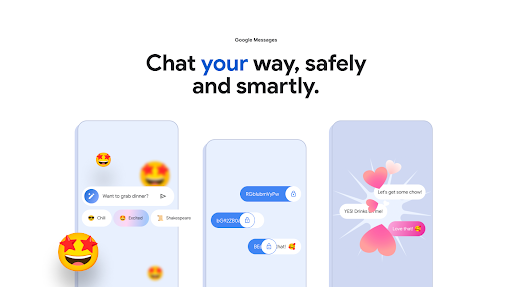
Google Messages
messaging application developed by Google LLC
bidirectional encoder representations from transformers
deep learning artificial neural network language model

LaMDA
LaMDA (Language Model for Dialogue Applications) is a family of conversational large language models developed by Google. Originally developed and introduced as Meena in 2020, the first-generation LaMDA was announced during the 2021 Google I/O keynote, while the second generation was announced the following year.
MapReduce
MapReduce is a programming model and an associated implementation for processing and generating big data sets with a parallel and distributed algorithm on a cluster.
Google Play Games
online gaming service

Google Sheets
cloud-based spreadsheet software
Angular
web application framework
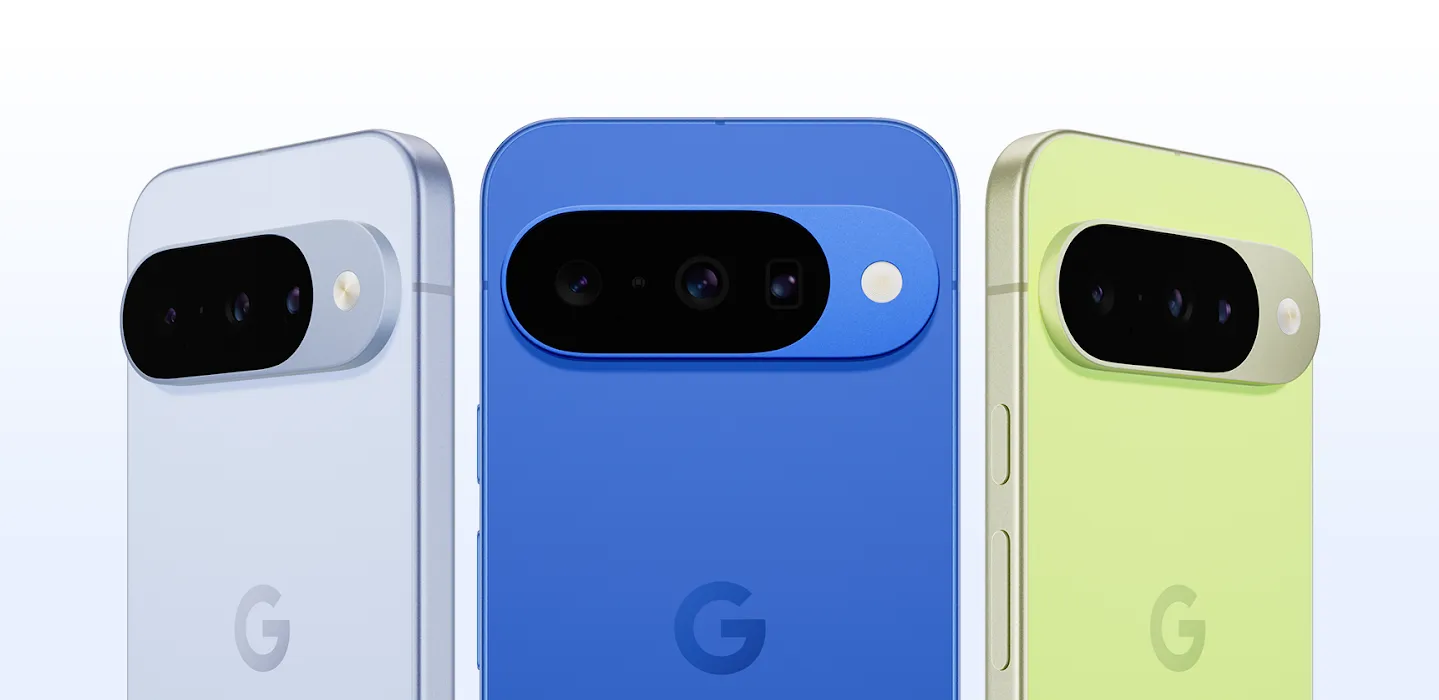
Google Goggles
downloadable image recognition application created by Google
Goobuntu
Goobuntu was a Linux distribution based on Ubuntu LTS (long-term support). It was used by almost 10,000 Google employees. It added a number of packages for in-house use, including security features and disabled the installation of some applications, but was otherwise similar. Thomas Bushnell, a Google technical leader for the company's Linux desktops, displayed Goobuntu at LinuxCon 2012. Bushnell said that "Goobuntu is simply a light skin over standard Ubuntu."
Google Forms
cloud-based form/survey software

VP9
VP9 is an open and royalty-free video coding format developed by Google.

VP8
VP8 is an open and royalty-free video compression format released by On2 Technologies in 2008.
Gerrit
free web-based team code collaboration tool
NotebookLM
thumb|An example of an w:Generative artificial intelligence|AI-generated conversation by NotebookLM (January 2025)
NotebookLM (Google NotebookLM; LM short for "Language Model") is a research and note-taking online tool developed by Google Labs that uses artificial intelligence (AI), specifically Google Gemini, to assist users in interacting with their documents.
Google Slides
Cloud-based presentation software
OpenRefine
OpenRefine is an open-source desktop application for data cleanup and transformation to other formats, an activity commonly known as data wrangling. It is similar to spreadsheet applications, and can handle spreadsheet file formats such as CSV, but it behaves more like a database.
Accelerated Mobile Pages
website publishing technology developed by Google
Google Podcasts
podcast application
PaLM
PaLM (Pathways Language Model) is a 540 billion-parameter dense decoder-only transformer-based large language model (LLM) developed by Google AI. Researchers also trained smaller versions of PaLM (with 8 and 62 billion parameters) to test the effects of model scale.
Googlebot
Googlebot is the web crawler software used by Google that collects documents from the web to build a searchable index for the Google Search engine. This name is actually used to refer to two different types of web crawlers: a desktop crawler (to simulate desktop users) and a mobile crawler (to simulate a mobile user).
Google Play Books
digital distribution service for ebooks

DeepDream
thumb|The Mona Lisa with DeepDream effect using VGG16 network trained on ImageNet
Snapseed
Snapseed is a photo-editing application for iOS and Android that enables users to enhance photos and apply digital filters. It was created by Nik Software, and is now owned by Google.
Google Play Services
proprietary background service and API package for Android devices from Google

Tesseract
free optical character recognition engine
Google Drawings
cloud-based diagramming software
Carbon
programming language