Category
page 1Habitat
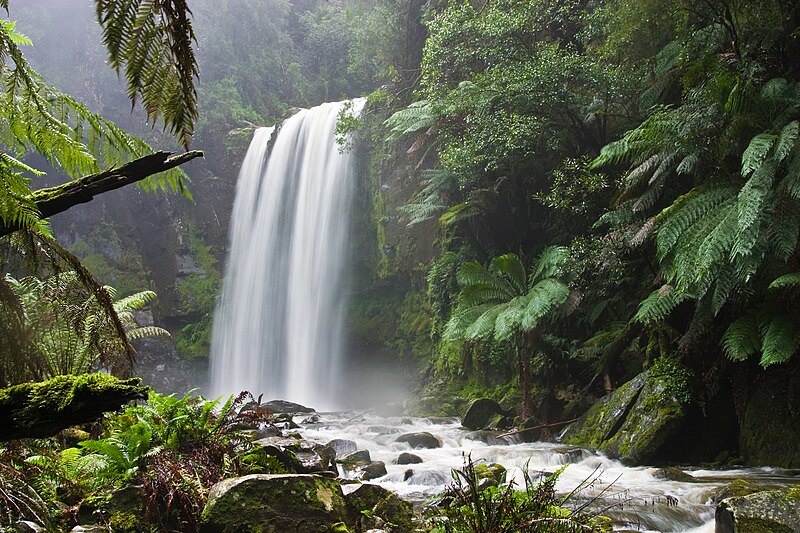
natural environment
all living and non-living things occurring naturally on Earth or some region thereof

endangered species
species of organisms facing a very high risk of extinction

biogeography
thumb|350px|Book frontispiece|Frontispiece to [[Alfred Russel Wallace's book The Geographical Distribution of Animals]]

flora
frame|right|Simplified schematic of an island's flora all its plant species, highlighted in boxes
Flora (: floras or florae) is all the plant life present in a particular region or time, generally the naturally occurring (indigenous) native plants. The corresponding term for animals is fauna, and for fungi, it is funga. Sometimes bacteria and fungi are also referred to as flora as in the terms gut flora or skin flora for purposes of specificity.
.jpg)
wetland
.JPG)
habitat
thumb|This coral reef in the [[Phoenix Islands Protected Area provides habitat for numerous marine species.]]
thumb|Few creatures make the ice shelf|ice shelves of [[Antarctica their habitat, but water beneath the ice can provide habitat for multiple species. Animals such as penguins have adapted to live in very cold conditions.]]
thumb| Ibex in an alpine habitat

environmentalism
Environmentalism is a broad philosophy, ideology, and social movement about supporting life, habitats, and surroundings. While environmentalism focuses on the environmental and nature-related aspects of green ideology and politics, ecologism combines the ideology of social ecology and environmentalism. Ecologism is a term more commonly used in continental European languages, while environmentalism is more commonly used in English, but the words have slightly different connotations.

biotope
thumb|Amazon rainforest biotope
.jpg)
endemism
thumb|Both the orange-breasted sunbird (Anthobaphes violacea) and the [[Kniphofia uvaria plant it feeds on are found exclusively in South Africa.]]
thumb|Bicolored frog (Clinotarsus curtipes) is endemic to the [[Western Ghats of India.]]
thumb|Montezuma Well in the [[Verde Valley of Arizona contains at least five endemic species found exclusively in the sinkhole.]]
vegetation
thumb|These maps show a scale, or index of greenness, based on several factors: the number and type of plants, leafiness, and plant health. Where foliage is dense and plants are growing quickly, the index is high, represented in dark green. Regions with sparse vegetation and a low vegetation index are shown in tan. Based on measurements from the Moderate Resolution Imaging Spectroradiometer (MODIS) on NASA's Terra satellite. Areas where there is no data are gray.

ecological niche
fit of a species living under specific environmental conditions.

invasive species
non-native organism causing damage to an established environment

ecological succession
process of change in the species structure of an ecological community over time
environment
surrounding of an organism or population

nature conservation
conservation of biodiversity, environment, and natural resources, including protection and management
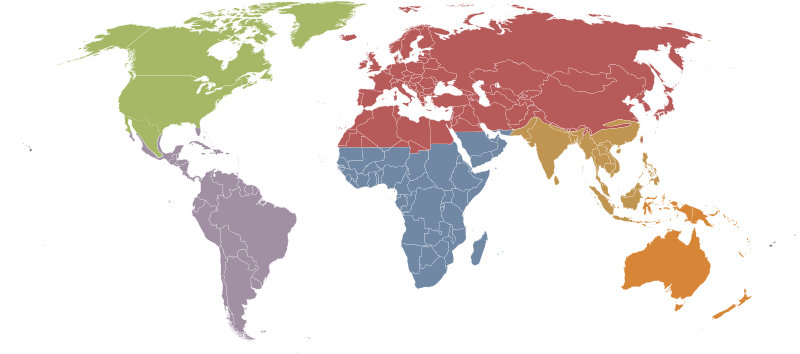
biogeographic realm
broadest biogeographic division of the Earth's land surface

reforestation
thumb|A forest, six years after reforestation efforts in Panama.
thumb|Reforestation in progress: Direct-sowing of seed in a burned area (after a wildfire) in the [[Idaho Panhandle National Forest, United States.]]
Reforestation is the practice of restoring previously existing forests and woodlands that have been destroyed or damaged. The prior forest destruction might have happened through deforestation, clearcutting or wildfires. Three important purposes of reforestation programs are for harvesting of wood, for climate change mitigation, and for ecosystem and habitat restoration purposes. On
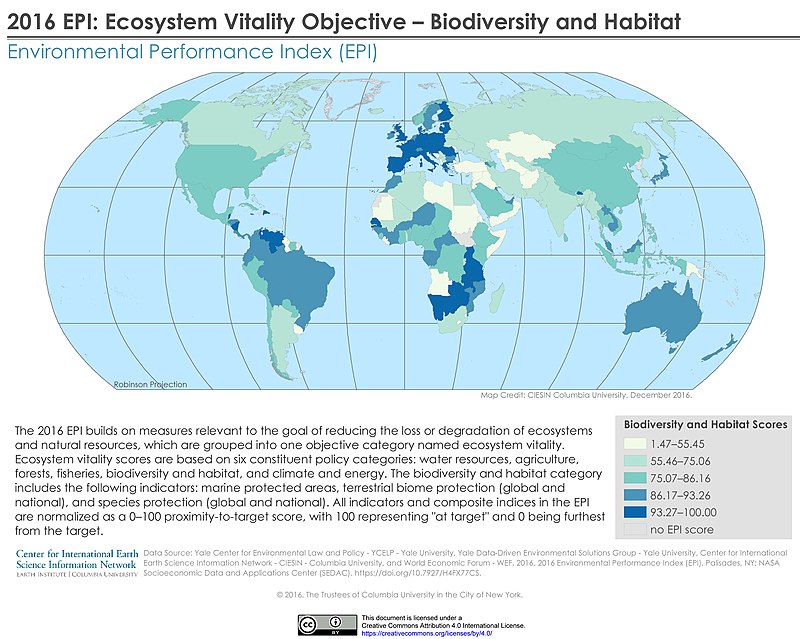
conservation biology
study of threats to biological diversity
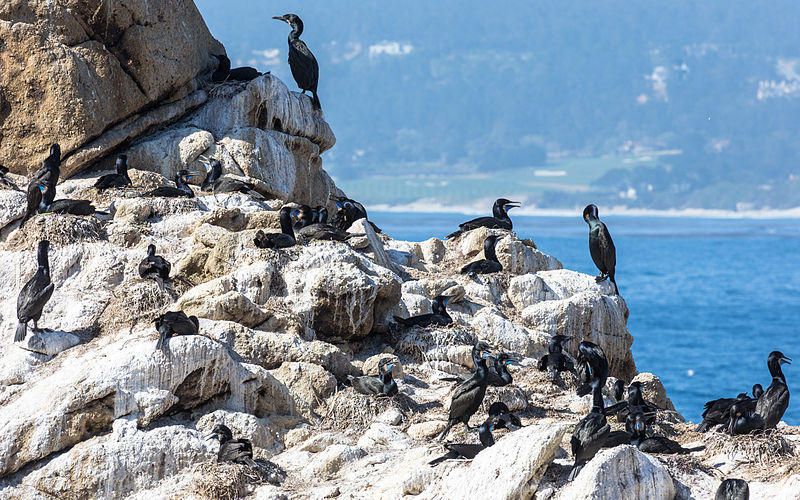
colony
term in biology

native species
term in biogeography for a species relationship to a geography; opposite of introduced species

landscape ecology
science of relationships between ecological processes in the environmental landscape and particular ecosystems

co-evolution
thumb|upright=1.5|The pollinating wasp Dasyscolia ciliata in [[pseudocopulation with a flower of Ophrys speculum]]
In biology, coevolution occurs when two or more species reciprocally affect each other's evolution through the process of natural selection. The term sometimes is used for two traits in the same species affecting each other's evolution, as well as gene-culture coevolution.

ecotone
thumb|Reed beds are a common form of lakeside ecotone. The beds tend to accumulate organic matter which is then colonised by trees, forcing the reeds further into the lake.
An ecotone is a transitional area between two plant communities, where these meet and integrate. Examples include areas between grassland and forest, estuary and lagoon, and freshwater and sea water. An ecotone may be narrow or wide, and it may be local (the zone between a field and forest) or regional (the transition between forest and grassland ecosystems). An ecotone may appear on the ground as a gradual blending of the
keystone species
species that has a disproportionately large effect on its environment relative to its abundance
temperate deciduous forest
deciduous forest in the temperate regions

bioindicator
thumb|Caddisfly (order Trichoptera), a [[macroinvertebrate used as an indicator of water quality.]]
A bioindicator is any species (an indicator species) or group of species whose function, population, or status can reveal the qualitative status of the environment. The most common indicator species are animals. For example, copepods and other small water crustaceans that are present in many water bodies can be monitored for changes (biochemical, physiological, or behavioural) that may indicate a problem within their ecosystem. Bioindicators can tell us about the cumulative effects of different
habitat fragmentation
discontinuities in an organism's environment causing population fragmentation and ecosystem decay
canopy
portion of a plant community or crop formed by plant crowns
habitat destruction
state when natural environment becomes unable to support its native species due to human activity

understory
thumb|Lesser celandine (Ficaria verna) on forest floor in spring
climax community
ecological community that has reached its final steady state
wildlife corridor
protected pathway for animals connecting wild territories

coppicing
Coppicing is the traditional method in woodland management of cutting down a tree to a stump, which in many species encourages new shoots to grow from the stump or roots, thus ultimately regrowing the tree. A forest or grove that has been subject to coppicing is called a copse or coppice, in which young tree stems are repeatedly cut down to near ground level. The resulting living stumps are called stools. New growth emerges, and after a number of years, the coppiced trees are harvested, and the cycle begins anew. Pollarding is a similar process carried out at a higher level on the tree in orde
gallery forest
type of riparian forest in dry regions
plant litter
dead plant material that has fallen to the ground
ecological community
populations of two or more species in a given area
arboreal locomotion
moving through trees

overgrazing
thumb|300px|Overgrazed area in western New South Wales ([[Australia), by loss of native flora, in the upper right corner]]
thumb|Satellite image of the border between Israel and [[Egypt. The Egyptian side, to the left, is overgrazed.]]
thumb|Penned goats in an overgrazed landscape (Norte Chico, Chile)
thumb|Huge herd of migratory wildebeest in Masai Mara during their annual migration shows landscape not overgrazed
riparian zone
interface between land and a river or stream
coarse woody debris
fallen dead trees and the remains of large branches on the ground in forests, rivers, or wetlands
restoration ecology
scientific study of renewing and restoring ecosystems
Refugium
ecological concept
species diversity
number of distinct species in a biological community

revegetation
thumb|300px|Revegetation on the banks of the Potomac River, USA
thumb|302x302px|CSIRO ScienceImage 4361 Revegetation of degraded site northern China 1991
thumb|302x302px|Riparian revegetation work at the Mount Polley mine in British Columbia, Canada
Revegetation is the process of replanting and rebuilding the soil of disturbed land. This may be a natural process produced by plant colonization and succession, manmade rewilding projects, accelerated process designed to repair damage to a landscape due to wildfire, mining, flood, or other cause. Originally the process was simply one of applying s
%202.jpg)
thicket
thumb|upright=1.5|A thicket of silver birch Betula pendula in [[Saratov Oblast, Russia]]
A thicket is a very dense stand of trees or tall shrubs, often dominated by only one or a few species, to the exclusion of all others. They may be formed by species that shed large numbers of highly viable seeds that are able to germinate in the shelter of the maternal plants.
edge effects
changes in population or community structures that occur at the boundary of two or more habitats
ecological disturbance
change in environmental conditions that causes a pronounced change in an ecosystem
ecosystem engineer
any animal that creates, significantly modifies, maintains or destroys a habitat
disjunct distribution
ecology
ruderal species
plant species that is first to colonize disturbed lands
genetic pollution
controversial term for uncontrolled dispersal of contaminated altered genes from genetically engineered organisms to natural organisms
rare species
group of organisms that are very uncommon, scarce, or infrequently encountered
evergreen forest
forest consisting entirely or mainly of evergreen trees which do not shed their leaves or needles seasonally
guild
group of sympatric species with similar ecological function
soil seed bank
viable seed present in the soil
Emerald network
protected area network in contracting states of the Bern Convention
Endangered status
IUCN status for species which are categorized as very likely to become extinct in the near future

ecological trap
phenomenon in which species sometimes prefer low-quality habitats
adventive plant
plants that are alien to the native flora
Minimum viable population
lower bound on the population of a species, such that it can survive in the wild