Category
page 1Harvestmen
.jpg)
Opiliones
The Opiliones (formerly Phalangida) are an order of arachnids,
colloquially known as harvestmen, harvesters, daddy long legs, or granddaddy long legs. Over 6,650 species of harvestmen have been discovered worldwide, although the total number of extant species may exceed 10,000. The order Opiliones includes five suborders: Cyphophthalmi, Eupnoi, Dyspnoi, Laniatores, and Tetrophthalmi, which were named in 2014.

Phalangium opilio
species of harvestman

Phalangiidae
The Phalangiidae are a family of harvestmen with about 380 known species. The best known is Phalangium opilio. Dicranopalpus ramosus is a common introduced species in Europe.
Laniatores
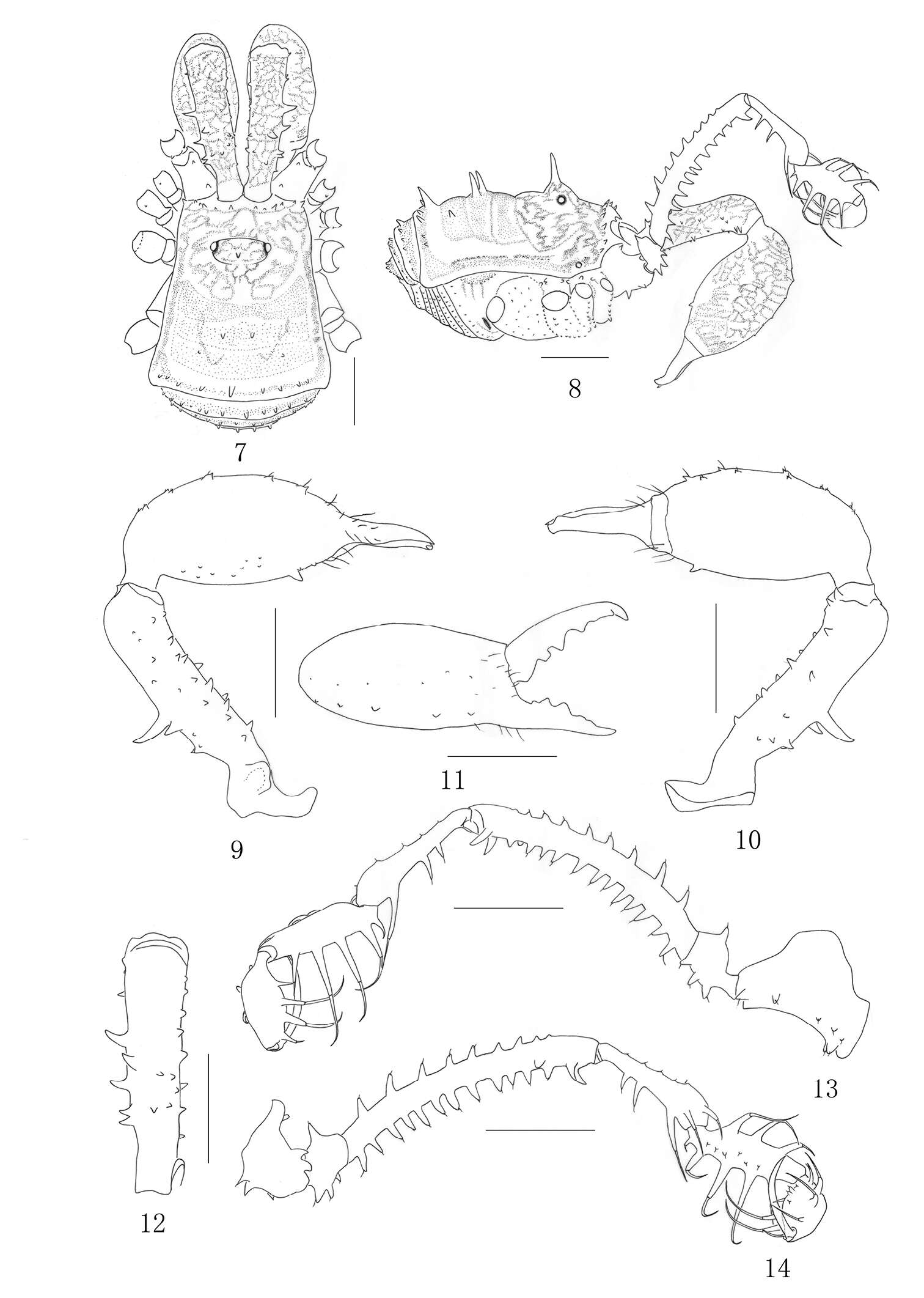
Laniatores is the largest suborder of the arachnid order Opiliones with over 4,200 described species worldwide. The majority of the species are highly dependent on humid environments and usually correlated with tropical and temperate forest habitats.

Eupnoi
The Eupnoi are a suborder of harvestmen, with more than 200 genera, and about 1,700 described species.
Cyphophthalmi
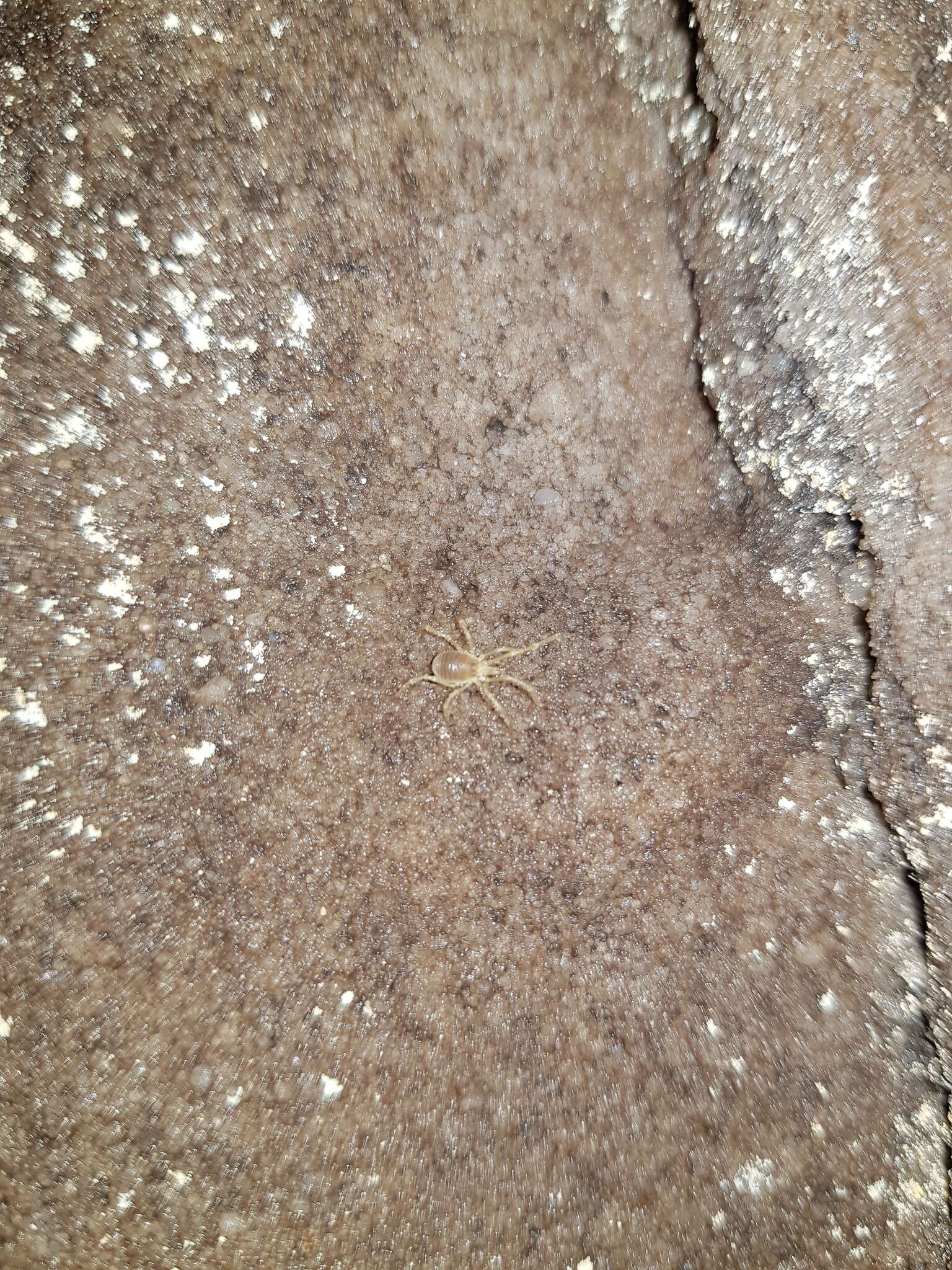
Cyphophthalmi is a suborder of harvestmen, colloquially known as mite harvestmen. Cyphophthalmi comprises 36 genera, and more than two hundred described species. The six families are currently grouped into three infraorders: the Boreophthalmi, Scopulophthalmi, and Sternophthalmi.

Mitopus morio
species of arachnid

Leiobunum
Leiobunum is a genus of the harvestman family Sclerosomatidae with more than 100 described species. Contrary to popular belief, they are not spiders, although they share a resemblance. They are arachnids, in the order Opiliones, harvestmen. Species in Leiobunum tend to have relatively long legs compared with other harvestmen, and some species are gregarious.

Opilio parietinus
species of arachnid
Pettalidae
The Pettalidae are a family of harvestmen with 75 described species in 10 genera. Several undescribed species are known or assumed in some genera.

Triaenonychidae
Triaenonychidae is a family of harvestmen with about 120 genera and more than 440 described species.
Podoctidae
Podoctidae is a family of the harvestman infraorder Grassatores with about 130 described species.

Phalangium
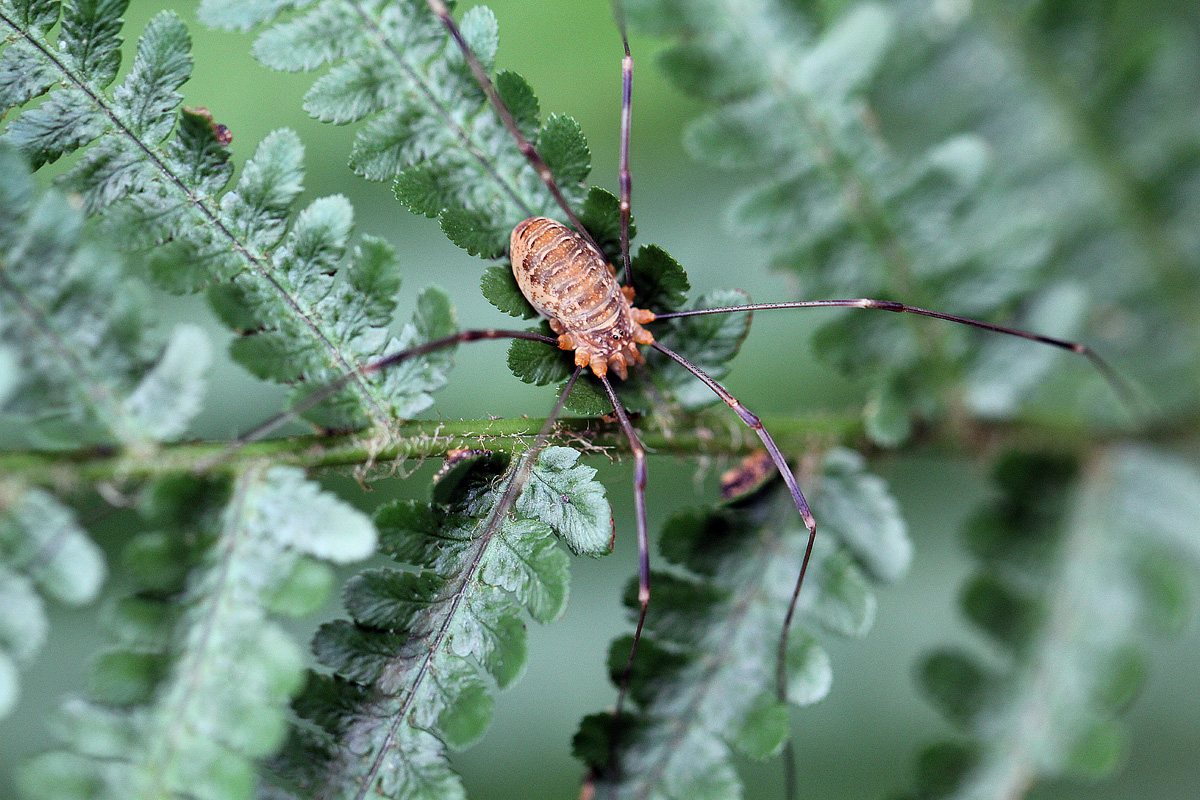
Phalangium is a genus of harvestmen that occur mostly in the Old World. The best known species is Phalangium opilio, which is so common in many temperate regions that it is simply called "harvestman".
Banksula melones
species of arachnid
Opilio canestrinii
species of arachnid

Ischyropsalididae
Ischyropsalididae is a family of harvestmen with 35 described species in 3 genera, found in Europe and North America.
thumb| Acuclavella leonardi
Dyspnoi
Dyspnoi is a suborder of harvestmen, currently comprising 43 extant genera and 356 extant species, although more species are expected to be described in the future. The eight families are currently grouped into three superfamilies: the Acropsopilionoidea, Ischyropsalidioidea, and Troguloidea.
Samooidea
Samooidea is a large superfamily in the Grassatores group of harvestmen. It includes around 380 species distributed throughout the tropics. They are characterized by the complex male genitalia, with eversible complementary sclerites.
Sironidae
The Sironidae are a family of harvestmen with more than 60 described species.
Samoidae
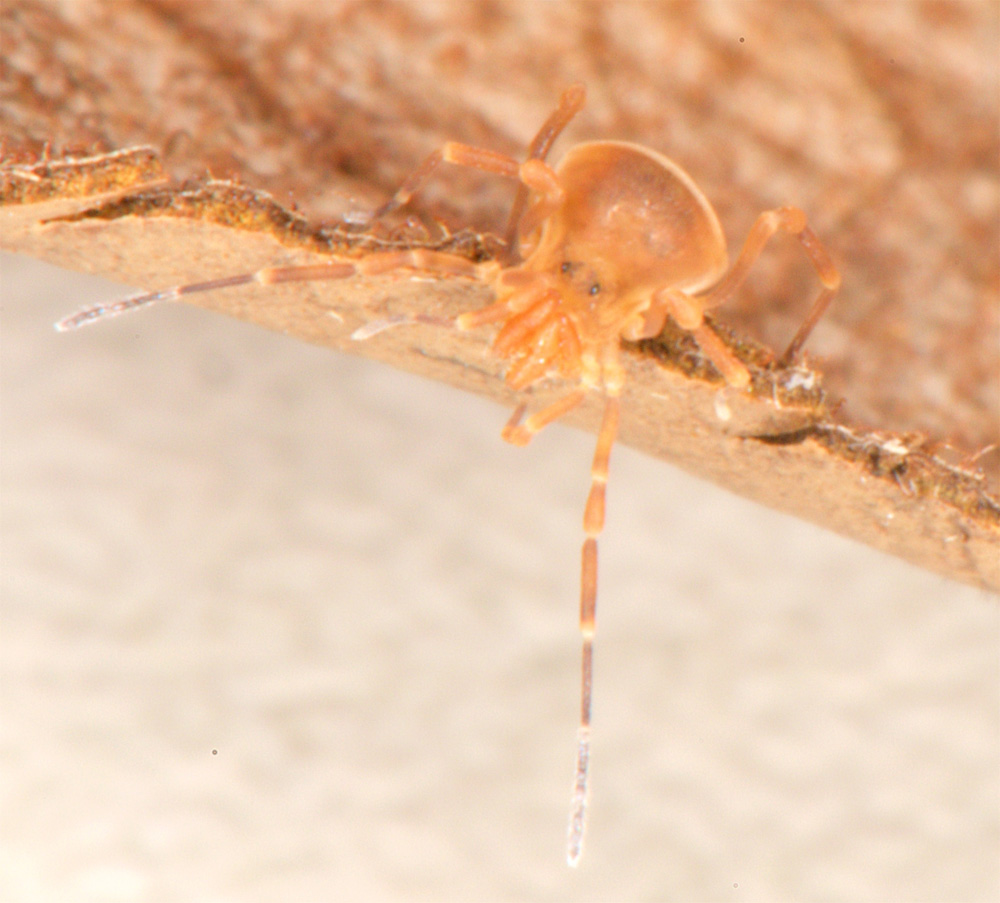
Samoidae is a family of the harvestman infraorder Grassatores with about fifty described species.
Travuniidae
The Travuniidae are a small family of harvestman with little more than ten described species, within the suborder Laniatores.
Banksula
Banksula is a genus of harvestman in family Phalangodidae. Currently, ten species are described, all of them endemic to California, United States.

Cosmetidae
Cosmetidae is a family of harvestmen in the suborder Laniatores. With over 700 species, it is one of the largest families in Opiliones. They are endemic of the New World with a Nearctic-Neotropical distribution where a large fraction of the diversity of Opiliones are represented by this single family.
Cosmetidae have the northern extent of their range into the USA, where a small number species occur in the southern states. However, the family is especially diverse in Mexico, Central America and northern South America; especially the Andean realms. Their range also extends further south into A
Trogulidae
Trogulidae is a family of harvestmen comprising 65 extant species (plus 1 extinct) in five genera.
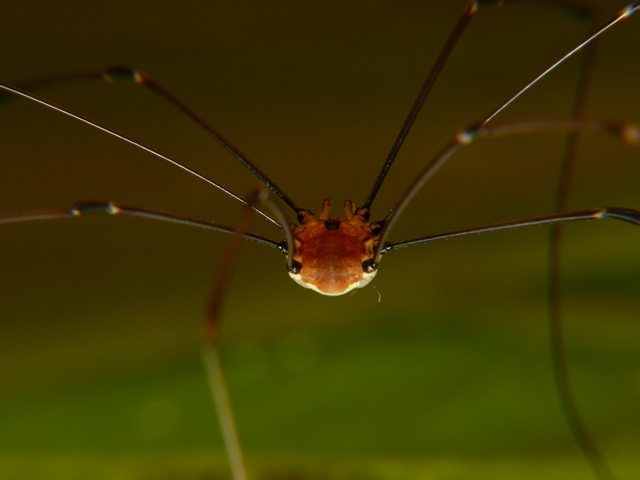
Leiobunum rotundum
species of arachnid
Gonyleptoidea
Gonyleptoidea is the most diverse superfamily of the Grassatores. It includes around 2,500 species distributed in the Neotropics. They are characterized by the simplified male genitalia, with the glans free subapical in the truncus.
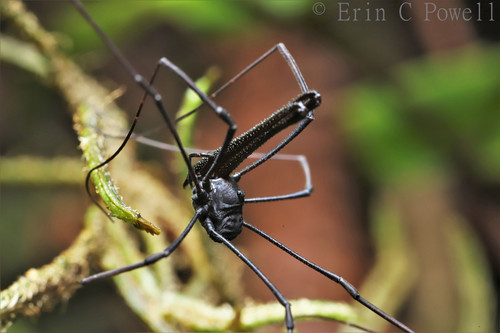
Pantopsalis albipalpis
species of harvestman endemic to New Zealand

Stylocellidae
The Stylocellidae are a family of harvestmen with about 40 described species, all of which occur in Southern or Southeastern Asia. Members of this family are from one to seven millimeters long. While Stylocellus species have eyes, these are absent in the other two genera.
Metalacurbs
Metalacurbs is a genus of harvestman in the family Biantidae, found in West Africa.
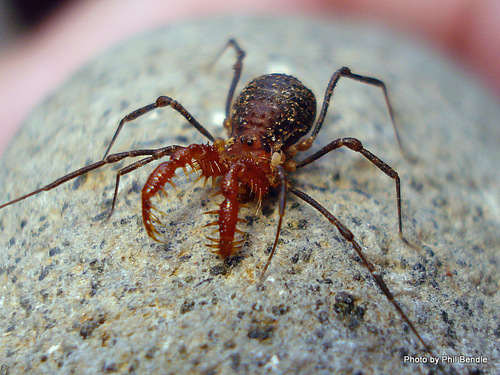
Sorensenella
Sorensenella is a genus in the harvestman subfamily Sorensenellinae in the family Triaenonychidae. It is endemic to New Zealand and currently includes three species and several subspecies. Members of this genus have large pedipalps armed with strong spines. The pedipalps are larger in males.
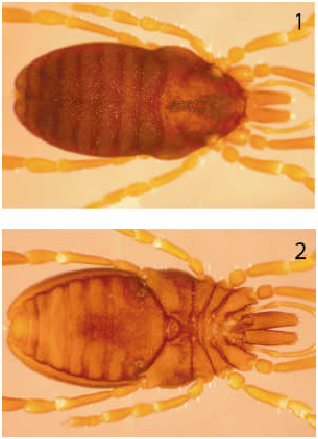
Rakaia
genus of arachnids
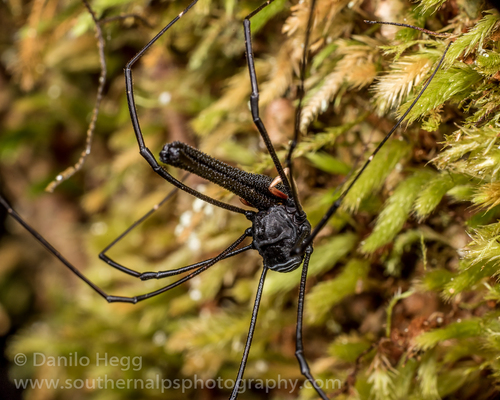
Pantopsalis cheliferoides
species of harvestman endemic to New Zealand
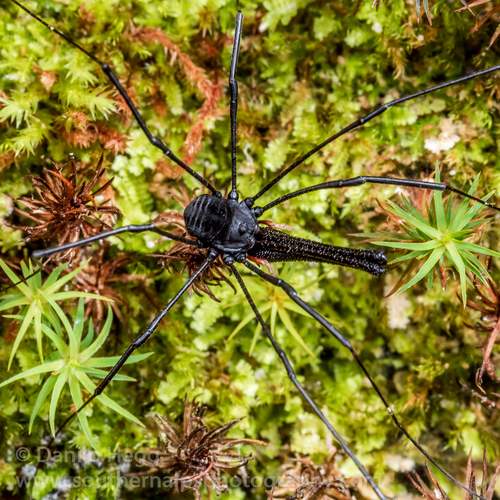
Pantopsalis listeri
species of harvestman (spider)
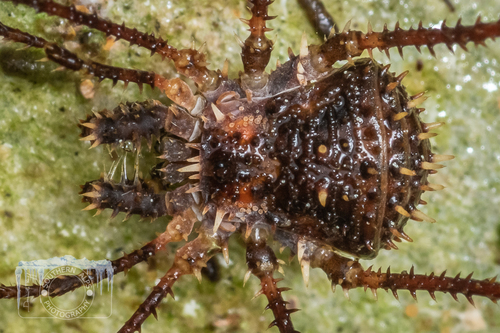
Triregia
Triregia is a genus of harvestmen (Opiliones) in the family Triaenonychidae. The genus is endemic to New Zealand.

Nemastoma
genus of arachnids
Texella
Texella is a genus of armoured harvestmen in the family Phalangodidae. There are more than 20 described species in Texella.
thumb|Texella reyesi
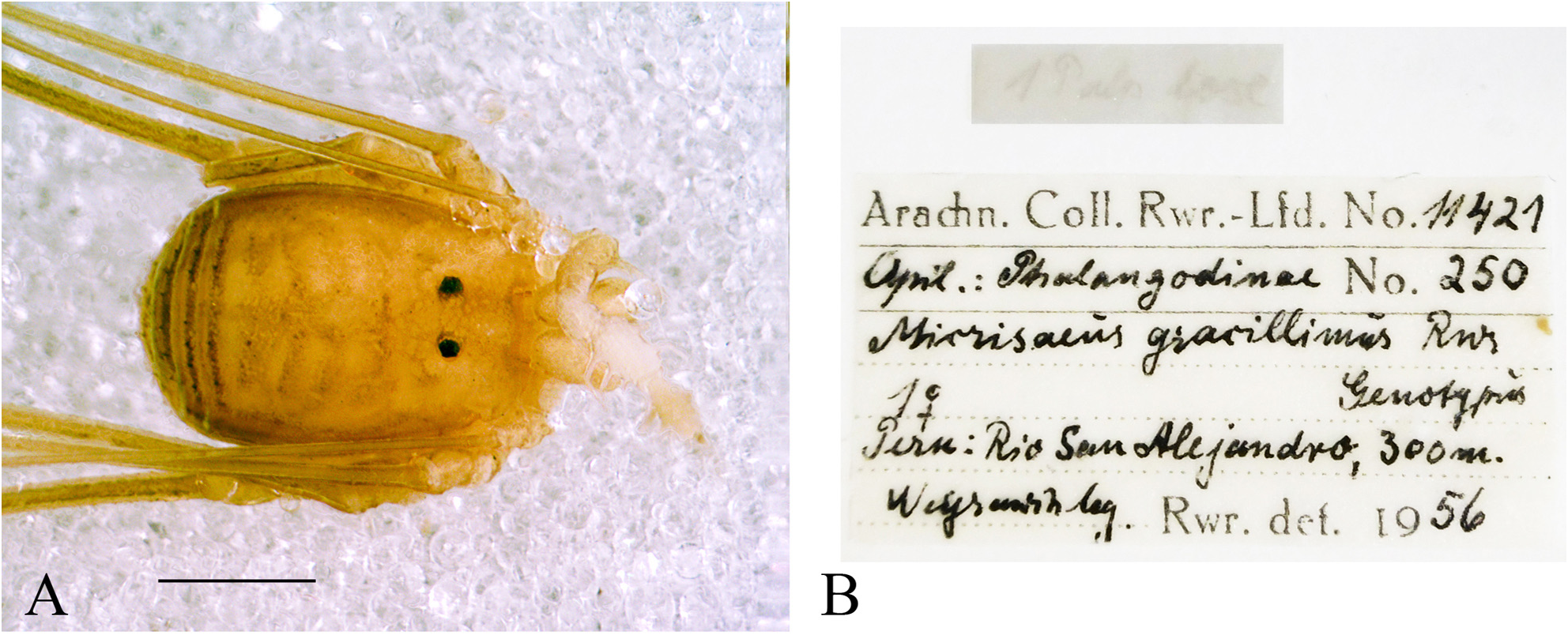
Agoristenidae
Agoristenidae are a neotropical harvestman family of the Suborder Laniatores, in the superfamily Gonyleptoidea.
Psalenoba
Psalenoba, is a monotypic genus of harvestmen in the family Triaenonychidae. The genus contains a single species, Psalenoba nunciaeformis. They are endemic to New Zealand.
Karamea
genus of arachnids
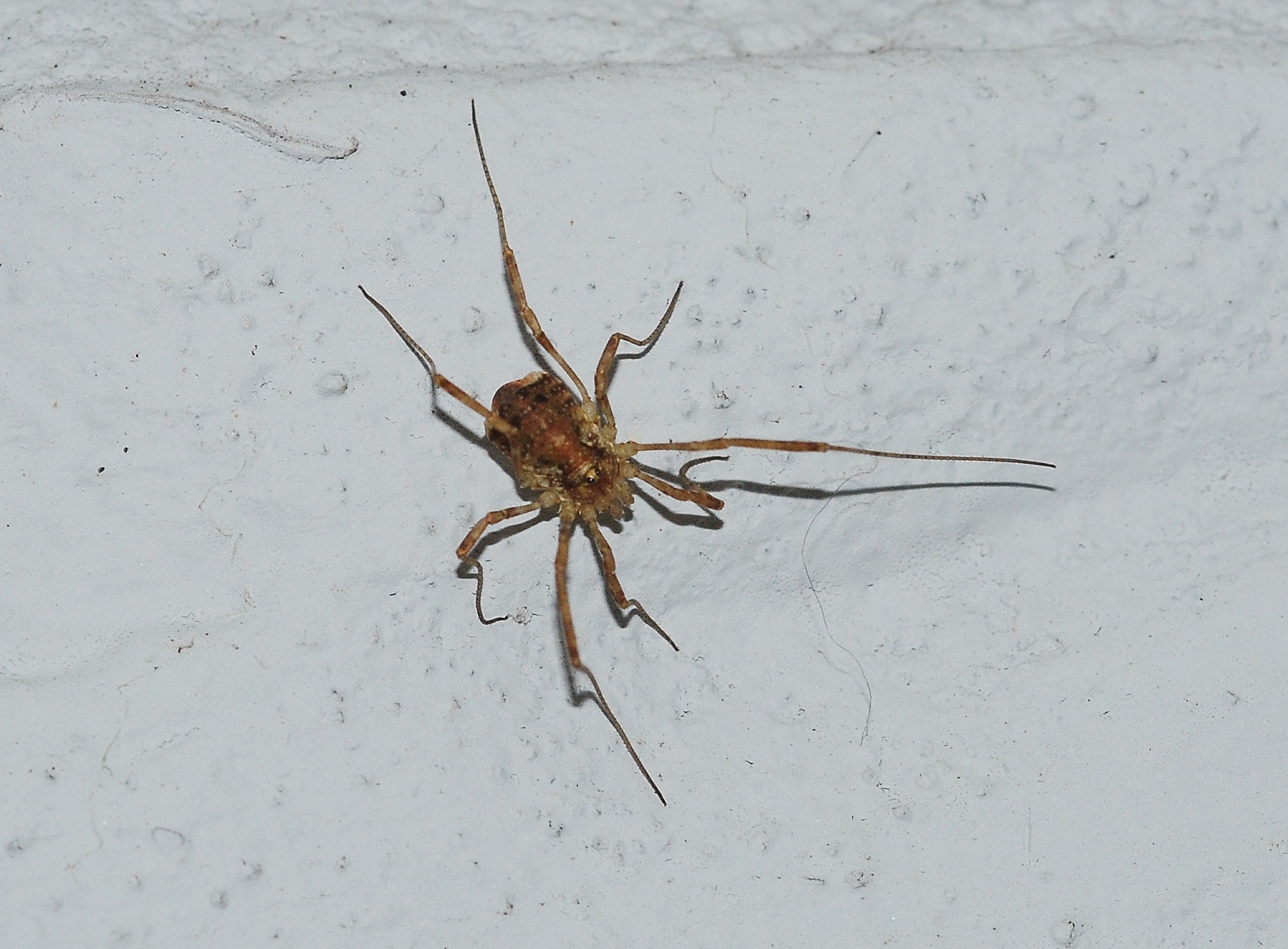
Paroligolophus agrestis
species of arachnid
Bishopella
Bishopella is a genus of the harvestman family Phalangodidae, with two described species. B. jonesi occurs only in Alabama, while B. laciniosa is found in the southeastern United States.
Phalangioidea
Phalangioidea is a superfamily of the harvestman suborder Eupnoi with five recognized families and more than 1,500 species.
Sitalcina
Sitalcina is a genus of armoured harvestmen in the family Phalangodidae. There are about 10 described species in Sitalcina.
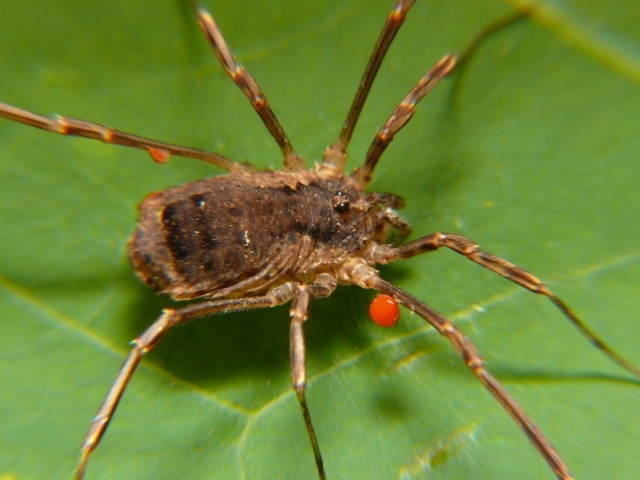
Lacinius ephippiatus
species of arachnid
Pantopsalis coronata
species of arachnid
Crosbyella
Crosbyella is a genus of armoured harvestmen in the family Phalangodidae. There are about five described species in Crosbyella.
Nelima doriae
species of arachnid
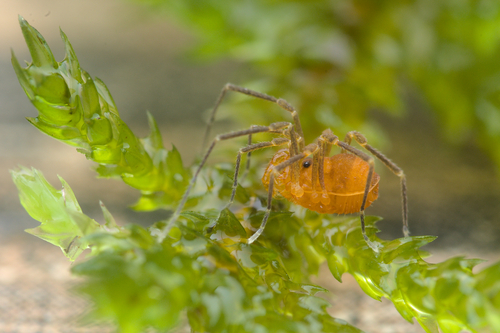
Peltonychia
Peltonychia is a genus of armoured harvestmen in the family Cladonychiidae. There are about nine described species in Peltonychia that are found in Europe.
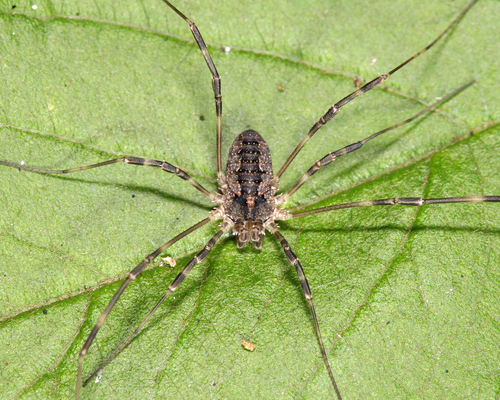
Odiellus pictus
species of arachnid
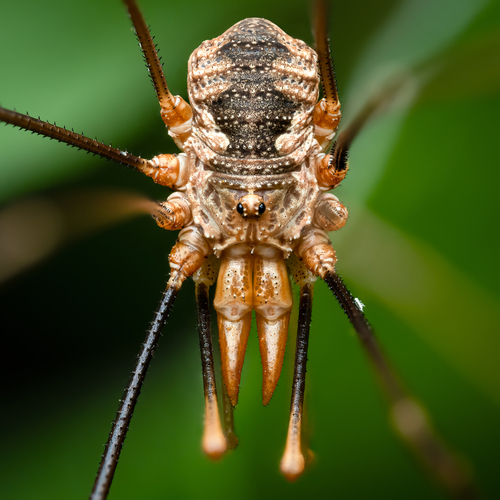
Opilio
Opilio is a genus of harvestmen with 35 known species.
Psalenoba nunciaeformis
species of arachnid
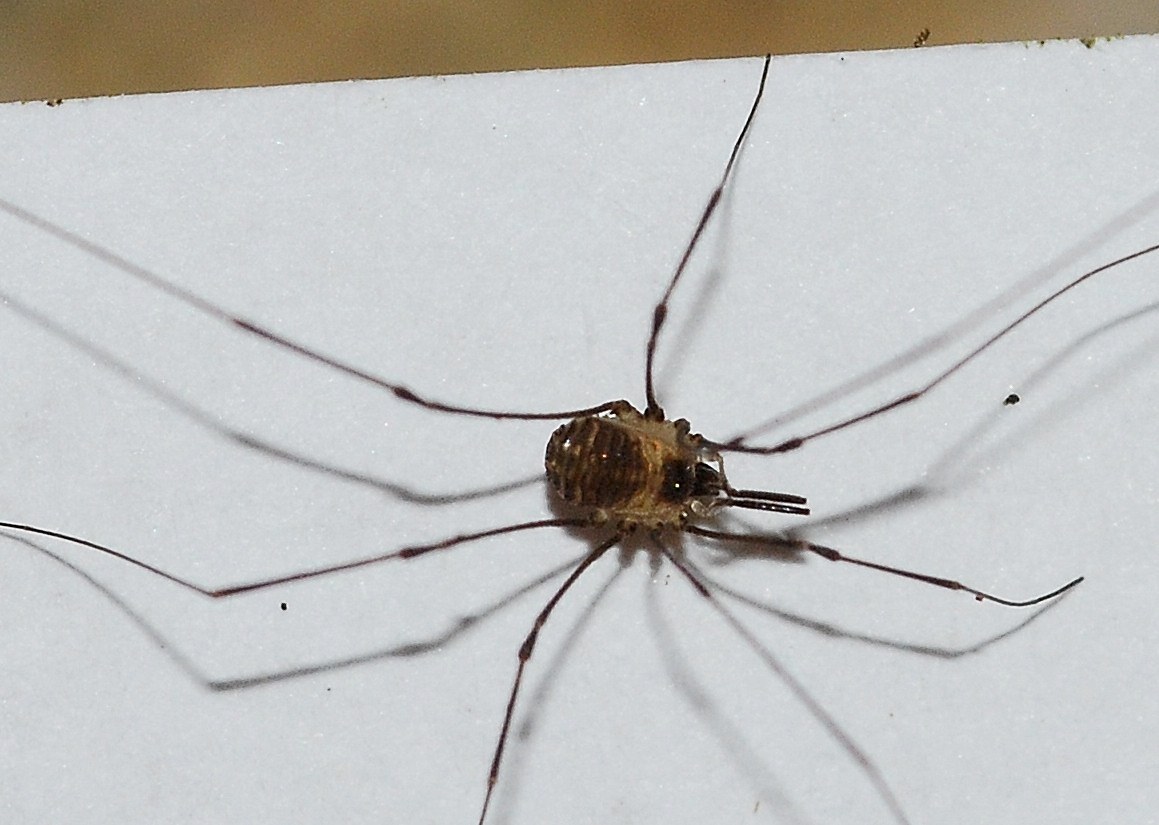
Mitostoma chrysomelas
species of arachnid
Cryptomaster leviathan
species of arachnid
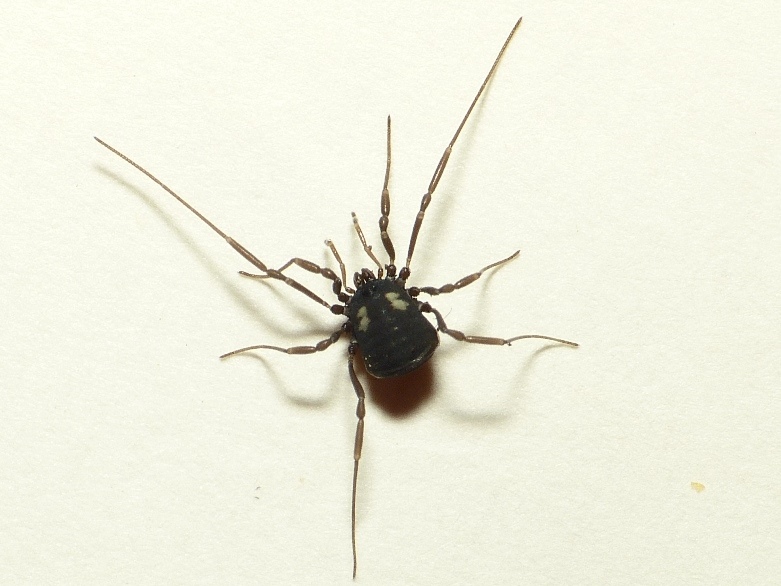
Nemastoma bimaculatum
species of arachnid
Algidia
Algidia is a genus in the harvestman family Triaenonychidae. It is endemic to New Zealand and currently includes 7 species and several subspecies.

Stygnomma
Stygnomma is a genus of armoured harvestmen in the family Stygnommatidae. There are more than 30 described species in Stygnomma.
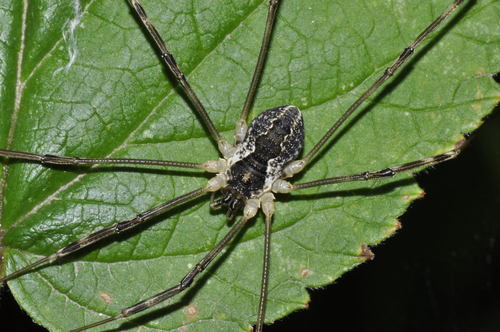
Oligolophus
Oligolophus is a genus of the harvestman family Phalangiidae.
Phalangodidae
thumb|Maiorerus randoi (model)
thumb|Texella reyesi
Synthetonychiidae
The Synthetonychiidae are a small family of harvestman with a handful of species in a single genus. They are endemic to New Zealand.
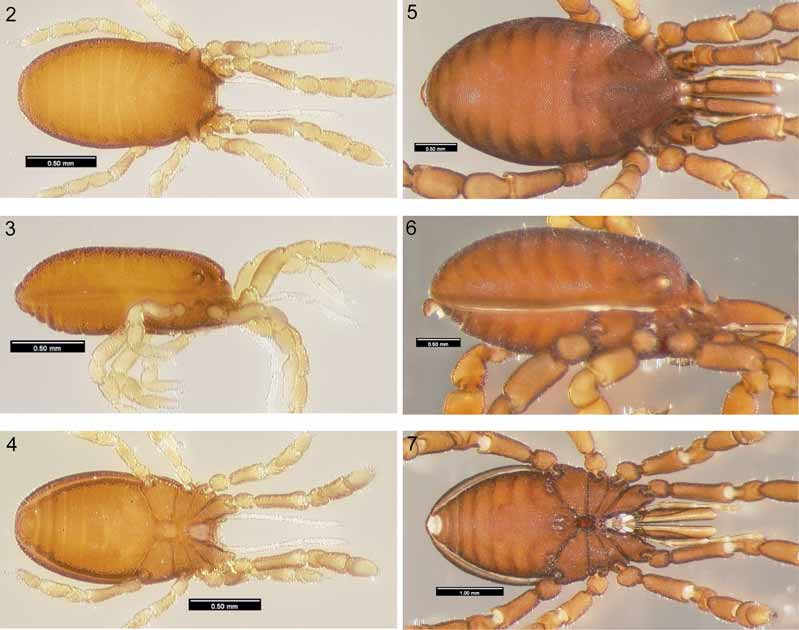
Neogoveidae
The Neogoveidae are a family of harvestmen with 27 described species in eight genera. However, eight species of Huitaca, 17 species of Metagovea and 12 species of Neogovea are currently awaiting description.