Category
page 1Heirs apparent who never acceded

Percy Bysshe Shelley
British Romantic poet (1792–1822)

Otto von Habsburg
Head of the House of Habsburg and German politician

Reza Pahlavi
Reza Pahlavi is an Iranian political activist and the former Crown Prince of the Pahlavi dynasty of Iran. He is the eldest son of Mohammad Reza Pahlavi, the last Shah of Iran, and his wife, Empress Farah. He lives in the United States as a dissident in exile.
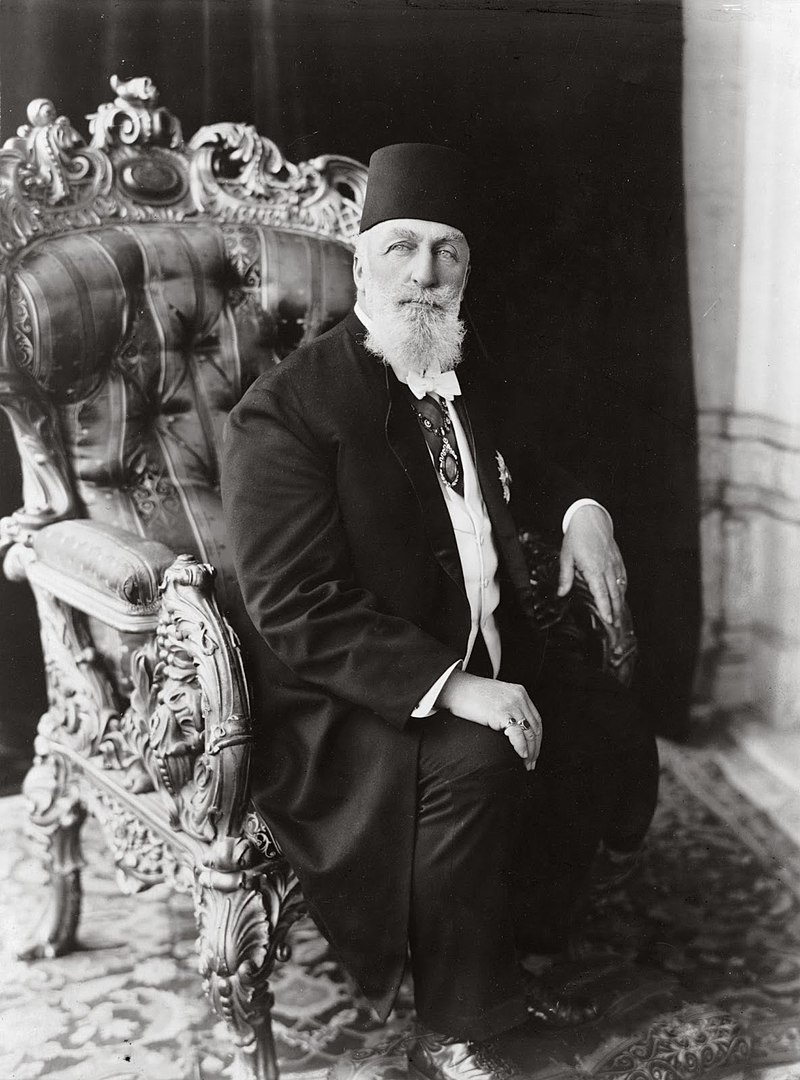
Abdülmecid II
last caliph of the Ottoman Dynasty (1868–1944)

Philip I of Castile
King of Castile (1506), Ruler of Habsburg Netherlands (1482-1506)

Absalom
Absalom (), according to the Hebrew Bible, was an Israelite prince. Born to David and Maacah, who was from Geshur, he was the only full sibling of Tamar. He is described in the Hebrew Bible as being exceptionally beautiful, as is his sister. In the narrative of 2 Samuel 13, his sister Tamar takes refuge at his house after she is raped by their paternal half-brother Amnon (born to David and Ahinoam, who was from Jezreel); David is angered by the incident, but does nothing, as Amnon is his heir apparent. Infuriated by the rape and David's inaction, Absalom assassinates Amnon and subsequently fle

Rudolf, Crown Prince of Austria
Austrian archduke (1858-1889)

Ferdinand IV, King of the Romans
King of Bohemia, Hungary, Croatia, and the Romans (1633-1654)

Henry Stuart, Lord Darnley
Duke of Albany and King consort of Scotland (1545-1567)

Wilhelm, German Crown Prince
Prussian Crown Prince (1882-1951)

Frederick, Prince of Wales
heir apparent to the British throne from 1727 until his death

Şehzade Mustafa
Ottoman prince; son of Suleiman the Magnificent (1515-1553)

Saint Casimir
Polish and Lithuanian prince (1458–1484)

Abbas Mirza
Qajar crown prince

Vittorio Emanuele, Prince of Naples
disputed Head of the House of Savoy from 1983 to 2024
Alexander, Crown Prince of Serbia
Head of the House of Karađorđević
Pavlos, Crown Prince of Greece
former Crown Prince of Greece
Henry (VII) of Germany
German king (1220-1235)
Prince Emanuele Filiberto, 2nd Duke of Aosta
Italian general (1869–1931)
Dara Shikoh
Indian prince
Adonijah
According to 2 Samuel, Adonijah (, ’Ǎḏōnīyyā; "my lord is Yah") was the fourth son of King David. His mother was Haggith as recorded in the book of . Adonijah was born at Hebron during the long conflict between David and the House of Saul. In 1 Kings, he briefly proclaimed himself king of Israel during the terminal illness of his father David, before peacefully ceding the throne to his brother Solomon.

Rupprecht, Crown Prince of Bavaria
German general (1869–1955)

Amnon
Amnon (, "faithful") was, in the Hebrew Bible, the oldest son of King David and his second wife, Ahinoam of Jezreel. He was born in Hebron during his father's reign in Judah. He was the heir apparent to the throne of Israel until he was assassinated by his paternal half-brother Absalom to avenge the rape of Absalom's sister Tamar.
Jonathan
heroic figure in 1 Samuel

Prince Amedeo, 5th Duke of Aosta
claimant to the headship of the Italian House of Savoy

Ernst August, Duke of Brunswick
Hanoverian Royal (1887-1953)

Charles Martel of Anjou
former King of Hungary (1290–1295)

Rhadamistus
Rhadamistus (died 58) was a royal prince of the Pharnavazid dynasty of the Iberia who reigned over the Kingdom of Armenia from 51 to 53 and 54 to 55. He was considered a usurper and tyrant, who was overthrown in a rebellion supported by the Parthian Empire.

Ernst August, Crown Prince of Hanover
Head of the House of Hanover (1845–1923)

Martin I of Sicily
King of Sicily and Infante and Crown prince of Aragon
Abd al-Ilah
Regent and Crown Prince of Iraq (1913–1958)

Henry Howard, Earl of Surrey
16th-century English nobleman; (1516-1547)

George Boleyn, Viscount Rochford
English courtier and nobleman (1504-1536); brother of Anne Boleyn

Leka, Crown Prince of Albania
Head of the House of Zogu (1961-2011)

Prince Karl Ludwig, Hereditary Prince of Baden
Heir apparent in the Margraviate of Baden (1755-1801)
Prince Leopold, Prince of Hohenzollern
German prince (1835-1905)
William Clito
Belgian noble (1102–1128)
Conrad II of Italy
German king
Louis Antoine, Duke of Enghien
son of Louis Henri, Prince of Condé (1772–1804)
%20-%20attrib.%20Giovanni%20Guercino%20(MNAA438%2C%20Pa%C3%A7o%20dos%20Duques%20de%20Bragan%C3%A7a).png)
Hermenegild
Saint Hermenegild or Ermengild (died 13 April 585; ; , from Gothic 𐌹𐍂𐌼𐌿𐌽𐌰𐌲𐌹𐌻𐌳𐍃 *Airmana-gild, "immense tribute"), was the son of King Liuvigild of the Visigothic Kingdom in the Iberian Peninsula and southern France. He fell out with his father in 579, then revolted the following year. During his rebellion, he converted from Arianism to Catholicism. Hermenegild was defeated in 584 and exiled. His death was later celebrated as a martyrdom due to the influence of Pope Gregory I's Dialogues, in which he portrayed Hermenegild as a "Catholic martyr rebelling against the tyranny of an Aria
Prince William of Gloucester
elder son of Prince Henry, Duke of Gloucester, and Princess Alice, Duchess of Gloucester (1941–1972)
Saint Emeric of Hungary
son of King St. Stephen I of Hungary and Giselle of Bavaria.
Joseph Ferdinand of Bavaria
Electoral Prince of Bavaria
Prince Arthur of Connaught
British prince (1883-1938)
Charles, Prince of Viana
King of Navarre
John III of Navarre
King of Navarre
Ernst August, Prince of Hanover
(1914–1987); head of the House of Hanover from 1953-1987
Ferdinando de' Medici, Grand Prince of Tuscany
Tuscan prince (1663-1713)
Aristobulus IV
Herodian prince of Judea
Alexios Komnenos
Byzantine junior emperor; (1106-1142)
Herod II
son of Herod the Great of Judea and Mariamne II (c. 27 BC - 33/34 AD)
John II, Duke of Lorraine
Duke of Lorraine and poet
Odoardo Farnese, Hereditary Prince of Parma
Prince of Parma
Danilo, Crown Prince of Montenegro
Montenegrin prince (1871–1939)
Henry of Burgundy
son and heir of Robert I, Duke of Burgundy, but died during his father's lifetime
Prince Tomohito of Mikasa
Japanese prince (1946-2012)
Valdemar the Young
Co-king of Denmark (1209-1231)
Alfred, Hereditary Prince of Saxe-Coburg and Gotha
British Royal Family member (1874–1899)
Prince Alexander, Prince of Orange
Dutch Royal Heir (1851-1884)
Frederick V, Duke of Swabia
duke of Swabia