Category
page 1Heterotrichea
Stentor
genus of protists

Heterotrichea
The heterotrichs are a class of ciliates. They typically have a prominent adoral zone of membranelles circling the mouth, used in locomotion and feeding, and shorter cilia on the rest of the body. Many species are highly contractile, and are typically compressed or conical in form. These include some of the largest protozoa, such as Stentor and Spirostomum, as well as many brightly pigmented forms, such as certain Blepharisma.
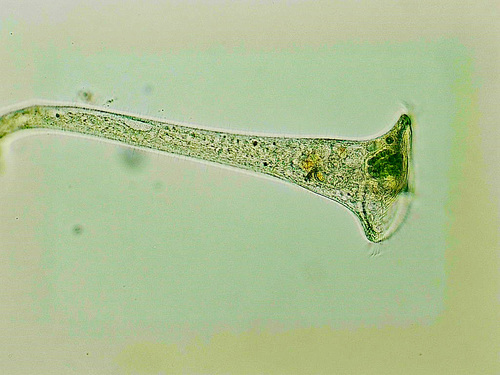
Stentor roeseli
species of cialiates
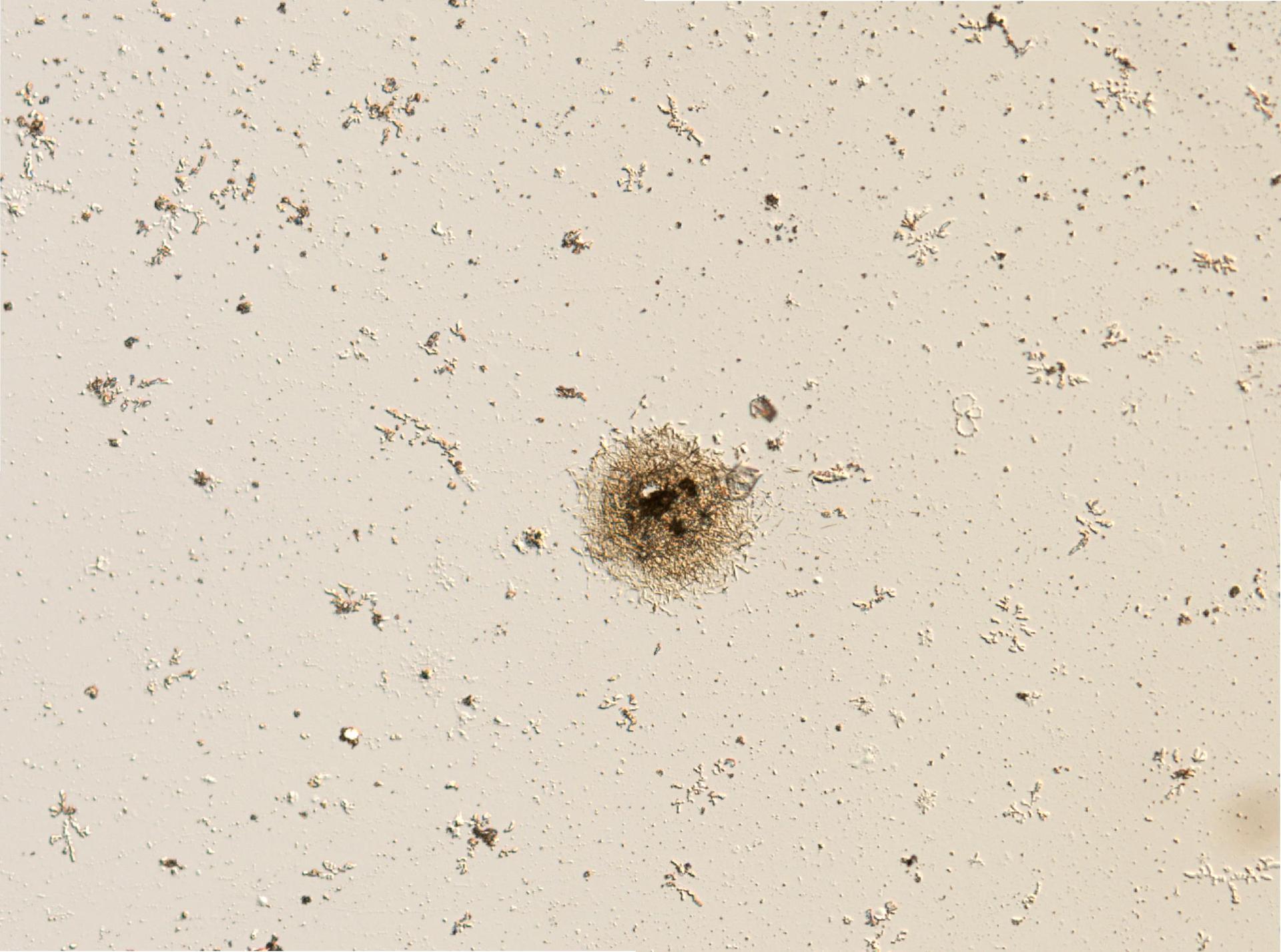
Blepharisma
Blepharisma is a genus of unicellular ciliate protists found in fresh and salt water. The group includes around 40 accepted species, and many sub-varieties and strains. While species vary considerably in size and shape, most are easily identified by their red or pinkish color, which is caused by granules of the pigment blepharismin.

Spirostomum
Spirostomum is a genus of ciliated protists in the class Heterotrichea. It is known for being very contractile. Having been first identified by Christian Gottfried Ehrenberg in 1834, further research has identified eight additional true morphospecies. This bacterivore genus mainly lives in the sediment deposits at the bottom of various aquatic habitats, and members possess rquA genes that could be responsible for their ability to survive in these hypoxic and anoxic environments. They are identifiable by their relatively (to other ciliates) large tubular/flat vermiform bodies. Their life cycle
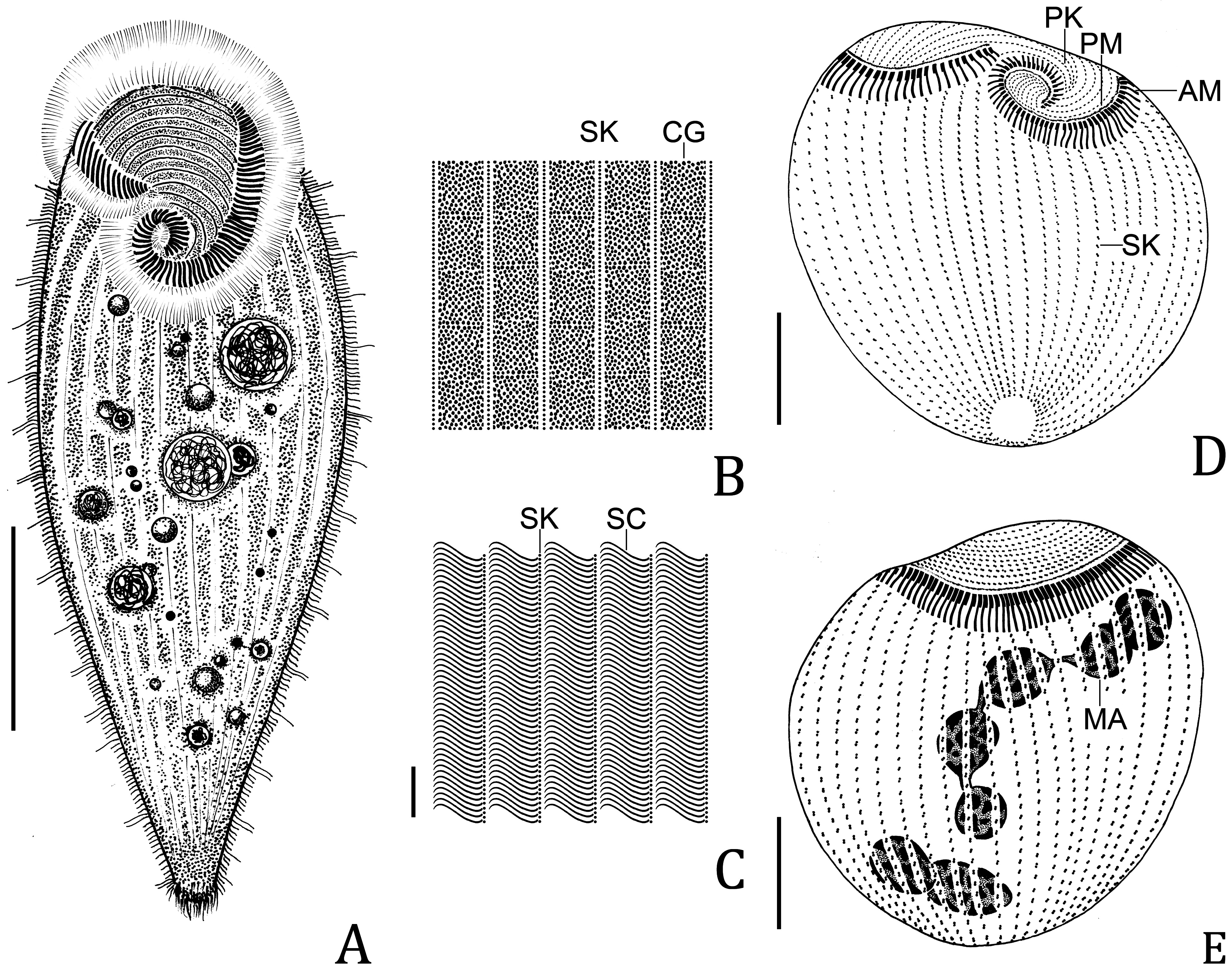
Stentor coeruleus
species of protist