Category
page 1Hindu poets
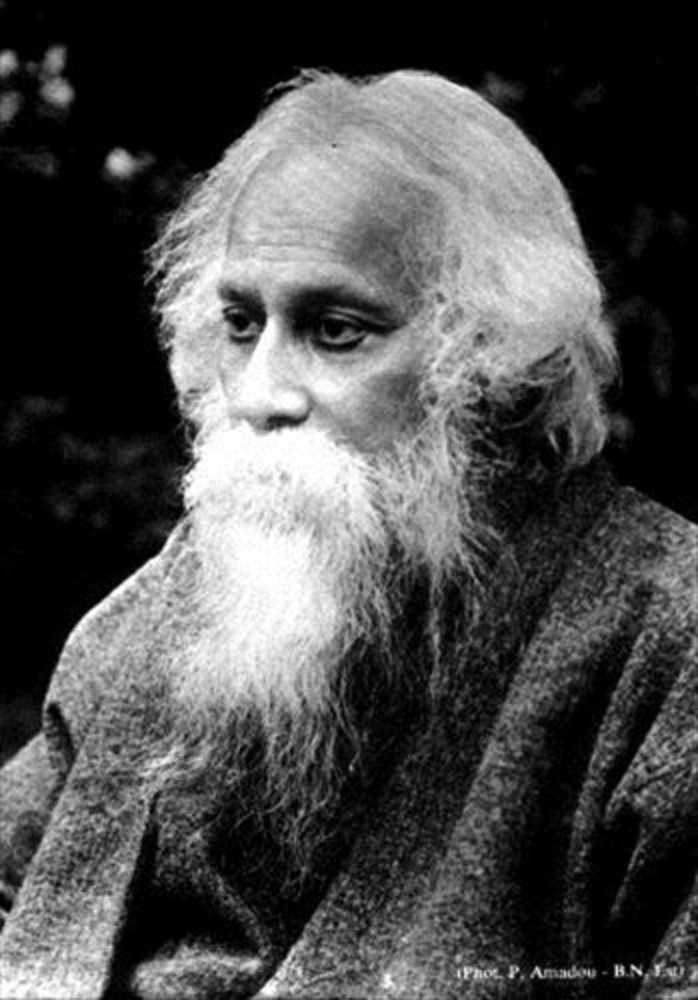
Rabindranath Tagore
Bengali poet, philosopher and polymath (1861–1941)

Kalidasa
Kālidāsa (, "Servant of Kali"; 4th–5th century CE) was a Classical Sanskrit author who is often considered ancient India's greatest poet and playwright. His plays and poetry are primarily based on Hindu Puranas and philosophy. His surviving works consist of three plays, two epic poems and two shorter poems.

Vyāsa
Vyasa (; , ) is a rishi (sage) with a prominent role in most Hindu traditions. He is also known as Veda Vyasa (, ) or Krishna Dvaipayana (, ). Traditionally regarded as the author of the epic Mahābhārata, Vyasa also plays a prominent role as a character. He is also regarded by the Hindu traditions to be the compiler of the mantras of the Vedas into four texts, as well as the author of the eighteen Purāṇas and the Brahma Sutras.

Valmiki
Valmiki (; , ) was a legendary poet who is celebrated as the traditional author of the epic Ramayana, based on the attribution in the text itself. He is revered as Ādi Kavi (), the first poet, author of Ramayana, the first epic poem.

Tulsidas
Rambola (; 11 August 1511 – 30 July 1623), popularly known as Goswami Tulsīdās (), was a Vaishnava (Ramanandi) Hindu saint, devotee (भक्त) and poet, renowned for his devotion to the deity Rama. He wrote several popular works in Sanskrit, Awadhi, and Braj Bhasha, but is best known as the author of the Hanuman Chalisa and of the epic Ramcharitmanas, a retelling of the Sanskrit Ramayana, based on Rama's life, in the vernacular Awadhi language.

Mamata Banerjee
Mamata Banerjee is an Indian politician and lawyer who is currently serving as the chief minister of West Bengal since 20 May 2011; she is the first woman to hold the office. The founder and president of the All India Trinamool Congress, she previously served as a Union Cabinet Minister and is also the current leader of the house in West Bengal's Legislative Assembly.

Jayadeva
Jayadeva (; born ), also spelt Jaideva, was a Sanskrit poet during the 12th century. He is most known for his epic poem Gita Govinda which concentrates on Krishna's love with the gopi, Radha, in a rite of spring. This poem, which presents the view that Radha is greater than Krishna, is considered an important text in the Bhakti movement of Hinduism.
%E2%80%93%20Pigment%20Painting%20(Old).jpg)
Bhavabhūti
Bhavabhūti (born Śrīkaṇṭha Nīlakaṇṭha; Devanagari: भवभूति; -) was a classical Sanskrit scholar, poet, and playwright of eighth-century India. He is considered a key successor to Kalidasa and is often regarded as matching his literary stature. His best known work Uttararamacarita (translated as The Later Deeds of Rama), earned him the title "Poet of the Karunā Rasa".
==Background==
Bhavabhuti was born in Padmapura, Aamgaon, at Gondia district,in Maharashtra. He was born in a Audumbar/Udumbar Brahmin family of scholars. He is described as a scion of the Yāyāvara family, bearing the surname Udumb
Subramanya Bharathi
Tamil poet, social reformer, fighter for Indian freedom & women's rights

Vidyapati
Vidyapati (–1448), also known by the sobriquet Maithil Kavi Kokil (), was a Maithili and Sanskrit polymath-poet-saint, playwright, composer, biographer, philosopher, law-theorist, writer, courtier and royal priest. He was a devotee of Shiva, but also wrote love songs and devotional Vaishnava songs. He had knowledge of, and composed works in Sanskrit, Prakrit, Apabhramsha and Maithili.
Bhanubhakta Acharya
The First-ever poet of Nepali Language

Surdas
Surdas was a 16th-century blind Hindu devotional poet and singer, who was known for his works written in praise of Krishna. His compositions captured his devotion towards Krishna. Most of his poems were written in the Braj language, while some were also written in other dialects of medieval Hindi, like Awadhi.
Gargi Vachaknavi
ancient Indian philosopher
Lalleshwari
Lalleshwari, ( also commonly known as Lal Ded (), was a Kashmiri mystic of the Kashmir Shaivism school of Hindu philosophy. She was the creator of the style of mystic poetry called vatsun or Vakhs, meaning "speech" (from Sanskrit vāc). Known as Lal Vakhs, her verses are among the early compositions in the Kashmiri language and are a part of the history of modern Kashmiri literature.
Ramdhari Singh Dinkar
Indian hindi poet, essayis (1908-1974)

Sachchidananda Vatsyayan
Sachchidananda Hirananda Vatsyayan (7 March 1911 – 4 April 1987), popularly known by his pen name Agyeya (also transliterated Ajneya, meaning 'the unknowable'), was an Indian writer, poet, novelist, literary critic, journalist, translator and revolutionary in Hindi language. He pioneered modern trends in Hindi poetry, as well as in fiction, criticism and journalism. He is regarded as the pioneer of the Prayogavaad (experimentalism) movement in modern Hindi literature.
Firaq Gorakhpuri
Urdu author (1896-1982)
Purandara Dasa
Indian musician
Shankha Ghosh
Indian poet (1932-2021)
Bilhana
Bilhana was a 11th-century Sanskrit-language poet from Kashmir. He traveled to different parts of India, and received royal patronage from the Kalachuri king Lakshmi-karna, the Chaulukya king Karna, and the Kalyani Chalukya king Vikramaditya VI.
Satya Vrat Shastri
Jnanpith Award recipient in Sanskrit. Indian academic
Narsinh Mehta
poet-saint of Gujarat
Magha
Sanskrit poet
Ramprasad Sen
Shakta poet of eighteenth century Bengal
Thunchaththu Ezhuthachan
Malayalam devotional poet
Satsvarupa dasa Goswami
American poet and disciple of Bhaktivedanta Swami (born 1939)
Kambar
Tamil poet

Tallapaka Annamacharya
Tallapaka Annamacharya (; 9 May 1408 – 23 February 1503), also known as Annamayya, was a Telugu composer and Hindu saint. Born in Thallapaka, he composed devotional songs known as saṁkīrtanas in praise of Venkateswara, a form of Vishnu. He is the earliest known Indian musician to utilize this song form.
Gurajada Apparao
Telugu writer and Poet (1862-1915)

Nammalvar
Nammalvar was one of the twelve Alvar saints of Tamil Nadu, India, who are known for their affiliation to the Vaishnava tradition of Hinduism. The verses of the Alvars are compiled as the Naalayira Divya Prabandham, where praises are sung of 108 temples that are classified as divine realms, called the Divya Desams. Nammalvar is considered to be the fifth in the line of the twelve Alvars. He is highly regarded as a great mystic of the Vaishnava tradition. He is also considered to be the foremost among the twelve Alvars, and his contributions amount to 1352 among the 4000 stanzas in the Naalayir
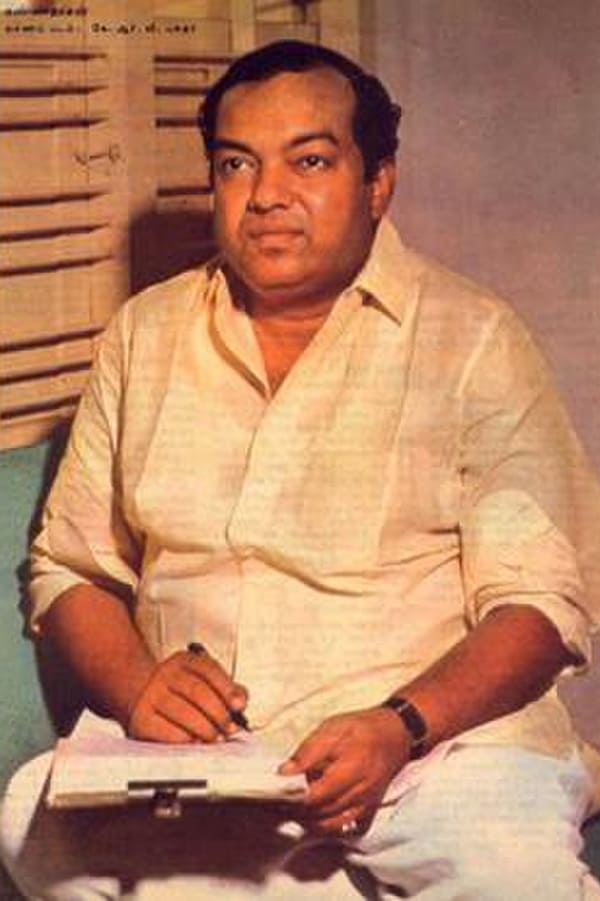
Kannadasan
Muthiah Sathappan Chettiar, better known as Kannadasan (; 24 June 1927 – 17 October 1981), was a poet, film song lyricist, producer, actor, script-writer, editor, philanthropist, and is heralded as one of the greatest and most important lyricists in India. With over 5,000 lyrics, 6,000 poems, and 232 books, Kannadasan is widely known by the sobriquet "Kaviarasu" ("king of poets") and he is also considered to be the greatest modern Tamil poet after Subramania Bharati. including novels, epics, plays, essays, his most popular being the 10-part religious book on Hinduism, Arthamulla Indhu Mat
Khana
Bengali poet and astrologer

Ishwar Chandra Gupta
Indian Bengali poet and writer
Gopalakrishna Adiga
Kannada poet (1918–1992)
Pothana
Bammera Pothana (1400–1475) was a Telugu poet best known for his translation of the Srimad Bhaagavatam from Sanskrit to Telugu. He was a Telugu and Sanskrit Scholar. His work, Srimad Bhagavatamu, is popularly called as Pothana Bhagavatam in Telugu.
Dwijendralal Ray
Bengali poet, playwright, and musician

Manmohan Acharya
Poet, lyricist
Ulloor S. Parameswara Iyer
Indian poet (1877–1949)
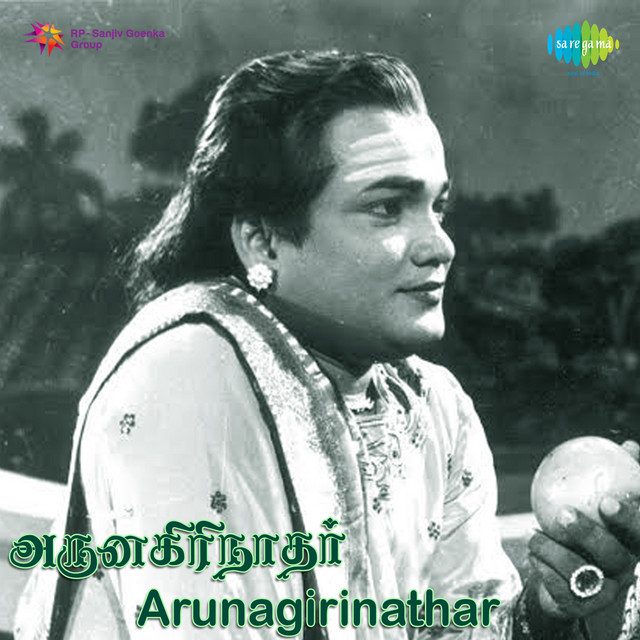
Arunagirinathar
Arunagirinathar ('', ) was a Tamil Shaiva saint-poet who lived during the 14th century in Tamil Nadu, India. In his treatise A History of Indian Literature'' (1974), Czech Indologist Kamil Zvelebil places Arunagirinathar's period between circa 1370 CE and circa 1450 CE. He was the creator of Tiruppugazh ('''', , meaning "Holy Praise" or "Divine Glory"), a book of poems in Tamil in praise of Murugan.
Sant Nirmala
Indian poet and Dalit saint
Devulapalli Krishnasastri
Indian writer (1897-1980)
Mehr Lal Soni Zia Fatehabadi
Indian writer (1913–1986)
Krittibas Ojha
Indian writer and poet of mediaval period
N. V. Krishna Warrier
Indian academic and poet (1916–1989)
Achyutananda Dasa
Indian devotional Poet from Odisha
Bharatchandra Ray
Bengali writer 18th Century.
Salabega
Salabega (, 1607/1608 –?) was an Odia religious poet of India in the early 17th century who wrote Jagannatha bhajanas. He was Muslim by birth but his devotion for the Hindu God made Lord Jagannath stop his Ratha Jātrā (Rath Yatra) in Odisha for him to get darshan. His famous Bhajan 'Ahe Nila Saila' lives to this day.
Gopal Mittal
Indian writer
Avvaiyar
Tamil poet, possibly first century BCE birthdate
Poonthanam
Devotee of Guruvayurappan
Dhurjati
Mahakavi Dhurjati (Telugu: దూర్జటి; c. 15th and 16th centuries CE) was a Telugu poet and an Ashtadiggaja in the imperial court of the Emperor Krishnadevaraya of Vijayanagara.
Maraimalai Adigal
Orator and writer (1876-1950)
Bhatta Narayana
Sanskrit scholar and writer
Gangasati
Gangasati was a medieval saint poet of bhakti tradition of western India who composed several devotional songs in Gujarati language.
Shardha Ram Phillauri
Indian writer (1837–1881)
Tilok Chand Mehroom
Indian writer (1887–1966)
Ramram Basu
Bengali scholar (1751–1813)
Vetala Bhatta
sanskrit author
Sahir Hoshiarpuri
Punjabi poet (1913-1994)
Vishnu Raj Atreya
Nepalese writer