Category
page 1Hippolyta

A Midsummer Night's Dream
play by William Shakespeare

Hippolyta
In Greek mythology, Hippolyta, or Hippolyte (; Hippolytē), was a daughter of Ares and Otrera, queen of the Amazons, and a sister of Antiope and Melanippe. She wore her father Ares' zoster, the Greek word found in the Iliad and elsewhere meaning "war belt". Some English translations prefer "girdle". Hippolyta figures prominently in the myths of both Heracles and Theseus. The myths about her are so varied it is thought that they may be about different women. The name Hippolyta translates as "she who unleashes the horses", deriving from two Greek roots meaning "horse" and "let loose".
Civilization II
1996 turn-based strategy video game
The Two Noble Kinsmen
play partly written by William Shakespeare
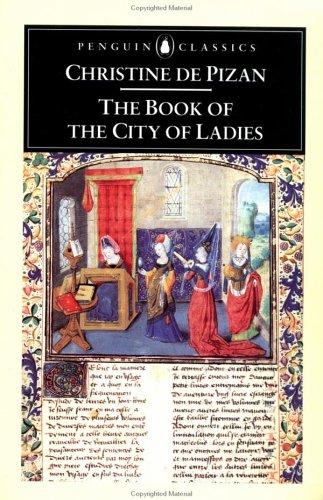
The Book of the City of Ladies
novel by Christine de Pizan
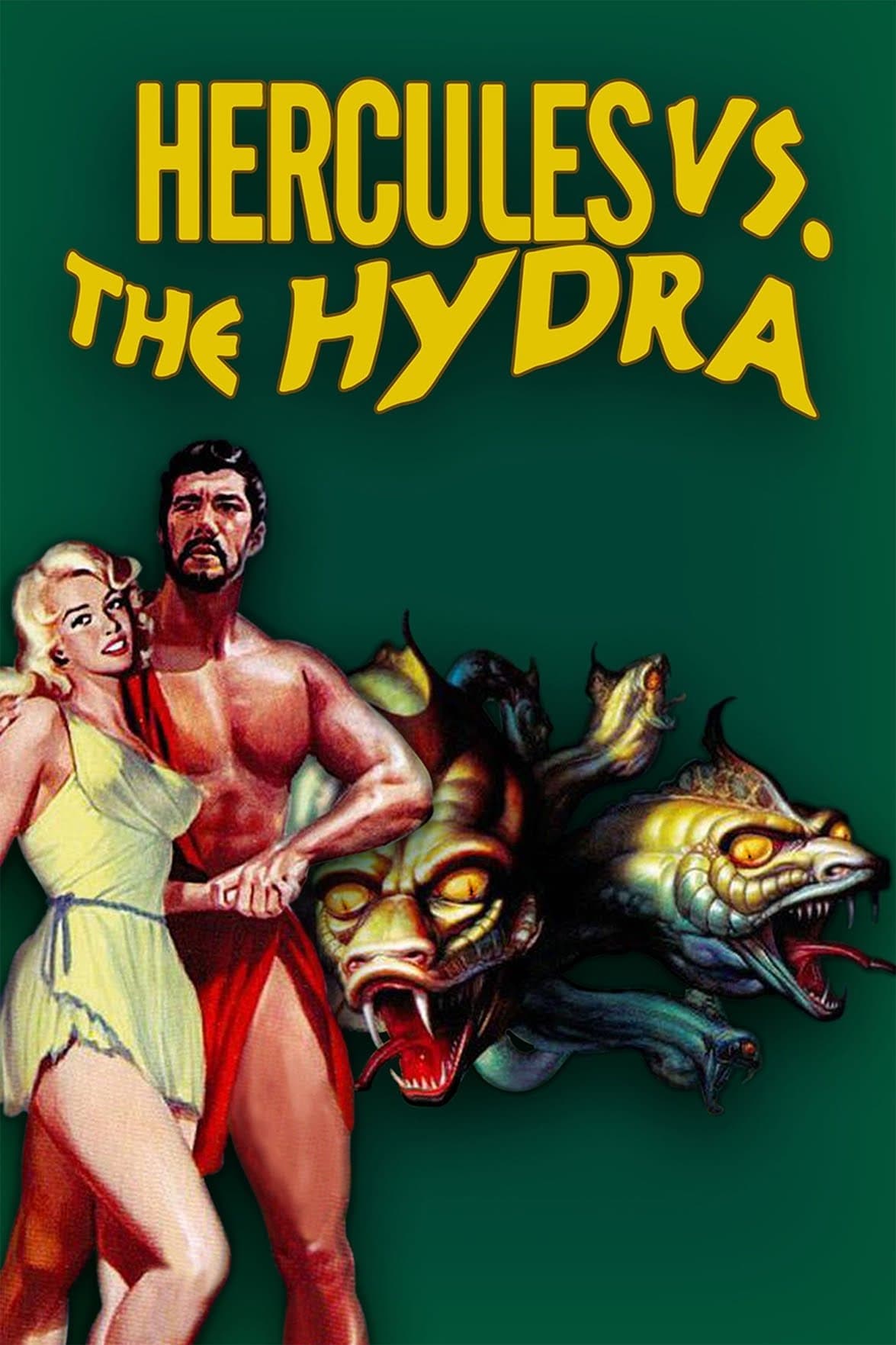
The Loves of Hercules
1960 film by Carlo Ludovico Bragaglia
Hippolyta
DC Comics character

Teseida
thumb|Emilia in the rose garden, French, c. 1460
Teseida (full title: Teseida delle Nozze d’Emilia, or The Theseid, Concerning the Nuptials of Emily) is a long epic poem written by Giovanni Boccaccio c.1340–41. Running to almost 10,000 lines divided into twelve books, its notional subject is the career and rule of the ancient Greek hero Theseus (Teseo), although the majority of the epic tells the story of the rivalry of Palemone and Arcita for the love of Emilia. It is the main source of "The Knight's Tale" in Geoffrey Chaucer's Canterbury Tales, and therefore is the original source of The Two
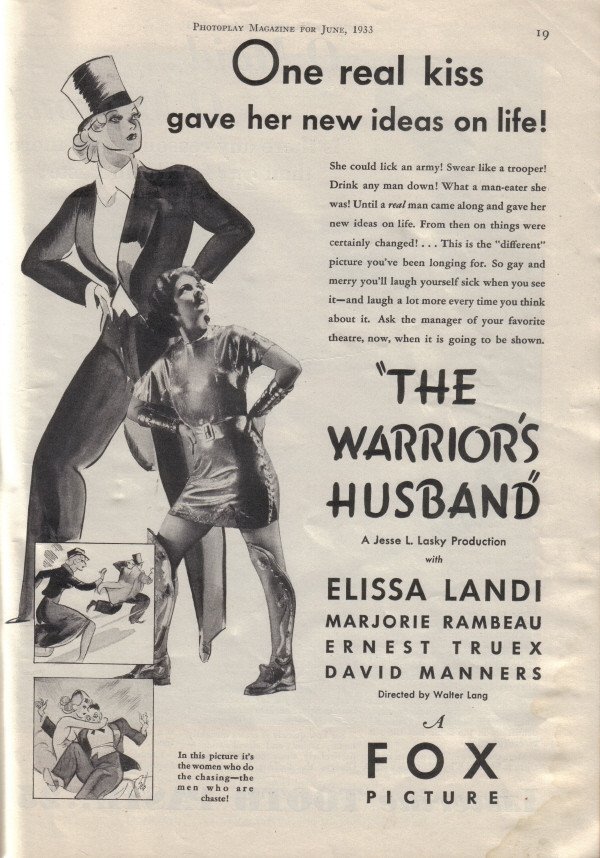
The Warrior's Husband
1933 film by Lesley Selander, Walter Lang

The Bull from the Sea
1962 novel by Mary Renault