Category
page 1Historiography

historiography
thumb|The Allegory On the Writing of History shows Truth (top) watching the historian write history, while advised by Athena#Pallas Athena|Wisdom ([[Jacob de Wit, 1754)]]
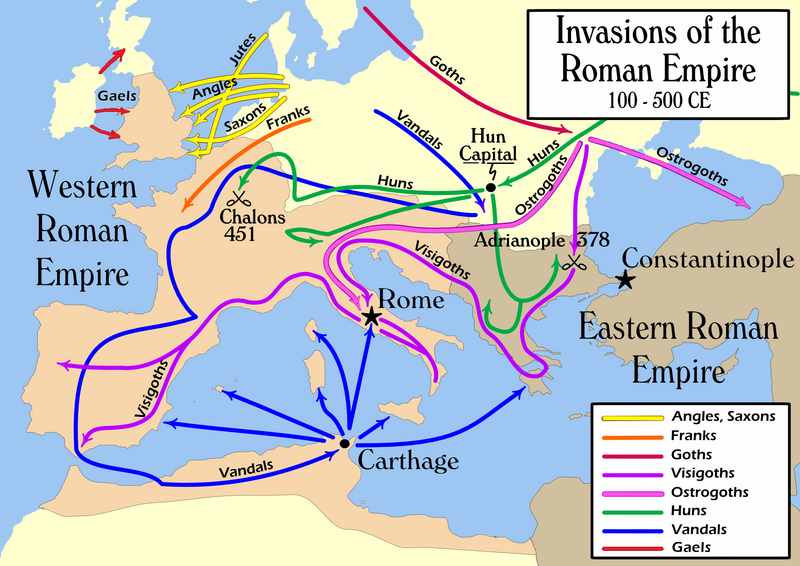
Migration Period
period in European history with large migration of peoples, from the 4th to the 6th centuries

teleology
thumb|upright=1.15|Plato (left) and [[Aristotle, depicted here in The School of Athens, both developed teleological arguments addressing the universe's apparent order (logos)]]

philosophy of history
theoretical aspect of history

golden age
far-gone period of primordial peace, harmony, stability, and prosperity, from Greek mythology

primary source
artifact, document, diary, manuscript, autobiography, a recording, or other source of information that was created at the time under study

diplomatics
Diplomatics (in American English, and in most anglophone countries), or diplomatic (in British English), is a scholarly discipline centred on the critical analysis of documents, especially historical documents. It focuses on the conventions, protocols and formulae that have been used by document creators, and uses these to increase understanding of the processes of document creation, of information transmission, and of the relationships between the facts which the documents purport to record and reality.
historical revisionism
history rewriting

modernity
Modernity, a topic in the humanities and social sciences, is both a historical period (the modern era) and the ensemble of particular socio-cultural norms, attitudes, and practices that arose in the wake of the Renaissancein the Age of Reason of 17th-century thought and the 18th-century Enlightenment. Commentators variously consider the era of modernity to have ended by 1930, with World War II in 1945, or as late as the period falling between the 1980s and 1990s; the following era is often referred to as "postmodernity". The term "contemporary history" is also used to refer to the post-1945 ti
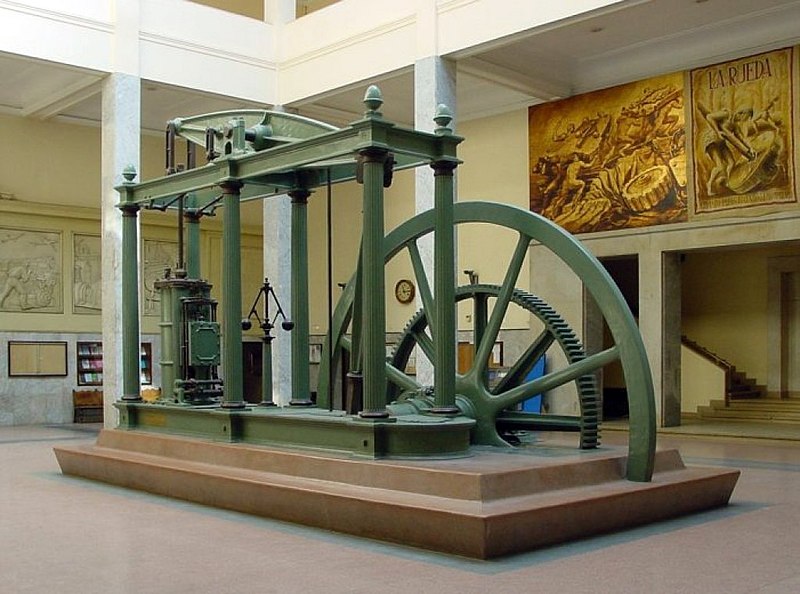
late modern period
the era from ca. 1800 until the present

oral history
historical discipline of the collection and study of historical information about individuals, families, important events, or everyday life using audiotapes, videotapes, or transcriptions of planned interviews
.png)
sigillography
thumb|right|upright=1.5|19th-century drawings of the seal of Richard de Clare, 2nd Earl of Pembroke|Richard de Clare ("Strongbow"), Earl of Pembroke (1130–1176)

Annales school
group of historians
world history
field of historical study. Not to be confused with universal history (genre)
historical source
texts, objects or facts from which knowledge of the past can be obtained
secondary source
document that discusses information originally presented elsewhere
historical method
techniques and guidelines by which historians use primary sources and other evidence to research and then to write histories in the form of accounts of the past
succession of states
process of transferring roles and responsibilities as states and their boundaries change
medieval studies
academic interdisciplinary study of the Middle Ages
auxiliary science of history
scholarly disciplines which help evaluate and use historical sources and are seen as auxiliary for historical research
Postmodernity
Postmodernity (post-modernity or the postmodern condition) is the economic or cultural state or condition of society which is said to exist after modernity. The idea of the postmodern condition is sometimes characterized as a culture stripped of its capacity to function in any linear or autonomous state like regressive isolationism, as opposed to the progressive mind state of modernism.
prosopography
Prosopography is an investigation of the common characteristics of a group of people, whose individual biographies may be largely untraceable. Research subjects are analysed by means of a collective study of their lives, in multiple career-line analysis. The discipline is considered to be one of the auxiliary sciences of history.
contemporary history
subset of modern history that describes the historical period from approximately 1945 to the present, common in English-language historiography

antiquarian
thumb|upright=1.6|Ole Worm's [[cabinet of curiosities, from Museum Wormianum, 1655]]
Chronicle of Fredegar
conventional title used for a 7th-century Frankish chronicle
environmental history
specialisation of history
translatio imperii
European medieval historiographical concept, based on Dan. 2:39–40, that views history as a succession of transfers of an imperium that invests supreme power in an emperor
.jpg)
ethnohistory
Ethnohistory is the study of cultures and indigenous peoples customs by examining historical records as well as other sources of information on their lives and history. It is also the study of the history of various ethnic groups that may or may not still exist. The term is most commonly used in writing about the history of the Americas.
long nineteenth century
term for the period 1789–1914 (from the French Revolution to the outbreak of WW1)
Ages of Man
stages of human existence according to Greco-Roman mythology
historism
Historism () is a philosophical and historiographical theory, founded in 19th-century Germany and especially influential in 19th- and 20th-century Europe. In those times there was not a single natural, humanistic or philosophical science that would not reflect, in one way or another, the historical type of thought (cf. comparative historical linguistics etc.). It pronounces the historicity of humanity and its binding to tradition.
invented tradition
recently invented cultural practice perceived as old
reception aesthetics
theory
Pulitzer Prize for History
American award for distinguished books on a topic of US history
counterfactual history
study of historical events that never happened
totalitarian democracy
democracy where voting is a citizen’s only right
feminist history
re-reading of history from a female perspective
historicity
Historicity is the historical actuality of persons and events, meaning the quality of being part of history instead of being a historical myth, legend, or fiction. The historicity of a claim about the past is its factual status. Historicity denotes historical actuality, authenticity, factuality and focuses on the true value of knowledge claims about the past.
.jpg)
herstory
Herstory is a term for history written from a feminist perspective and emphasizing the role of women, or told from a woman's point of view. It originated as an alteration of the word "history", as part of a feminist critique of conventional historiography, which in their opinion is traditionally written as "his story", i.e., from the male point of view. The term is a neologism and a deliberate play on words; the word "history"—via Latin historia from the Ancient Greek word ἱστορία, a noun meaning 'knowledge obtained by inquiry'—is etymologically unrelated to the possessive pronoun
Whig history
Historiographical school of thought
historical anthropology
branch of anthropology around the study of civilisations, historical cultures, societies and ethnography, as well as archaeology and historical analyses
comparative history
the comparison of different societies which existed during the same time period or shared similar cultural conditions
People's history
type of historical narrative which attempts to account for historical events from the perspective of common people rather than leaders, with an emphasis on disenfranchised, the oppressed, the poor, the nonconformists, and otherwise marginal groups
presentism
anachronistic application of present-day perspectives or judgements when describing the past
Marxist historiography
school of historiography
cultural memory
topic in cultural studies and historiography
Columbus Letter on the First Voyage
1493 Columbus letter on the first voyage
universal history (genre)
a literary genre of history writing. Not to be confused with world history (field)
Diocles of Peparethus
Greek historian in the 3rd century BC
golden age
a period when great tasks were accomplished, or when something was most influential

politics of memory
Organization of collective memory by political agents; the political means by which events are remembered and recorded, or discarded

criterion of embarrassment
critical criterion for evaluating a historical account's veracity
Template:Historiography
Wikimedia template
Comparative historical research
method in the social sciences
memorialization
Memorialization is the process of preserving memories, especially the collective memory, of people or events. It can be a form of a memorial, and address or petition, or a ceremony of remembrance or commemoration.
Nouvelle histoire
French historiographic current from the 1970s
transnational history
academic discipline
nationalistic historiography
historiography based on nationalist principles
criterion of multiple attestation
evaluating method for checking stories' historicity
historical consciousness
mode of relating to the past, present and future