Category
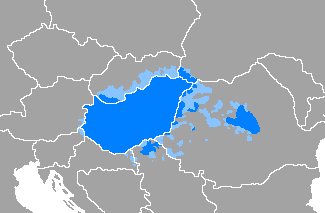
page 1Hungarian language
Hungarian
Uralic language
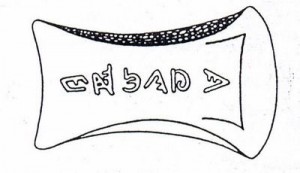
Old Hungarian
alphabetic writing system used by the Hungarians from the Middle Ages
double acute accent
diacritic mark of the Latin script

Magyarization
thumb|324x324px|Distribution of nationalities within the Kingdom of Hungary (without [[Kingdom of Croatia-Slavonia) according to the Hungarian census in 1910. ]]
Magyarization ( , also Hungarianization; ), after "Magyar"—the Hungarian autonym—was an assimilation or acculturation process by which non-Hungarian nationals living in the Kingdom of Hungary, then part of the Austro-Hungarian Empire, adopted the Hungarian national identity and language in the period between the Compromise of 1867 and Austria-Hungary's dissolution in 1918. Magyarization occurred both voluntarily and as a result of soc
Hungarian alphabet
alphabet
Dz
Latin script digraph
delative case
grammatical case
distributive case
grammatical case
Balassi Institute
parent organization of Hungary's cultural institutions abroad
ny
digraph
Lamentations of Mary
Hungarian poem
separable verb
verb with a prefix which separates from the core verb in certain positions in a sentence
Funeral Sermon and Prayer
12th-century Hungarian text
Geiger
family name
sz
Latin-script digraph
Hungarian dialects
Establishing charter of the abbey of Tihany
manuscript with oldest written Hungarian
dzs
Dzs is the eighth letter, and the only trigraph, of the Hungarian alphabet. Its name is pronounced , and represents the sounds and , like in English jump.
temporal distributive case
grammatical case
Hungarian Research Centre for Linguistics
research institute in Budapest, Hungary
Hungarian phonology
sounds and pronunciation of the Hungarian language
Hungarian ly
Latin-script digraph
history of the Hungarian language
aspect of history